

One of the most common concerns among new and potential EV owners is: Is it safe to charge an electric car in the rain? Since electricity and water don’t sound like a safe combination, the worry is understandable.
The good news is that yes, it is safe to charge an electric car in the rain when using approved charging equipment and following basic safety guidelines. Electric vehicles and charging systems are engineered with advanced safety features that allow them to operate safely in wet and harsh weather conditions.
In this article, we’ll break down how EV charging works in rainy weather, what safety protections are in place, and how you can charge confidently even during storms.
Why Charging an Electric Car in the Rain Is Safe
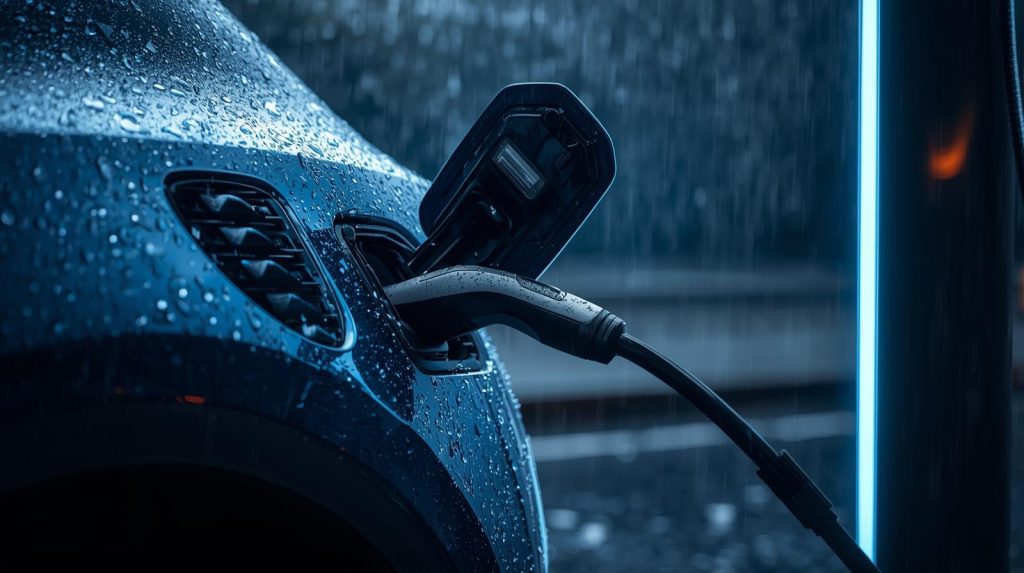
Electric cars and charging stations are designed to meet strict international safety standards. Engineers assume that EVs will be used outdoors in rain, snow, and humidity, so safety is built into every step of the charging process.
When asking is it safe to charge an electric car in the rain?, the answer depends on three key factors:
- Certified charging equipment
- Proper installation
- Built-in safety systems
When these are in place, charging in the rain is not only safe—it’s normal.
How EV Charging Systems Prevent Electrical Hazards
Weather-Sealed Charging Equipment
EV chargers, cables, and connectors are fully sealed to prevent water from reaching live electrical components. Rainwater cannot enter the system during normal operation.
Smart Communication Between Car and Charger
Power does not flow immediately when you plug in the charger. The car and charger “communicate” first to confirm a secure connection. Electricity only starts flowing once the system confirms it’s safe.
Automatic Shutoff Protection
If moisture, overheating, or a fault is detected, charging automatically stops. This prevents electric shock, short circuits, or damage to the vehicle.
Ground Fault Protection
EV chargers include ground fault circuit interrupters (GFCIs), which instantly cut power if an abnormal current is detected.
Is It Safe to Charge an Electric Car in the Rain at Home?
Yes, it is safe to charge an electric car in the rain at home, provided your charging setup is installed by a professional and meets local electrical codes.
Most home chargers are rated for outdoor use and can safely operate during rainstorms. Wall-mounted chargers, weather-rated outlets, and covered installations add an extra layer of protection.
Tip: Avoid using damaged outlets, extension cords, or non-certified chargers.
Is Public EV Charging Safe in the Rain?
Public EV charging stations are also designed for outdoor use and are tested under extreme weather conditions. Whether it’s a drizzle or heavy rain, public chargers are safe when used properly.
When using a public charger in the rain:
- Check that the connector is clean and undamaged
- Make sure cables are not submerged in standing water
- Follow on-screen instructions at the charging station
What About Fast Charging in the Rain?
DC fast chargers (Level 3) are commonly used during travel and are fully weatherproof. Fast charging in the rain is safe, as these systems have even more advanced monitoring and protection mechanisms.
The charging speed and safety are not affected by rain, making fast chargers reliable in all weather conditions.
Safety Tips for Charging an EV in the Rain
While EV charging is safe, following best practices improves peace of mind:
- Use only certified charging equipment
- Do not charge with visibly damaged cables
- Avoid standing water around charging points
- Ensure plugs and connectors are properly seated
- Follow manufacturer recommendations
These steps help ensure safe charging in all weather conditions.
Is It Safe to Charge an Electric Car in the Rain During Storms?
Light to moderate rain is completely safe. During extreme weather such as flooding or lightning storms, it’s best to wait until conditions improve—just as you would with any electrical device.
If water levels rise high enough to submerge charging equipment, do not attempt to plug in until the area is safe.
Conclusion: Is It Safe to Charge an Electric Car in the Rain?
So, is it safe to charge an electric car in the rain?
Yes—EVs are specifically engineered to charge safely in wet weather. With sealed components, smart safety systems, and strict regulations, charging an electric car in the rain is no more dangerous than using any outdoor electrical appliance.
As long as you use proper equipment and follow basic safety precautions, you can confidently charge your electric car rain or shine.
Frequently Asked Questions (FAQs)
1. Is it safe to charge an electric car in the rain?
Yes, it is safe to charge an electric car in the rain. EVs and charging stations are designed with weather-sealed components and built-in safety systems to prevent electrical hazards.
2. Can I get an electric shock while charging my EV in the rain?
No, the risk of electric shock is extremely low. Power only flows after a secure connection is confirmed, and charging stops automatically if a fault is detected.
3. Is it safe to use a home EV charger in the rain?
Yes, home EV chargers rated for outdoor use are safe in rainy conditions when properly installed and maintained.
4. Are public EV charging stations safe during rain?
Public EV charging stations are weatherproof and tested to operate safely in rain, snow, and other outdoor conditions.
5. Can rain damage an electric car battery?
No, EV batteries are sealed inside waterproof enclosures and protected from moisture, even in heavy rain.
6. Is fast charging safe in rainy weather?
Yes, DC fast chargers are designed for outdoor use and remain safe and reliable during rain.
7. Should I avoid charging my EV during a storm?
Light to moderate rain is safe. However, during severe weather like flooding or lightning storms, it’s best to wait until conditions improve.
8. What precautions should I take when charging an EV in the rain?
Use certified chargers, avoid damaged cables, keep connectors clean, and do not charge in flooded areas.