
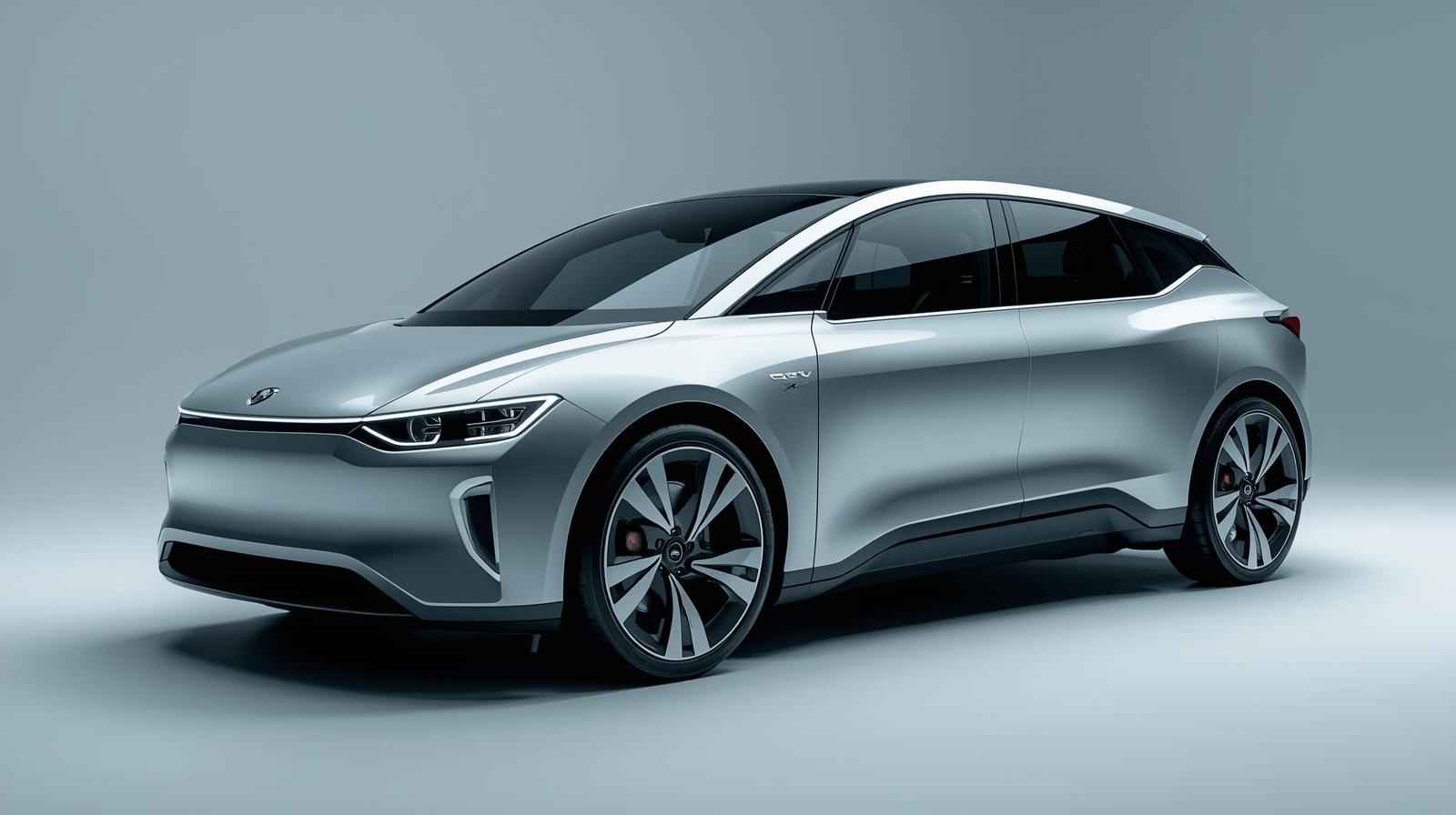
Battery Electric Vehicles (BEVs) are all-electric cars that run entirely on electricity. Unlike hybrids, they have no gasoline engine and rely on large rechargeable batteries to power an electric motor. BEVs can be charged at home chargers or public charging stations, making them a clean and cost-efficient option.
The biggest advantages of BEVs are zero emissions, lower running costs, and smooth driving performance. However, they depend on charging infrastructure and may have a limited driving range compared to fuel cars. As technology improves, BEVs are becoming more popular for eco-friendly and sustainable transportation.
The world of transportation is changing rapidly, and Battery Electric Vehicles (BEVs) are leading the way. With increasing fuel prices, growing concerns about climate change, and government incentives for clean energy, BEVs are becoming the most popular type of electric car.
In this blog, we’ll explore what BEVs are, how they work, their advantages, challenges, and their role in the future of sustainable transportation.
What is a Battery Electric Vehicle (BEV)?
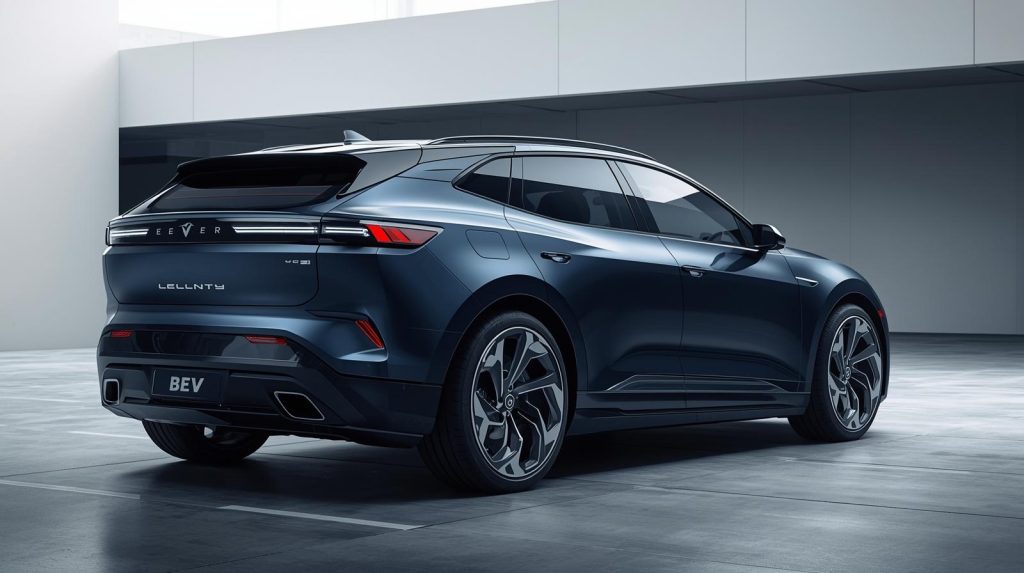
A Battery Electric Vehicle (BEV) is a type of all-electric car that runs only on a rechargeable battery and an electric motor. Unlike hybrid or plug-in hybrid cars, BEVs do not use gasoline at all. Instead, they rely on charging stations or home chargers to power the battery.
BEVs are becoming popular because they produce zero emissions, offer lower running costs, and provide a quiet, smooth driving experience. They are the best choice for drivers looking for eco-friendly and cost-efficient transportation.
These batteries can be charged at home charging stations or public charging points, making BEVs completely independent of traditional fuels.
LSI Keywords: all-electric cars, BEV meaning, fully electric vehicles, zero-emission cars.
How Do Battery Electric Vehicles Work?
Battery Electric Vehicles (BEVs) work by using a large rechargeable battery pack to power an electric motor. The battery stores electricity, which is converted into energy that drives the wheels. Unlike gas-powered cars, BEVs have no fuel tank or exhaust system—they run entirely on electricity.
BEVs can be charged through a home charging station or public EV charger, and they also use regenerative braking to recover energy while driving. This makes them more efficient, eco-friendly, and cost-saving, offering drivers a smooth and quiet ride.
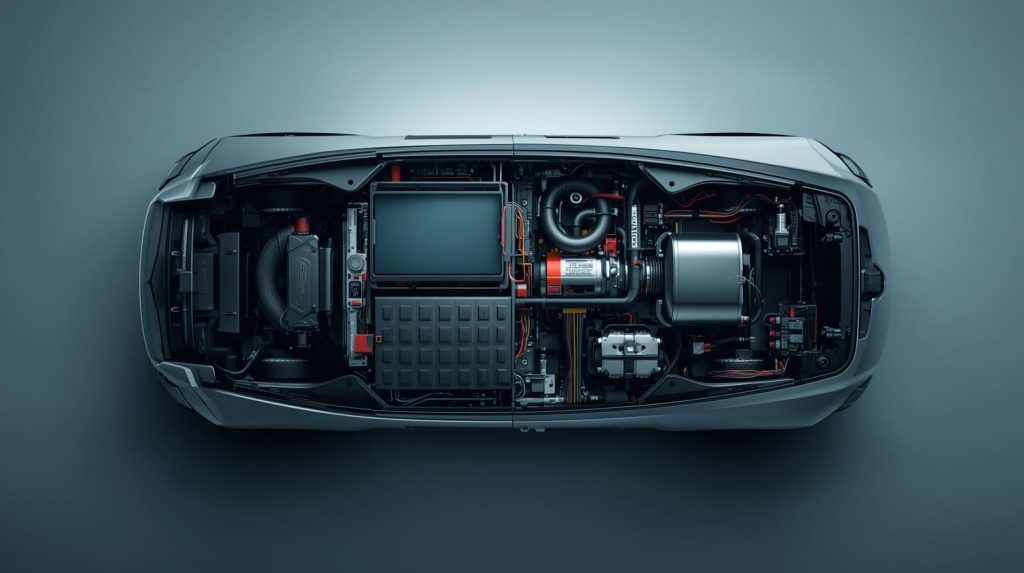
BEVs are simple in design compared to traditional cars. Here’s how they work:
- Battery Pack – Stores electrical energy.
- Electric Motor – Converts the energy into motion.
- Inverter – Changes DC power from the battery into AC power for the motor.
- Charging System – Charges the battery from an external power source.
When you press the accelerator, the electric motor delivers instant torque, giving BEVs a smooth and fast driving experience.
LSI Keywords: BEV technology, how EVs work, electric car battery, EV motor.
Advantages of Battery Electric Vehicles (BEVs)
Battery Electric Vehicles offer multiple benefits that make them attractive to modern drivers:
- Zero Emissions: No tailpipe pollution, making them eco-friendly.
- Lower Running Costs: Electricity is cheaper than gasoline.
- Less Maintenance: Fewer moving parts compared to gas cars.
- Quiet Driving: Smooth, silent operation with instant acceleration.
- Government Incentives: Tax credits, rebates, and reduced registration fees.
LSI Keywords: benefits of BEVs, eco-friendly transportation, EV advantages, cost-saving vehicles.
Challenges of Battery Electric Vehicles
While Battery Electric Vehicles (BEVs) are eco-friendly and cost-efficient, they also face some challenges. One of the biggest issues is limited driving range, which can cause range anxiety for drivers. Charging can also be a concern, as public charging infrastructure is still developing in many regions, and charging takes longer than refueling a gasoline car.
Another challenge is the high upfront cost of BEVs, mainly due to expensive battery packs. Additionally, battery recycling and replacement remain important environmental and economic hurdles. Despite these challenges, continuous improvements in battery technology and EV infrastructure are making BEVs more practical every year.
Despite their benefits, BEVs also face some challenges:
- Limited Range: Most BEVs have shorter driving ranges than gas cars.
- Charging Infrastructure: Public charging stations are still expanding.
- Charging Time: Fast charging is improving but still takes longer than refueling.
- Battery Cost: Replacing large battery packs can be expensive.
LSI Keywords: EV challenges, BEV limitations, electric car charging issues.
Future of Battery Electric Vehicles
The future of BEVs is bright and promising. With advancements in battery technology, BEVs are expected to have longer ranges, faster charging, and lower costs. Governments and automakers are investing heavily in EV infrastructure, making BEVs a mainstream choice in the coming years.
As the demand for sustainable transportation grows, BEVs will play a key role in reducing carbon emissions and creating a cleaner future.
LSI Keywords: future of BEVs, electric mobility, sustainable cars, EV market trends.
FAQs on Battery Electric Vehicles (BEVs)
Q1: What is a Battery Electric Vehicle (BEV)?
A Battery Electric Vehicle (BEV) is a fully electric car powered only by a battery and an electric motor. It produces zero emissions and runs without a gasoline engine.
Q2: How long does it take to charge a BEV?
Charging time depends on the charger type. A standard home charger can take several hours, while fast chargers can charge most BEVs up to 80% in under an hour.
Q3: What is the driving range of a BEV?
Most BEVs today offer a range of 150–350 miles on a full charge, depending on the model and battery size.
Q4: Are BEVs cheaper to maintain than gasoline cars?
Yes. BEVs have fewer moving parts, no oil changes, and less wear on brakes, making them more cost-efficient to maintain.
Q5: What is the future of BEVs?
The future of BEVs looks strong with longer ranges, faster charging, and falling battery costs, making them a mainstream choice for sustainable mobility.
Conclusion
Battery Electric Vehicles (BEVs) are not just cars—they represent a shift toward a cleaner, smarter, and sustainable future. With their zero emissions, lower running costs, and growing accessibility, BEVs are becoming the preferred choice for eco-conscious drivers.
If you’re considering switching to an all-electric vehicle, a BEV may be the perfect option to save money, reduce your carbon footprint, and enjoy a modern driving experience.
SEO Keywords: Battery Electric Vehicles, BEVs, all-electric cars, zero-emission vehicles, advantages of BEVs, future of electric cars.