
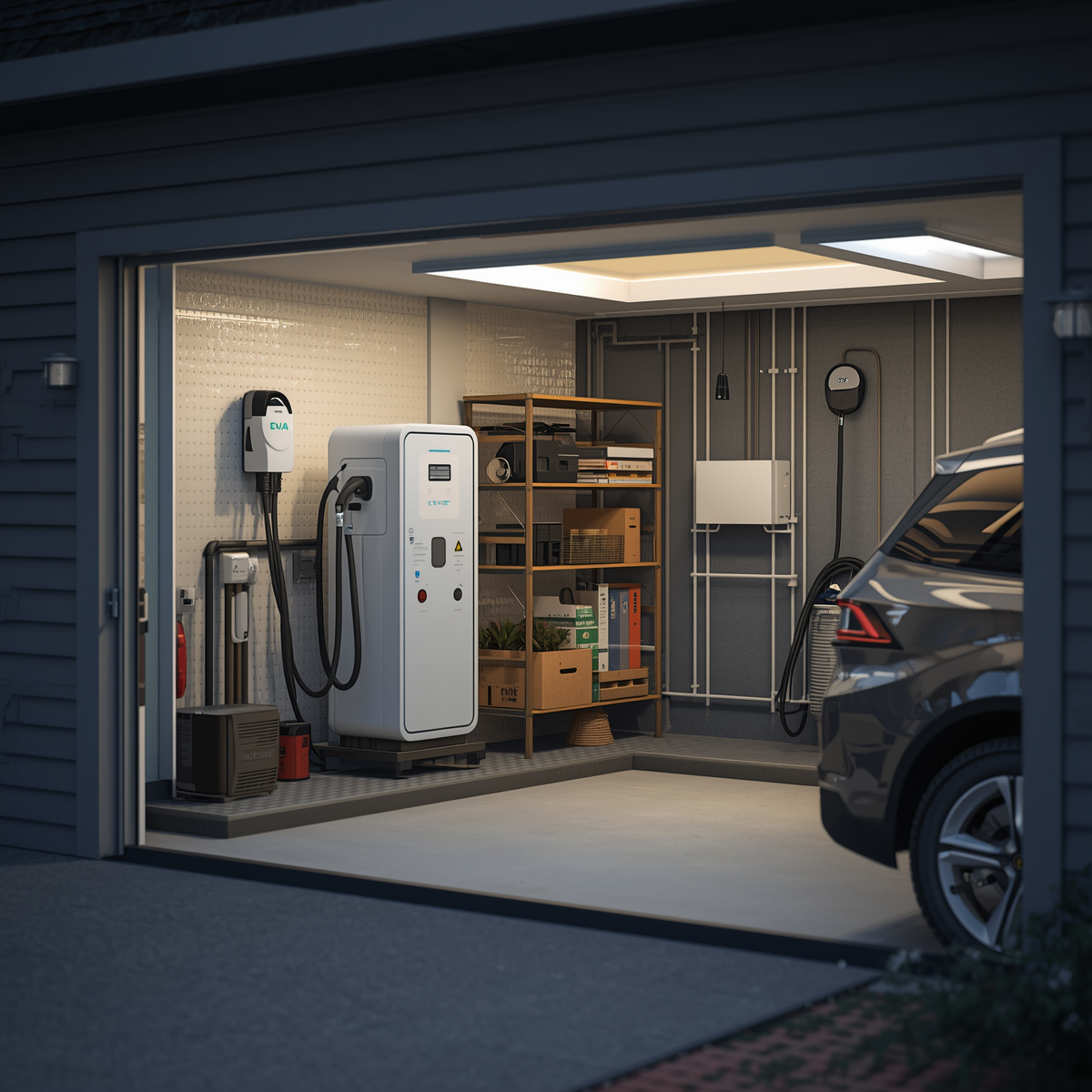
As electric vehicles become more popular around the world, many drivers are considering installing a home charging solution. While public charging stations are widely available, having a dedicated charger at home offers several important advantages. This leads to a common question among EV owners and potential buyers: What are the benefits of an EV charger installation?
Installing an EV charger at home or in a workplace provides convenience, cost savings, faster charging, and improved energy efficiency. It also helps support the growing shift toward sustainable transportation. In this guide, we will explore the benefits of an EV charger installation, how it works, and why it can be a smart long-term investment.
Understanding EV Charger Installation
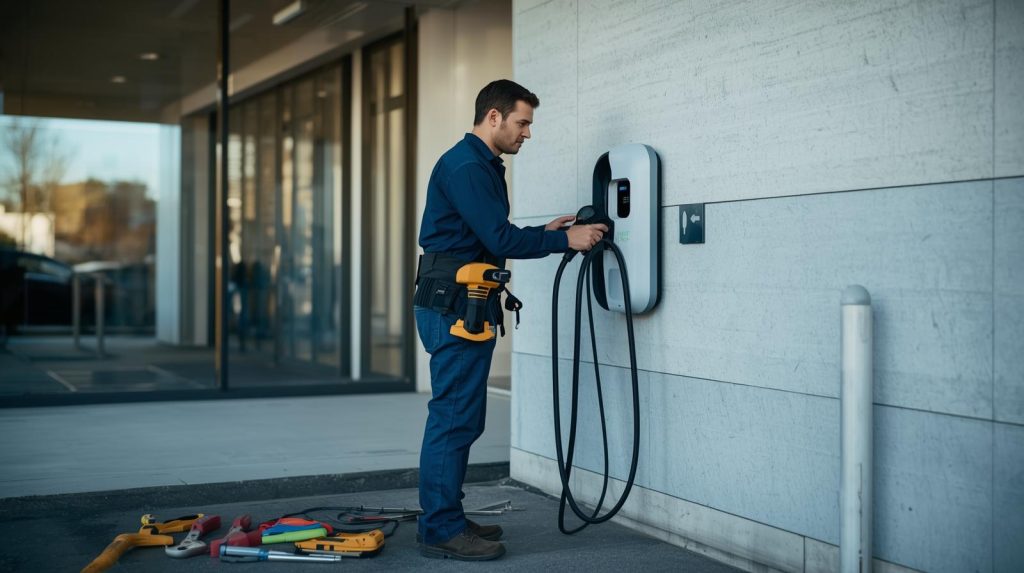
Before discussing the benefits of an EV charger installation, it’s important to understand what installation involves.
An EV charger installation means setting up a dedicated charging station—usually a Level 2 charger—at a home, office, or commercial property. Unlike standard outlets, these chargers provide higher power levels and allow electric vehicles to charge much faster.
Many modern electric vehicles from manufacturers such as Tesla, Nissan, BMW, and Hyundai support Level 2 charging, making home installation a practical option for daily use.
Key Benefits of an EV Charger Installation
Installing an EV charger provides multiple advantages that improve the overall electric vehicle ownership experience.
1. Convenient Home Charging
One of the biggest benefits of an EV charger installation is convenience.
With a home charger, you can charge your vehicle whenever you want without visiting a public charging station. Most EV owners simply plug in their car overnight and wake up to a fully charged battery.
Benefits include:
- Charging at home anytime
- No waiting in line at charging stations
- Always starting the day with a charged vehicle
This convenience makes EV ownership much easier for everyday driving.
2. Faster Charging Speeds
A dedicated EV charger—especially a Level 2 charger—provides significantly faster charging than a standard household outlet.
For example:
- Level 1 charger: Adds about 3–5 miles of range per hour
- Level 2 charger: Adds about 20–40 miles of range per hour
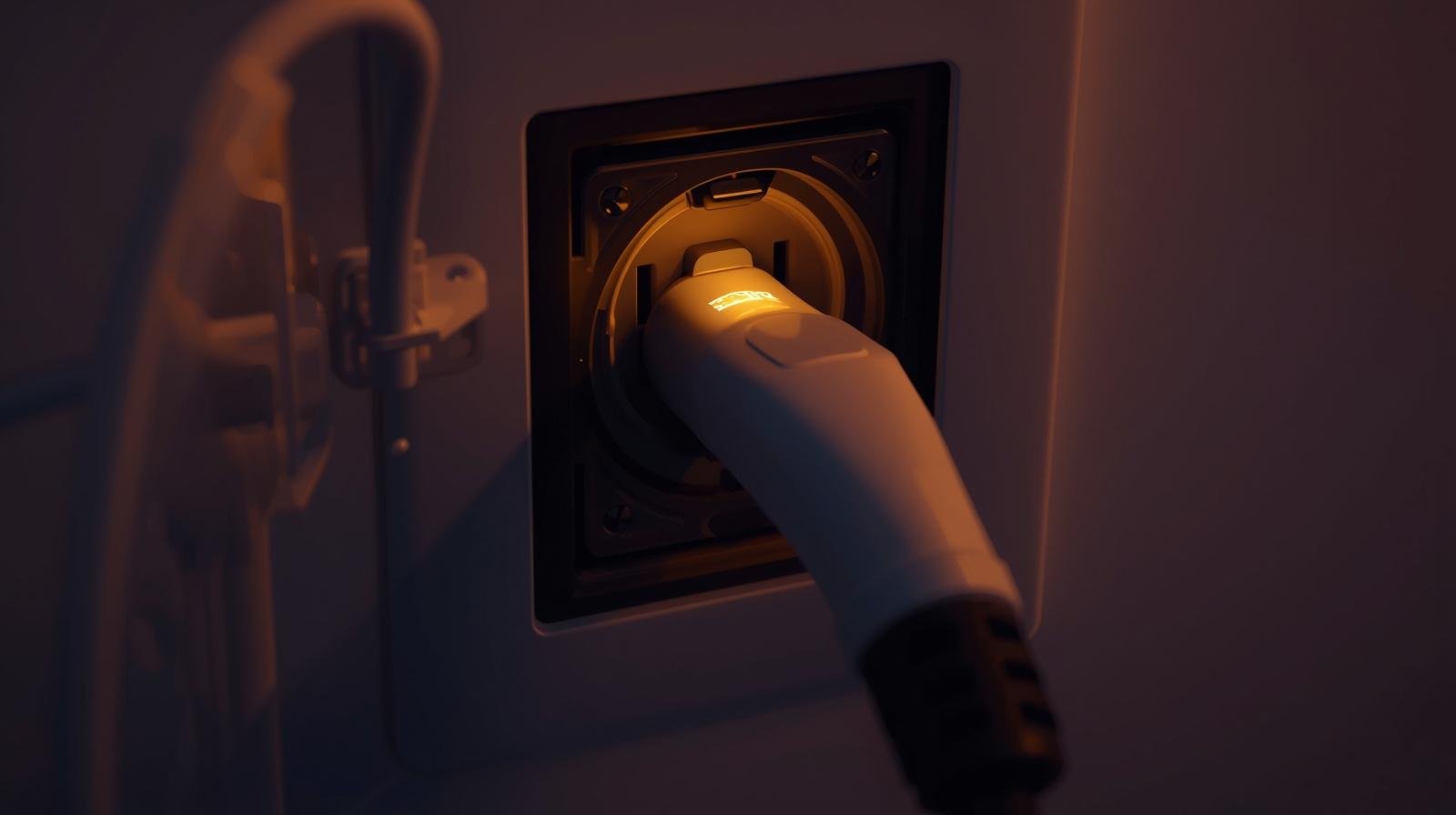
This means most EVs can fully charge overnight with a Level 2 charger, making it ideal for daily use.
3. Lower Charging Costs
Another important benefit of EV charger installation is cost savings.
Charging at home is usually cheaper than using public fast chargers. Electricity rates are often lower, especially during off-peak hours.
By installing a home charger, you can:
- Reduce charging costs
- Avoid higher public charging fees
- Take advantage of cheaper nighttime electricity rates
Over time, these savings can significantly reduce the total cost of owning an EV.
4. Smart Charging Features
Many modern EV chargers come with smart technology that allows users to control and monitor charging through mobile apps.
Smart charging features may include:
- Scheduling charging sessions
- Monitoring energy usage
- Remote control through smartphones
- Integration with home energy systems
These features make charging more efficient and help manage electricity costs.
5. Increased Property Value
Installing an EV charger can increase the attractiveness of your property.
As electric vehicles become more common, many homebuyers look for houses with built-in EV charging infrastructure.
Benefits for homeowners include:
- Increased property appeal
- Potentially higher resale value
- Future-ready home infrastructure
This makes EV charger installation both a practical and long-term investment.
6. Improved Energy Efficiency
Home EV chargers are designed to deliver electricity efficiently and safely to your vehicle’s battery.
Compared to basic outlets, dedicated chargers provide:
- Stable power delivery
- Better energy efficiency
- Reduced energy loss during charging
This helps ensure optimal charging performance.
7. Reduced Dependence on Public Charging Stations
Public charging stations are useful for road trips, but relying on them every day can be inconvenient.
Installing a home charger allows drivers to:
- Avoid long waits at busy charging stations
- Reduce reliance on public infrastructure
- Charge vehicles whenever needed
This added independence is one of the biggest advantages of home EV charging.
8. Compatibility With Renewable Energy
Another major benefit of EV charger installation is the ability to integrate with renewable energy systems.
Homeowners with solar panels can charge their electric vehicles using solar energy.
This offers several advantages:
- Lower electricity costs
- Reduced environmental impact
- Greater energy independence
Charging an EV with renewable energy is one of the most sustainable transportation options available.
9. Enhanced Safety
Professional EV charger installation ensures that the system is installed safely and meets electrical standards.
Dedicated EV chargers include built-in safety features such as:
- Overcurrent protection
- Temperature monitoring
- Automatic shutoff systems
These features help protect both the vehicle and the home’s electrical system.
10. Supporting the Future of Transportation
Installing EV chargers helps support the growing adoption of electric vehicles.
As more drivers switch to EVs, the demand for reliable charging infrastructure continues to increase.
Home charger installation contributes to:
- Reduced greenhouse gas emissions
- Lower reliance on fossil fuels
- A cleaner transportation future
This makes EV charger installation an important step toward sustainable mobility.
Types of EV Chargers for Installation
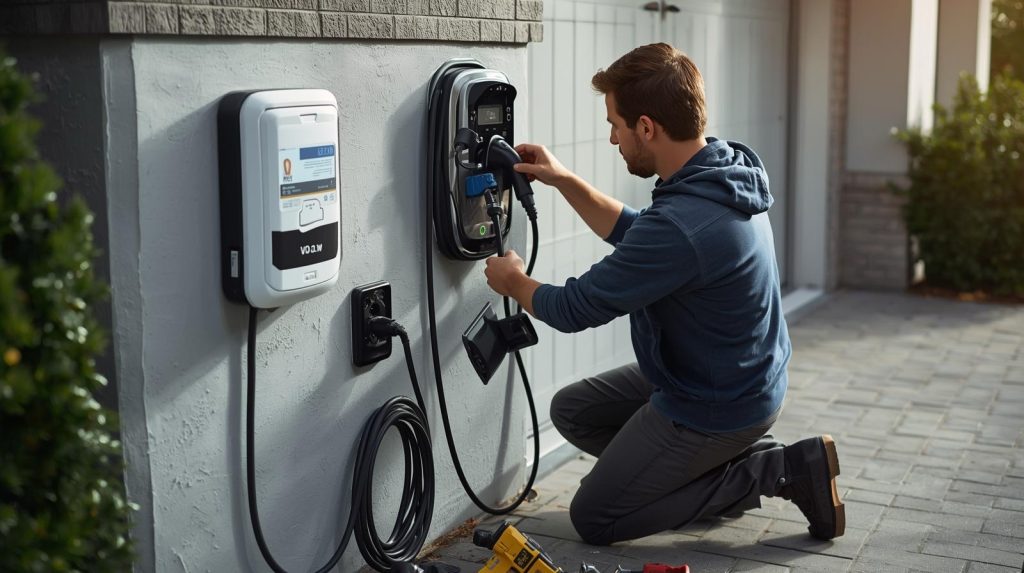
When considering EV charger installation, it’s important to understand the available options.
Level 1 Charger
- Uses a standard household outlet
- Slow charging speed
- Minimal installation required
Level 2 Charger
- Requires a dedicated electrical circuit
- Much faster charging
- Ideal for home and workplace use
Most EV owners prefer Level 2 chargers because they provide faster and more reliable charging.
Tips Before Installing an EV Charger
Before installing an EV charger, consider the following factors:
Electrical Capacity
Your home’s electrical system should be able to support the charger.
Installation Location
Choose a convenient location such as a garage or driveway.
Professional Installation
Hiring a certified electrician ensures safety and compliance with electrical codes.
Future Vehicle Compatibility
Choose a charger that works with different EV models.
The Future of EV Charger Installations
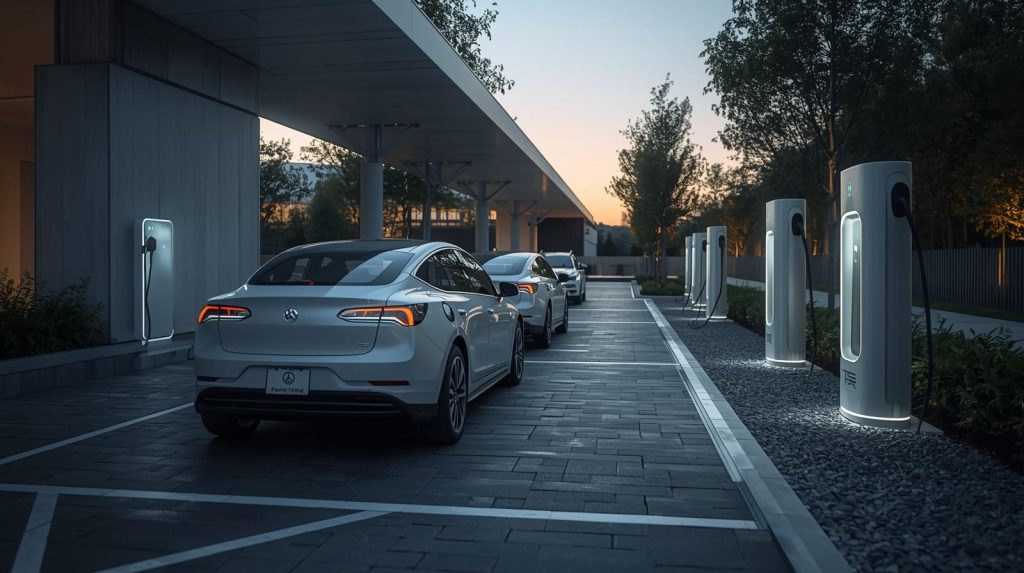
The demand for EV charger installations is expected to grow rapidly in the coming years.
New technologies are making EV charging more efficient and accessible, including:
- Ultra-fast charging systems
- Smart grid integration
- Wireless charging solutions
- Vehicle-to-grid (V2G) technology
These innovations will make EV charging even more convenient and cost-effective.
Conclusion: What Are the Benefits of an EV Charger Installation?
Understanding the benefits of an EV charger installation is essential for anyone considering electric vehicle ownership.
Installing an EV charger provides numerous advantages, including convenience, faster charging speeds, lower energy costs, improved safety, and increased property value. It also supports renewable energy integration and contributes to the transition toward sustainable transportation.
As electric vehicles continue to grow in popularity, installing a home EV charger can be a smart investment that enhances both convenience and long-term savings for EV owners.
Write the FAQs and meta description of the given topic
FAQs: What Are the Benefits of an EV Charger Installation?
1. What are the main benefits of installing an EV charger at home?
Installing an EV charger at home provides convenient charging, faster charging speeds, lower electricity costs, and the ability to charge your vehicle overnight.
2. Is a home EV charger faster than a standard outlet?
Yes. A Level 2 EV charger is much faster than a standard household outlet and can fully charge most electric vehicles overnight.
3. Can installing an EV charger save money?
Yes, charging at home is usually cheaper than using public charging stations. It also allows you to take advantage of lower electricity rates during off-peak hours.
4. Does EV charger installation increase property value?
In many cases, yes. Homes with EV chargers are becoming more attractive to buyers as electric vehicles grow in popularity.
5. Are EV chargers safe to install at home?
Yes, EV chargers are safe when installed by a qualified electrician. They include built-in safety features to protect the vehicle and the electrical system.
6. Can an EV charger work with solar panels?
Yes, many EV chargers can integrate with solar energy systems, allowing homeowners to charge their vehicles using renewable energy.
7. Do I need a professional to install an EV charger?
Yes, professional installation is recommended to ensure the charger is connected safely and meets local electrical codes.
8. What type of EV charger is best for home installation?
Most EV owners prefer Level 2 chargers because they provide faster charging and are ideal for daily use.