
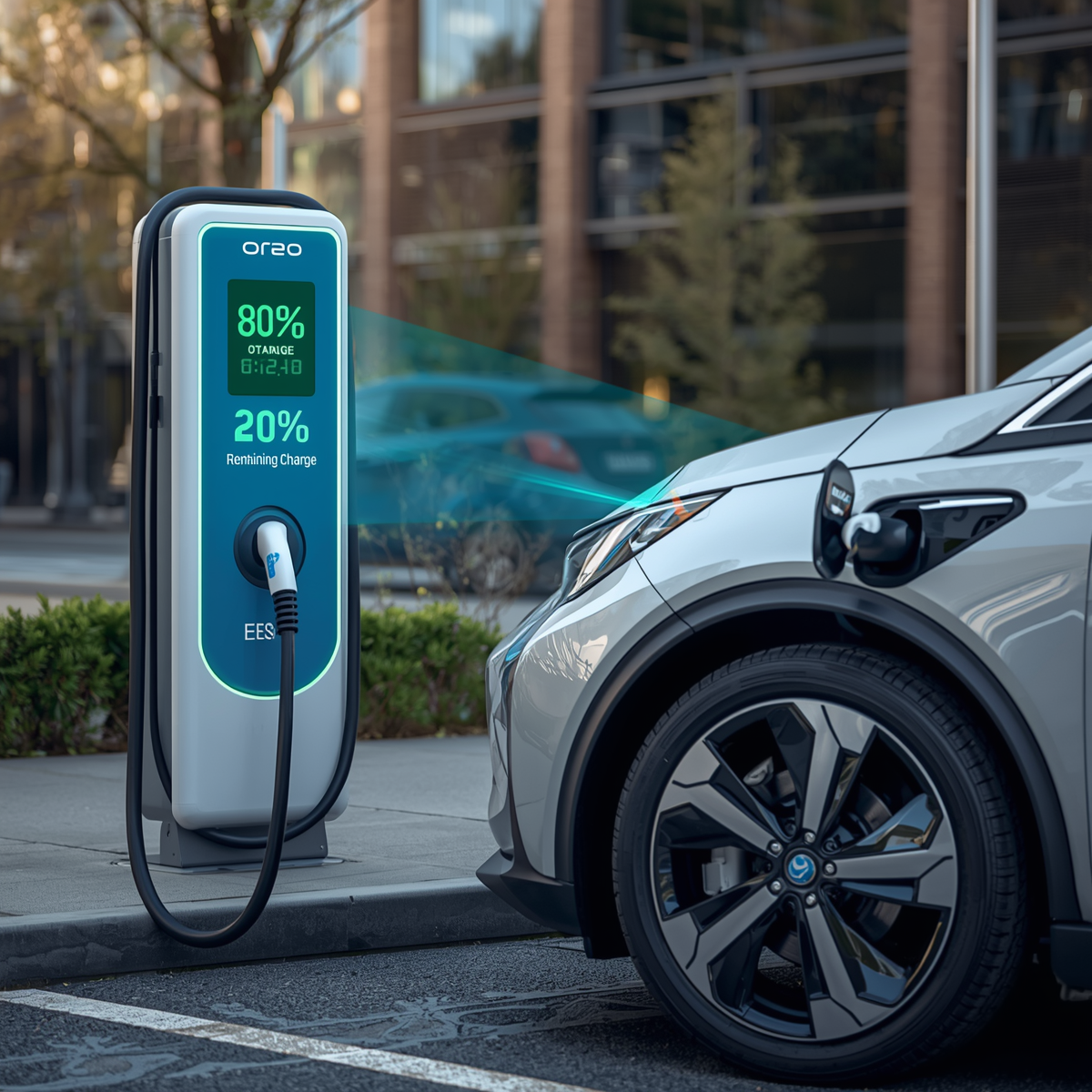
Electric vehicles (EVs) are changing the way we drive. They are cleaner, quieter, and smarter than traditional fuel cars. But just like any modern technology, EVs need proper care—especially when it comes to charging the battery.
One of the smartest and easiest habits you can follow is the 80/20 rule for EV charging. It may sound simple, but it has a powerful impact on your EV’s performance, battery life, and even your wallet.
In this article, we’ll explore the benefits of following the 80/20 rule for EV charging, how it works, and why it’s recommended by experts.
What Is the 80/20 Rule for EV Charging?
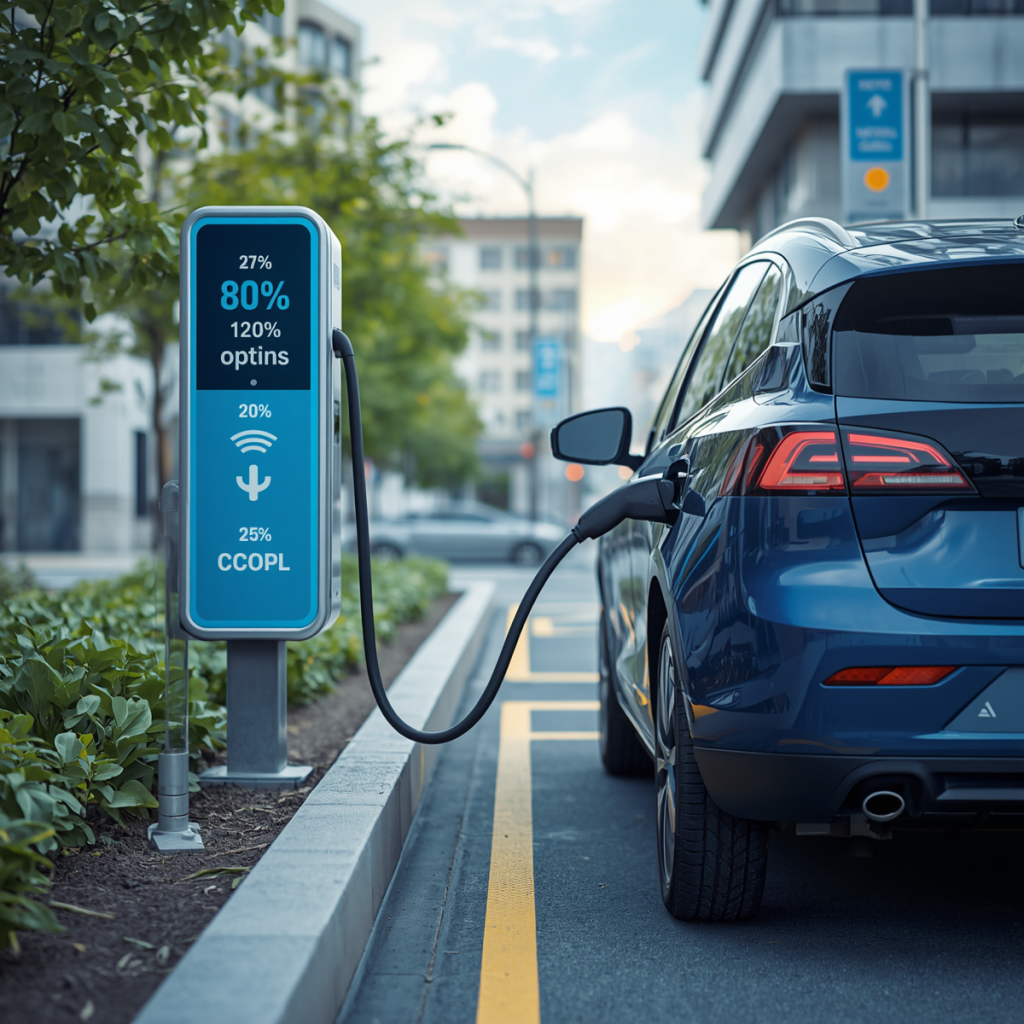
The 80/20 rule for EV charging means keeping your battery charge level between 20% and 80% for daily use.
Instead of:
- Charging your EV to 100% every time
- Or letting the battery drop to 0%
You maintain it within a safe and healthy range.
This rule is based on how lithium-ion batteries work. These batteries perform best when they are not fully charged or fully drained too often.
Think of it like eating healthy—balance is key!
Why Understanding the Benefits of Following the 80/20 Rule for EV Charging Is Important
Many new EV owners believe that charging to 100% is always better. After all, more charge means more range, right?
But in reality, constantly charging to full capacity can:
- Put stress on the battery
- Increase heat
- Reduce long-term performance
That’s why understanding the benefits of following the 80/20 rule for EV charging can help you make smarter decisions and protect your investment.
Benefits of Following the 80/20 Rule for EV Charging: Longer Battery Life
One of the biggest benefits of following the 80/20 rule for EV charging is extending your battery lifespan.
EV batteries are expensive, and replacing them can cost a lot. When you keep your battery between 20% and 80%, you reduce stress on the internal cells.
Over time, this means:
- Slower battery degradation
- More years of usage
- Better long-term reliability
In simple terms, your EV stays healthy for a longer time.
Benefits of Following the 80/20 Rule for EV Charging: Faster Charging Sessions
Charging from 80% to 100% is much slower than charging from 20% to 80%. This happens because EV systems slow down charging speed near full capacity to protect the battery.
By following the 80/20 rule:
- You spend less time waiting
- You get quicker top-ups
- You improve daily convenience
This is especially useful if you have a busy schedule and need fast charging during the day.
Benefits of Following the 80/20 Rule for EV Charging: Improved Efficiency
Another key benefit of following the 80/20 rule for EV charging is better energy efficiency.
When your battery operates within the mid-range:
- Power delivery is smoother
- Energy loss is reduced
- Performance remains stable
Extreme levels (very high or very low) can reduce efficiency over time. Staying in the middle keeps everything balanced.
Benefits of Following the 80/20 Rule for EV Charging: Reduced Heat and Battery Stress
Heat is one of the biggest enemies of EV batteries.
Charging to 100% or using fast chargers frequently can generate excess heat. This heat damages the battery over time.
By following the 80/20 rule:
- You reduce heat buildup
- You lower chemical stress
- You protect battery health
This helps your EV stay safer and perform better in the long run.
Benefits of Following the 80/20 Rule for EV Charging: Lower Charging Costs
Saving money is another great reason to adopt this rule.
When you charge smartly:
- You avoid unnecessary full charges
- You reduce energy waste
- You can take advantage of off-peak electricity
Over months and years, these savings can become significant.
Benefits of Following the 80/20 Rule for EV Charging: Better Daily Driving Experience
Most people don’t need a full charge every day.
For example:
- School or office commute
- Grocery shopping
- Short city trips
An 80% charge is usually more than enough.
By following the 80/20 rule:
- You reduce the charging frequency
- You avoid range anxiety
- You enjoy a smoother driving experience
It’s all about using your EV efficiently for your real needs.
Benefits of Following the 80/20 Rule for EV Charging: Higher Resale Value
If you plan to sell your EV in the future, battery health plays a big role.
Buyers prefer vehicles with:
- Strong battery performance
- Stable range
- Less degradation
Following the 80/20 rule helps maintain these qualities, which can increase your car’s resale value.
Benefits of Following the 80/20 Rule for EV Charging: Environmentally Friendly Driving
EVs are already eco-friendly, but proper charging habits make them even better.
When you protect your battery:
- You reduce the need for replacements
- You lower electronic waste
- You improve overall energy efficiency
This supports a more sustainable future.
When Should You Charge Above 80%?
While the 80/20 rule is great for daily use, there are times when charging to 100% is useful.
Long Road Trips
If you’re traveling long distances, you’ll need maximum range.
Emergency Situations
An extra charge can be helpful when you’re unsure about the next charging station.
Occasional Full Charge
Charging to 100% sometimes helps the system recalibrate battery readings.
Just remember: don’t keep your EV at 100% for too long.
When Is It Okay to Go Below 20%?
Going below 20% occasionally is not harmful.
However, doing it frequently can:
- Increase battery wear
- Reduce lifespan
Try to recharge before the battery gets too low.
How to Easily Follow the 80/20 Rule for EV Charging
Here are some simple tips to make this habit part of your routine:
Set Charging Limits
Most EVs allow you to limit charging to 80% using built-in settings.
Use Smart Charging Apps
Apps can help schedule charging times and monitor battery levels.
Charge Overnight
Keep your EV within the ideal range while you sleep.
Avoid Overusing Fast Chargers
Use fast charging only when needed, not daily.
Common Myths About EV Charging
Myth 1: “Charging to 100% is always better.”
Not true. It can reduce battery life if done regularly.
Myth 2: “Letting the battery drain completely is good.”
This applies to old batteries, not modern EVs.
Myth 3: “80% is not enough”
For most daily driving, 80% is more than enough.
Final Thoughts on the Benefits of Following the 80/20 Rule for EV Charging
The benefits of following the 80/20 rule for EV charging are clear and practical. It’s a simple habit that can make a big difference in how your electric vehicle performs over time.
By keeping your battery between 20% and 80%, you can:
- Extend battery life
- Save time during charging
- Improve efficiency
- Reduce costs
- Enjoy a better driving experience
You don’t have to follow it perfectly every day, but using it as a general rule will help you get the most out of your EV.
In the end, smart charging is not just about convenience—it’s about protecting your investment and driving smarter for the future.
FAQs: Benefits of Following the 80/20 Rule for EV Charging
1. What is the 80/20 rule for EV charging?
The 80/20 rule means keeping your EV battery charge between 20% and 80% for daily use. This helps reduce battery stress and improves long-term performance.
2. Why should I avoid charging my EV to 100% every day?
Charging to 100% regularly can increase battery wear and heat, which may reduce its lifespan over time. It’s better to reserve full charging for long trips or special situations.
3. Is it harmful to let my EV battery drop below 20%?
Occasionally going below 20% is fine, but doing it frequently can damage the battery and reduce its overall lifespan.
4. Does the 80/20 rule really extend battery life?
Yes, following the 80/20 rule helps slow down battery degradation, allowing your EV battery to last longer and perform better.
5. Can I use fast charging while following the 80/20 rule?
Yes, but it’s best to use fast charging only when necessary. Frequent fast charging can generate heat and increase battery stress.
6. Is 80% charge enough for daily driving?
For most people, 80% is more than enough for daily commutes, errands, and city driving.
7. When should I charge my EV to 100%?
You can charge to 100% for long trips, emergencies, or occasionally to help the battery management system stay accurate.
8. Do all electric vehicles support charging limits?
Most modern EVs allow you to set a charging limit (like 80%) through the car settings or mobile apps.