
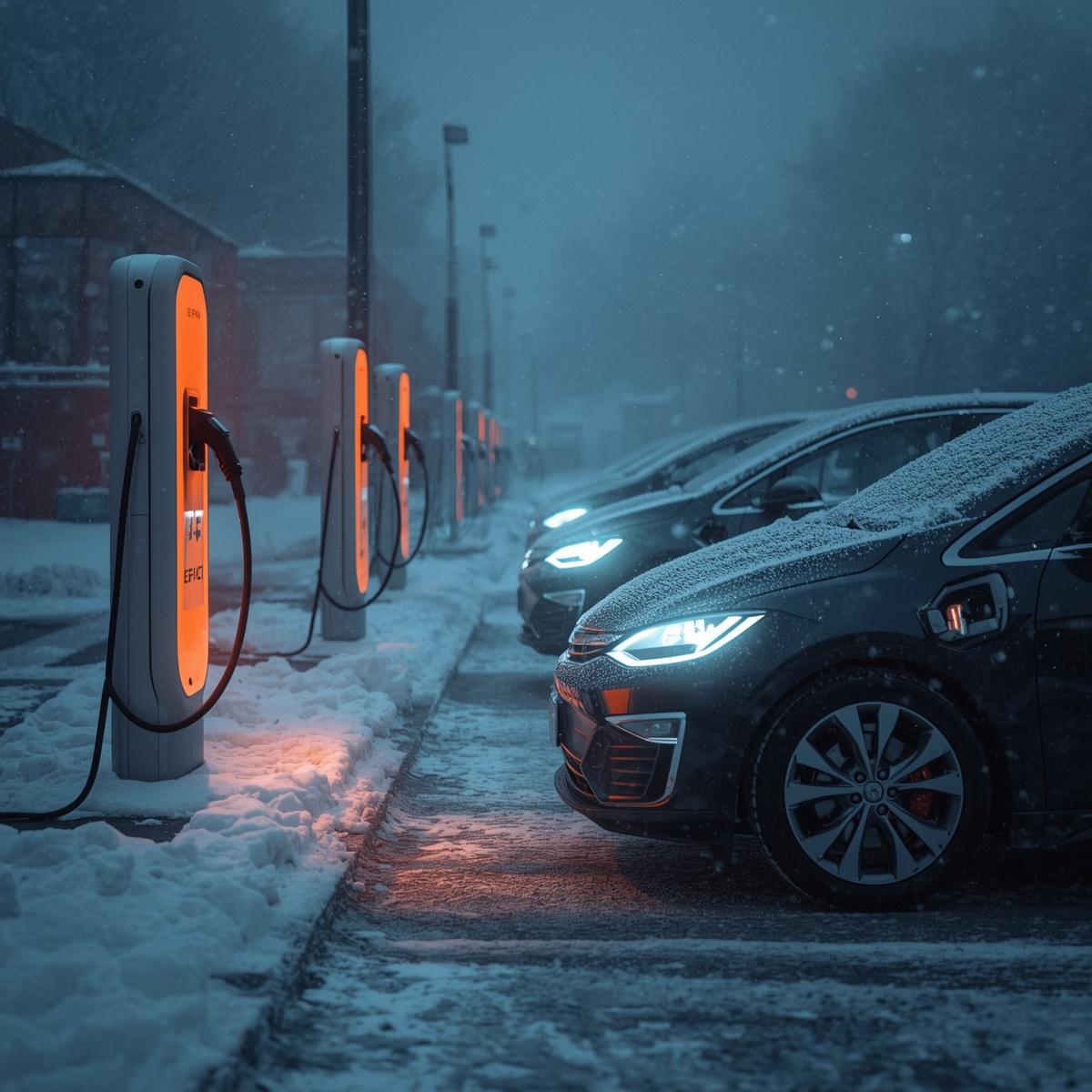
Electric vehicles (EVs) are growing fast—but one question still worries many drivers:
Do electric cars lose charge in cold weather?
The short answer is yes—but not as much as many people think. In this guide, you’ll learn exactly how much range is lost, why it happens, and most importantly, how to reduce it.
Let’s break it down in the simplest way possible
Why Cold Weather Affects EV Batteries
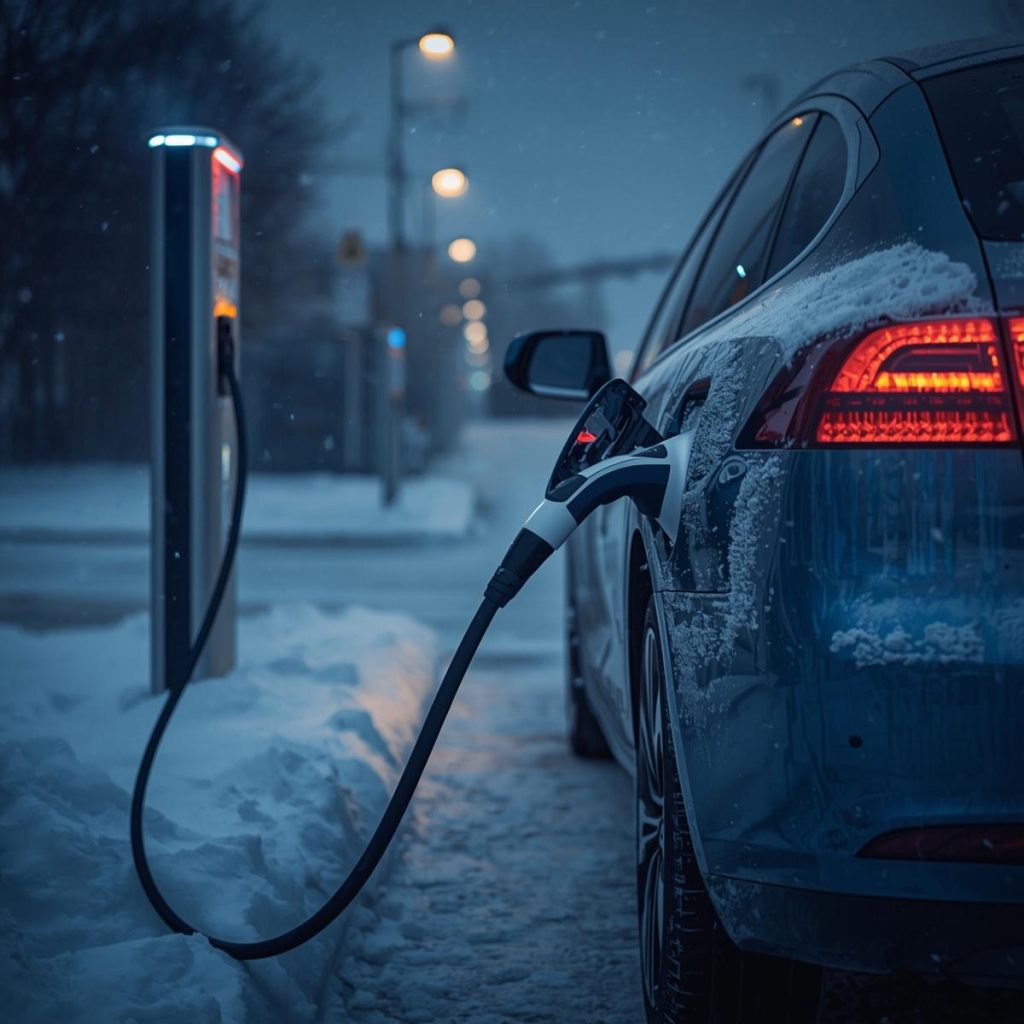
To understand this, think of your phone battery—it also drains faster in winter, right? EV batteries behave the same way.
Battery Chemistry (Simple Explanation)
Electric cars use lithium-ion batteries. These batteries rely on chemical reactions to produce energy.
In cold weather:
- The chemical reactions slow down
- The battery becomes less efficient
- Energy output is reduced
Result: Less driving range
Temperature Sensitivity of Lithium-Ion Batteries
Lithium-ion batteries work best between:
- 20°C to 25°C (ideal range)
When temperatures drop:
- Internal resistance increases
- Energy delivery becomes slower
- Charging takes longer
That’s why your EV may feel “sluggish” in extreme cold.
Real-World Winter Range Loss (With Data & Examples)
Let’s look at what actually happens on the road.
EV Range Loss by Brand (Approximate)
- Tesla models: 15%–30% loss in winter
- Nissan Leaf: 20%–35% loss
- Hyundai Kona Electric: 15%–25% loss
These numbers vary based on:
- Driving speed
- Heating usage
- Road conditions
City vs Highway Driving in Winter
City Driving:
- More efficient
- Regenerative braking helps recover energy
- Lower range loss
Highway Driving:
- Faster speeds = more battery drain
- Constant heating use
- Higher range loss
Tip: Winter driving is more efficient in cities than on highways.
Do Electric Cars Lose Charge While Parked in Winter?
Yes, but the amount is usually small.
This is often called phantom drain.
What Causes Battery Drain While Parked?
Even when parked, your EV may use energy for:
- Battery temperature management
- Mobile app connectivity
- Security systems
How Much Charge Is Lost?
- Normal conditions: 1–2% per day
- Extreme cold: 2–5% per day
- With features like “Sentry Mode”: even more
Important: This is still very low compared to fuel evaporation in gas cars.
EV Range Loss by Temperature (Real Comparison)
Here’s a simple breakdown:
| Temperature | Estimated Range Loss |
|---|---|
| 0°C | 10% – 20% |
| -10°C | 20% – 30% |
| -20°C | 30% – 40% |
The colder it gets, the more energy is used for:
- Heating the cabin
- Warming the battery
Charging Speed in Cold Weather – What Changes?
Cold weather doesn’t just affect range—it also impacts charging speed.
Slow Charging Issues
- Charging can take longer
- The battery must warm up before accepting full power
Fast Charging Limitations
Even fast chargers slow down in winter:
- Charging speed may drop significantly
- EV software may limit charging to protect the battery
That’s why preconditioning (warming the battery) is very important.
10 Proven Ways to Maximize EV Range in Winter
Here are simple, powerful tips that really work:
1. Precondition Your Car
Warm the battery before driving while plugged in.
2. Park Indoors
Use a garage to reduce cold exposure.
3. Keep Your EV Plugged In
This helps maintain battery temperature.
4. Use Seat Heaters Instead of Cabin Heat
Seat heaters use less energy.
5. Drive Smoothly
Avoid sudden acceleration and braking.
6. Check Tire Pressure
Cold air reduces tire pressure, increasing drag.
7. Plan Your Trips
Combine errands to reduce multiple cold starts.
8. Limit Fast Charging in Extreme Cold
Use it wisely to protect battery health.
9. Turn Off Unnecessary Features
Disable remote access or monitoring if not needed.
10. Avoid Letting Battery Drop Too Low
Keep it above 20% in winter.
Myths vs Facts About EVs in Cold Weather
Let’s clear up some common confusion:
Myth: EVs don’t work in winter
Fact: EVs work fine—even in extreme cold countries like Norway
Myth: Batteries die instantly in cold
Fact: Range reduces, but cars still function normally
Myth: EVs are worse than gas cars in winter
Fact: Both lose efficiency, but EVs can recover energy through braking
Are EVs Reliable in Extreme Cold?
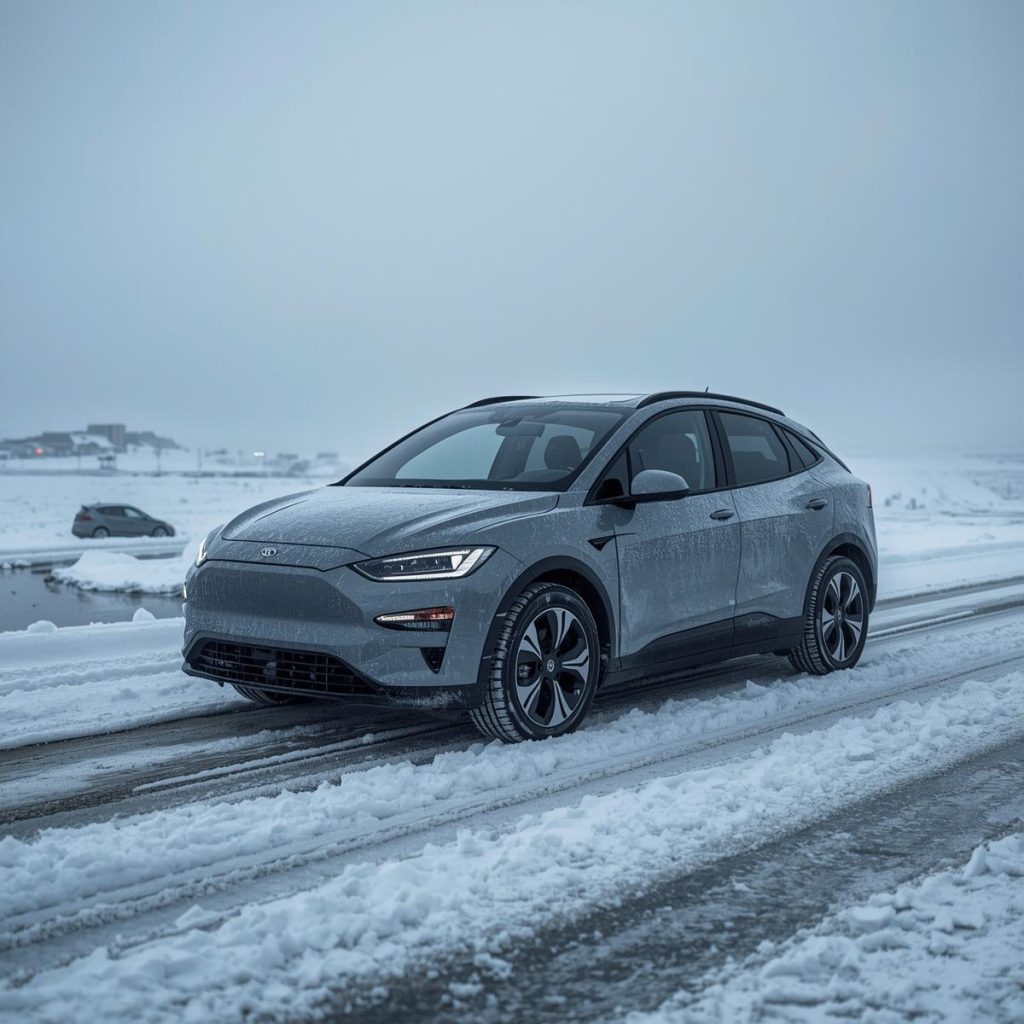
Yes—modern EVs are designed to handle cold climates.
In fact:
- Countries like Norway (very cold) have high EV adoption
- EV makers include battery thermal management systems
- Software updates improve winter performance every year
Final verdict:
EVs are reliable in cold weather—but require smarter usage.
FAQs: Do Electric Cars Lose Charge in Cold Weather?
1. Do electric cars lose charge faster in winter?
Yes, EVs lose range faster in winter due to battery chemistry and heating usage.
2. How much range do EVs lose in cold weather?
Typically 10% to 40%, depending on temperature and driving habits.
3. Do EV batteries drain when parked?
Yes, but only slightly—usually 1–3% per day.
4. Can you charge an EV in freezing temperatures?
Yes, but charging may be slower unless the battery is warmed up.
5. How can I improve EV range in winter?
Precondition the battery, drive smoothly, reduce heating use, and keep the car plugged in.
Conclusion: Do Electric Cars Lose Charge in Cold Weather?
So, do electric cars lose charge in cold weather?
Yes—but it’s manageable.
With the right habits, you can:
- Reduce range loss
- Improve charging speed
- Drive confidently even in freezing conditions
EV technology is improving fast, and winter performance is getting better every year.
Bottom line:
Cold weather is not a dealbreaker—it’s just something to understand and prepare for.