
Electric vehicles (EVs) are built to handle all kinds of weather—but when summer arrives, many drivers start asking:
Does an EV battery drain faster in summer?
If you live in the United States, where temperatures can rise above 100°F (38°C) in states like Texas, Arizona, or California, this question becomes even more important.
The short answer is: Yes, EV batteries can drain faster in summer—but not for the reason most people think.
In this complete guide, we’ll break everything down in a simple and easy way. You’ll learn how heat affects EV batteries, what causes extra energy use, and how to keep your battery performing at its best during hot weather.
Does EV Battery Drain Faster in Summer?
Yes, EV batteries can drain slightly faster in summer.
But here’s the important part:
- It’s not mainly the heat that damages the battery instantly
- It’s the extra energy used to keep the battery cool and run air conditioning
So, the battery itself isn’t “failing”—your car is just working harder to stay safe and comfortable.
Why Does EV Battery Drain Faster in Summer?
To understand why EV battery drain increases in summer, let’s look at what’s happening inside your car.
1. Battery Cooling Systems Use Extra Energy
EV batteries don’t like extreme heat. To protect them, your car uses a thermal management system.
In hot weather:
- The system actively cools the battery
- This process uses electricity
Result: More energy consumption, which reduces your driving range.
2. Air Conditioning Increases Power Usage
Summer means one thing—air conditioning (AC).
Running AC:
- Uses battery power
- Can reduce range by 10% to 20%
The hotter it gets, the harder your AC works.
3. High Temperatures Affect Battery Efficiency
While EV batteries perform best in moderate temperatures, extreme heat can:
- Reduce efficiency slightly
- Increase internal resistance
- Cause faster energy usage
4. Charging in Hot Weather Is Less Efficient
Charging your EV in very hot conditions can:
- Generate more heat
- Slow down the charging speed
- Reduce efficiency
This doesn’t damage your battery instantly, but it can affect performance.
Does EV Battery Drain Faster in Summer Compared to Winter?
This is a common confusion.
EV batteries actually lose more range in winter than in summer.
Here’s why:
| Season | Impact on EV Battery |
|---|---|
| Summer | Moderate range loss (10–20%) |
| Winter | Higher range loss (20–40%) |
In winter:
- Heating systems use more energy
- Cold reduces battery efficiency
In summer:
- Loss is smaller but still noticeable
So yes, EV battery drains faster in summer—but winter is usually worse.
How Much Range Do You Lose in Summer?
Let’s look at real-world numbers for U.S. drivers.
Average Range Loss in Summer:
- Mild heat (80–90°F): 5–10% loss
- High heat (90–100°F): 10–15% loss
- Extreme heat (100°F+): 15–25% loss
Example:
If your EV normally gives 300 miles:
- In extreme heat → around 240–270 miles
This is still manageable for most daily driving needs.
Does EV Battery Drain Faster in Summer While Parked?
Yes, but only slightly.
When your EV is parked in hot weather:
- The battery cooling system may activate
- Background systems continue running
Result:
- Small battery drain (1–3% per day)
Parking in direct sunlight increases this effect.
Factors That Increase EV Battery Drain in Summer
Not all EVs experience the same level of battery drain. Several factors play a role:
1. Extreme Heat Exposure
Leaving your car:
- In direct sunlight
- In very hot areas
Increases cooling demand and battery usage.
2. Driving Habits
- Fast acceleration
- High-speed driving
Use more energy and generate more heat.
3. Heavy AC Usage
Running AC at maximum:
- Drains battery faster
4. Frequent Fast Charging
Fast charging in hot weather:
- Generates additional heat
- Increases energy loss
5. Battery Size and Technology
Larger batteries:
- Handle heat better
Newer EVs:
- Have advanced cooling systems
Does EV Battery Drain Faster in Summer Across All EV Brands?
Not exactly.
Different EV brands handle heat differently.
Advanced EVs (e.g., Tesla, Ford, Hyundai)
- Strong cooling systems
- Better heat management
- Less noticeable range loss
Older or Budget EVs
- Simpler cooling systems
- Slightly higher energy loss
Overall, modern EVs are designed to handle U.S. summer conditions very well.
How to Reduce EV Battery Drain in Summer (Practical Tips)
The good news? You can easily reduce summer battery drain with smart habits.
Park in the Shade or Garage
Avoid direct sunlight whenever possible.
This reduces heat buildup and cooling demand.
Pre-Cool Your Car While Charging
Use your EV app to:
- Turn on the AC before driving
- While the car is still plugged in
Saves battery energy.
Use Moderate AC Settings
Instead of maximum cooling:
- Set a comfortable temperature
- Use eco mode if available
Avoid Charging in Extreme Heat
Try to charge:
- Early morning
- Late evening
Improves efficiency and protects the battery.
Drive Smoothly
Avoid:
- Sudden acceleration
- High-speed driving
Improves efficiency and reduces heat.
Keep Battery Between 20% and 80%
This helps:
- Reduce stress
- Improve long-term battery health
Long-Term Effects of Summer Heat on EV Batteries
Now let’s answer an important concern:
Does summer heat permanently damage EV batteries?
Short Answer:
- Not immediately
Long-Term:
- Repeated exposure to extreme heat over the years
- May slightly increase battery degradation
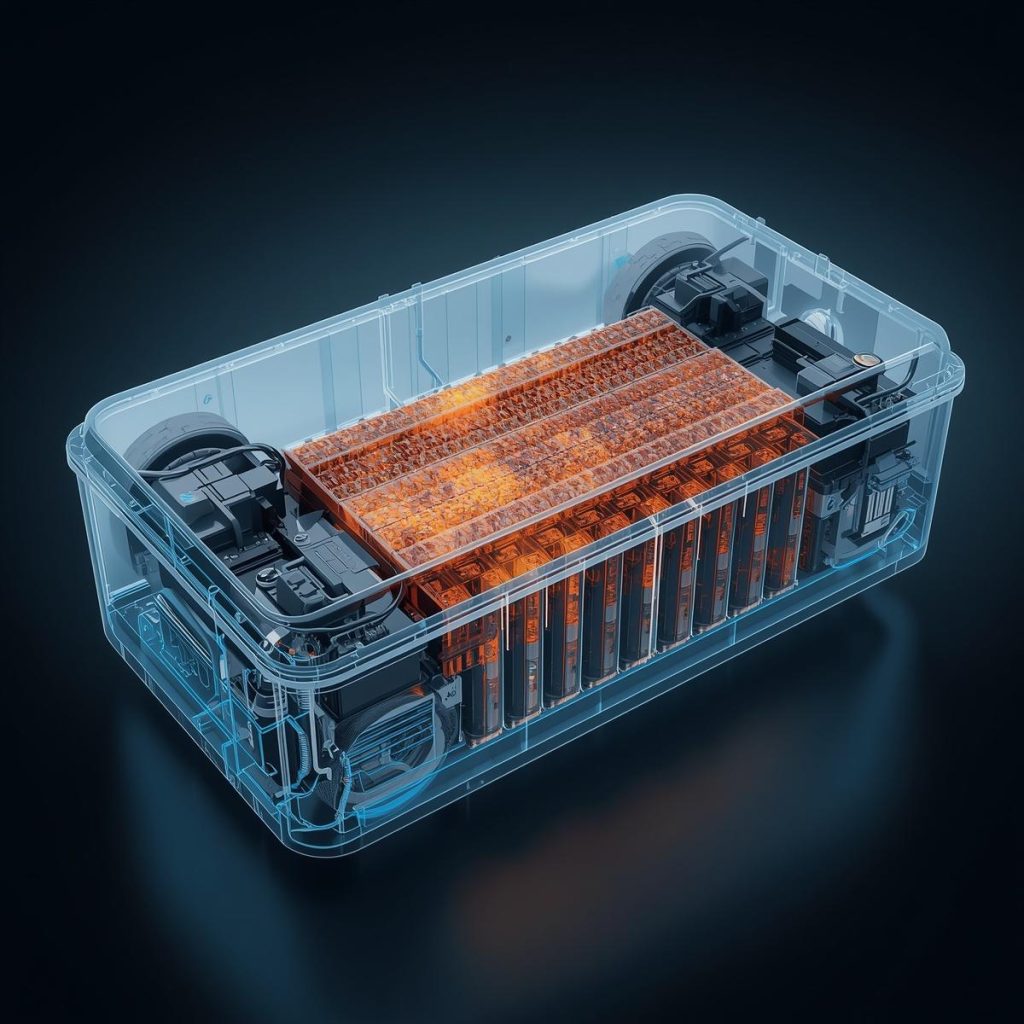
But don’t worry—modern EVs are designed with:
- Cooling systems
- Smart battery management
So long-term damage is minimal if you follow good habits.
Common Myths About EV Batteries in Summer
Myth 1: Heat destroys EV batteries quickly
False. Modern EVs are built to handle heat safely.
Myth 2: You shouldn’t drive EVs in hot weather
Not true. EVs work perfectly fine in summer.
Myth 3: Summer is worse than winter for EVs
Wrong. Winter usually causes more range loss.
Final Verdict: Does EV Battery Drain Faster in Summer?
So, does an EV battery drain faster in summer?
Yes—but only slightly, and it’s completely normal.
The main reasons are:
- Battery cooling systems
- Air conditioning usage
- High temperatures
The Bottom Line
- Summer range loss: 10–20% (on average)
- Winter range loss: higher than summer
- EVs are designed to handle heat safely
With smart habits, you can easily manage and reduce battery drain.
Conclusion
Electric vehicles are built for real-world conditions—including hot summers across the United States.
While it’s true that EV battery drain increases slightly in summer, it’s not something to worry about. With simple steps like parking in the shade, using smart charging, and driving efficiently, you can keep your EV running smoothly.
In the end, EVs remain reliable, efficient, and perfectly suited for summer driving.
FAQs: Does EV Battery Drain Faster in Summer?
1. Does an EV battery drain faster in summer?
Yes, EV batteries can drain slightly faster in summer due to air conditioning use and battery cooling systems, but the effect is usually moderate.
2. How much range is lost in summer heat?
Most EVs lose around 10% to 20% range in hot weather. In extreme heat (above 100°F), the loss can go up to 25%.
3. Is summer or winter worse for EV battery range?
Winter is generally worse. Cold weather can reduce EV range by 20% to 40%, which is higher than summer losses.
4. Does air conditioning drain the EV battery quickly?
Yes, using AC consumes energy and can reduce range by 10% to 20%, depending on how often and how strongly it’s used.
5. Can heat damage an EV battery permanently?
Not immediately. Modern EVs have advanced cooling systems that protect the battery. However, long-term exposure to extreme heat may slightly increase battery wear.
6. Does an EV battery drain faster in summer when parked?
Yes, but only slightly. The battery may lose 1% to 3% per day due to cooling systems and background functions.
7. How can I reduce EV battery drain in summer?
You can reduce drain by:
- Parking in the shade or a garage
- Pre-cooling the car while charging
- Using moderate AC settings
- Charging during cooler times of the day
8. Is it safe to charge an EV in hot weather?
Yes, it is safe. However, it’s better to charge during early morning or evening to improve efficiency and reduce heat stress.