
Electric cars (EVs) are becoming more popular across the United States. From California to New York, more people are switching to EVs because they are eco-friendly, quiet, and cheaper to run.
But let’s be honest—no technology is perfect.
So, what is the biggest weakness of the electric car?
If you’re thinking about buying an EV, this is one of the most important questions to ask.
In this complete guide, we’ll break it down in a simple and easy way. You’ll learn the main weakness of electric cars, along with other challenges, and whether they really matter in real life.
What Is the Biggest Weakness of the Electric Car?
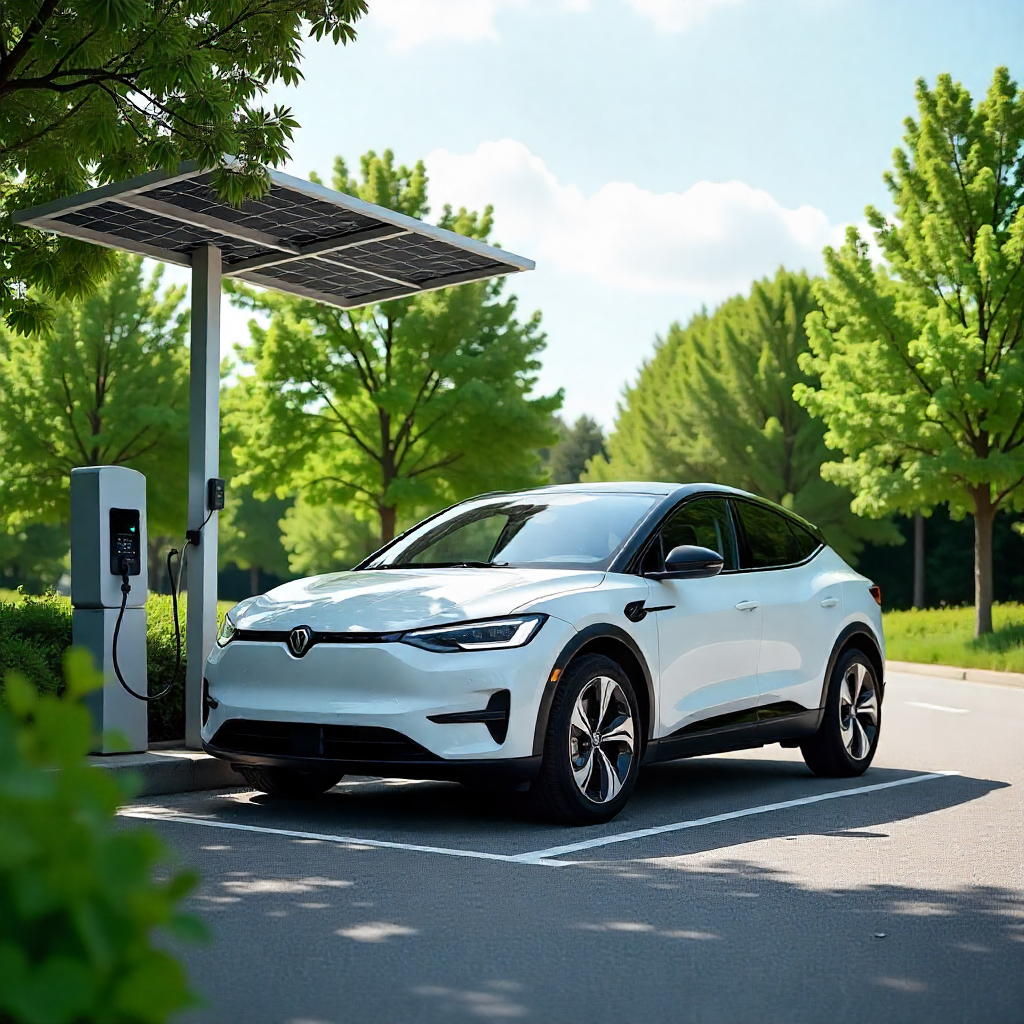
The biggest weakness of electric cars is the limited charging infrastructure and longer charging time compared to gasoline cars.
In simple terms:
- Gas cars take 5 minutes to refuel
- EVs can take 30 minutes to several hours to charge
This difference can be inconvenient—especially on long trips.
Why Is Charging the Biggest Weakness of the Electric Car?
Let’s understand why charging is considered the biggest drawback.
1. Charging Takes Time
Even with fast chargers:
- 20% to 80% charge → 20–40 minutes
- Full charge at home → 6–10 hours
Compared to gas cars, this is a big difference.
For daily use, it’s fine. But for long trips, it requires planning.
2. Charging Stations Are Not Everywhere
While the U.S. is expanding EV infrastructure, there are still gaps.
- Cities → good charging access
- Rural areas → limited options
This can cause “range anxiety,” especially for new EV owners.
3. Waiting Time at Chargers
Sometimes:
- Chargers are busy
- You may have to wait
This adds extra time to your journey.
What Is the Biggest Weakness of the Electric Car for Long Trips?
Long-distance travel highlights EV limitations more clearly.
Planning Is Required
Unlike gas cars, you can’t just stop anywhere.
You need to:
- Plan charging stops
- Check station availability
- Consider charging time
Limited Fast Charging Availability
Not all chargers are fast chargers.
Some stations may take hours instead of minutes.
Range Limitations
Most EVs offer:
- 250 to 350 miles per charge
This is enough for daily use, but long trips require stops.
Other Weaknesses of Electric Cars You Should Know
While charging is the biggest weakness, there are a few other important points.
1. Higher Upfront Cost
EVs can be more expensive to buy than gas cars.
However:
- Tax credits and incentives help
- Lower running costs balance it over time
2. Battery Degradation Over Time
EV batteries slowly lose capacity.
- Around 1%–3% per year
This means a slightly reduced range over time.
3. Charging at Home Is Not Always Easy
If you live in:
- Apartments
- Older homes
Installing a charger may be difficult.
4. Weather Impact on Range
Extreme weather affects EV performance:
- Cold → higher range loss
- Heat → moderate efficiency drop
What Is the Biggest Weakness of the Electric Car Compared to Gas Cars?
Let’s compare EVs with traditional gasoline vehicles.
| Feature | Electric Cars (EVs) | Gas Cars |
|---|---|---|
| Refueling Time | 30 min to hours | 5 minutes |
| Fuel Availability | Limited in some areas | Widely available |
| Maintenance | Low | Higher |
| Running Cost | Low | Higher |
| Environmental Impact | Eco-friendly | Polluting |
The biggest difference is still charging convenience.
Is the Biggest Weakness of the Electric Car a Deal Breaker?
Not necessarily.
For most people, EVs work perfectly fine.
For Daily Use
EVs are excellent:
- Charge overnight at home
- No need to visit gas stations
- Lower cost per mile
For Long Trips
There are challenges, but they are manageable with:
- Route planning
- Fast charging networks
So, the biggest weakness is situational—not universal.
How the U.S. Is Solving This Weakness
The U.S. is rapidly improving EV infrastructure.
Expansion of Charging Stations
- Thousands of new stations are being built
- Fast chargers are becoming more common
Government Support
- Federal and state incentives
- Investment in EV infrastructure
Better EV Technology
New EVs offer:
- Longer range (300+ miles)
- Faster charging speeds
This means the biggest weakness is shrinking every year.
Tips to Overcome the Biggest Weaknesses of the Electric Car
You can easily manage EV limitations with smart habits.
Plan Your Trips
Use apps to:
- Find charging stations
- Check availability
Charge at Home
Install a home charger if possible.
This removes the need for frequent public charging.
Use Fast Chargers on Trips
- Plan stops at fast-charging stations
- Take breaks while charging
Keep Battery Between 20% and 80%
This improves efficiency and battery health.
Choose the Right EV
Pick an EV with:
- Good range
- Fast charging support
Common Myths About EV Weaknesses
Myth 1: EVs are not practical
Not true. They are perfect for daily use.
Myth 2: Charging is always difficult
Most charging happens at home—very convenient.
Myth 3: EVs are not suitable for long trips
With planning, long trips are easy.
Future of Electric Cars: Will This Weakness Disappear?
The future looks promising.
Faster Charging Technology
New EVs are being developed:
- Ultra-fast charging (10–15 minutes)
More Charging Stations
The U.S. is expanding its network rapidly.
Better Batteries
Future batteries will offer:
- Longer range
- Faster charging
- Better durability
In the next few years, the biggest weakness of EVs may become almost irrelevant.
Final Verdict: What Is the Biggest Weakness of the Electric Car?
So, what is the biggest weakness of the electric car?
Charging time and limited infrastructure—especially for long trips.
The Bottom Line
- EVs take longer to charge than gas cars
- Charging stations are still growing
- Long trips require planning
But:
- Daily use is easy and convenient
- Technology is improving rapidly
Conclusion
Electric cars are not perfect—but they are getting better every year.
Yes, charging is currently the biggest weakness. But for most drivers in the United States, it’s a small inconvenience compared to the benefits:
- Lower fuel costs
- Less maintenance
- Cleaner environment
With improving technology and expanding infrastructure, the future of EVs looks stronger than ever.
In the end, the “biggest weakness” of electric cars is becoming smaller—and soon, it may not be a weakness at all.
FAQs: What Is the Biggest Weakness of the Electric Car?
1. What is the biggest weakness of the electric car?
The biggest weakness of the electric car is long charging time and limited charging infrastructure, especially compared to the quick refueling of gasoline vehicles.
2. Why does charging take longer than refueling?
Charging an EV involves transferring electricity into a battery, which takes time. Even fast chargers need 20–40 minutes, while gas cars refuel in about 5 minutes.
3. Is charging infrastructure improving in the United States?
Yes, the U.S. is rapidly expanding its EV charging network, with more fast-charging stations being installed across highways and cities.
4. Are electric cars good for long-distance travel?
Yes, but they require planning for charging stops. With growing infrastructure, long trips are becoming easier for EV owners.
5. Do electric cars have other weaknesses?
Yes, other challenges include:
- Higher upfront cost
- Battery degradation over time
- Range impact in extreme weather
6. Is the biggest weakness of EVs a deal breaker?
No, for most drivers it’s not. EVs are very convenient for daily use, and many owners rarely face charging issues.
7. Will EV charging become faster in the future?
Yes, new technologies are developing ultra-fast charging, which could reduce charging time to as little as 10–15 minutes.
8. How can I overcome EV charging limitations?
You can:
- Install a home charger
- Plan trips using charging apps
- Use fast chargers on highways