
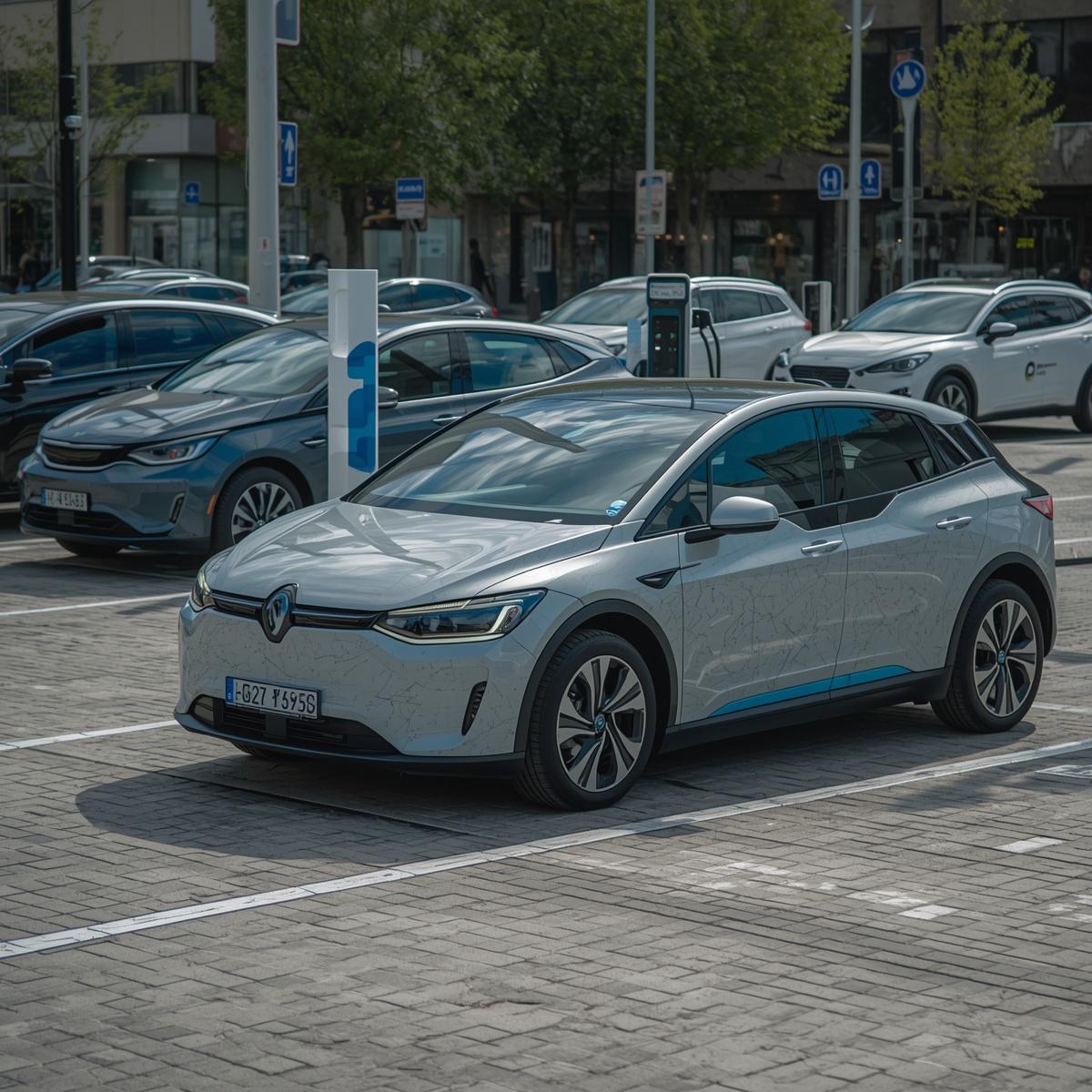
Electric cars (EVs) are often seen as the future of transportation. They are quiet, eco-friendly, and produce zero tailpipe emissions. But some people still wonder:
Can electric cars be bad for your health?
It’s a fair question—especially with so much information (and misinformation) online.
In this complete guide, we’ll explore the truth in a simple and easy way. You’ll learn whether EVs have any health risks, what science says, and why many experts believe they are actually better for your health than traditional gas cars.
Can Electric Cars Be Bad for Your Health?
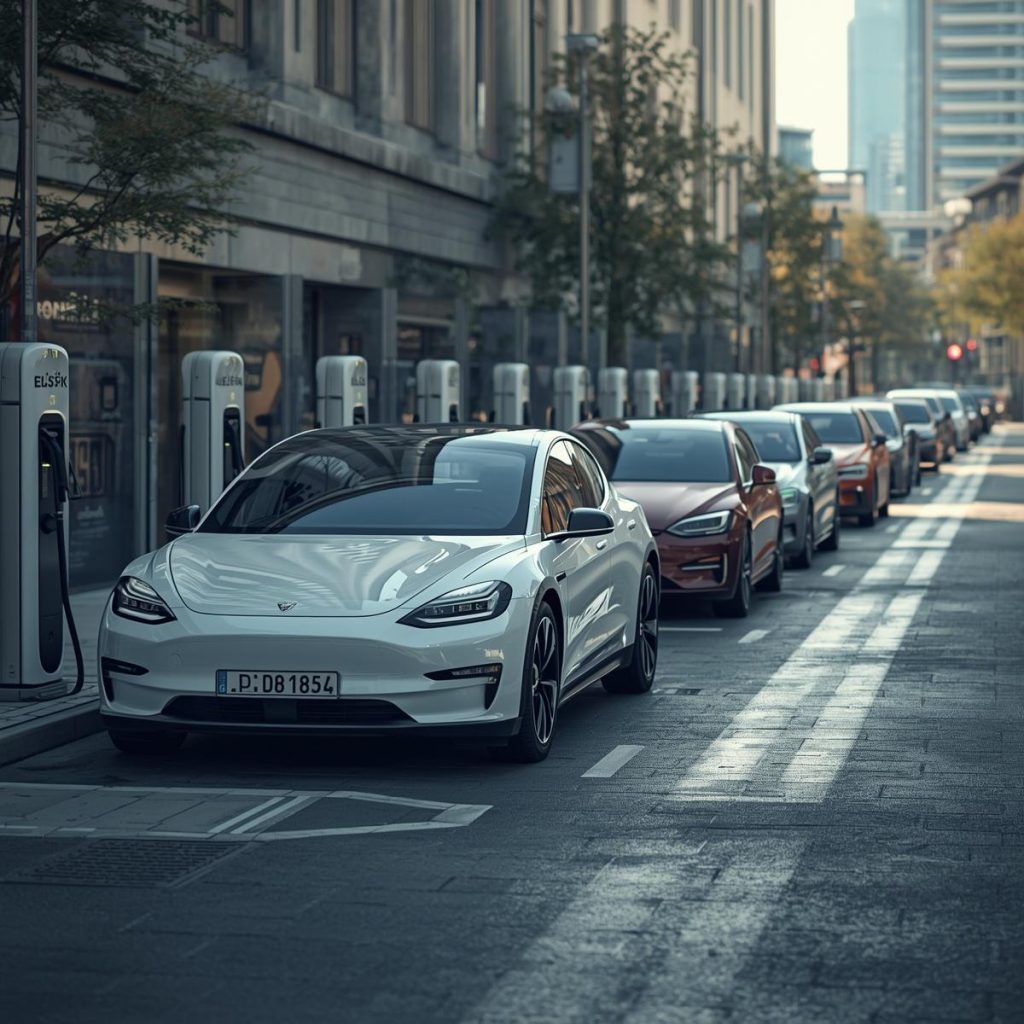
No, electric cars are not bad for your health.
In fact, EVs are generally healthier than gasoline vehicles because they:
- Produce no harmful exhaust emissions
- Reduce air pollution
- Offer a quieter and cleaner driving experience
However, like any technology, there are a few concerns worth understanding.
Why Do People Ask: Can Electric Cars Be Bad for Your Health?
Many concerns come from myths or misunderstandings.
Common worries include:
- Battery radiation (EMF exposure)
- Air quality inside the car
- Battery chemicals
- Silent operation and safety
Let’s break each of these down.
Do Electric Cars Emit Harmful Radiation?
This is one of the most common concerns.
What Is EMF?
EVs produce electromagnetic fields (EMF), just like:
- Smartphones
- Laptops
- Wi-Fi routers
Is EMF Dangerous?
Scientific research shows that EMF levels in EVs are very low and well within safety limits.
Organizations like:
- World Health Organization (WHO)
- U.S. health agencies
have found no strong evidence that low-level EMF exposure from vehicles causes health problems.
Can Electric Cars Be Bad for Your Health Due to Battery Chemicals?
EV batteries contain materials like:
- Lithium
- Nickel
- Cobalt
This sounds scary—but here’s the truth:
Are These Chemicals Dangerous?
- Inside the battery → safely sealed
- Not exposed to passengers
- Protected by a strong casing
What About Accidents?
In rare cases of severe damage:
- Safety systems shut down the battery
- Fire risk is very low
Air Quality: EVs vs Gas Cars
This is where EVs clearly win.
Gas Cars and Health
Gasoline vehicles produce:
- Carbon monoxide
- Nitrogen oxides
- Harmful particles
These can:
- Damage lungs
- Trigger asthma
- Increase heart disease risk
Electric Cars and Clean Air
EVs produce:
Zero tailpipe emissions
This means:
- Cleaner air
- Healthier environment
- Lower pollution levels
Can Electric Cars Be Bad for Your Health Inside the Cabin?
Let’s talk about the air you breathe inside the car.
EV Cabin Air Quality
Most modern EVs include:
- Advanced air filters
- HEPA filtration systems (in some models)
These systems:
- Remove dust and allergens
- Improve air quality inside the car
Compared to Gas Cars
EVs often have:
- Better air filtration
- Less exposure to exhaust fumes
Noise Levels: Are Quiet Cars a Health Risk?
Electric cars are much quieter than gas cars.
Benefits of Quiet Driving
- Less noise pollution
- Reduced stress
- More comfortable driving
Potential Concern
Because EVs are quiet:
- Pedestrians may not hear them
Safety Solution
In the U.S., EVs are required to have:
Artificial sounds at low speeds
This helps:
- Alert pedestrians
- Improve safety
Mental Health Benefits of Driving Electric Cars
EVs don’t just reduce pollution—they can also improve your driving experience.
Smooth and Quiet Ride
- Less vibration
- No engine noise
Creates a more relaxing environment.
Reduced Stress
- No gas station visits
- Lower fuel costs
Eco-Friendly Feeling
Driving an EV:
- Helps the environment
- Gives peace of mind
Are Electric Cars Safe in Accidents?
Safety is another health-related concern.
EV Safety Features
Modern EVs are designed with:
- Strong battery protection
- Low center of gravity (reduces rollover risk)
- Advanced crash systems
Fire Risk
EV fires are:
Rare and less common than gas car fires
Environmental Health Impact
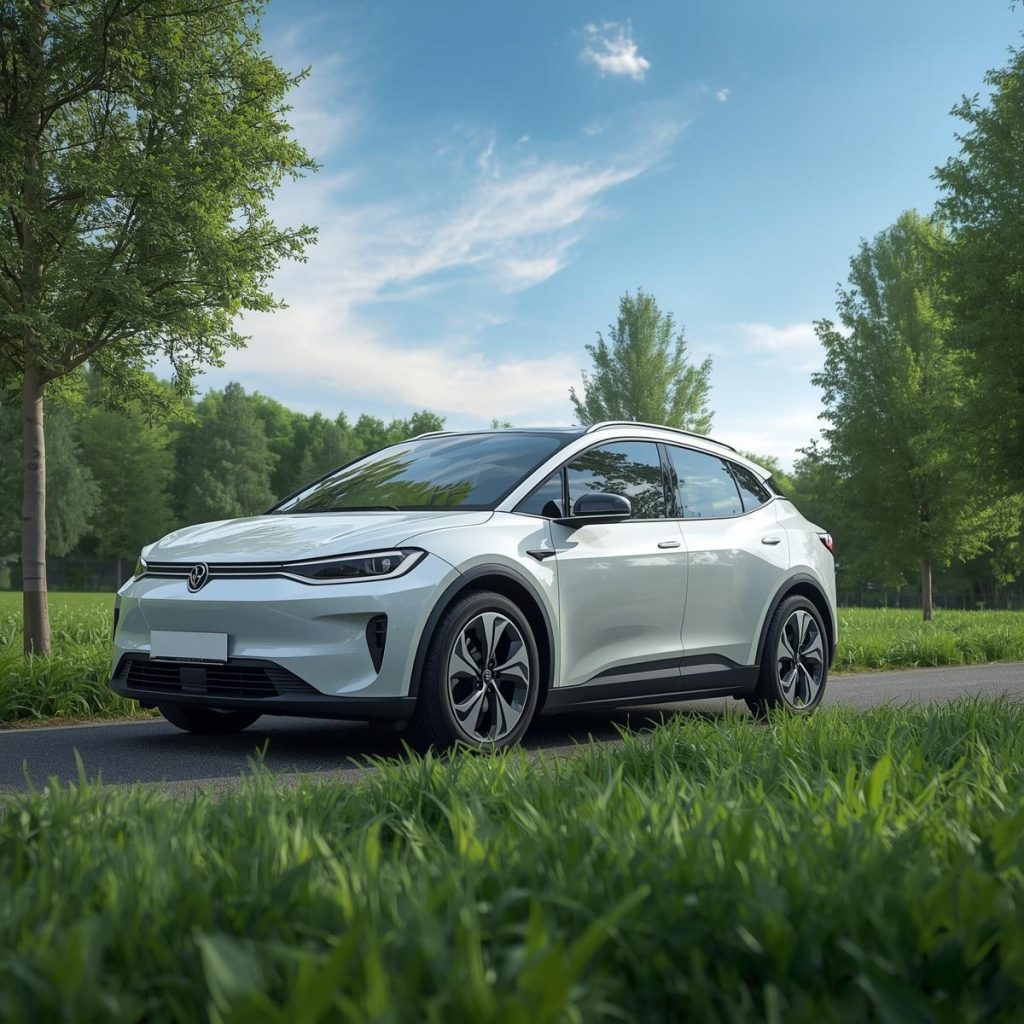
EVs benefit not just drivers—but everyone.
Reduced Air Pollution
- Lower greenhouse gases
- Cleaner cities
Public Health Benefits
Cleaner air means:
- Fewer respiratory diseases
- Better overall health
Common Myths About EV Health Risks
Myth 1: EVs cause cancer due to radiation
False. EMF levels are low and safe.
Myth 2: EV batteries are dangerous to humans
Not true. Batteries are sealed and protected.
Myth 3: EVs are unsafe because they are silent
Modern safety systems solve this issue.
When Could EVs Be Harmful? (Realistic View)
While EVs are generally safe, here are a few things to consider:
Poor Charging Setup
- Unsafe wiring at home
- Improper installation
Can cause electrical hazards (rare but possible)
Low-Quality Aftermarket Parts
- Non-certified chargers
- Poor accessories
May affect safety
Solution: Always use certified equipment and professional installation.
Final Verdict: Can Electric Cars Be Bad for Your Health?
So, can electric cars be bad for your health?
No, electric cars are not harmful to your health.
In fact, they are:
- Cleaner
- Safer
- Better for both personal and public health
Conclusion
Electric cars are not just a technological upgrade—they are a step toward a healthier future.
From cleaner air to quieter roads, EVs offer benefits that go beyond convenience and cost savings.
While it’s natural to question new technology, the evidence is clear:
Electric cars are safe—and often better for your health than gasoline cars.
As EV adoption grows across the United States, they will continue to play a major role in improving both environmental and human health.
FAQs: Can Electric Cars Be Bad for Your Health?
1. Can electric cars be bad for your health?
No, electric cars are not bad for your health. In fact, they are generally better for your health because they produce no harmful exhaust emissions and help reduce air pollution.
2. Do electric cars emit harmful radiation (EMF)?
Electric cars do produce low levels of electromagnetic fields (EMF), but these levels are well within safety limits and are similar to everyday devices like smartphones and Wi-Fi routers.
3. Are EV batteries dangerous to humans?
No, EV batteries are sealed and protected inside the vehicle. Under normal conditions, they do not pose any health risk to drivers or passengers.
4. Is the air inside an electric car healthier?
Yes, many EVs come with advanced air filtration systems that improve cabin air quality, making it cleaner than in many gasoline vehicles.
5. Are electric cars safer than gas cars in terms of health?
Yes, EVs are often safer because they:
- Produce no tailpipe emissions
- Reduce exposure to harmful gases
- Lower overall air pollution
6. Can the quiet nature of EVs be dangerous?
Electric cars are quieter, which can be a concern for pedestrians. However, in the U.S., EVs are required to have artificial warning sounds at low speeds to improve safety.
7. Do electric cars reduce environmental health risks?
Yes, EVs help reduce pollution, which can lead to fewer respiratory problems and improved public health.
8. Are there any health risks associated with charging an EV?
Charging is safe when using certified equipment. Risks are extremely low if proper installation and guidelines are followed.