
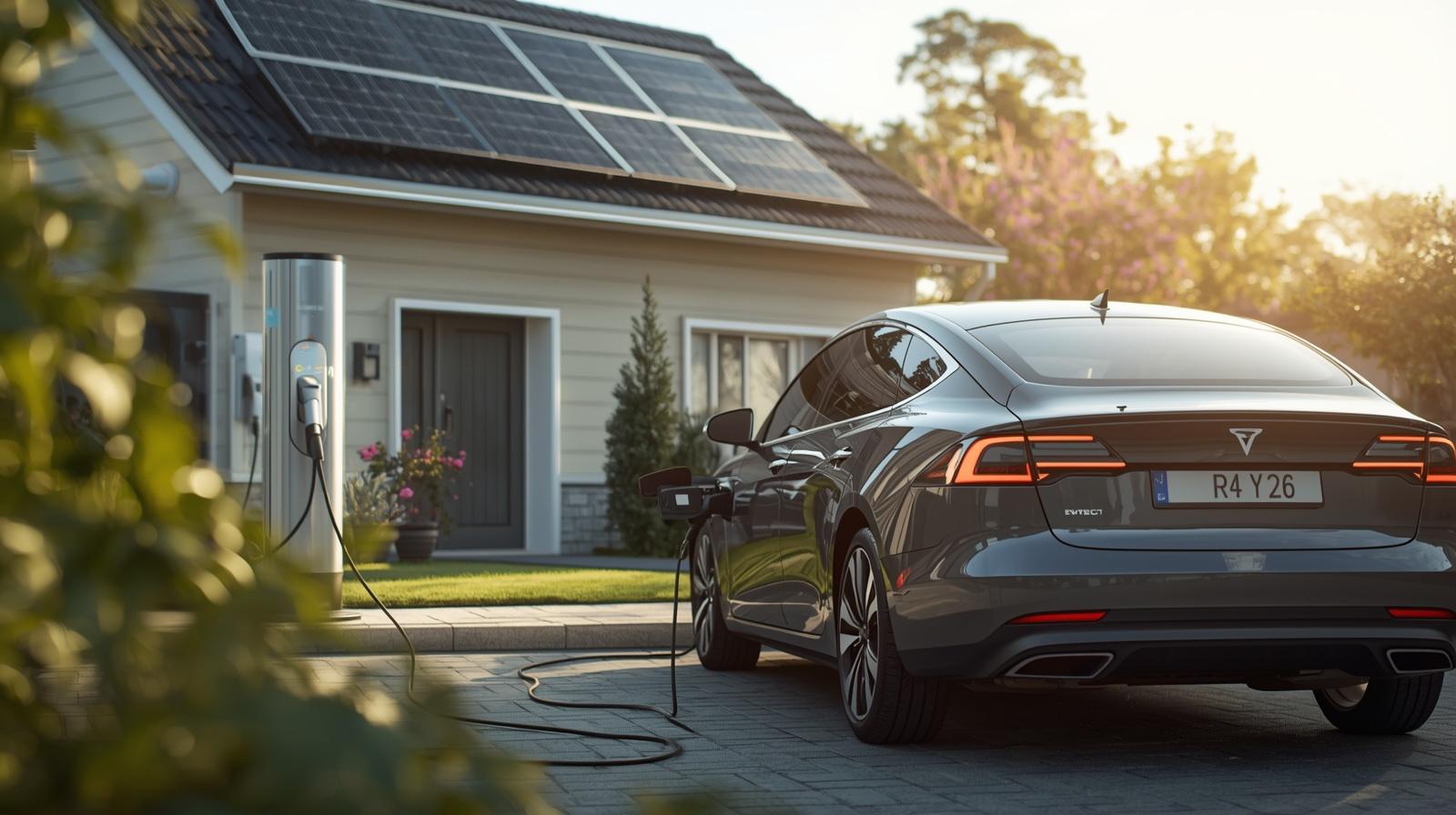
Electric vehicles (EVs) and solar energy are becoming a powerful combination. Many people now want to know:
How long would it take to charge an electric car with a solar panel?
The answer depends on several important factors, including:
- Solar panel size
- Weather conditions
- EV battery capacity
- Charging system efficiency
But here’s the simple answer:
Charging an electric car with solar panels can take anywhere from a few hours to several days, depending on the number of panels and the size of the EV battery.
In this complete guide, you’ll learn exactly how solar EV charging works, realistic charging times, what affects charging speed, and how to make solar charging faster and more efficient.
How Long Would It Take to Charge an Electric Car With a Solar Panel?
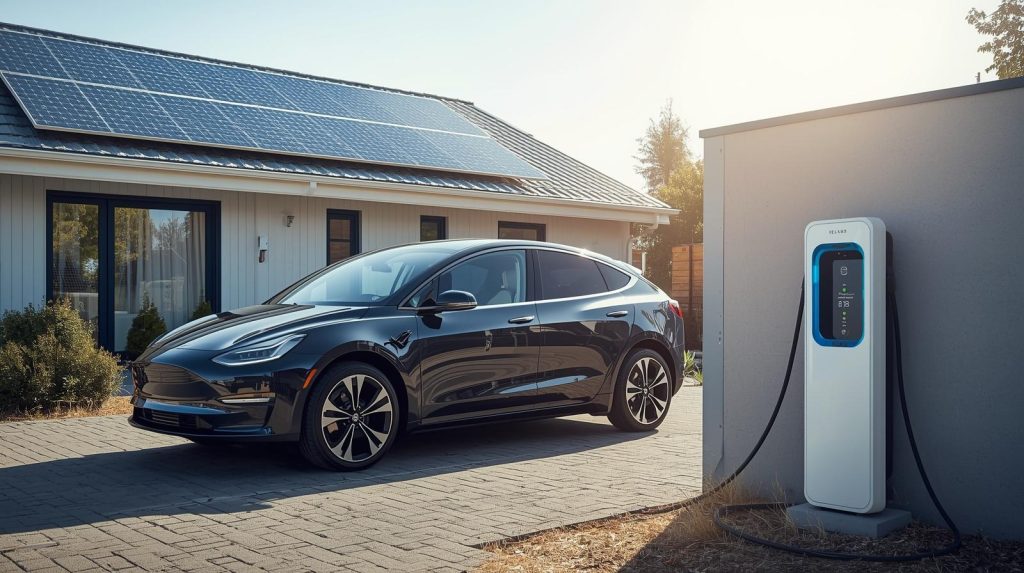
A single solar panel alone can take several days to fully charge an EV battery.
However:
A full home solar system with multiple panels can charge an EV in about:
- 6–12 hours for daily driving needs
- 1–2 days for a full battery charge
Simple takeaway:
The more solar panels you have, the faster your EV charges.
How Solar Panels Charge an Electric Car
Before understanding charging time, it helps to know how the process works.
Step-by-Step Process
1. Solar Panels Capture Sunlight
The panels absorb sunlight and generate electricity.
2. Electricity Flows Through an Inverter
The inverter converts DC electricity into AC power.
3. EV Charger Sends Power to the Car
Your charging station delivers electricity to the EV battery.
4. The Battery Stores Energy
The battery slowly fills with usable power.
This process continues as long as sunlight is available.
Why Charging Time Varies So Much
Not all EVs or solar systems are the same.
Several factors affect charging speed.
1. EV Battery Size
Larger batteries take longer to charge.
Example Battery Sizes
| EV Type | Battery Size |
|---|---|
| Small EV | 40 kWh |
| Mid-Size EV | 60–75 kWh |
| Large EV | 100+ kWh |
Bigger batteries require more solar energy.
2. Number of Solar Panels
A single panel produces limited power.
Example:
- 1 panel → very slow charging
- 10–20 panels → practical EV charging
More panels generate more electricity.
3. Sunlight Availability
Solar panels work best in direct sunlight.
Charging Slows During:
- Cloudy weather
- Rain
- Winter months
- Shaded conditions
Sunny states like Arizona and California generate more energy.
4. Charger Type
Charging speed depends on the EV charger.
Common Charger Types
Level 1 Charger
- Slowest option
- Uses a standard outlet
Level 2 Charger
- Faster and more practical
- Most common for home charging
Level 2 charging works best with solar systems.
Can One Solar Panel Charge an Electric Car?
Technically, yes—but very slowly.
Example:
A standard solar panel may produce:
- Around 300–400 watts per hour in good sunlight
Meanwhile, EV batteries store:
- 40,000–100,000+ watt-hours
That means a single panel could take many days to fully charge an EV.
How Many Solar Panels Are Needed to Charge an EV?
This depends on your driving habits.
Typical U.S. Driver
Average driving:
- Around 30–40 miles daily
Solar Panels Needed
Most homeowners need:
- 6–12 solar panels dedicated to EV charging
Larger vehicles or long commutes may require more.
Real-World Solar Charging Time Examples
Let’s look at practical examples.
Example 1: Small EV + Medium Solar Setup
Setup:
- 40 kWh battery
- 8 solar panels
Charging Time:
- About 1–2 sunny days for a full charge
Example 2: Long-Range EV + Large Solar System
Setup:
- 75 kWh battery
- 15–20 solar panels
Charging Time:
- Around 8–12 hours of strong sunlight
Example 3: Single Solar Panel
Setup:
- 1 solar panel
Charging Time:
- Several days to weeks
This is why full solar systems are recommended.
Best U.S. States for Solar EV Charging
Some states generate more solar energy than others.
Top Solar States
- California
- Arizona
- Nevada
- Texas
- Florida
Cooler States Still Work
Solar charging also works in:
- Colorado
- New York
- Washington
Modern solar panels remain effective in many climates.
Is Charging an EV With Solar Panels Cheaper?
Yes, in many cases it is.
Charging From the Grid
Annual EV charging costs:
- Around $500–$1,500, depending on electricity rates
Charging With Solar
Solar energy can significantly reduce these costs.
Potential Benefits:
- Lower electricity bills
- Reduced fuel expenses
- Long-term savings
Many homeowners eventually achieve nearly free charging.
Environmental Benefits of Solar EV Charging
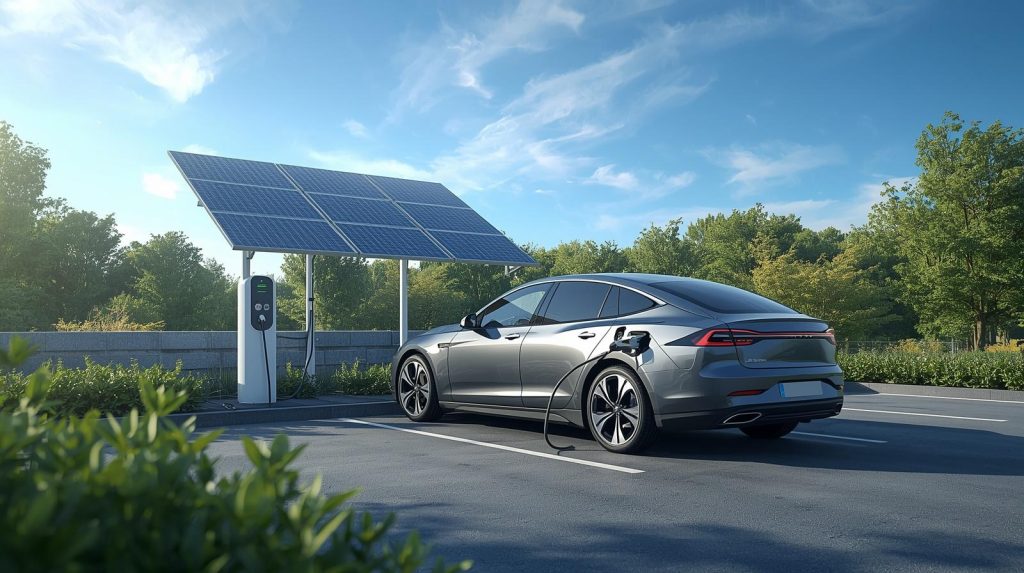
Combining EVs with solar energy is one of the cleanest transportation solutions available.
Benefits Include:
- Lower carbon emissions
- Reduced fossil fuel use
- Cleaner air
- Sustainable transportation
Solar-powered driving supports a greener future.
Challenges of Charging an EV With Solar Panels
Solar charging is excellent, but it also has limitations.
1. High Upfront Cost
Solar systems can be expensive initially.
Typical U.S. Costs
- $10,000–$30,000+ before incentives
Federal tax credits may lower the cost.
2. No Solar Energy at Night
Solar panels do not generate electricity after sunset.
Solutions:
- Home battery storage
- Grid backup
- Net metering
3. Weather Dependency
Cloudy weather reduces power production.
Your EV may need supplemental grid charging.
4. Roof Space Limitations
Not every home has ideal roof conditions.
Factors:
- Roof size
- Roof direction
- Shade
Professional installation helps maximize efficiency.
Tips to Charge Your EV Faster With Solar Panels
1. Install More Panels
More power means faster charging.
2. Use a Level 2 Charger
Faster than standard outlets.
3. Charge During Peak Sunlight
Usually midday.
4. Add Home Battery Storage
Store extra solar energy.
5. Monitor Energy Usage
Track production and charging.
6. Drive Efficiently
Reduce charging needs.
7. Maintain Solar Panels
Keep them clean and efficient.
8. Use Smart Charging Features
Schedule charging automatically.
9. Improve Home Energy Efficiency
Free up more solar power for your EV.
10. Work With a Certified Solar Installer
Ensure proper system sizing.
Common Myths About Solar EV Charging
Myth: Solar charging is too slow for real use
Fact: Full systems can easily support daily driving
Myth: One solar panel is enough
Fact: Multiple panels are usually required
Myth: Solar charging only works in hot climates
Fact: Solar panels work in many regions
Future of Solar EV Charging
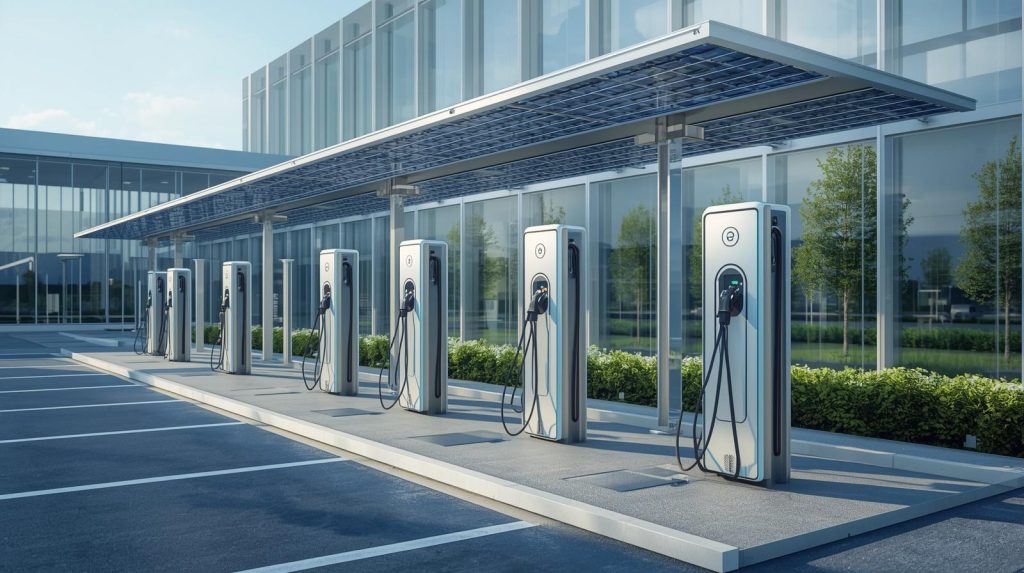
The future looks exciting.
Upcoming Improvements
- More efficient solar panels
- Better home batteries
- Smarter EV charging systems
- Vehicle-to-home energy sharing
Solar-powered transportation will continue growing rapidly.
Final Verdict: How Long Would It Take to Charge an Electric Car With a Solar Panel?
The charging time depends on your solar setup and EV battery size.
Key Takeaways:
- One panel charges very slowly
- Full solar systems can charge EVs efficiently
- Most homeowners need multiple panels
- Charging times range from hours to days
Simple Rule:
The larger your solar system, the faster your EV charges.
FAQs: How Long Would It Take to Charge an Electric Car With a Solar Panel?
1. Can one solar panel charge an electric car?
Yes, but very slowly.
2. How many solar panels do I need for an EV?
Usually 6–12 panels for average driving.
3. Is solar EV charging worth it?
Yes, especially for long-term savings.
4. Can I fully charge my EV using solar power?
Yes, with a properly sized system.
5. Does the weather affect solar charging?
Yes, cloudy weather reduces efficiency.
Conclusion: How Long Would It Take to Charge an Electric Car With a Solar Panel?
Now you fully understand:
How long would it take to charge an electric car with a solar panel?
The truth is simple:
A single panel is slow, but a complete solar system can easily support everyday EV charging.
As solar technology improves and EV adoption grows, more drivers are turning sunlight into clean, affordable transportation.
The future of driving may truly be powered by the sun