
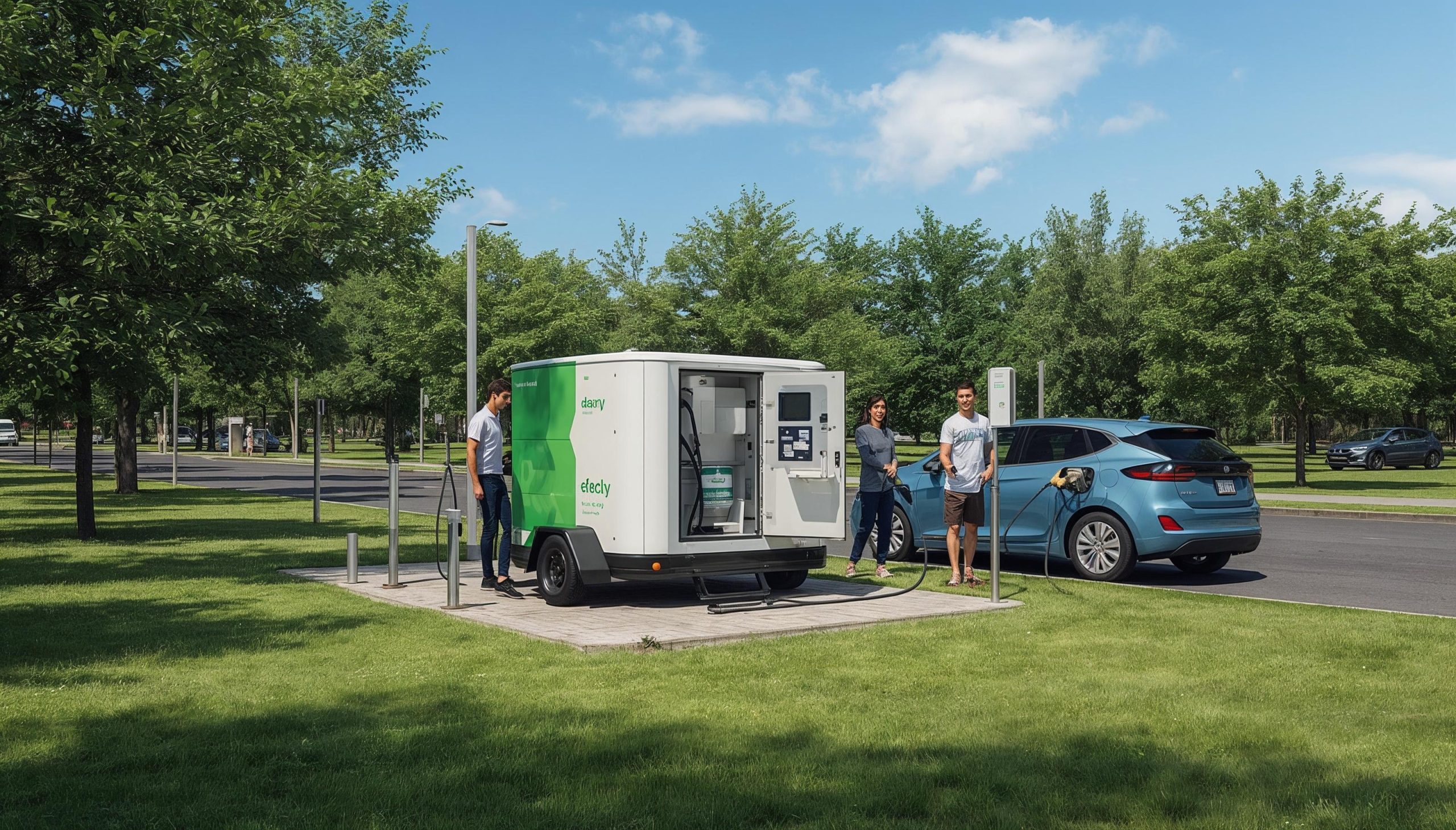
Electric vehicles (EVs) are changing the way people travel. As more drivers switch to electric cars, the need for flexible charging solutions continues to grow. While home chargers and public charging stations remain the most common ways to charge an EV, many people wonder whether a portable generator for electric car charging can be a practical solution.
The answer is yes. A portable generator can charge an electric car under the right conditions. In fact, many EV owners use portable generators during emergencies, power outages, camping trips, and long-distance travel in remote areas. However, not every generator is suitable for EV charging, and understanding the requirements is essential before plugging in your vehicle.
This guide explains everything you need to know about using a portable generator for electric car charging, including how it works, generator types, benefits, limitations, safety tips, and how to choose the best generator for your needs.
What Is a Portable Generator for Electric Car Charging?
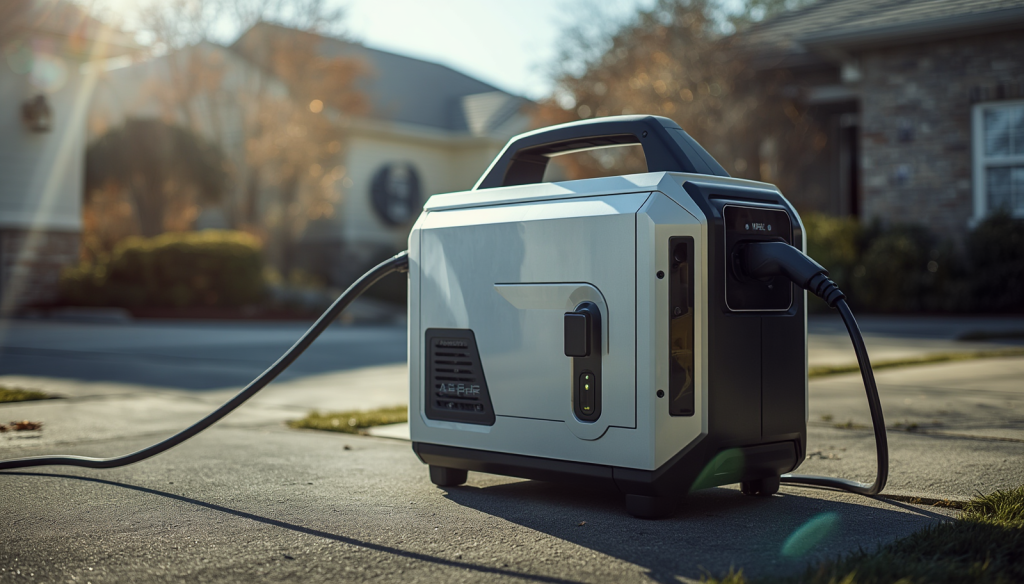
A portable generator for electric car charging is a movable power source that produces electricity and supplies it to an EV charging cable.
Unlike a home charging station that receives power from the electrical grid, a portable generator creates electricity using gasoline, diesel, propane, or solar energy. This electricity can then be used to charge an electric vehicle when traditional charging options are unavailable.
Portable generators are commonly used as backup power systems. For EV owners, they provide additional flexibility and peace of mind, especially when traveling far from charging infrastructure.
How Does a Portable Generator for Electric Car Charging Work?
The charging process is relatively simple.
The generator produces electricity, which flows through the EV charging cable into the vehicle’s onboard charger. The onboard charger converts the incoming electricity into a form that the battery can safely store.
Most portable generators support Level 1 charging, which uses a standard charging cable and household-style outlet. Larger and more powerful generators may also support Level 2 charging equipment.
The charging speed depends on several factors, including the generator’s output, the vehicle’s charging capacity, and the battery size.
Can a Portable Generator Charge Any Electric Car?
Most modern electric vehicles can be charged with a portable generator if the generator provides stable power and sufficient wattage.
Popular EV models such as the Tesla Model 3, Tesla Model Y, Nissan Leaf, Chevrolet Bolt EV, and Hyundai Kona Electric can typically accept power from properly sized generators.
However, the generator must meet the vehicle’s charging requirements. Some EVs are more sensitive to power quality than others, making inverter generators the preferred choice.
Before using a portable generator, always review the manufacturer’s recommendations.
Why Use a Portable Generator for Electric Car Charging?
Many EV owners choose portable generators for situations where traditional charging options are unavailable.
Emergency Charging
Power outages can leave EV owners without access to home charging. A portable generator can provide enough electricity to keep the vehicle operational until power returns.
Remote Travel
Rural roads, national parks, and camping destinations may have limited charging infrastructure. A portable generator can provide additional range when charging stations are unavailable.
Disaster Preparedness
Natural disasters can disrupt electrical networks for days. A portable generator serves as a reliable backup energy source during emergencies.
Range Anxiety Reduction
Some EV owners carry a generator for peace of mind during long journeys, especially in regions with limited charging networks.
Types of Portable Generators for Electric Car Charging
Not all generators perform the same way. Understanding the available options helps you choose the right solution.
Inverter Generators
Inverter generators are widely considered the best portable generators for electric car charging.
They produce clean, stable electricity with minimal voltage fluctuations. Modern EV charging systems prefer this stable power because it reduces the risk of charging interruptions.
Inverter generators are also quieter and more fuel-efficient than traditional generators.
Gasoline Generators
Gasoline generators are affordable and easy to find. Many can support Level 1 EV charging.
However, they tend to be noisier and less fuel-efficient than inverter generators.
Diesel Generators
Diesel generators provide higher power output and longer run times.
They are often used for commercial applications and can support larger charging loads. However, they are generally heavier and less portable.
Propane Generators
Propane generators offer cleaner combustion and longer fuel storage life.
Many homeowners prefer propane because it stores well and provides reliable backup power.
Solar Generators
Solar generators combine battery storage with solar panels.
Although most portable solar generators cannot fully charge large EV batteries, they can provide emergency charging and add useful driving range.
How Much Power Does a Portable Generator Need?
Generator size is one of the most important considerations.
Level 1 Charging Requirements
Level 1 charging typically requires around 1.4 to 2.4 kW of continuous power.
A portable generator rated between 2,000 and 3,000 watts can usually support basic EV charging.
Level 2 Charging Requirements
Level 2 charging requires significantly more power.
Most EV owners need a generator capable of producing between 5,000 and 10,000 watts or more to support Level 2 charging safely.
Choosing a generator with extra capacity helps ensure stable performance and reduces strain on the equipment.
How Long Does It Take to Charge an EV with a Portable Generator?
Charging speed depends on battery size and generator output.
A small EV battery may gain 4 to 8 miles of driving range per hour when connected to a portable generator using Level 1 charging.
For larger batteries, charging can take many hours.
For example:
- Small EV battery (30–40 kWh): 10–15 hours
- Medium EV battery (50–70 kWh): 18–25 hours
- Large EV battery (75–100 kWh): 30+ hours
Because of these charging times, many drivers use generators to add enough range to reach a charging station rather than fully recharge the battery.
Advantages of Using a Portable Generator for Electric Car Charging
Portable generators offer several practical benefits.
Mobility
The biggest advantage is portability. You can transport the generator wherever it is needed.
Backup Power
A portable generator ensures that charging remains possible during power outages.
Flexibility
EV owners can charge their vehicles in locations without electrical infrastructure.
Emergency Preparedness
Portable generators provide peace of mind during unexpected situations.
Versatility
Besides charging an EV, generators can power appliances, tools, lighting, and other devices.
Disadvantages of Using a Portable Generator for Electric Car Charging
Despite their benefits, portable generators have limitations.
Slow Charging
Most portable generators provide slower charging than dedicated EV charging stations.
Fuel Costs
Gasoline, diesel, and propane generators require ongoing fuel expenses.
Noise
Many generators produce noticeable noise during operation.
Environmental Impact
Fuel-powered generators produce emissions that reduce some of the environmental advantages of driving an EV.
Maintenance
Generators require regular maintenance, including oil changes, inspections, and fuel management.
Safety Tips for Portable Generator EV Charging
Safety should always be a top priority.
Use the Correct Generator Size
Undersized generators may overload and cause charging problems.
Choose an Inverter Generator
Clean and stable electricity helps protect the vehicle’s charging system.
Never Use Generators Indoors
Generators produce carbon monoxide and should always operate outdoors.
Inspect Charging Equipment
Damaged cables or connectors should never be used.
Follow Manufacturer Guidelines
Always follow the instructions provided by both the vehicle and generator manufacturers.
Proper setup ensures safe and reliable charging.
Best Features to Look for in a Portable Generator for Electric Car Charging
When shopping for a generator, consider the following features:
- Stable inverter technology
- High continuous wattage
- Fuel efficiency
- Quiet operation
- Multiple outlets
- Electric start capability
- Long runtime
- Portability and wheels
- Safety shutdown systems
These features improve convenience and overall performance.
Is a Portable Generator for Electric Car Charging Worth It?
The answer depends on your needs.
If you frequently travel to remote locations, prepare for emergencies, or want backup charging capability, a portable generator can be a valuable investment.
However, if you primarily charge at home and have access to public charging stations, a generator may only be necessary as an emergency backup solution.
For most EV owners, portable generators provide security and flexibility rather than replacing traditional charging methods.
The Future of Portable Generator EV Charging
As electric vehicle adoption grows, portable charging technologies continue to improve.
New battery-powered generators, advanced solar generators, and portable energy storage systems are becoming more powerful and affordable. These innovations offer cleaner alternatives to traditional fuel-powered generators.
In the coming years, portable charging solutions will likely become an important part of the EV ecosystem, helping drivers stay powered wherever they travel.
Conclusion
A portable generator for electric car charging can be a practical and reliable solution in emergencies, during power outages, and while traveling in remote locations. Although charging speeds are typically slower than dedicated EV chargers, a properly sized generator can provide valuable backup power when you need it most.
Choosing the right generator, understanding your vehicle’s power requirements, and following proper safety practices will help ensure a successful charging experience. While portable generators may not replace home charging stations, they remain one of the most useful backup tools for modern electric vehicle owners.
FAQs: Portable Generator for Electric Car Charging
1. Can a portable generator charge an electric car?
Yes, a portable generator can charge an electric car if it provides enough power and stable electricity. Many EV owners use generators for emergency charging and remote travel.
2. What size portable generator do I need for EV charging?
For Level 1 charging, a generator with 2,000–3,000 watts is usually sufficient. For faster Level 2 charging, a generator with 5,000–10,000 watts or more may be required.
3. Are inverter generators better for charging electric cars?
Yes, inverter generators are often the best choice because they produce clean, stable power that is safer for modern EV charging systems.
4. How long does it take to charge an electric car with a portable generator?
Charging time depends on the battery size and generator output. Most portable generators charge an EV much slower than a dedicated home charger, often taking several hours or longer.
5. Is it safe to charge an EV with a portable generator?
Yes, it is generally safe when you use a properly sized generator, approved charging equipment, and follow the manufacturer’s safety guidelines.
6. Can a portable generator fully charge an EV battery?
Yes, a sufficiently powerful generator can fully charge an EV battery. However, many drivers use generators mainly to add enough range to reach a charging station.
7. What fuel types are available for portable generators?
Portable generators commonly run on gasoline, diesel, propane, or solar power. Each option offers different benefits in terms of cost, efficiency, and environmental impact.
8. Is a portable generator a good backup charging solution?
Yes, a portable generator is an excellent backup charging solution during power outages, emergencies, camping trips, and travel in remote areas.