
Introduction
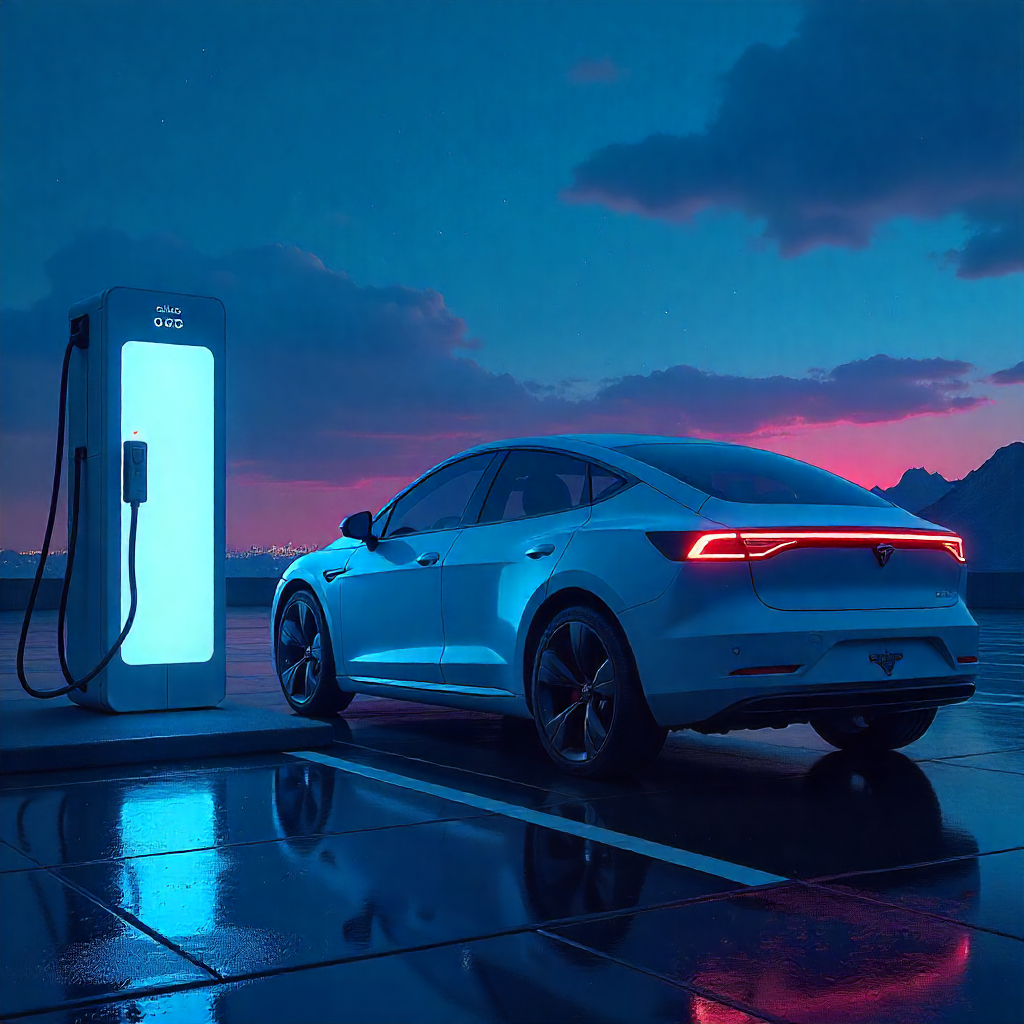
Transportation is going through one of its biggest revolutions since the invention of the car. Rising fuel costs, environmental concerns, and government regulations are pushing both consumers and automakers to rethink how vehicles are powered. This is where Electric Vehicles (EVs) step in.
Unlike traditional cars that run on gasoline or diesel, EVs are powered by electricity, making them cleaner, quieter, and often cheaper to run. But the idea of EVs can feel confusing—are they all the same? How do they work? What are the benefits, and what challenges should you know about?
This guide answers all these questions and more, giving you a complete picture of EVs in today’s world and their role in the future of mobility.
What is an EV?
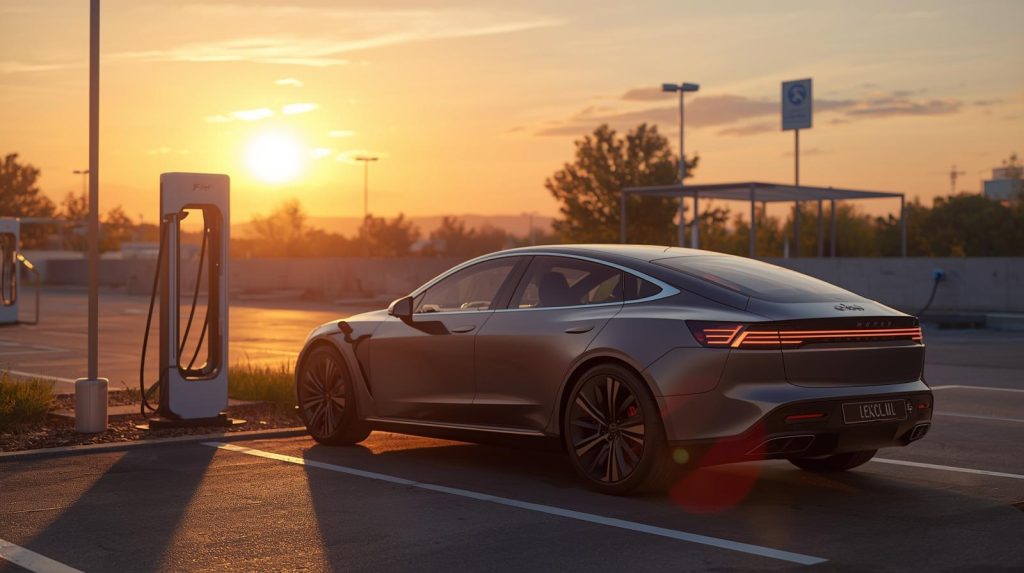
An Electric Vehicle (EV) is any vehicle that uses an electric motor powered by a battery or fuel cell instead of, or in addition to, an internal combustion engine.
Key points:
- Traditional cars burn fossil fuels (petrol/diesel) → release CO₂ and other pollutants.
- EVs run on electricity stored in rechargeable batteries → zero or very low emissions.
- They can be cars, buses, trucks, two-wheelers, or even trains.
EVs are often called “the future of sustainable transport” because they address two major global issues:
- Climate change – by reducing emissions.
- Energy security – by reducing dependence on oil.
How Does an EV Work?
An Electric Vehicle (EV) works by using electricity stored in a battery pack to power an electric motor, which drives the wheels. Unlike gasoline cars that rely on an internal combustion engine, EVs convert electrical energy directly into motion, making them more efficient and eco-friendly. Benefits of Electric Cars include lower running costs, reduced emissions, and a quieter driving experience. When you press the accelerator, power from the battery flows to the motor, producing instant torque for smooth and quick acceleration. The regenerative braking system also recovers energy when you slow down, sending it back to the battery for later use. This clean and efficient process makes EVs a smarter, greener choice for modern transportation.
Unlike gas-powered vehicles, an EV’s system is simpler. Here’s how the major parts interact:
- Battery Pack
- Stores electricity, usually lithium-ion batteries (similar to those in smartphones, but bigger).
- Determines the range (how far the EV can travel on a single charge).
- Stores electricity, usually lithium-ion batteries (similar to those in smartphones, but bigger).
- Electric Motor
- Converts electrical energy into mechanical energy.
- Offers instant torque, which means faster acceleration compared to gas cars.
- Converts electrical energy into mechanical energy.
- Power Electronics / Inverter
- Controls the flow of electricity between the battery and motor.
- Converts DC (direct current) from the battery into AC (alternating current) for the motor.
- Controls the flow of electricity between the battery and motor.
- Onboard Charger
- Converts AC power from charging stations into DC power to charge the battery.
- Converts AC power from charging stations into DC power to charge the battery.
- Regenerative Braking System
- Captures energy lost during braking and stores it back into the battery.
- Improves efficiency and extends driving range.
- Captures energy lost during braking and stores it back into the battery.
In simple terms: Plug in → charge the battery → battery powers motor → car moves.
Types of EVs
Not all EVs are the same. There are four main types, each with unique features:
1. Battery Electric Vehicles (BEVs)
- Fully electric, no gas engine at all.
- Run only on a rechargeable battery.
- Require external charging.
- Produce zero emissions.
- Examples: Tesla Model 3, Nissan Leaf, Chevrolet Bolt.
- Ideal for eco-conscious drivers who want complete independence from fuel.
2. Hybrid Electric Vehicles (HEVs)
- Combination of gasoline engine + electric motor.
- Cannot be plugged in; battery charges itself via regenerative braking.
- More fuel-efficient than traditional cars but still rely on gasoline.
- Example: Toyota Prius (classic hybrid).
- Best for those not ready for full EV adoption but want better mileage.
3. Plug-in Hybrid Electric Vehicles (PHEVs)
- Larger battery compared to HEVs.
- Can be charged externally (plug-in).
- Run short distances (20–50 miles) on electricity, then switch to gasoline.
- Example: Mitsubishi Outlander PHEV, Toyota Prius Prime.
- Perfect balance for people who want electric driving but also gasoline backup.
4. Fuel Cell Electric Vehicles (FCEVs)
- Use hydrogen fuel cells instead of batteries.
- Hydrogen + oxygen = electricity + water (the only emission is water vapor).
- Quick refueling, similar to gasoline.
- Example: Toyota Mirai, Hyundai Nexo.
- Still limited due to lack of hydrogen infrastructure.
Key Components of an EV
Every EV has certain core components:
- Electric Motor → drives the wheels.
- Battery Pack → stores energy.
- Inverter → manages current flow.
- Onboard Charger → allows charging.
- Thermal Management System → keeps battery/motor at safe temperatures.
- Regenerative Braking → recycles energy.
Compared to gas cars, EVs have fewer moving parts, meaning less wear and tear, lower maintenance, and longer lifespan.
Benefits of EVs
1. Environmental Benefits
- Zero tailpipe emissions → cleaner air.
- Reduce greenhouse gases → fight climate change.
- Supports use of renewable energy (solar/wind charging).
2. Economic Benefits
- Cheaper to run: Electricity costs less than gasoline per mile.
- Lower maintenance: No oil changes, fewer moving parts.
- Incentives: Many governments offer rebates, tax credits, and subsidies.
3. Performance Benefits
- Instant torque = quicker acceleration.
- Quieter driving experience.
- Smooth handling and stability.
4. Government Incentives
- EV tax credits up to thousands of dollars (varies by country).
- Free parking, toll discounts, and carpool lane access in some regions.
Challenges of EVs
- Charging Infrastructure
- Still developing; rural areas may lack stations.
- Still developing; rural areas may lack stations.
- Range Anxiety
- Fear of running out of charge before finding a station.
- Improving with better batteries.
- Fear of running out of charge before finding a station.
- Upfront Costs
- EVs cost more initially, though long-term savings balance it out.
- EVs cost more initially, though long-term savings balance it out.
- Battery Recycling & Sustainability
- Safe disposal and recycling of lithium-ion batteries remains a challenge.
- Safe disposal and recycling of lithium-ion batteries remains a challenge.
EV Charging: How Do You Charge an EV?
EVs can be charged in three main ways:
- Level 1 (Slow Charging)
- Standard 120V outlet.
- Adds ~2–5 miles per hour of charging.
- Best for overnight charging.
- Standard 120V outlet.
- Level 2 (Fast Charging)
- 240V outlet (home or public).
- Adds 10–60 miles per hour.
- Most common for daily use.
- 240V outlet (home or public).
- DC Fast Charging (Rapid Charging)
- Specialized public stations.
- 80% charge in 30–40 minutes.
- Ideal for long trips.
- Specialized public stations.
EV Market Trends in 2025 and Beyond
- Adoption Rising: EVs expected to reach 30–40% of new car sales in developed nations by 2030.
- Battery Technology: Solid-state batteries promise longer range and faster charging.
- Affordable EVs: More budget models entering the market.
- Vehicle-to-Grid (V2G): EVs may soon provide power back to homes or the grid.
- Autonomous EVs: Self-driving + electric power is the next big step.
The Future of EVs
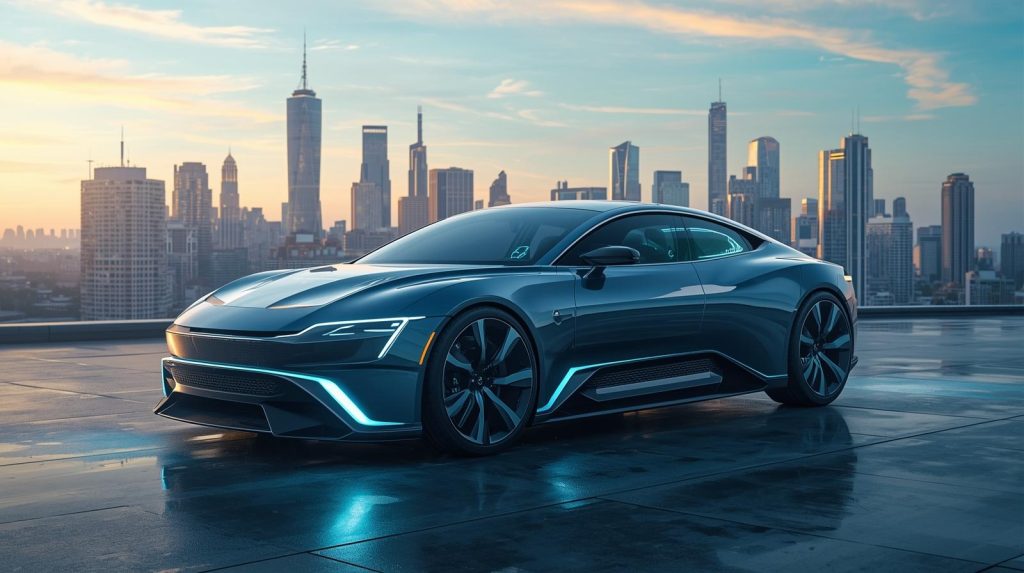
The future is bright for EVs:
- By 2035, many countries plan to ban new gas car sales.
- Costs will continue to fall as mass production increases.
- EVs will become not just personal cars, but also buses, trucks, and fleets.
- The world is moving toward smart cities powered by clean energy, and EVs will be central to that vision.
Conclusion
So, what is an EV? It’s more than just a car—it’s a revolution in how we think about transportation. EVs are cleaner, cheaper to operate, and packed with advanced technology.
While challenges like infrastructure and costs remain, the benefits far outweigh the drawbacks. Governments, industries, and individuals are working together to build an ecosystem where EVs become the default choice.
The shift to EVs is not a matter of if but when. By choosing EVs today, we’re driving toward a sustainable, cost-effective, and eco-friendly tomorrow.