
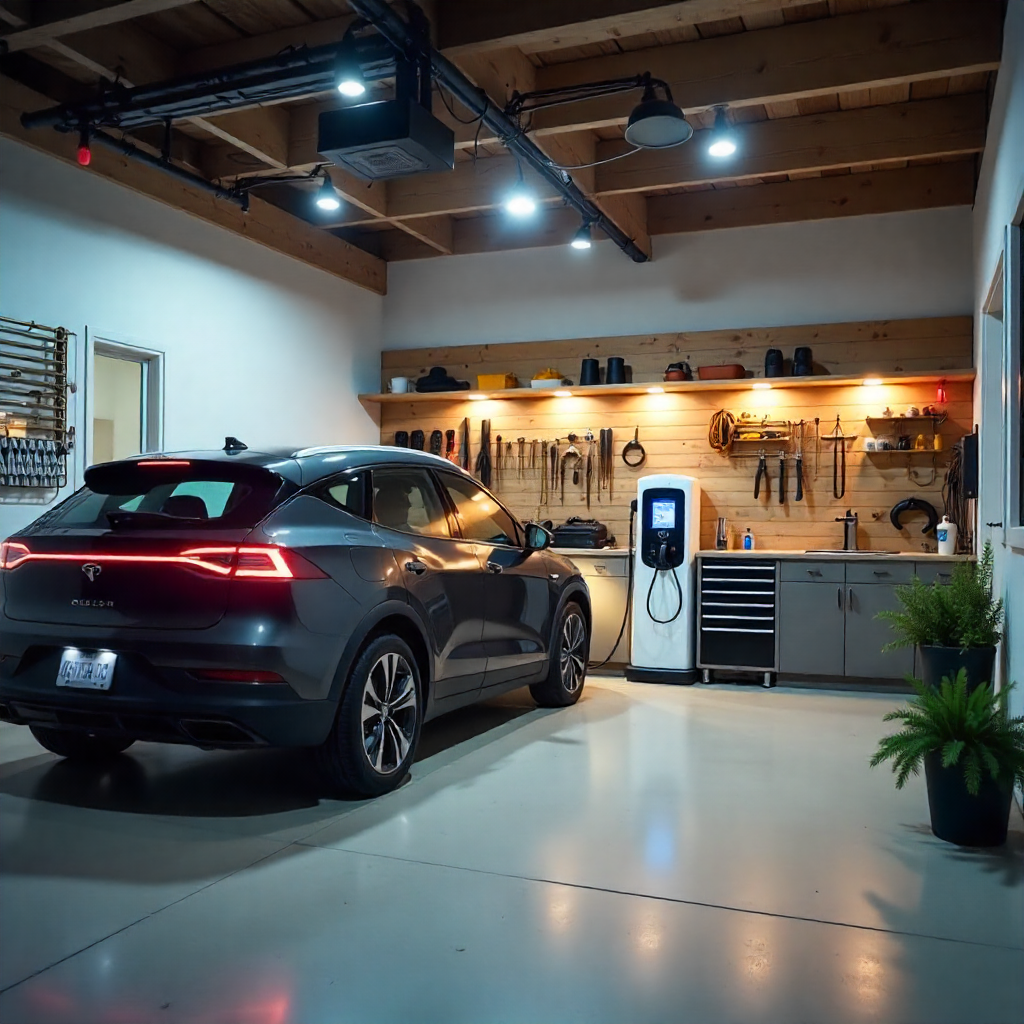
As electric vehicles become increasingly popular, electric vehicle charging at home is becoming a vital consideration for many owners.
Installing a home EV charger can be a significant decision, offering convenience and cost savings. It allows you to charge your vehicle overnight, ensuring it’s ready for use each day.
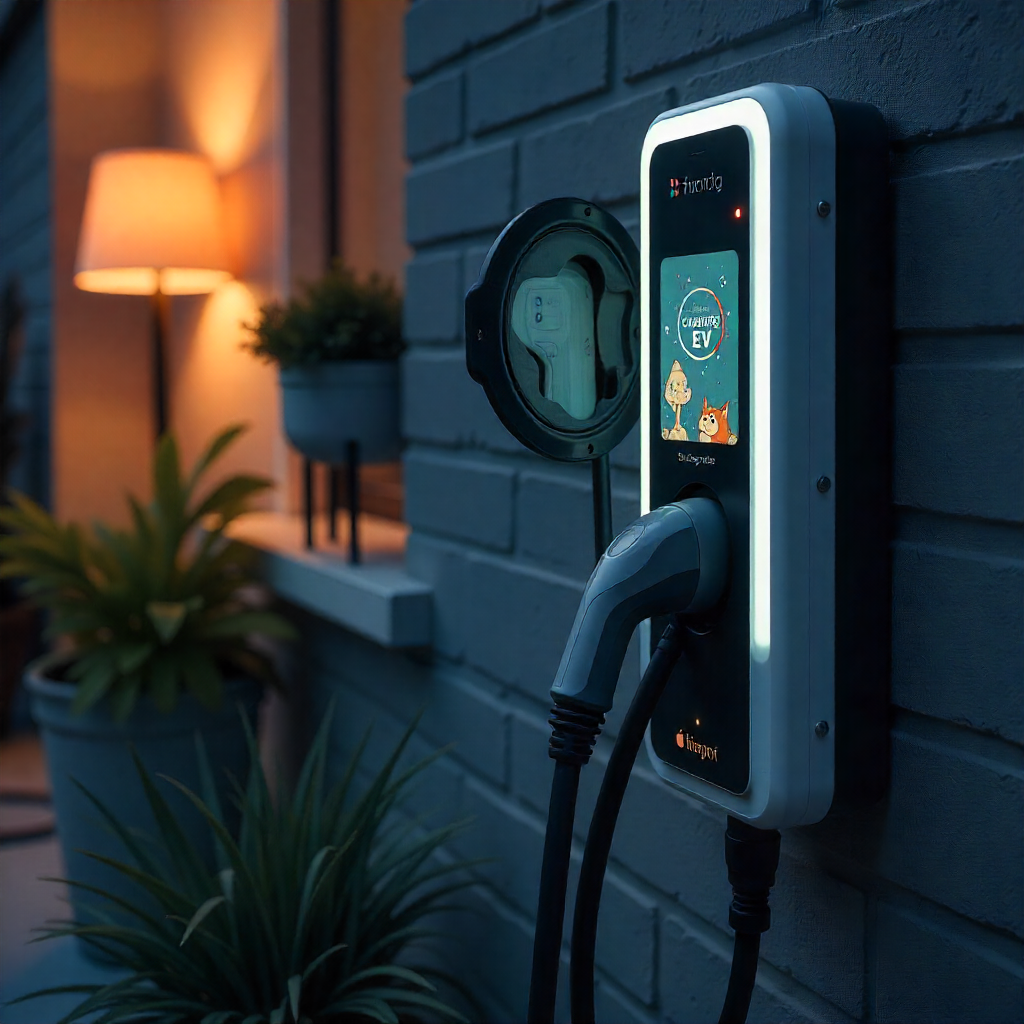
EV charging at home is not just about plugging in your vehicle; it’s about creating an efficient and safe charging system that meets your needs.
Key Takeaways
- Understand the benefits of installing a home EV charger.
- Learn about the different types of EV chargers available.
- Discover the importance of assessing your home’s electrical capacity.
- Find out how to choose the right EV charger for your vehicle.
- Explore the potential cost savings of charging at home.
The Basics of EV Charging at Home
As you consider installing an EV charger at home, understanding the basics of EV charging is crucial. EV charging at home is a process that involves converting electrical energy from your home’s power supply to charge your vehicle’s battery. This process is not just about plugging in your vehicle; it involves several key components and considerations to ensure safe and efficient charging.
How EV Charging Works
EV charging works by transferring electrical energy from your home’s electrical panel to your vehicle’s battery through a charging cable and connector. The charging process is managed by the charger’s control system and the vehicle’s battery management system (BMS). Efficient power delivery is crucial for fast and safe charging.
Power delivery refers to the rate at which electrical energy is transferred to your vehicle’s battery. Charging rates are typically measured in kilowatts (kW). The higher the charging rate, the faster your vehicle will charge. Most home EV chargers have charging rates ranging from 3.3 kW to 22 kW, with Level 2 chargers usually operating between 7 kW to 19.2 kW.
Battery Management Systems
A Battery Management System (BMS) is a critical component of your electric vehicle, responsible for managing the charging and discharging of the battery. It ensures that the battery operates within safe limits, preventing overcharging or undercharging, which can affect the battery’s lifespan and performance.
Understanding these basics is essential for making informed decisions about your home EV charging setup. By grasping how EV charging works, the importance of power delivery and charging rates, and the role of battery management systems, you can optimize your charging experience.
Types of Home EV Chargers
Selecting the appropriate home EV charger involves understanding the various types available and their respective capabilities. Home EV charging isn’t just about plugging in; it’s about choosing the right charger that fits your lifestyle and vehicle requirements.
Level 1 Chargers: The Standard Option
Level 1 chargers use a standard 120-volt outlet and are typically provided with the purchase of an electric vehicle. They are the most basic form of EV charging.
Capabilities and Limitations
Level 1 chargers add about 2 to 5 miles of range per hour of charging. They are best suited for vehicles that are driven short distances and have a full night to charge.
Who Should Use Level 1
Level 1 chargers are ideal for EV owners who drive less than 30 miles per day and have ample time to charge their vehicles overnight.
Level 2 Chargers: The Popular Upgrade
Level 2 chargers require a 240-volt charging station and can significantly reduce charging times. They are a popular choice among EV owners who need to charge their vehicles more quickly.
Speed and Efficiency Benefits
Level 2 chargers can add 10 to 25 miles of range per hour of charging, making them much faster than Level 1 chargers.
Power Requirements
To install a Level 2 charger, your home must have a 240-volt electrical supply. This may require an upgrade to your electrical panel.
Smart Chargers vs. Basic Models
The market now offers smart chargers that can be controlled and monitored via smartphone apps, providing greater convenience and efficiency.
Connected Features
Smart chargers can schedule charging sessions during off-peak hours, monitor energy consumption, and even receive updates and notifications.
Price Differences
While smart chargers offer more features, they are generally more expensive than basic models. However, their benefits can justify the additional cost for many users.
Considering a Home EV Charger? Key Factors to Evaluate
To choose the perfect home EV charger, you need to assess your vehicle’s charging capabilities, your daily driving habits, and your home’s electrical capacity. Making an informed decision requires a thorough understanding of these factors to ensure your EV charging needs are met efficiently.
Your Vehicle’s Charging Capabilities
Understanding your vehicle’s charging capabilities is crucial. This involves knowing the maximum charging rate your vehicle can handle and the type of connector it uses.
Maximum Charging Rate
The maximum charging rate is the fastest speed at which your vehicle can charge. It’s measured in kilowatts (kW). Most modern EVs can charge at rates between 3 kW and 11 kW. For instance, if your vehicle can charge at 7 kW, you’ll want a charger that can supply at least that amount of power.
Connector Types
EVs use different connector types, with the most common being Type 1, Type 2, and CCS. Ensure your charger is compatible with your vehicle’s connector type. For example, many European EVs use Type 2 connectors, while some older models might use Type 1.
Your Daily Driving Habits
Assessing your daily driving habits is vital to determine your charging needs. This includes calculating how much you drive daily and whether your usage patterns vary on weekends versus weekdays.
Calculating Your Charging Needs
To calculate your charging needs, consider your daily mileage and your vehicle’s battery size. For instance, if you drive 40 miles a day and your EV has a 60 kWh battery, you’ll need to recharge a certain amount daily or every few days, depending on your battery’s state of charge.
Weekend vs. Weekday Usage
Your driving patterns might differ significantly between weekdays and weekends. If you drive more on weekdays, you might need a faster charger to replenish your battery quickly. Conversely, if you drive more on weekends, you might have more flexibility in your charging schedule.
Available Home Electrical Capacity
Understanding your home’s electrical capacity is essential to support your EV charger’s power requirements. This involves assessing your electrical panel and ensuring you have the necessary circuit requirements in place.
Understanding Your Electrical Panel
Your electrical panel is the heart of your home’s electrical system. It’s crucial to understand its capacity to handle additional loads like an EV charger. A typical residential panel is 100 amps, but this can vary.
Circuit Requirements
A dedicated circuit for your EV charger is a must. The circuit’s ampacity should match the charger’s requirements. For example, a 7 kW charger might require a 32-amp circuit.
| EV Charger Type | Power Output (kW) | Circuit Requirement (Amps) |
| Level 1 | 1.4 – 1.9 | 12 – 16 |
| Level 2 | 3 – 11 | 15 – 50 |
| Smart Charger | 3 – 22 | 15 – 80 |
Installation Requirements and Considerations
A successful home EV charger installation hinges on thorough preparation and compliance with local regulations. Homeowners must consider several critical factors to ensure their EV charger operates safely and efficiently.
Electrical Panel Assessment
Before installing an EV charger, it’s crucial to assess your home’s electrical panel. This assessment determines whether your current electrical infrastructure can support the additional load of an EV charger.
Load Calculations
Load calculations are essential to understand the total electrical demand on your home’s electrical panel. This includes calculating the power required for the EV charger alongside other household appliances.
Potential Upgrades Needed
If your electrical panel is outdated or lacks sufficient capacity, upgrades may be necessary. This could involve upgrading your electrical panel or adding a new sub-panel to handle the increased load.
Indoor vs. Outdoor Installation
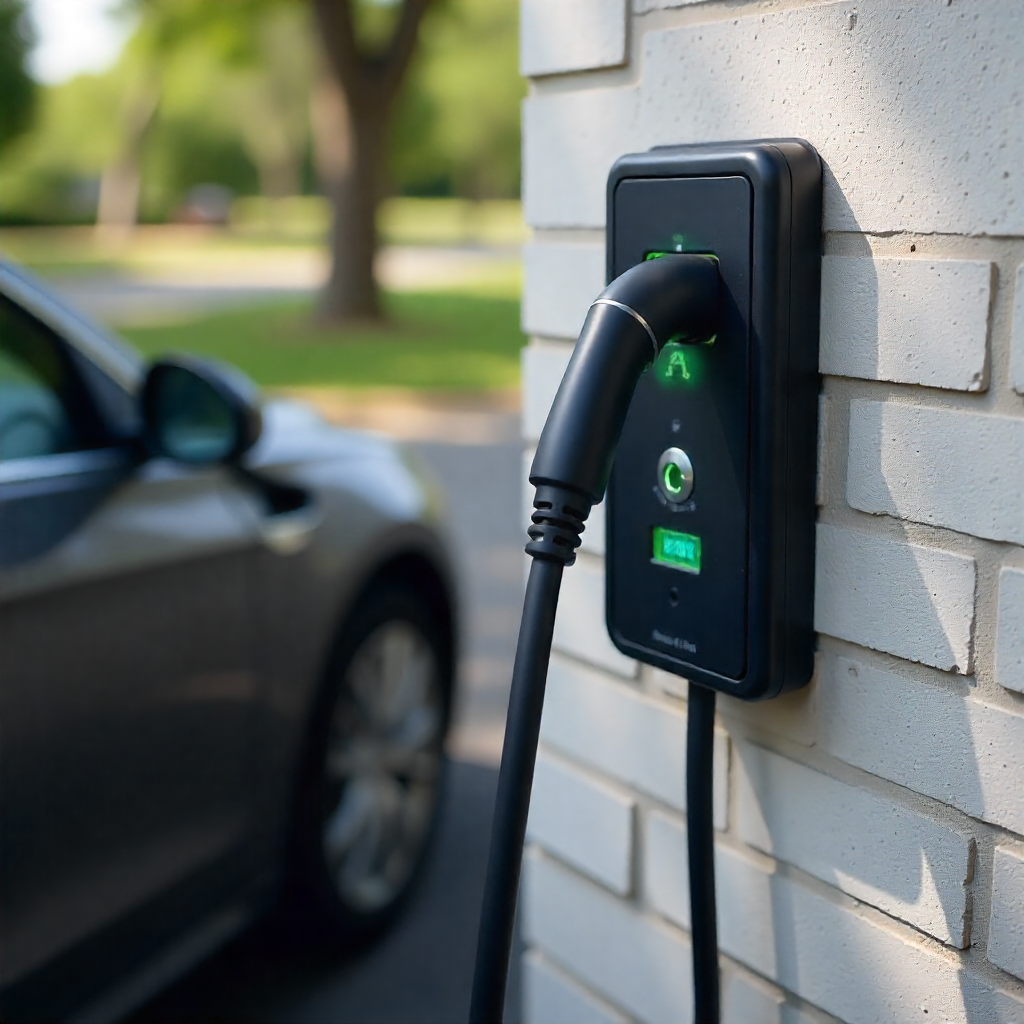
The decision to install an EV charger indoors or outdoors depends on several factors, including the location of your parking area and the type of EV charger you choose.
Weather Protection Requirements
For outdoor installations, it’s vital to select an EV charger with appropriate weather protection ratings to withstand various environmental conditions.
Garage vs. Driveway Considerations
Installing an EV charger in a garage can offer more protection from the elements, but driveway installations are also common. Consider the convenience and accessibility of each location.
Permits and Code Compliance
Compliance with local building codes and regulations is mandatory for EV charger installations. This often involves obtaining the necessary permits before commencing the installation.
Local Building Codes
Local building codes dictate the standards for electrical installations, including EV chargers. Homeowners must familiarize themselves with these codes to ensure compliance.
HOA Restrictions
For residents living in communities governed by Homeowners Associations (HOAs), there may be additional restrictions or requirements for EV charger installations. It’s essential to review your HOA’s rules before proceeding.
| Installation Factor | Indoor Installation | Outdoor Installation |
| Weather Protection | Not Required | Essential |
| Accessibility | High | Variable |
| Cost | Generally Lower | May be Higher |
Cost Breakdown for Home EV Chargers
When considering a home EV charger, it’s essential to break down the various costs involved. Understanding these expenses will help you make an informed decision and budget accordingly.
Equipment Costs
The cost of the EV charger itself is a significant factor. Entry-level units can be more affordable, while premium models offer advanced features.
Entry-Level vs. Premium Units
Entry-level chargers typically cost between $300 to $500, offering basic charging functionality. Premium units, on the other hand, can range from $800 to $1,200, featuring smart technology, faster charging, and enhanced user interfaces.
Additional Accessories
Additional accessories, such as mounting hardware or cable management systems, can add to the overall cost. These extras can range from $50 to $200, depending on the complexity and brand.
Installation Expenses
Installation costs can vary significantly based on the complexity of the job.
Standard Installation Costs
A standard installation, which involves minimal electrical upgrades, can cost between $500 to $1,000. This typically includes labor and necessary permits.
Complex Installation Scenarios
More complex installations, requiring significant electrical panel upgrades or longer cable runs, can increase costs to $1,500 or more.
Operational Costs and Savings
Understanding the operational costs and potential savings is crucial for evaluating the long-term value of a home EV charger.
Electricity Rate Considerations
Your electricity rate will significantly impact your charging costs. For example, charging during off-peak hours can reduce expenses. According to the U.S. Energy Information Administration, the average residential electricity rate is around 13 cents per kWh.
| Electricity Rate (cents/kWh) | Monthly Charging Cost |
| 10 | $30 |
| 15 | $45 |
| 20 | $60 |
Maintenance Requirements
Regular maintenance is essential to ensure the longevity of your EV charger. While maintenance costs are generally low, budgeting around $50 to $100 annually is advisable.
“Investing in a home EV charger not only provides convenience but can also offer long-term savings on fuel costs.”
— EV Charging Expert
Available Incentives and Rebates
Homeowners looking to install EV chargers can benefit from numerous incentives and rebates available across the United States. These incentives can significantly reduce the upfront costs associated with purchasing and installing a home EV charger.
Federal Tax Credits
The federal government offers tax credits to encourage the adoption of electric vehicles and the installation of EV charging infrastructure. Homeowners can claim a tax credit of up to $1,000 for the installation of a home EV charger, which can help offset the initial investment.
State and Local Incentives
In addition to federal tax credits, many states and local governments offer their own incentives for EV charger installations. These can include rebates, grants, or special financing options. For example, some states provide rebates of up to $500 for the purchase and installation of a Level 2 EV charger.
Utility Company Programs
Utility companies also play a crucial role in promoting the adoption of EV charging infrastructure. Many utility companies offer special programs for EV owners, including discounted rates for charging during off-peak hours.
Time-of-Use Rate Plans
Time-of-use rate plans allow EV owners to charge their vehicles at a lower cost during off-peak hours, typically at night. This can significantly reduce the operational costs of owning an electric vehicle.
Special EV Charging Rates
Some utility companies offer special EV charging rates that are lower than standard electricity rates. These rates can provide additional savings for EV owners who charge their vehicles at home.
Top Home EV Charger Options in 2023
For those considering an upgrade or first-time installation, 2023 presents a range of top-notch home EV charger options. The market has evolved significantly, offering various choices that cater to different needs, budgets, and preferences.
Best Overall Chargers
The best overall chargers stand out for their performance, reliability, and innovative features. Two models that are highly regarded in this category are the ChargePoint Home Flex and the JuiceBox 40.
ChargePoint Home Flex
The ChargePoint Home Flex is a highly versatile charger that can be configured to charge at various rates, making it suitable for a wide range of electric vehicles. Its smart features allow for remote monitoring and control, enhancing user convenience.
JuiceBox 40
The JuiceBox 40 is another top-rated charger known for its compact design and robust performance. It offers smart charging capabilities, including scheduling and energy usage tracking, making it a popular choice among EV owners.
Budget-Friendly Options
For those on a budget, there are still excellent EV charger options available. The Grizzl-E Classic and Lectron Level 2 are two budget-friendly models that offer reliable performance without breaking the bank.
Grizzl-E Classic
The Grizzl-E Classic is a straightforward, no-frills charger that provides reliable charging capabilities. It’s an excellent choice for those looking for a simple, cost-effective solution.
Lectron Level 2
The Lectron Level 2 charger is another affordable option that doesn’t compromise on performance. It’s designed to be user-friendly and compatible with a variety of electric vehicles.
| Model | Charging Speed | Smart Features | Price Range |
| ChargePoint Home Flex | Up to 50 amps | Yes | $500-$700 |
| JuiceBox 40 | Up to 40 amps | Yes | $400-$600 |
| Grizzl-E Classic | Up to 40 amps | No | $300-$500 |
| Lectron Level 2 | Up to 40 amps | No | $250-$450 |
Premium Features Worth Considering
Some EV chargers come with premium features that enhance the charging experience. Two notable features are power sharing capabilities and energy management systems.
Power Sharing Capabilities
Power sharing allows multiple electric vehicles to be charged from a single charging station, optimizing electrical capacity and reducing costs.
Energy Management Systems
Energy management systems enable homeowners to monitor and control their energy usage more effectively, ensuring that their EV charging needs are met without overloading their electrical system.
Common Mistakes to Avoid When Installing a Home Charger
To ensure a smooth home EV charger installation, it’s essential to recognize and avoid common errors. Installing an EV charger at home can be a significant investment, and avoiding mistakes can save time and money in the long run.
Underestimating Electrical Requirements
One of the most critical mistakes is underestimating the electrical requirements for your EV charger. It’s crucial to assess your home’s electrical capacity to ensure it can support the additional load. A dedicated 240-volt circuit is typically required for Level 2 chargers. Failure to upgrade your electrical panel or circuit can lead to safety issues and inefficient charging.
Poor Placement Decisions
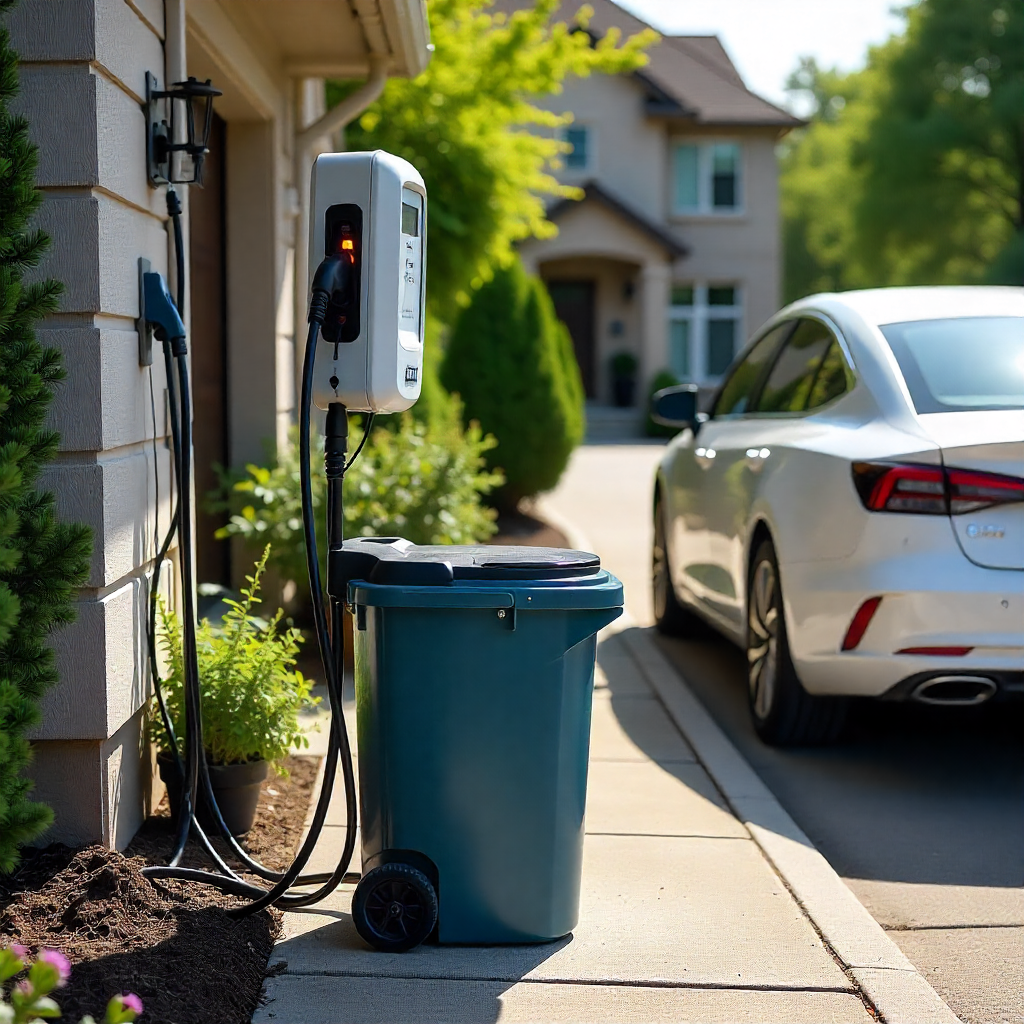
Poor placement of your EV charger can lead to inconvenience and additional costs. Consider the location of your electrical panel, the parking spot, and the routing of the cable. Installing the charger in a location that is easily accessible and minimizes cable length can enhance the overall user experience.
Skipping Professional Installation
While DIY installation might seem cost-effective, skipping professional installation can lead to safety hazards and code compliance issues. A certified electrician can ensure that the installation is done correctly, and any necessary permits are obtained. This not only ensures safety but also potentially increases your home’s value.
| Common Mistake | Consequence | Solution |
| Underestimating Electrical Requirements | Safety issues, inefficient charging | Assess and upgrade electrical capacity as needed |
| Poor Placement Decisions | Inconvenience, additional costs | Choose an accessible location, minimize cable length |
| Skipping Professional Installation | Safety hazards, code compliance issues | Hire a certified electrician for installation |
Conclusion
As you consider installing a home EV charger, it’s essential to summarize the key points discussed throughout this article. Understanding the basics of EV charging, evaluating key factors, and avoiding common mistakes are crucial for a successful and beneficial home EV charging experience.
A comprehensive EV charging summary highlights the importance of assessing your vehicle’s charging capabilities, daily driving habits, and available home electrical capacity. This evaluation will help you choose the right home EV charger that meets your needs.
By understanding the different types of home EV chargers, including Level 1 and Level 2 chargers, and considering factors like installation requirements and costs, you can make an informed decision. Additionally, being aware of available incentives and rebates can help offset the costs.
In conclusion, a well-informed decision on a home EV charger requires careful consideration of several factors. By avoiding common mistakes and choosing the right charger, you can enjoy the convenience and benefits of home EV charging. This home EV charger conclusion serves as a guide to help you navigate the process and make the most of your investment.
FAQ
What is the difference between Level 1 and Level 2 EV chargers?
Level 1 chargers use a standard 120-volt outlet and charge at a slower rate, while Level 2 chargers require a 240-volt charging station and charge at a faster rate, making them more suitable for daily driving needs.
How long does it take to fully charge an electric vehicle at home?
The time it takes to fully charge an electric vehicle at home depends on the type of charger used, the vehicle’s battery capacity, and its charging capabilities. Level 2 chargers can typically fully charge a vehicle in 4-8 hours.
Can I install a home EV charger myself?
While it’s possible to install a home EV charger yourself, it’s highly recommended to hire a professional electrician to ensure a safe and proper installation, especially if you’re not familiar with electrical work.
Are there any incentives available for installing a home EV charger?
Yes, there are federal tax credits, state and local incentives, and utility company programs available that can help offset the costs of installing a home EV charger, such as ChargePoint’s rebates and utility company special EV charging rates.
How do I determine my home’s electrical capacity for EV charging?
To determine your home’s electrical capacity, you’ll need to assess your electrical panel’s load calculations and potentially upgrade your electrical service if necessary, consulting with a licensed electrician to ensure your home can support the additional load.
What are the benefits of smart EV chargers compared to basic models?
Smart EV chargers offer connected features like scheduling, energy monitoring, and remote control, making it easier to manage your energy consumption and optimize your charging experience, with some models like JuiceBox 40 offering Wi-Fi connectivity and mobile app control.
Can I use a home EV charger with multiple electric vehicles?
Yes, some home EV chargers are designed to support multiple vehicles, either through power sharing or multiple charging ports, but it’s essential to check the charger’s specifications and compatibility with your vehicles, such as ChargePoint’s Home Flex.