
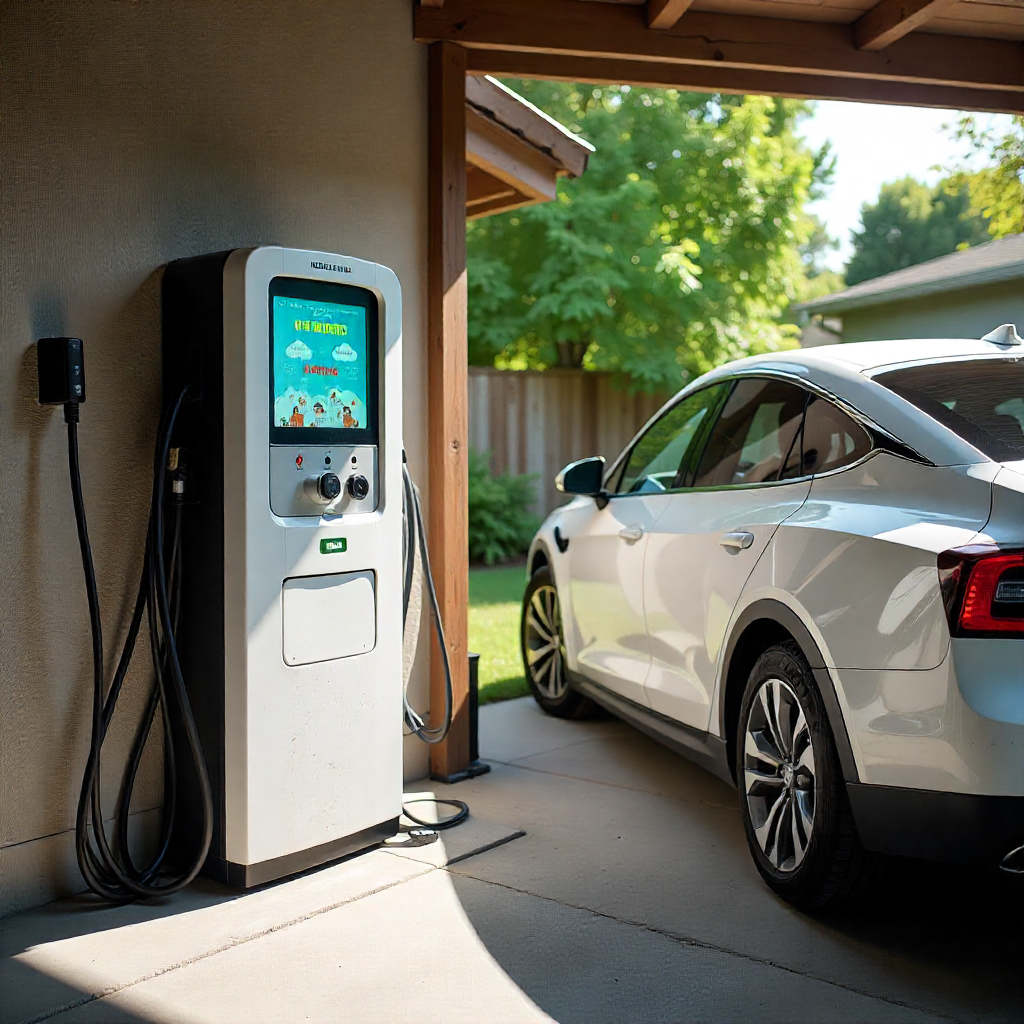
Electric vehicles (EVs) are transforming the way we travel, offering sustainability, efficiency, and cost savings. However, one of the most common questions among new EV owners is how and where to charge their vehicles conveniently. A term you’ll often hear is Level 1 Charging (Standard Household Outlet) — the simplest and most accessible way to power up an electric car at home.
In this detailed guide, we’ll break down everything you need to know about Level 1 charging — how it works, how fast it is, the pros and cons, safety considerations, and whether it’s right for your lifestyle. By the end, you’ll have a clear understanding of this charging method and how it fits into the world of electric mobility.
What Is Level 1 Charging (Standard Household Outlet)?
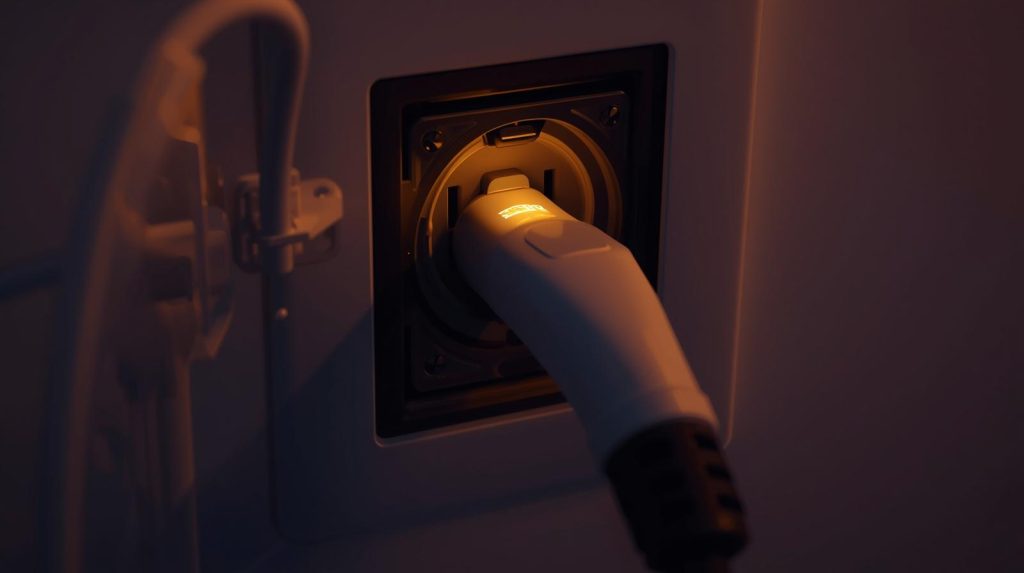
When we talk about Level 1 Charging (Standard Household Outlet), we’re referring to using a regular 120-volt AC outlet — the same type of plug you use for everyday appliances like lamps, TVs, or microwaves.
This charging method doesn’t require any specialized equipment or professional installation. You simply plug your vehicle’s included charging cable into the outlet and let it charge. It’s the slowest form of EV charging but also the most accessible — ideal for overnight charging or light daily driving needs.
Most EVs come with a Level 1 charging cable as standard equipment, allowing you to start charging immediately after purchase, without additional setup or investment.
How Does Level 1 Charging Work?
The science behind Level 1 Charging (Standard Household Outlet) is straightforward:
- Power Source:
You connect the charger to a 120-volt outlet (typically rated for 15 or 20 amps). - Conversion Process:
The onboard charger in your EV converts alternating current (AC) electricity from the outlet into direct current (DC) to charge the battery. - Charging Rate:
Level 1 chargers typically provide 2 to 5 miles of range per hour, depending on your car’s battery size and efficiency. - Charging Time:
For a full charge, it can take anywhere from 8 to 20 hours — making it best suited for overnight charging or low daily mileage.
When Is Level 1 Charging (Standard Household Outlet) the Right Choice?
Level 1 charging isn’t for everyone, but it’s surprisingly practical in many situations.
You should consider this charging method if:
- You drive less than 40 miles per day.
- You can leave your EV plugged in overnight.
- You live in an area with limited charging infrastructure.
- You want a no-cost, low-maintenance charging solution.
For apartment dwellers or those who can’t install a dedicated charging station, Level 1 Charging (Standard Household Outlet) offers a convenient and cost-effective way to keep your EV ready for daily use.
Equipment Needed for Level 1 Charging (Standard Household Outlet)
Unlike Level 2 or DC fast chargers, Level 1 charging requires minimal equipment:
1. Charging Cable (Portable EVSE)
Most EVs include a Level 1 EVSE (Electric Vehicle Supply Equipment) cable in the trunk. It has a standard three-prong plug for household outlets and connects directly to your vehicle’s charging port.
2. Grounded 120-Volt Outlet
Ensure the outlet is grounded and connected to a dedicated circuit to prevent overloading.
3. Outdoor Use Protection (If Needed)
If you’re charging outdoors, use a weatherproof outlet cover and avoid using extension cords, as they can cause overheating or electrical hazards.
Advantages of Level 1 Charging (Standard Household Outlet)
Despite being the slowest charging option, Level 1 charging has several key benefits:
1. Convenience
Plug into any standard outlet — no installation, permits, or upgrades required.
2. Cost-Effective
No need for an electrician or specialized equipment. Electricity rates are often lowest at night, making overnight charging inexpensive.
3. Accessibility
Perfect for renters, apartment residents, or anyone without permission to install a dedicated charger.
4. Battery Longevity
Slower charging produces less heat, which can extend battery life compared to frequent use of fast chargers.
5. Backup Charging Option
Even if you later upgrade to a Level 2 charger, Level 1 charging serves as a reliable backup when traveling or during emergencies.
Limitations of Level 1 Charging (Standard Household Outlet)
While Level 1 Charging (Standard Household Outlet) is simple and affordable, it’s not without drawbacks:
1. Slow Charging Speed
Adding only 2–5 miles of range per hour, it can take more than a full day to completely recharge large-battery EVs.
2. Not Ideal for Long-Distance Drivers
If you frequently drive more than 50–60 miles daily, Level 1 charging may not keep up with your energy needs.
3. Requires Continuous Access to Outlet
Since it takes many hours to charge, the outlet will be occupied most of the time.
4. Circuit Limitations
Plugging into an overloaded circuit can cause tripped breakers or overheating. It’s important to use a dedicated 15A or 20A outlet.
5. Outdoor Limitations
Charging in extreme weather can be risky if the outlet isn’t weatherproof or properly grounded.
How Long Does Level 1 Charging Take?
The exact charging time depends on battery capacity, temperature, and charger efficiency.
Here’s a general overview:
| EV Battery Size | Estimated Range (Miles) | Time to Fully Charge with Level 1 (Hours) |
|---|---|---|
| 30 kWh | 150 miles | 10–12 hours |
| 50 kWh | 250 miles | 16–20 hours |
| 70 kWh | 300 miles | 20–28 hours |
| 100 kWh | 400 miles | 30+ hours |
For most daily drivers, plugging in overnight provides sufficient range for the next day’s commute, even if not fully charged.
H3 — Level 1 Charging (Standard Household Outlet) vs. Level 2 Charging
One of the most common questions new EV owners ask is: Should I stick with Level 1 charging or upgrade to Level 2?
Let’s compare:
| Feature | Level 1 Charging (Standard Household Outlet) | Level 2 Charging |
|---|---|---|
| Voltage | 120V | 240V |
| Installation Cost | $0 | $500–$2,000 |
| Charging Speed | 2–5 miles/hour | 20–40 miles/hour |
| Ideal For | Overnight, light use | Daily drivers, multi-EV homes |
| Accessibility | Any household outlet | Requires dedicated circuit |
| Best Use Case | Home backup or slow overnight charging | Primary home charging method |
So while Level 2 charging offers faster speeds, Level 1 Charging (Standard Household Outlet) remains a practical, entry-level solution — especially for drivers with shorter commutes.
Safety Tips for Level 1 Charging (Standard Household Outlet)
Charging an EV from a standard outlet is safe when done correctly. Follow these safety practices to avoid potential hazards:
- Use a Dedicated Circuit – Avoid sharing the outlet with other devices.
- Inspect the Plug and Cord Regularly – Look for damage, burns, or fraying.
- Avoid Extension Cords – They can overheat under continuous load.
- Use a Ground Fault Circuit Interrupter (GFCI) – Provides added safety against electric shock.
- Keep Charging Equipment Dry – Protect outlets and cables from rain or snow.
- Charge During Off-Peak Hours – Reduces electrical stress and costs.
Energy Consumption and Cost of Level 1 Charging
One of the advantages of Level 1 Charging (Standard Household Outlet) is its efficiency for daily needs.
Here’s a quick breakdown of charging costs:
- Average electricity rate (U.S.): $0.13 per kWh
- Average EV consumption: 30 kWh per 100 miles
- Cost per 100 miles = 30 × $0.13 = $3.90
That means you can drive 100 miles for less than $4 — much cheaper than gasoline. Even with slow charging, Level 1 remains one of the most economical options for EV owners.
Future of Level 1 Charging (Standard Household Outlet)
As EV technology evolves, so will charging methods. However, Level 1 charging will likely remain relevant for years due to its simplicity and accessibility.
Innovations like smart chargers and load management systems are improving efficiency, allowing users to schedule and optimize charging sessions to minimize strain on the grid.
For plug-in hybrid vehicles (PHEVs) and short-range EVs, Level 1 charging will continue to be sufficient and sustainable.
Environmental Benefits of Level 1 Charging (Standard Household Outlet)
Slow charging isn’t just gentle on batteries — it’s also better for the environment. Because it draws lower current, it reduces peak electricity demand and grid stress.
Additionally:
- Level 1 charging can be powered by renewable energy, like solar panels.
- It promotes energy efficiency and reduces dependence on fossil fuels.
- Fewer upgrades or installations mean a smaller carbon footprint.
So, in many ways, Level 1 Charging (Standard Household Outlet) is the most eco-friendly charging method available.
Is Level 1 Charging (Standard Household Outlet) Enough for Everyday Use?
Yes — for most commuters and casual drivers, it’s more than enough.
If you typically drive 20–30 miles per day, plugging in overnight replenishes your daily range with ease. While long-distance travelers or multi-EV households may benefit from faster options, Level 1 charging remains practical, affordable, and dependable for everyday needs.
Frequently Asked Questions (FAQs)
Q1. Can I charge my EV from any outlet at home?
Yes, but ensure it’s a grounded 120V outlet in good condition. Avoid power strips or extension cords.
Q2. Does Level 1 charging harm the battery?
No — in fact, slow charging generates less heat, which can extend battery life.
Q3. How much range do I get from overnight charging?
Typically 30–50 miles of range after 10–12 hours of Level 1 charging.
Q4. Can I use Level 1 charging outdoors?
Yes, but only with weatherproof outlets and covers designed for outdoor use.
Q5. Is Level 1 charging safe for all vehicles?
Absolutely. All EVs and plug-in hybrids support Level 1 charging through the included cable.
Conclusion
In summary, Level 1 Charging (Standard Household Outlet) is the simplest and most accessible way to charge an electric vehicle. While it’s slower than other options, it’s safe, affordable, and ideal for drivers with modest daily mileage.
Whether you’re new to EV ownership or looking for a reliable backup charging method, Level 1 charging offers unmatched convenience — plug in at night, wake up to a charged car, and enjoy the future of eco-friendly driving without expensive upgrades.