
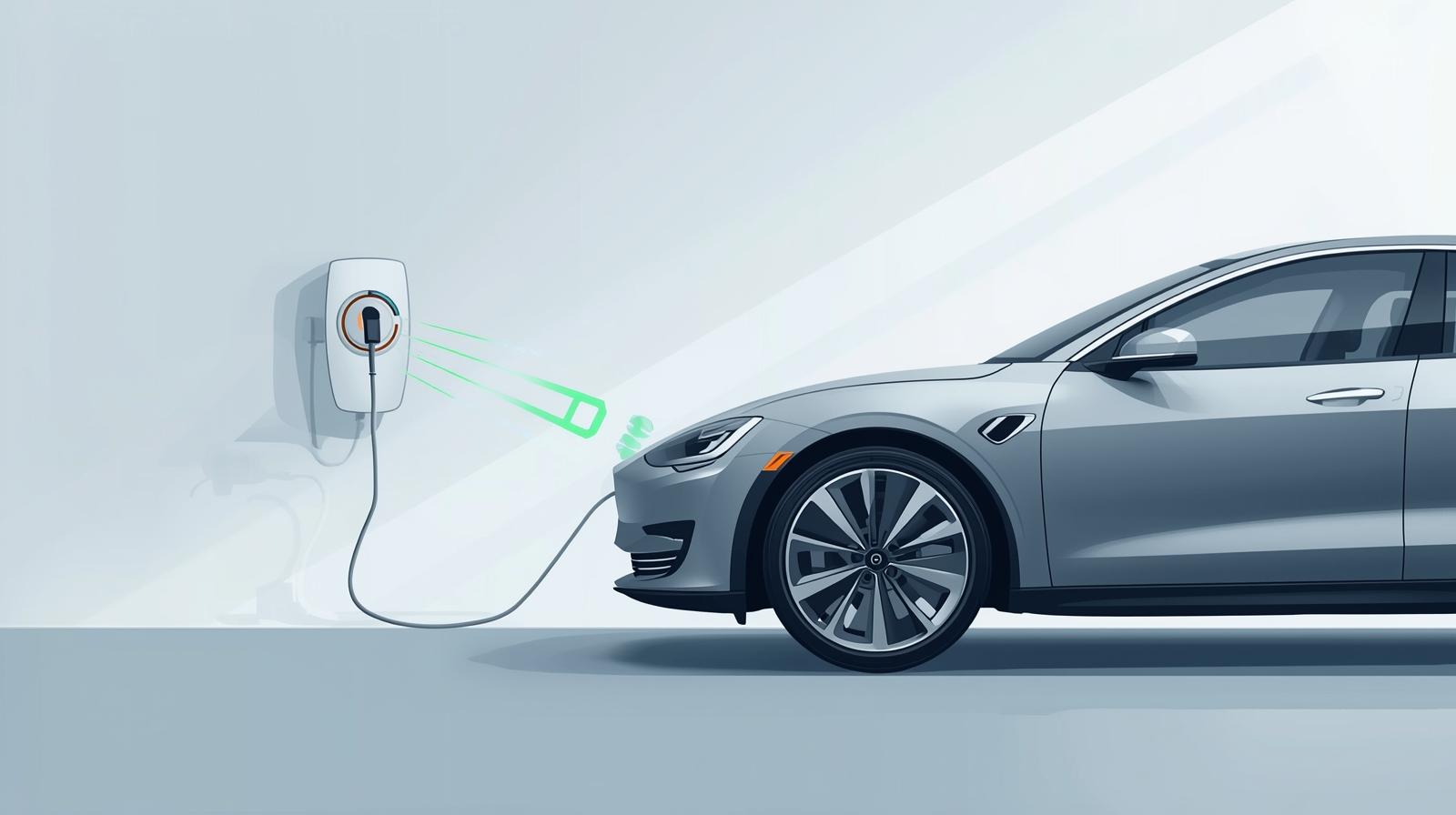
As electric vehicles (EVs) continue to revolutionize the automotive industry, charging infrastructure has become a major focus for drivers and manufacturers alike. While Level 1 charging is convenient, it’s often too slow for modern lifestyles. That’s where Level 2 Charging (Faster Home & Public Charging) comes in — the perfect balance between convenience, speed, and cost.
In this comprehensive guide, we’ll explore everything you need to know about Level 2 Charging (Faster Home & Public Charging) — how it works, why it’s faster, what equipment you need, installation tips, costs, and its benefits for both home and public use.
What Is Level 2 Charging (Faster Home & Public Charging)?
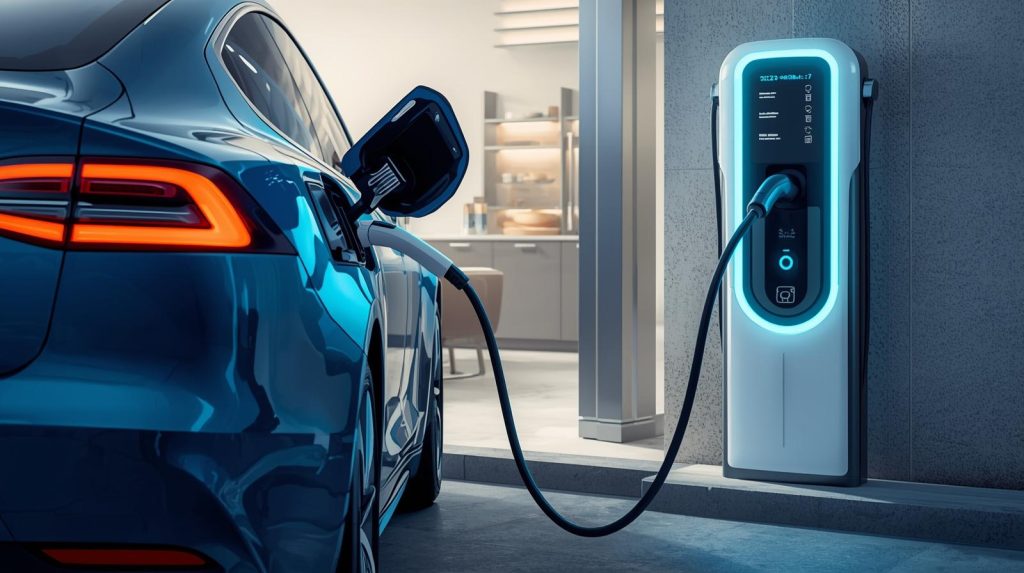
Level 2 Charging (Faster Home & Public Charging) refers to the use of 240-volt electrical outlets (similar to what powers dryers and ovens) to charge electric vehicles. Unlike Level 1 chargers that use standard 120V outlets, Level 2 chargers deliver significantly more power, resulting in 3 to 10 times faster charging speeds.
Level 2 chargers can be installed at home, in workplaces, and at public charging stations. They provide the ideal combination of convenience and efficiency, allowing EV owners to fully recharge their vehicles in a matter of hours instead of overnight or longer.
A typical Level 2 charger adds 20 to 60 miles of range per hour, depending on the car’s battery size and the charger’s amperage.
How Does Level 2 Charging (Faster Home & Public Charging) Work?
To understand Level 2 Charging, it helps to break down how the system functions:
- Power Source – Level 2 chargers draw from a 240V circuit, either hardwired or connected via a NEMA 14-50 outlet.
- Charging Station (EVSE) – The Electric Vehicle Supply Equipment manages the flow of electricity safely.
- Onboard Charger – Inside your EV, the onboard charger converts AC (alternating current) into DC (direct current) that powers the battery.
- Battery Storage – The DC power is stored in the battery to drive the vehicle.
Because of the higher voltage and amperage, Level 2 charging delivers significantly more energy per hour compared to Level 1 charging.
Key Components of Level 2 Charging (Faster Home & Public Charging)
A Level 2 charging setup involves three main components:
1. Charging Equipment (EVSE)
This is the physical charging station that connects to your vehicle. It includes safety mechanisms to regulate current and prevent overcharging.
2. Power Supply (240V Circuit)
Level 2 chargers require a dedicated 240V power source, similar to large household appliances.
3. Connector Type
Most EVs use the J1772 connector for Level 2 charging in North America, while Tesla uses its own proprietary plug (with adapters available).
Advantages of Level 2 Charging (Faster Home & Public Charging)
1. Much Faster Charging
The biggest advantage is speed. Level 2 charging can fully recharge an average EV in 4 to 10 hours, depending on the battery size.
2. Convenient for Daily Use
With Level 2 charging, plugging in your car overnight or during the day easily keeps your EV charged and ready for longer trips.
3. Adds Property Value
Installing a home Level 2 charger can increase your property’s appeal to potential buyers — especially as EV ownership grows.
4. Compatible with Most EVs
Nearly every electric vehicle supports Level 2 charging, making it a universal standard for modern EVs.
5. Smarter Energy Management
Modern Level 2 chargers include Wi-Fi connectivity and smart features for scheduling, energy monitoring, and integration with solar systems.
Disadvantages of Level 2 Charging (Faster Home & Public Charging)
No technology is perfect. Here are a few drawbacks to consider:
1. Higher Upfront Cost
Installation costs can range from $500 to $2,000, depending on your electrical setup and equipment.
2. Requires Professional Installation
Since it involves a 240V circuit, hiring a licensed electrician is necessary for safety and compliance.
3. Limited Portability
Unlike Level 1 chargers, Level 2 units are usually mounted or hardwired, making them less portable.
4. Dependence on Electrical Capacity
Some older homes might need electrical panel upgrades before installing a Level 2 charger.
Level 1 vs. Level 2 Charging: What’s the Difference?
| Feature | Level 1 Charging | Level 2 Charging |
|---|---|---|
| Voltage | 120V | 240V |
| Miles of Range per Hour | 2–5 miles | 20–60 miles |
| Full Charge Time | 20–40 hours | 4–10 hours |
| Equipment Cost | Minimal | $300–$1,000 |
| Installation | Plug-and-play | Requires electrician |
| Ideal For | Light daily use | Regular or long commutes |
Clearly, Level 2 Charging (Faster Home & Public Charging) is the sweet spot for EV owners looking for faster, everyday charging without the expense of DC fast chargers.
Installing Level 2 Charging (Faster Home & Public Charging) at Home
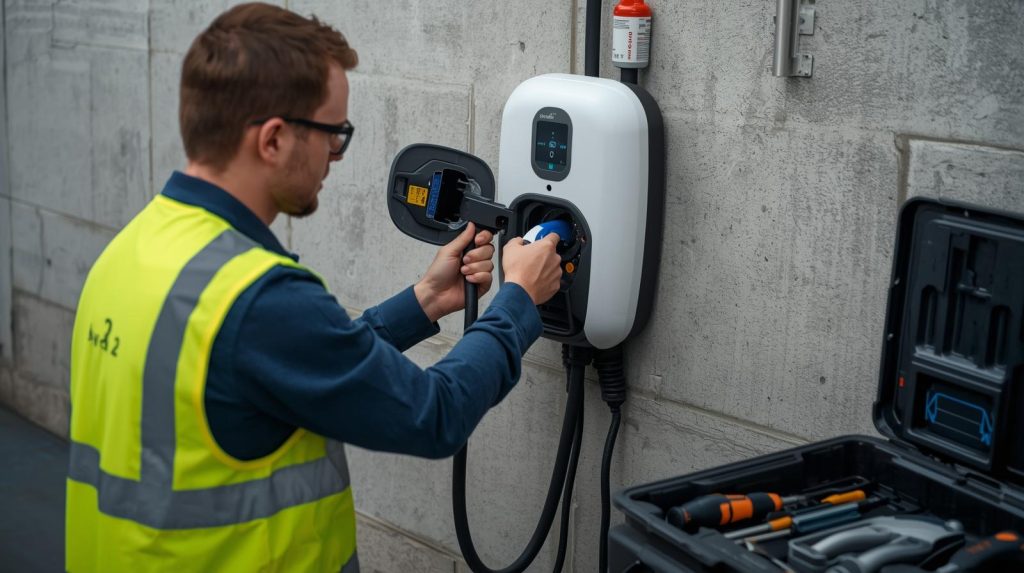
Installing a Level 2 home charger involves several steps:
1. Evaluate Your Electrical Panel
Ensure your home’s electrical system can handle the extra load. You’ll likely need a dedicated 240V circuit with 30–50 amps.
2. Choose the Right Charger
Popular brands include ChargePoint, JuiceBox, Blink, and Tesla Wall Connector. Look for units with Wi-Fi, mobile apps, and adjustable amperage.
3. Hire a Licensed Electrician
A professional will safely install the 240V circuit, mount the charger, and ensure compliance with local electrical codes.
4. Apply for Incentives
Many governments and utilities offer rebates or tax credits for EV charger installation.
5. Enjoy Faster Charging
Once installed, plug in your EV and enjoy quick, reliable home charging every day.
How Much Does Level 2 Charging Cost?
The cost of Level 2 Charging (Faster Home & Public Charging) depends on two factors:
- Equipment: $300–$1,000 for the charger itself.
- Installation: $200–$2,000 depending on distance from your panel, wiring needs, and permits.
On average, a complete setup costs $800–$1,500.
However, electricity costs remain low — charging an EV at home usually costs 3–4 times less than refueling with gasoline.
Using Level 2 Charging in Public Spaces
Public Level 2 charging stations are widely available in parking lots, workplaces, malls, and residential buildings.
These chargers are typically networked, allowing users to locate, reserve, and pay for charging sessions via apps like:
- PlugShare
- ChargePoint
- Electrify America
- EVgo
Charging costs vary — from free to $0.30 per kWh, depending on the provider.
Public Level 2 chargers are perfect for top-ups while shopping, working, or dining.
Safety Tips for Level 2 Charging (Faster Home & Public Charging)
- Always use a certified charger from trusted manufacturers.
- Ensure proper grounding and surge protection.
- Have your charger professionally installed.
- Avoid overloading circuits or using extension cords.
- Regularly inspect cables for wear or damage.
- Keep outdoor chargers weatherproofed and protected.
Safety first ensures both your EV and electrical system remain in top condition.
Smart Features of Modern Level 2 Chargers
The latest generation of Level 2 chargers come packed with smart technologies:
- Wi-Fi and App Control – Start, stop, and schedule charging from your smartphone.
- Energy Monitoring – Track electricity usage and cost.
- Load Balancing – Prevent overloading when using multiple chargers.
- Integration with Solar Panels – Charge your EV directly from renewable energy.
- Voice Assistant Compatibility – Some work with Alexa or Google Assistant.
These innovations make Level 2 charging more convenient and efficient than ever.
Environmental Impact of Level 2 Charging (Faster Home & Public Charging)
Level 2 chargers not only make EV ownership more practical but also support sustainability:
- Reduced Carbon Emissions: EVs produce zero tailpipe emissions.
- Grid Efficiency: Most people charge at night when energy demand is lower.
- Renewable Integration: Many Level 2 chargers can be powered by solar energy.
By combining faster charging with clean power, Level 2 charging represents a key step toward carbon-free mobility.
When Should You Upgrade to Level 2 Charging?
You should consider upgrading if:
- You drive more than 40 miles daily.
- You want faster turnaround between trips.
- You own multiple EVs.
- You prefer smart control and energy tracking.
In short, Level 2 Charging (Faster Home & Public Charging) is perfect for anyone serious about EV ownership.
The Future of Level 2 Charging (Faster Home & Public Charging)
As technology evolves, Level 2 chargers will become:
- More affordable and efficient
- Integrated with home energy management systems
- Capable of bidirectional charging (powering homes or sending energy back to the grid)
- Widespread in workplaces, hotels, and communities
The future of EV charging is fast, connected, and sustainable — and Level 2 charging is leading the way.
FAQs About Level 2 Charging (Faster Home & Public Charging)
1. How fast is Level 2 charging?
Level 2 chargers add 20–60 miles of range per hour, depending on your EV and charger amperage.
2. Can I install a Level 2 charger myself?
No, you should hire a licensed electrician to ensure safety and code compliance.
3. How much does a Level 2 charger cost?
Expect to spend $800–$1,500 for equipment and installation combined.
4. Are public Level 2 chargers free?
Some are free, but most cost between $0.20–$0.30 per kWh.
5. Does Level 2 charging damage my battery?
No, Level 2 charging is safe and recommended for regular use by all major EV manufacturers.
Conclusion
Level 2 Charging (Faster Home & Public Charging) bridges the gap between slow household charging and high-speed commercial solutions. It’s affordable, efficient, and ideal for everyday use, whether at home or on the go.
With faster charging times, smart connectivity, and broad compatibility, Level 2 charging ensures your EV is always ready for the road ahead. For most drivers, it’s the perfect balance between performance, cost, and convenience — making electric mobility truly practical.