

As the automotive industry rapidly shifts toward sustainability, the debate over EV vs Gas Cars has become one of the hottest topics among car buyers, enthusiasts, and environmentalists alike. Electric Vehicles (EVs) are celebrated for their eco-friendly technology and lower running costs, while traditional gasoline-powered cars are valued for their range, convenience, and established infrastructure.
In this comprehensive guide, we’ll dive deep into the EV vs Gas Cars comparison — exploring performance, cost, environmental impact, maintenance, and long-term ownership — to help you decide which vehicle truly fits your lifestyle and future needs.
Understanding the Basics — What Sets EV vs Gas Cars Apart?
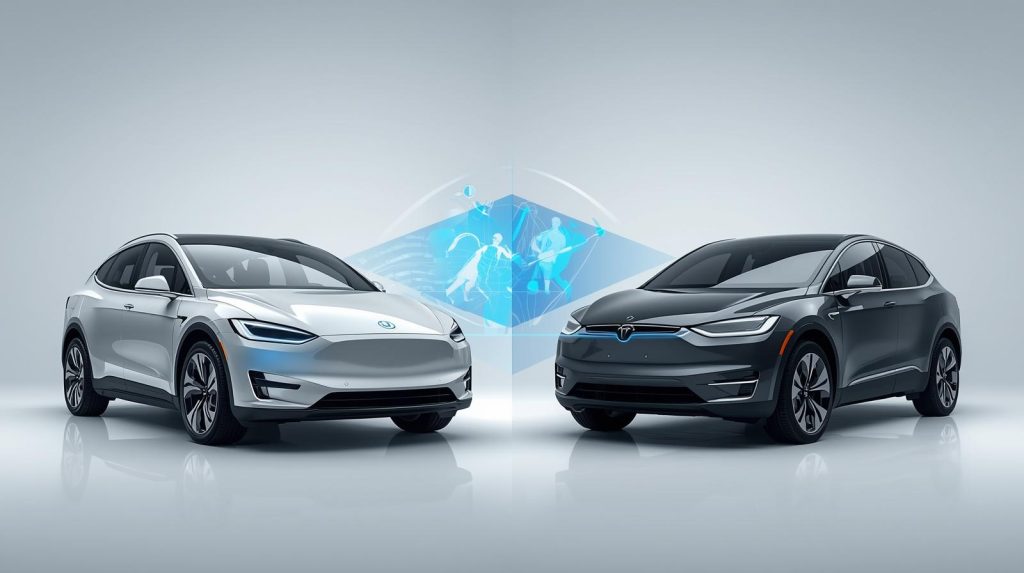
Before you can compare EV vs Gas Cars, it’s important to understand what makes them fundamentally different.
Electric Vehicles (EVs)
EVs run entirely on electricity, using energy stored in rechargeable batteries. These batteries power an electric motor, which drives the car’s wheels. There’s no gasoline engine, no exhaust system, and no oil changes.
EVs can be charged at home using Level 1 or Level 2 chargers, or at public DC fast charging stations.
Gasoline Cars
Gas cars rely on internal combustion engines (ICEs), which burn gasoline to generate power. The process releases CO₂ and other emissions into the atmosphere. While they offer longer driving ranges and quick refueling, they come with higher fuel and maintenance costs over time.
In short, EVs are powered by electricity, while gas cars are powered by fossil fuels. This simple difference defines everything from performance to cost and environmental impact.
EV vs Gas Cars — Cost Comparison
One of the most common questions among buyers is: Are EVs cheaper to own than gas cars? The answer lies in both upfront and long-term costs.
Purchase Price
Traditionally, EVs have been more expensive than gas cars due to costly lithium-ion batteries. However, prices are steadily dropping as technology improves and production scales up.
Many countries also offer EV tax credits and government incentives, which significantly reduce the initial cost. In some cases, these incentives can make an EV nearly the same price — or even cheaper — than a comparable gas car.
Fuel vs Electricity Costs
When comparing EV vs Gas Cars, fueling is where EVs clearly win. Charging an EV typically costs 60–80% less per mile than filling a gas tank.
For example, driving 100 miles might cost:
- EV: $3–$5 (electricity)
- Gas car: $12–$15 (gasoline)
If you drive frequently, those savings quickly add up.
Maintenance and Repairs
EVs have fewer moving parts — no oil changes, spark plugs, or transmission repairs. This results in lower maintenance costs and fewer trips to the mechanic.
Gas cars, on the other hand, require regular servicing to keep the engine running smoothly. Over a 10-year period, EV owners can save thousands of dollars in maintenance costs.
EV vs Gas Cars — Environmental Impact
Emissions and Pollution
One of the strongest arguments for EVs is their environmental benefit. EVs produce zero tailpipe emissions, reducing air pollution and greenhouse gases.
While manufacturing EV batteries does have an environmental footprint, studies show that EVs make up for it within the first few years of driving through reduced emissions.
Gas cars, by contrast, emit CO₂ and nitrogen oxides throughout their lifespan, contributing significantly to global warming and air pollution.
Energy Source
The environmental advantage of EVs depends on where their electricity comes from. In areas where renewable energy (like solar or wind) powers the grid, EVs are almost carbon-neutral.
Even when powered by fossil-fuel-generated electricity, EVs are still cleaner overall than gas cars.
EV vs Gas Cars — Performance and Driving Experience
Acceleration and Power
EVs deliver instant torque, giving them faster acceleration and smoother performance. For example, many EVs can go from 0–60 mph in under 5 seconds — something only high-end gas cars could once achieve.
Gas cars, while powerful, rely on mechanical gear shifts and engine revs, leading to slower response times.
Noise and Comfort
EVs are quieter, offering a calm, vibration-free driving experience. The absence of engine noise makes EVs feel futuristic and refined.
Gas cars, especially those with larger engines, produce noticeable noise and vibration — something enthusiasts may love but others may find tiring.
Handling and Stability
EVs have low centers of gravity due to heavy battery placement, improving stability and cornering performance. Gas cars vary in handling depending on engine placement and drivetrain design but typically can’t match the balance of EVs.
EV vs Gas Cars — Range and Refueling
Driving Range
Range anxiety is still a concern for some EV buyers. While most EVs today offer 200–400 miles per charge, gas cars often exceed 400–600 miles per tank.
However, this gap is closing fast as battery technology improves. Upcoming EVs are expected to match or exceed gas-car ranges.
Refueling and Charging Time
Gas cars can refuel in 3–5 minutes, whereas charging an EV can take anywhere from 30 minutes (fast charger) to 8–10 hours (home charger).
That said, home charging means your car is always ready when you wake up — no more gas station stops. Public fast-charging networks are expanding quickly, making long trips easier than ever.
EV vs Gas Cars — Home Charging and Convenience
Home Charging Setup
One major advantage of EVs is the ability to charge at home. With a Level 2 charger, you can recharge most EVs overnight.
Installing a charger may require checking your electrical panel’s capacity (you might need an upgrade). Still, the convenience of plugging in your car at home can’t be overstated.
Gas cars, meanwhile, always require a trip to the gas station.
EV vs Gas Cars — Technology and Innovation
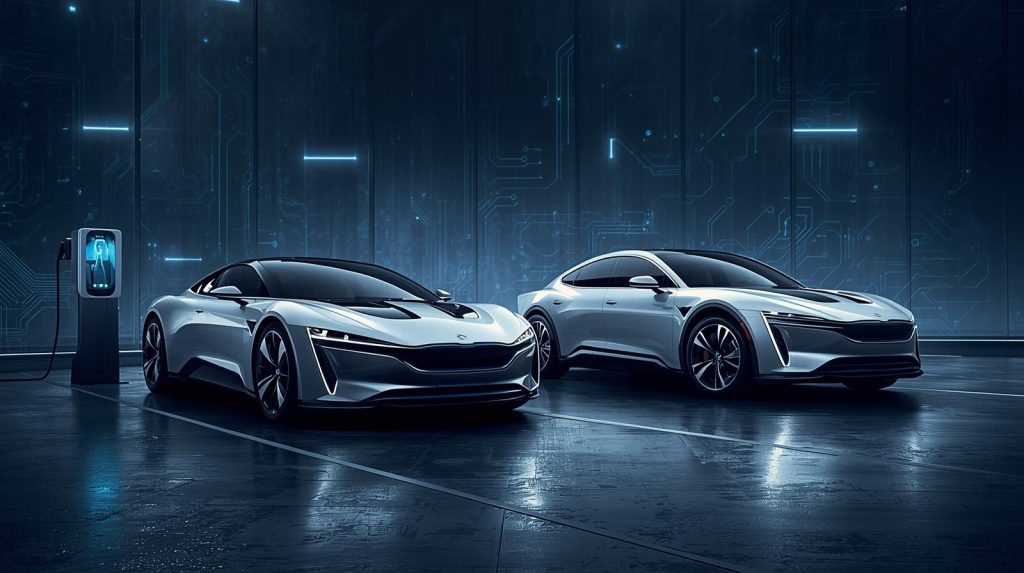
EVs are at the cutting edge of automotive innovation. Many come equipped with smart features, such as:
- Over-the-air software updates
- Regenerative braking systems
- Advanced driver-assistance systems (ADAS)
- Smartphone-based keyless access
Gas cars have also improved, but EVs lead in digital connectivity and automation.
As automakers move toward full electrification, EVs will continue to evolve faster than their gas counterparts.
EV vs Gas Cars — Ownership Experience
Reliability
EVs are mechanically simpler, which means fewer parts that can fail. Gas cars, while well-proven, require more routine maintenance and have higher chances of mechanical wear over time.
Resale Value
As EV demand grows, their resale value is improving — particularly for models with long range and strong battery warranties. Gas cars may face declining resale value as emission regulations tighten and fuel prices rise.
EV vs Gas Cars — Infrastructure and Availability
Charging Network vs Gas Stations
Gas stations are everywhere, while charging infrastructure is still growing. However, the number of public charging stations is increasing rapidly worldwide, supported by government and private investment.
With smart navigation systems that show available chargers, EV travel is becoming easier every year.
EV vs Gas Cars — Battery Life and Longevity
EV batteries are designed to last 10–15 years, with most automakers offering 8-year or 100,000-mile warranties.
Even after losing some capacity, EV batteries can often be repurposed for energy storage. Gas car engines, though durable, require expensive maintenance or rebuilds over time.
EV vs Gas Cars — Sustainability and the Future
In the long run, EVs are the future. As renewable energy adoption rises, EVs will become even cleaner. Major automakers are already pledging to phase out gas-powered cars within the next two decades.
For environmentally conscious drivers, choosing an EV is an investment in a sustainable, low-emission future.
Conclusion: EV vs Gas Cars
So, EV vs Gas Cars — which is better?
If you value sustainability, lower running costs, and cutting-edge technology, EVs are the clear winner. However, if you prioritize refueling speed, long-range flexibility, and established infrastructure, gas cars may still fit your lifestyle — for now.
As charging networks grow and battery tech advances, EVs are expected to outperform gas cars in every category within the next decade. The shift toward electric mobility isn’t just a trend — it’s the future of driving.