

Introduction:
As electric vehicles (EVs) continue to revolutionize transportation, one of the most common questions new owners ask is, “Where can you charge an EV?”
Whether you drive a compact electric hatchback or a luxury Tesla, knowing your charging options is essential for convenience, cost savings, and peace of mind.
The good news is that EV charging infrastructure is expanding rapidly worldwide. From home chargers and workplace stations to public fast-charging networks, EV owners today have more choices than ever. This guide will help you understand where and how you can charge an EV, what equipment you need, and how to choose the best option for your lifestyle.
Where Can You Charge an EV? Exploring the Main Charging Options
Electric vehicle charging can happen almost anywhere — at home, at work, or on the go. Let’s explore each location and what makes it unique.
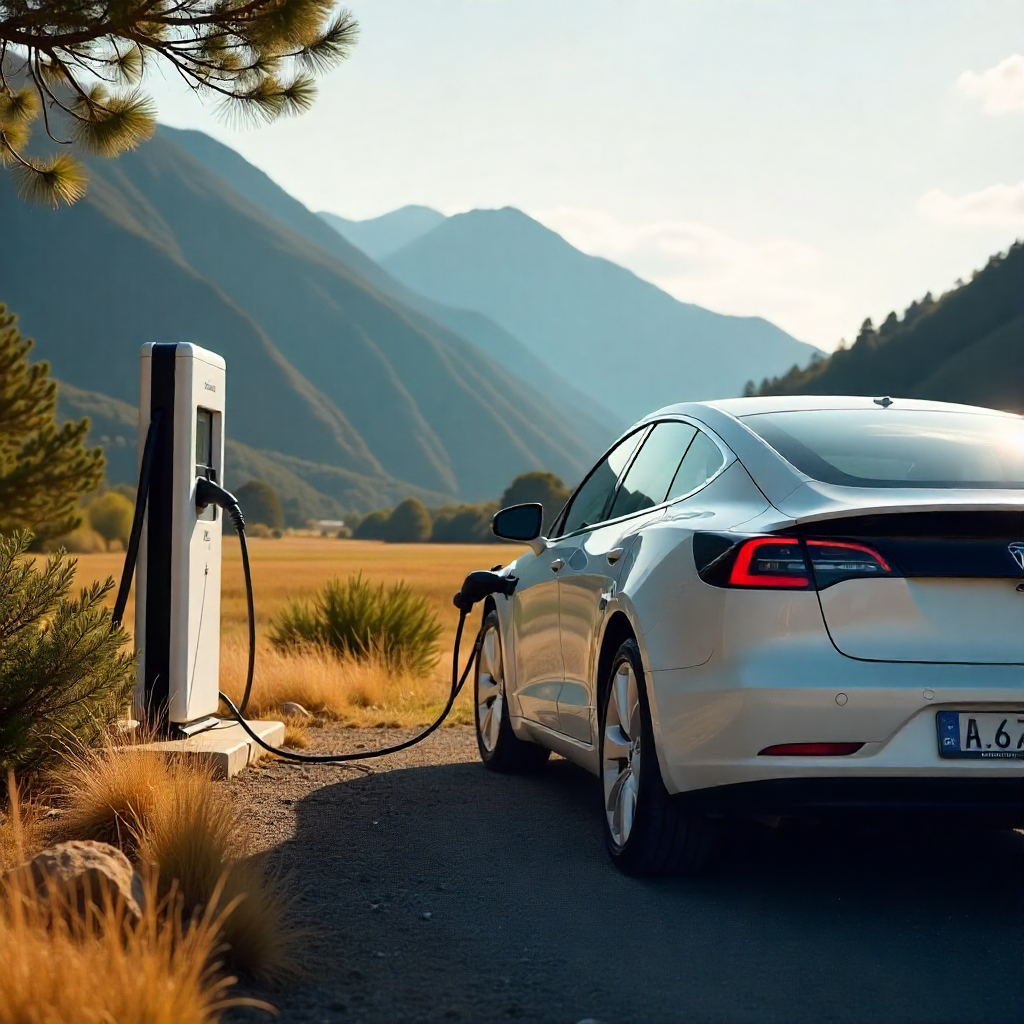
1. Home Charging — The Most Convenient Option
When people ask “Where can you charge an EV?”, the most common and practical answer is at home. Home charging provides convenience, cost efficiency, and control over your charging schedule.
There are two main types of home charging:
Level 1 Charging (Standard Outlet)
Level 1 uses a regular 120-volt household outlet — simply plug your EV in overnight. While it’s the slowest option (adding about 3–5 miles per hour), it’s perfect for light daily driving.
Level 2 Charging (240-Volt Charger)
A Level 2 charger is a faster home solution, adding 20–40 miles of range per hour. It requires professional installation but dramatically reduces charging time, ideal for busy households or multi-vehicle families.
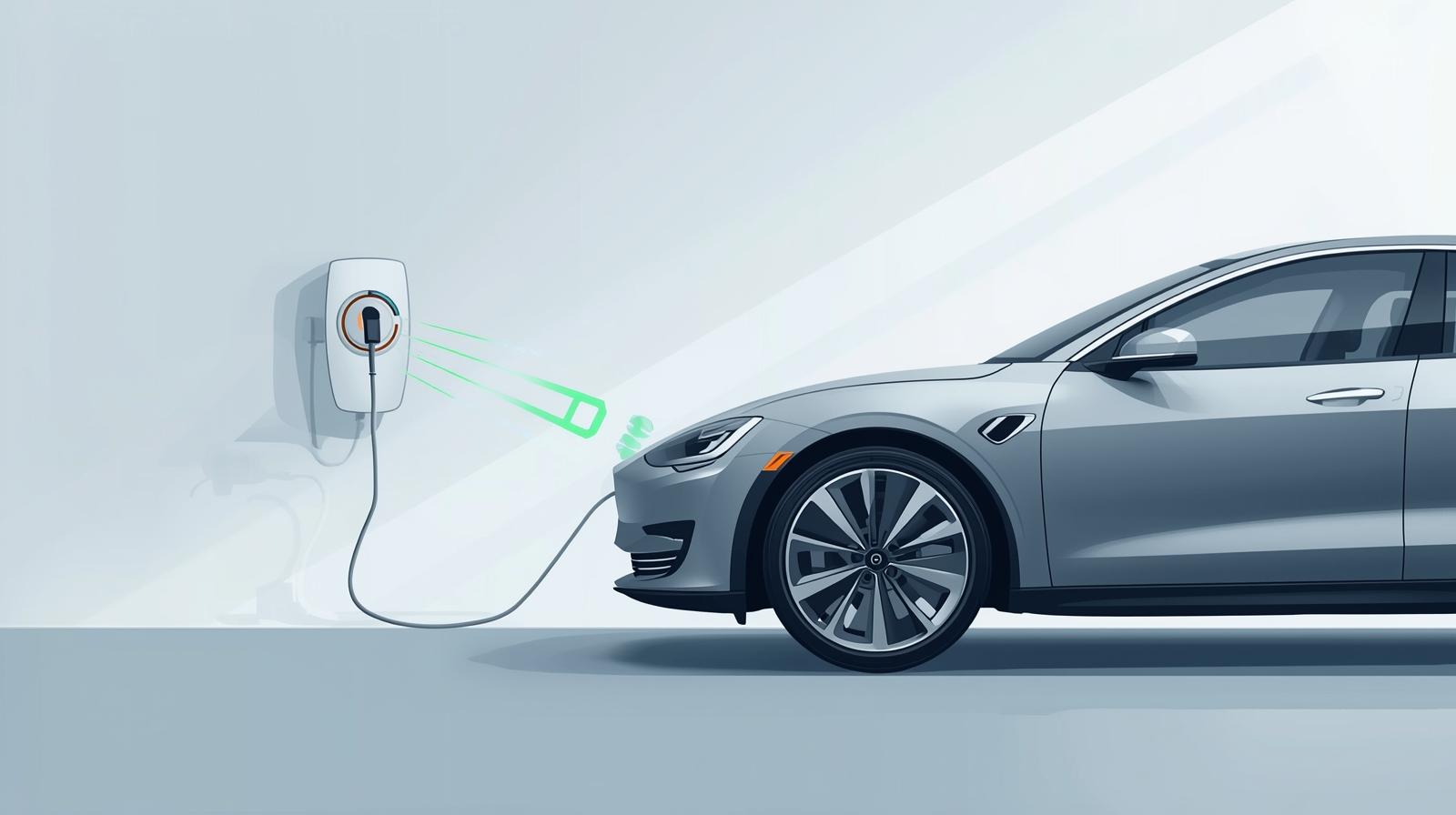
Benefits of Home Charging:
- Convenient overnight charging
- Lowest cost per kilowatt-hour
- Eligible for federal tax credits in many areas
- Controlled environment (no waiting for public stations)
2. Workplace Charging — Charge While You Work
Another great answer to “Where can you charge an EV?” is at your office or workplace. Many companies now install charging stations as part of their sustainability initiatives.
Advantages of Workplace Charging:
- Convenient daytime charging while your car is parked
- Reduces range anxiety for daily commuters
- Encourages employees to switch to EVs
- Often subsidized or free for staff
Employers can claim federal incentives for installing EV infrastructure, making it beneficial for both the company and its workforce.
3. Public Charging Stations — Powering Your EV on the Go
Public charging stations are essential for EV drivers who travel frequently or lack access to home charging. These can be found in shopping centers, restaurants, gas stations, airports, and highways.
When exploring where can you charge an EV?, it’s helpful to understand the types of public chargers:
Level 2 Public Chargers
Available in most commercial areas, these provide moderate charging speeds — great for topping up while shopping or dining.
DC Fast Chargers (Level 3)
These high-power stations can charge most EVs to 80% in 20–30 minutes. They’re commonly located along highways for long-distance travel.
Popular Public Charging Networks in the U.S.:
- Tesla Supercharger Network
- Electrify America
- ChargePoint
- EVgo
- Blink Charging
Pro Tip: Apps like PlugShare and Google Maps can help you find available stations nearby in real time.
4. Destination Charging — While You Shop, Dine, or Stay
Hotels, shopping malls, and restaurants increasingly provide destination chargers for guests.
When planning where can you charge an EV? on road trips, destination charging offers convenience — allowing you to plug in while you enjoy other activities.
Examples of Destination Chargers:
- Resorts and hotels offering free EV charging to guests
- Retail centers with parking lot chargers
- Movie theaters and gyms with designated EV parking spaces
Many businesses install these chargers to attract eco-conscious customers and extend their stay times.
5. Highway Charging Hubs — Power for Long Trips
For long-distance travelers wondering where can you charge an EV?, highway charging hubs are essential.
These are typically DC fast-charging stations strategically placed along major routes. Some even include amenities like restrooms, cafes, and Wi-Fi, allowing drivers to recharge both their vehicles and themselves.
As part of the National Electric Vehicle Infrastructure (NEVI) program in the U.S., thousands of highway chargers are being added nationwide to make intercity EV travel seamless.
Understanding Different EV Charging Levels
When evaluating where can you charge an EV?, it’s equally important to understand the three main charging levels:
| Charging Level | Voltage | Charging Time | Range Added per Hour | Typical Location |
|---|---|---|---|---|
| Level 1 | 120V | 8–20 hours | 3–5 miles | Home |
| Level 2 | 240V | 4–8 hours | 20–40 miles | Home, Work, Public |
| DC Fast (Level 3) | 480V+ | 20–40 minutes | 60–200 miles | Highways, Public Hubs |
Each level caters to different needs — Level 1 for overnight, Level 2 for daily convenience, and DC Fast for road trips.
Factors to Consider When Choosing Where to Charge an EV
When deciding where can you charge an EV?, consider these key factors:
Charging Speed Needs
If you drive short distances daily, home Level 1 or Level 2 charging may suffice. Long-distance travelers will benefit from DC fast charging access.
Cost of Electricity
Home charging typically costs less per kWh than public charging, especially with off-peak utility rates.
Accessibility and Convenience
Look for stations near your usual routes — grocery stores, gyms, or your workplace — to maximize efficiency.
Compatibility
Ensure the station supports your EV’s connector type (CCS, CHAdeMO, or Tesla plug).
Environmental Impact
Charging your EV with renewable electricity (e.g., solar power at home) minimizes your carbon footprint.
Cost Comparison of Different Charging Locations
To better understand where can you charge an EV? most affordably, here’s a cost breakdown (U.S. averages):
| Charging Type | Average Cost per kWh | Approx. Cost per 100 Miles |
|---|---|---|
| Home Charging | $0.13 | $3–$4 |
| Workplace Charging | Often free or subsidized | $0–$3 |
| Public Level 2 | $0.20–$0.30 | $5–$8 |
| DC Fast Charging | $0.35–$0.60 | $10–$20 |
Charging at home remains the most economical option, though workplace and destination chargers often provide free energy as an incentive.
How to Locate EV Charging Stations Easily
Knowing where can you charge an EV? becomes effortless with the right tools:
- PlugShare – Offers a global map of stations with reviews and availability.
- ChargeHub – Lets users filter by connector type and network.
- Google Maps – Displays nearby EV chargers and user feedback.
- Automaker Apps – Tesla, FordPass, Hyundai BlueLink, and others show compatible chargers directly on their infotainment systems.
Many navigation systems also include route planning with charging stops, ensuring you never run out of range during long drives.
The Future of EV Charging Infrastructure
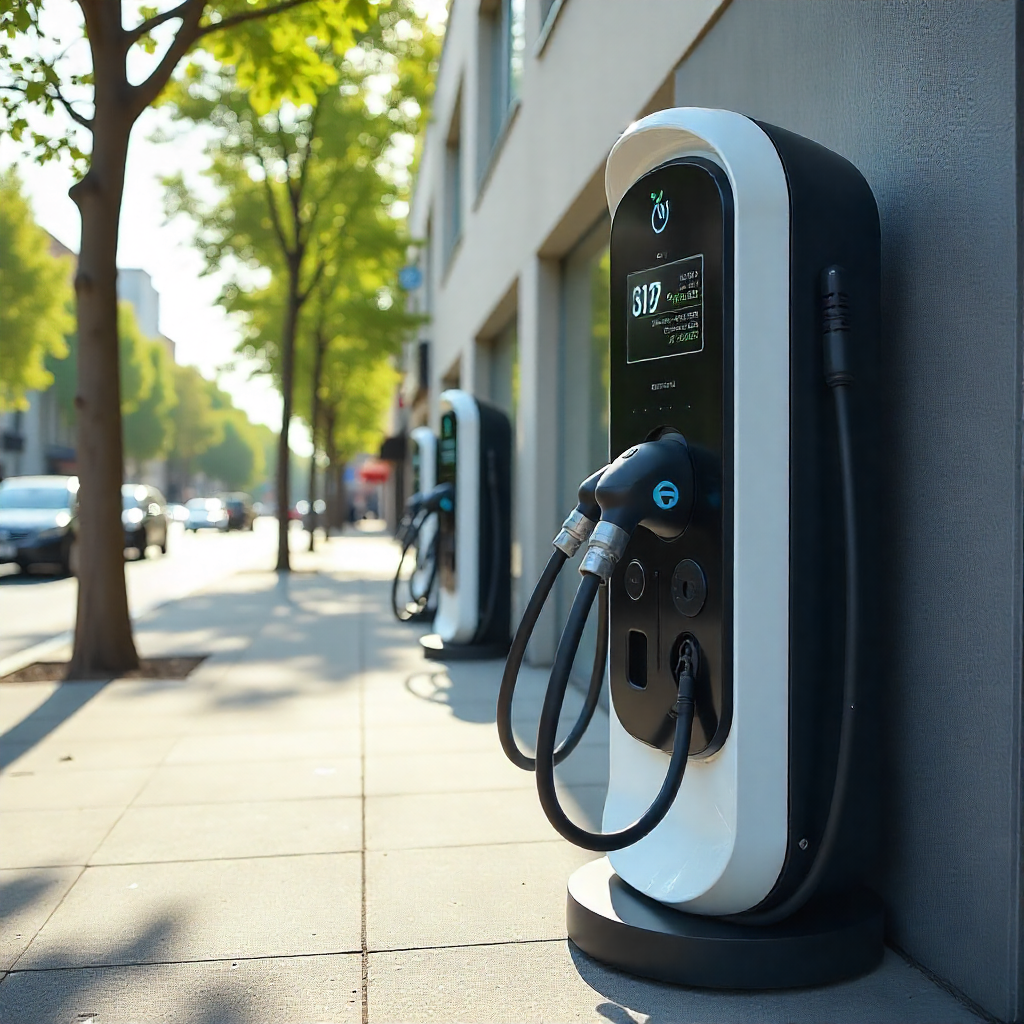
The question “Where can you charge an EV?” will become increasingly easy to answer in the coming decade.
Governments, automakers, and private companies are investing billions in expanding charging access.
By 2030, the U.S. alone plans to have over 500,000 public chargers, supported by the Biden Administration’s NEVI initiative.
Emerging trends include:
- Wireless (inductive) charging pads for seamless charging at parking spots.
- Bidirectional charging where EVs can supply power back to homes or the grid.
- Solar-powered charging stations for 100% green refueling.
As these technologies evolve, EV ownership will become even more convenient, sustainable, and accessible.
Tips for Efficient EV Charging
To make the most of where you charge an EV, follow these expert tips:
- Charge overnight at home for lower electricity rates.
- Avoid frequent fast charging to preserve battery health.
- Use scheduled charging to take advantage of off-peak hours.
- Monitor charging apps for real-time updates on availability.
- Keep emergency adapters in your vehicle for unplanned stops.
FAQs: Where Can You Charge an EV?
1. Where can you charge an EV in the U.S.?
You can charge an EV almost anywhere — at home, workplaces, public charging stations, shopping malls, hotels, and highway rest stops. The most common options include home Level 2 chargers for daily use and public DC fast chargers for long trips.
2. How long does it take to charge an electric vehicle?
Charging time depends on the charging level:
- Level 1 (120V): 8–20 hours
- Level 2 (240V): 4–8 hours
- DC Fast Charging: 20–40 minutes (up to 80% charge)
Battery size, temperature, and your vehicle’s onboard charger also affect total time.
3. Can I charge my EV at home using a regular outlet?
Yes. All EVs can charge using a standard 120V household outlet (Level 1 charging). It’s slow but effective for light daily driving. For faster charging, consider installing a 240V Level 2 charger, which requires a dedicated circuit and professional installation.
4. Are public EV charging stations free?
Some public chargers — especially at shopping centers, hotels, and workplaces — are free for customers or employees. However, most DC fast chargers and networked public stations (like ChargePoint or Electrify America) charge per kWh or per minute.
5. How much does it cost to charge an EV at home?
Home charging costs depend on your local electricity rate. On average in the U.S., it’s about $0.13 per kWh, meaning you can drive 100 miles for roughly $3–$4 — much cheaper than gasoline.
6. What’s the difference between Level 1, Level 2, and DC Fast Charging?
- Level 1: Uses a regular wall outlet; slowest option.
- Level 2: Requires a 240V supply; ideal for home and workplace use.
- DC Fast Charging (Level 3): High-voltage direct current charging that replenishes most EV batteries in under 30 minutes — best for road trips.
7. Can I charge an EV in an apartment or condo?
Yes — though it depends on your building’s setup. Many apartment complexes are now installing shared charging stations. Alternatively, you can request permission from property management to install a Level 2 charger in your assigned parking spot.
8. How do I find nearby EV charging stations?
You can use apps like PlugShare, ChargeHub, Google Maps, or your EV’s built-in navigation to locate charging stations. These platforms show real-time availability, connector type, and charging costs.
9. Are EV chargers compatible with all electric vehicles?
Most EVs use the CCS connector, while some (like older Nissan LEAF models) use CHAdeMO. Tesla vehicles use their own plug but now support NACS (North American Charging Standard), which many automakers are adopting. Always confirm your vehicle’s connector type before charging.
10. Can I charge my EV in the rain or snow?
Absolutely. EV chargers are designed to be weatherproof and safe for outdoor use. Just ensure the plug and connector are free from excess water or debris before connecting.
11. How far can an electric car go on one charge?
Modern EVs typically have a range of 200–350 miles per charge, depending on model, driving style, terrain, and temperature. Long-range models like the Tesla Model S can exceed 400 miles on a single charge.
Conclusion: Where Can You Charge an EV?
So, where can you charge an EV? Practically anywhere — at home, at work, at public stations, or even while traveling cross-country.
Home charging remains the most affordable and convenient option, while public DC fast chargers are ideal for long journeys.
With rapid advancements in EV infrastructure, the future of charging is bright. As accessibility improves and costs fall, owning and operating an electric vehicle will become simpler, cleaner, and more efficient than ever before.