
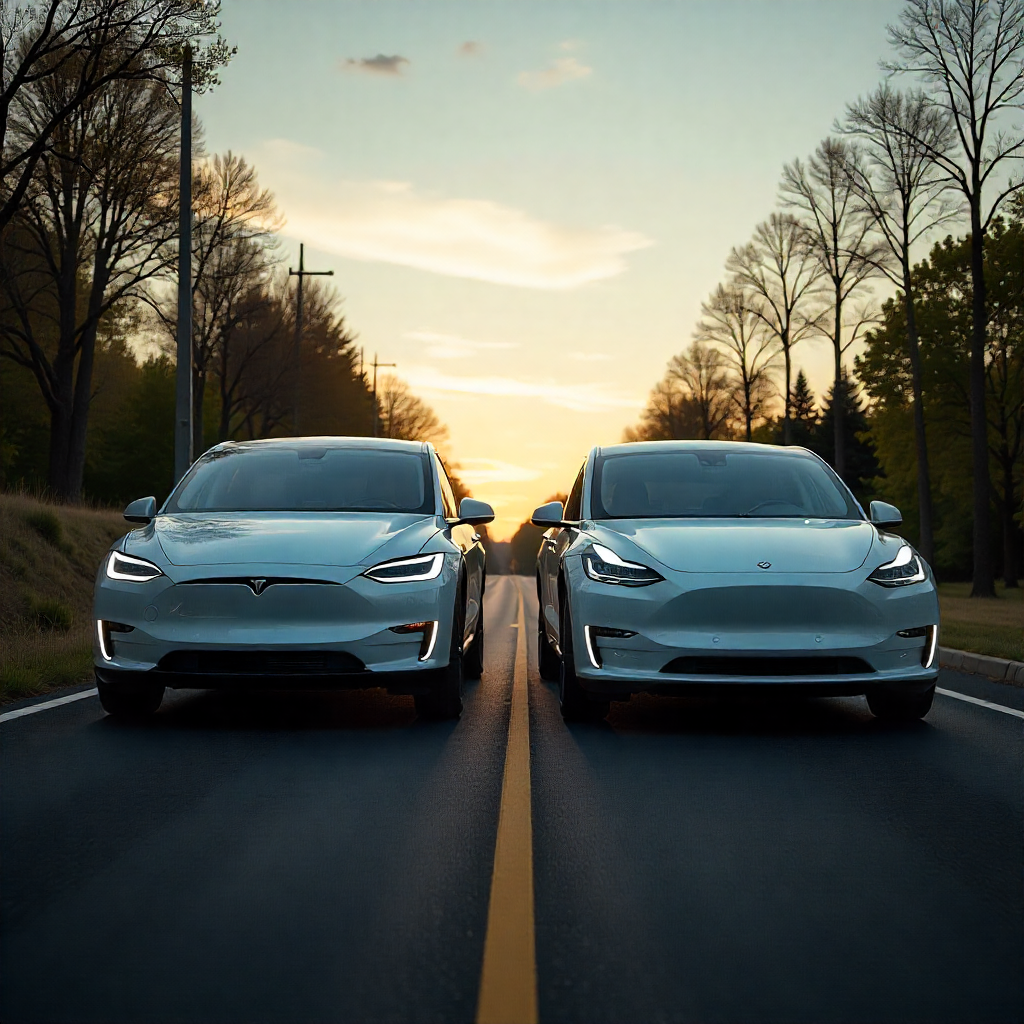
Choosing between an electric vehicle (EV) and a traditional gas-powered vehicle is one of the most important decisions car buyers face today. With the rapid growth of electric vehicles, government incentives, environmental concerns, and technological advancements, many drivers are wondering: EV vs gas cars: which one is best for you?
This comprehensive, expert-level guide breaks down the difference between EVs and gas cars in a way that is easy to understand while staying deeply informative. Whether you’re a first-time buyer, switching from gas to electric, or simply exploring your options, this guide helps you make a confident, well-informed decision.
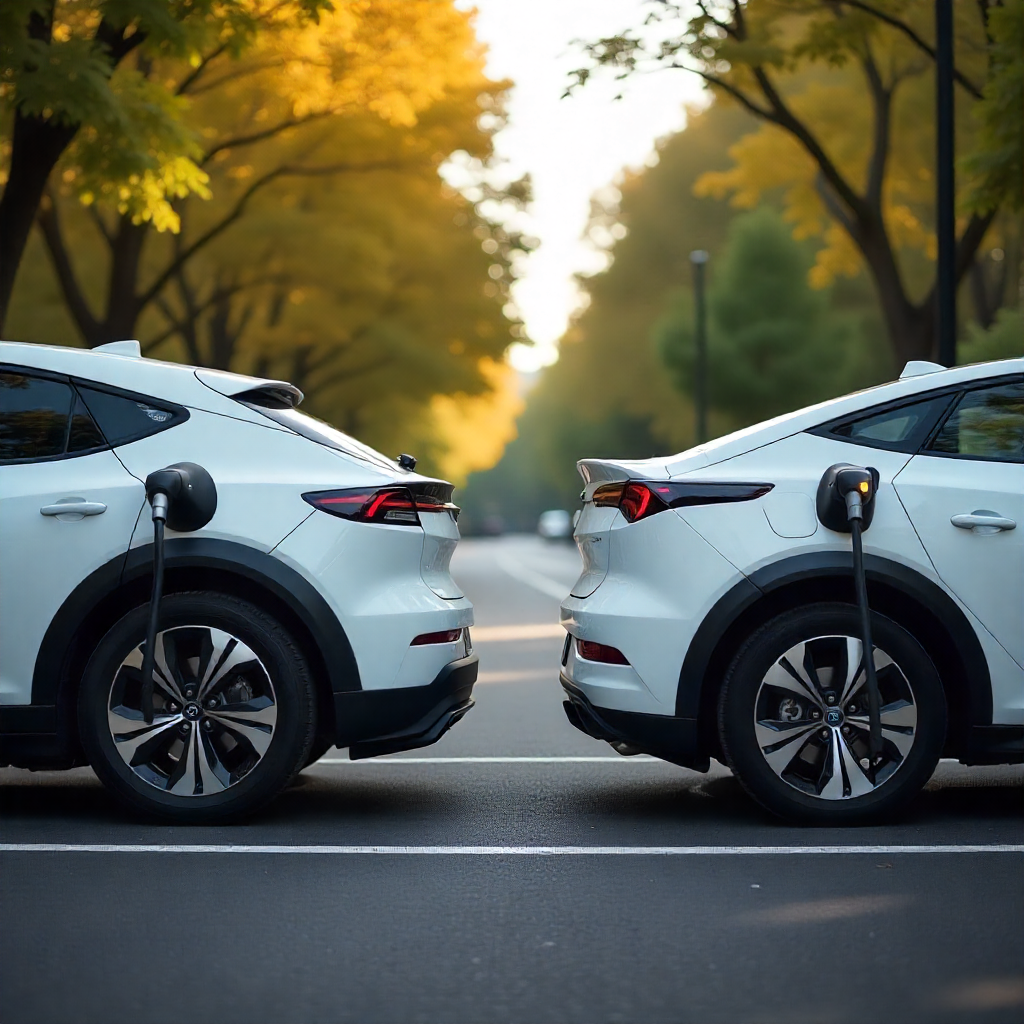
Introduction
The automotive world is changing faster than ever. Electric vehicles are becoming mainstream, gas prices continue to fluctuate, and car buyers want reliable, cost-effective, and environmentally friendly cars. That’s why the question EV vs gas cars: which one is best for you? has never been more relevant.
This blog offers a clear, unbiased analysis backed by expert insights, real-world data, and decades of automotive trends.
EV vs Gas Cars: Which One Is Best for You? (Overview)
When comparing EV vs gas cars: which one is best for you?, the answer depends on your lifestyle, budget, driving habits, and long-term plans. Electric vehicles excel in:
- Lower running costs
- Smooth driving experience
- Environmental benefits
- Lower maintenance
- Government incentives
Gas cars excel in:
- Long-distance convenience
- Faster refueling
- Lower upfront price
- Familiarity and widespread infrastructure
To determine which one is truly better for you, we must compare them across all major categories — cost, performance, reliability, convenience, and long-term value.
How EVs Work vs How Gas Cars Work
How Electric Vehicles Work
EVs run entirely on electricity stored in a high-voltage battery. Key components include:
- Battery pack
- Electric motor
- Onboard charger
- Thermal management system
Power flows directly to the motor, offering instant torque and smooth acceleration.
How Gas Cars Work
Gas cars rely on internal combustion engines (ICE):
- Fuel is burned
- Pistons move
- Engine produces power
- Transmission delivers it to the wheels
This process involves hundreds of moving parts, fluids, and continuous combustion.
Cost Comparison: Buying, Charging & Fueling
Upfront Buying Cost
Traditionally, gas cars have been cheaper. But with new EV models, federal tax credits, and state incentives, EV prices are becoming highly competitive.

- EVs: Often eligible for up to $7,500 federal credit
- Used EVs: May qualify for $4,000 tax credit
- Gas cars: Usually cheaper upfront with no incentives
Charging vs Fuel Costs
Electricity is significantly cheaper than gasoline.
- Average EV charging cost: $0.03–$0.05 per mile
- Gas car cost: $0.12–$0.20 per mile
This means an EV can save you $800–$1,500 per year depending on how much you drive.
Maintenance Costs
EVs win by a huge margin.
- No oil changes
- No spark plugs
- No exhaust system
- Fewer moving parts
Gas cars require:
- Oil changes
- Transmission servicing
- Exhaust repairs
- Timing belts
- Fuel pumps
EV maintenance is generally 30–50% cheaper.
Maintenance: EVs vs Gas Cars
EV Maintenance Advantages
- Battery lasts 8–15 years
- Regenerative braking extends brake life
- Electric motors rarely fail
Gas Car Maintenance Challenges
- Engine wear and tear
- Frequent servicing
- More parts means more potential failures
Over 10 years, the average EV owner saves $4,000–$8,000 in maintenance alone.
Environmental Impact
When evaluating EV vs gas cars: which one is best for you?, environmental impact plays a major role.
EV Environmental Benefits
- Zero tailpipe emissions
- Lower greenhouse gases, even on fossil grid
- Renewable energy charging
- More recyclable battery materials improving yearly
Gas Car Environmental Downsides
- Emits CO₂, NOx, and harmful pollutants
- Depends on oil drilling, refining, and distribution
- Larger lifetime carbon footprint
Even accounting for battery production, EVs reduce total emissions by 50%–70% over their lifetime.
Performance: Power, Speed & Driving Experience
EV Performance Benefits
- Instant torque
- Quiet ride
- Smoother acceleration
- Better handling due to low center of gravity
Gas Car Performance
- Traditional sound and feel
- Wide range of powertrains
- Slower acceleration for most non-sports models
On average, EVs outperform gas cars in torque, acceleration, and efficiency.
Range & Convenience
EV Range
Modern EVs typically offer:
- 250–350 miles per charge
- Fast charging (10–80% in 20–30 minutes)
- Home charging convenience
Gas Cars Range
- 350–500 miles per tank
- Refuel in 5 minutes
- More stations available
Long-distance travelers may still prefer gas cars — for now.
But daily commuters almost always benefit more from EV ownership.
Long-Term Ownership Costs
Over 8–10 years:
- EVs are often cheaper due to lower fueling and maintenance
- Gas cars cost more due to fuel, servicing, and repairs
Electric vehicles usually win the long-term cost battle.
Pros & Cons of EVs
Pros
- Low fueling cost
- Low maintenance
- Quiet, smooth drive
- Eco-friendly
- Home charging convenience
- Instant acceleration
Cons
- Higher upfront cost
- Range loss in cold weather
- Charging infrastructure still growing
Pros & Cons of Gas Cars
Pros
- Lower upfront price
- Fast refueling
- Widespread infrastructure
- Familiar technology
Cons
- High fuel cost
- High maintenance
- Polluting emissions
- More mechanical failures
EV vs Gas Cars: Which One Is Best for You? — Key Factors to Consider
The answer to EV vs gas cars: which one is best for you? depends on your lifestyle:
Choose an EV if:
- You drive less than 250 miles a day
- You have home charging
- You want low operating costs
- You care about sustainability
- You qualify for EV tax credits
Choose a Gas Car if:
- You take long road trips often
- You don’t have access to home charging
- You prefer familiar fueling convenience
- You’re on a tight upfront budget
Future of EVs vs Gas Cars
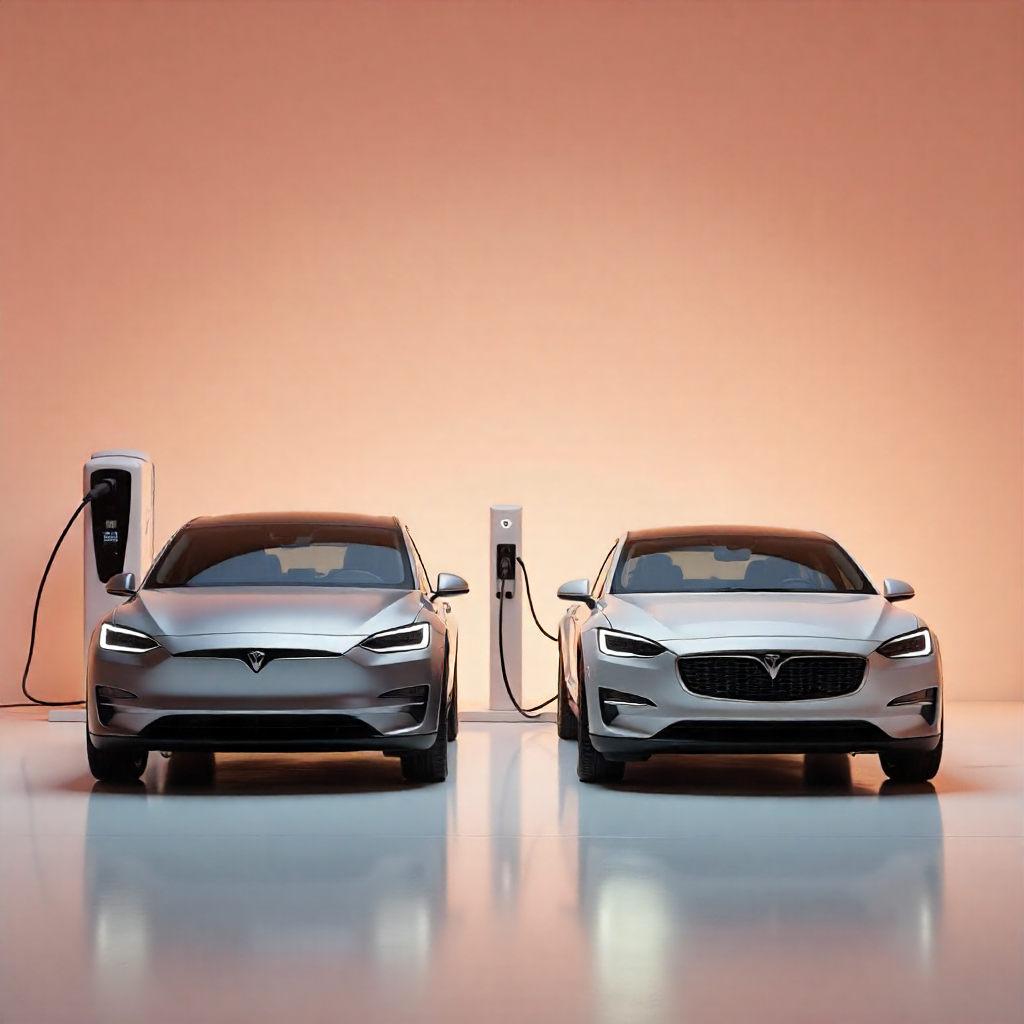
The future clearly leans electric.
By 2035, many countries plan to phase out gas cars. Automakers are investing billions in EV technology, charging infrastructure is expanding, and batteries are becoming cheaper and more efficient.
Gas cars will remain available for years, but EVs are becoming the dominant choice.
15. FAQs
1. Are EVs cheaper to run than gas cars?
Yes. Charging is 3–5× cheaper than gasoline.
2. Do EVs work in cold weather?
Yes, but range temporarily decreases.
3. How long do EV batteries last?
8–15 years on average.
4. Are gas cars going away?
Not immediately, but many automakers are shifting toward EVs.
5. Which is better for long trips: EV or gas car?
Gas cars still offer more convenience for long-distance travel.
Conclusion
Choosing between an electric vehicle and a gas-powered car ultimately comes down to your lifestyle, driving habits, and long-term goals. Both options offer unique advantages, but as technology evolves, EVs are becoming increasingly practical, efficient, and cost-effective for the average driver. With lower operating costs, minimal maintenance needs, and a significantly smaller environmental footprint, electric vehicles are well-suited for daily commuting and urban lifestyles. Meanwhile, gas cars continue to offer the convenience of quick refueling, lower upfront prices, and dependable long-distance capability.
So, EV vs gas cars: which one is best for you?
If you want a modern, eco-friendly, and future-ready driving experience, an EV is likely the better choice. But if you frequently travel long distances, lack access to home charging, or prefer traditional engines, a gas car may still serve you well.