
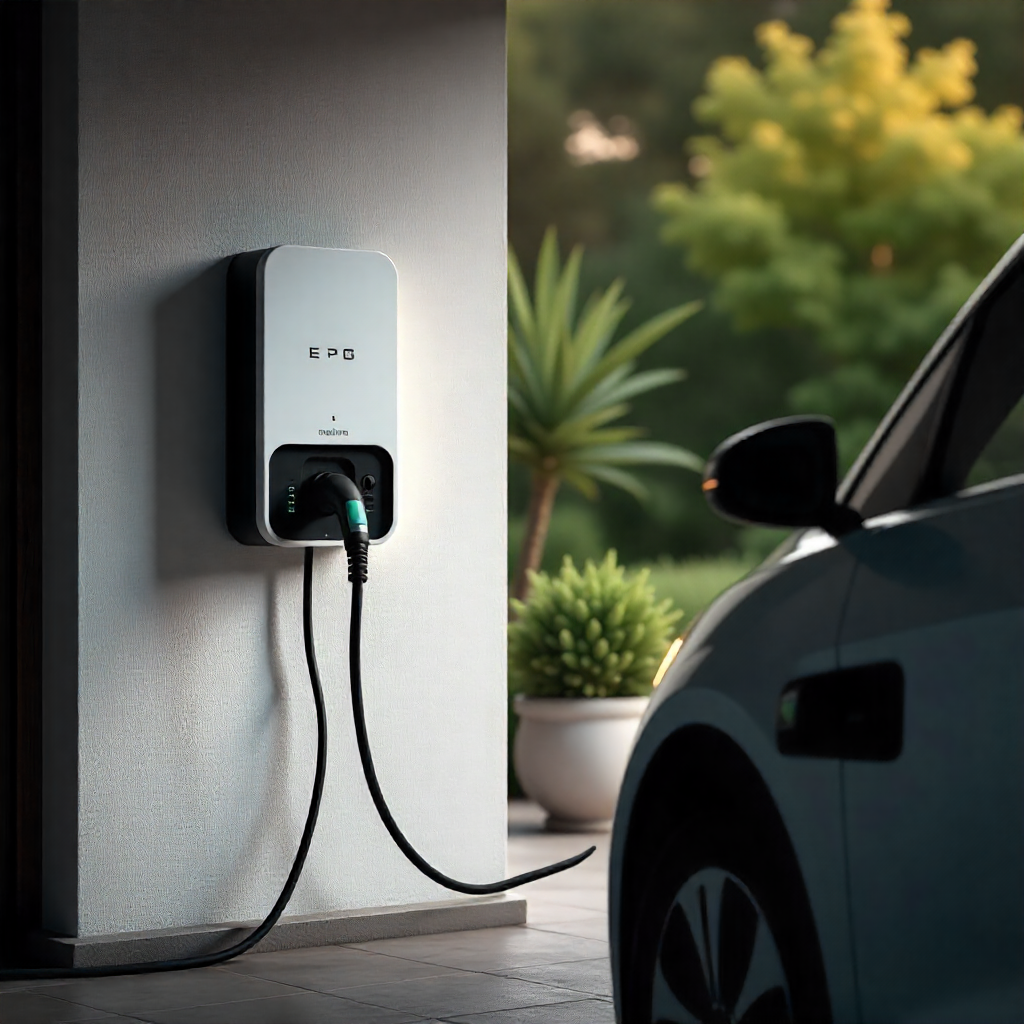
As electric vehicles (EVs) continue gaining popularity, more drivers are considering installing a charging system at home. But one of the most common questions new EV owners ask is: What is a Home EV Charger? Understanding what a home charger is, how it works, how fast it charges, and what you need before installing one can make your transition to electric driving smooth, affordable, and convenient.
This complete guide explains everything you need to know about What Is a Home EV Charger?, including how it benefits EV owners, how to choose the right charger, installation requirements, costs, safety tips, incentives, and more.
Introduction
Electric vehicles have changed the way we drive, commute, and think about fuel. Instead of visiting a gas station, EV owners can simply plug in at home—much like charging a smartphone. This convenience is one of the biggest advantages of owning an EV, and it begins with understanding What Is a Home EV Charger?
Home charging allows you to power your vehicle overnight, reduce charging costs, avoid public charger wait times, and enjoy full control over your charging schedule. In this beginner-friendly guide, we break down everything you should know before installing a home charger.
What Is a Home EV Charger?
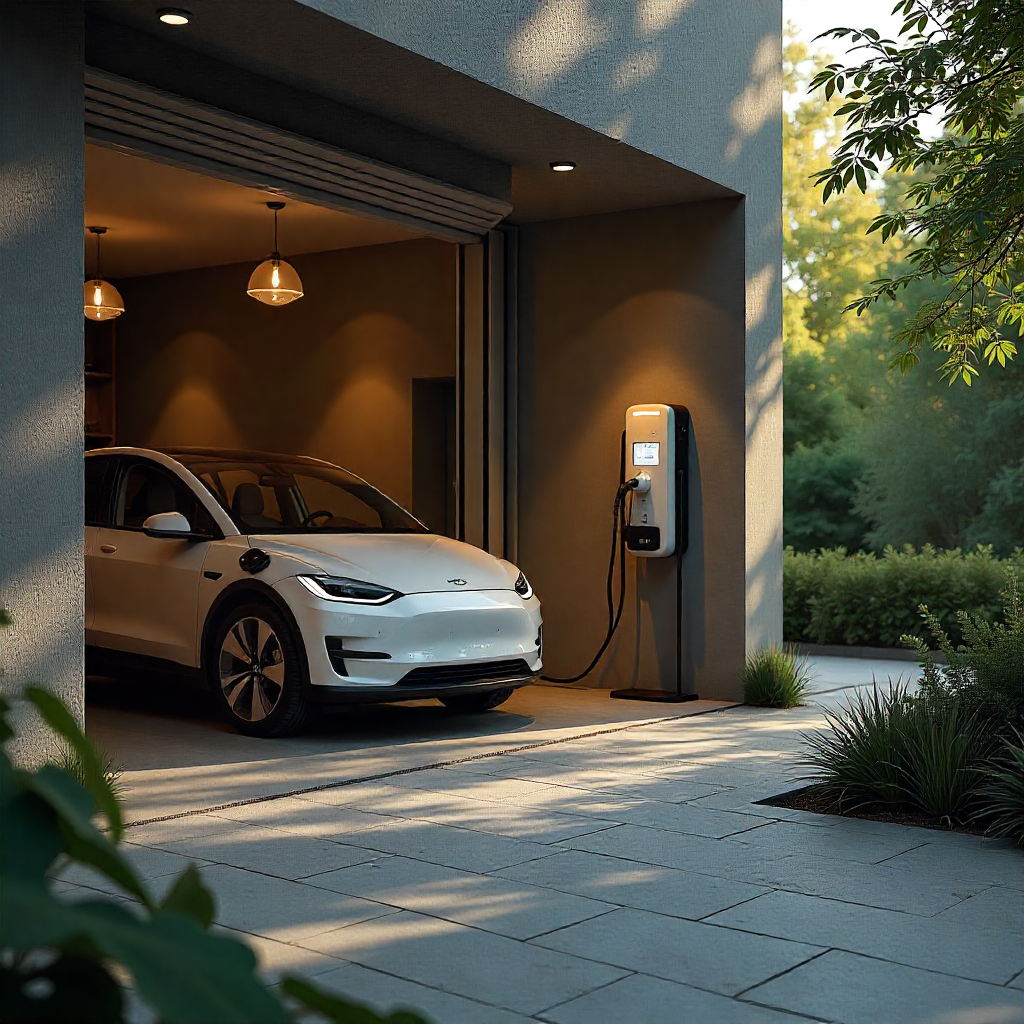
A Home EV Charger is a dedicated electric charging device installed at your house that supplies electric power to recharge your EV’s battery. It functions like a personalized fueling station that lets you charge your vehicle conveniently, affordably, and safely right from your garage, driveway, or parking spot.
In simple words, when people ask “What Is a Home EV Charger?”, the answer is:
It is an in-home charging system that allows EV owners to replenish their car battery using residential electricity.
Compared to public chargers, home chargers:
- Are cheaper to use
- Offer reliable access
- Allow overnight charging
- Provide faster speeds (especially Level 2 chargers)
How Does a Home EV Charger Work?
Understanding how a home charger works helps in choosing the right model and preparing your electrical system.
Electricity Flow
The charger draws electricity from your home’s electrical panel and delivers it to your EV.
AC to DC Conversion
Home chargers supply AC power, which the EV’s onboard charger converts to DC, the form stored in your battery.
Communication with EV
The charger communicates with your EV to:
- Regulate charging
- Monitor temperature
- Prevent overcharging
- Adjust power based on battery level
Smart Charging
Modern chargers connect to Wi-Fi and apps, letting you schedule charging, monitor usage, and track costs.
Types of Home EV Chargers
There are two main types:
Level 1 Home EV Charger (Standard Outlet)
- Uses a regular 120-volt household outlet
- Usually comes free with the EV
- Slowest charging option
- Adds 2–5 miles of range per hour
Best for:
- Low-mileage drivers
- Overnight slow charging
- Hybrid vehicles (PHEVs)
Level 2 Home EV Charger (Fast Home Charger)
- Requires a 240-volt outlet
- Much faster than Level 1
- Adds 20–40 miles of range per hour
- Requires professional installation
Best for:
- Daily EV drivers
- Long-range EVs
- Faster, reliable charging
Charging Speeds Explained
Charging speed depends on:
Charger power (kW rating)
Typical Level 2 chargers: 7.2 kW – 11 kW
Vehicle onboard charger capacity
Some EVs accept faster AC charging than others.
Battery size
Bigger batteries take longer to fill.
State of charge
Charging slows down as the battery nears full capacity.
Benefits of Using a Home EV Charger
Installing a home charger offers many advantages:
Convenience
Charge anytime—overnight, during lunch, or while relaxing.
Lower Charging Cost
Home electricity is cheaper than public stations.
Time Savings
No waiting for public chargers or driving far to find one.
Better Battery Health
Level 2 charging is gentle on batteries compared to DC fast charging.
Increase Home Value
Buyers increasingly prefer homes with EV infrastructure.
Components of a Home Charging System
A standard home charging setup includes:
- EV charging unit
- Charging cable
- J1772 connector (for most EVs)
- Wall mount / pedestal mount
- Circuit breaker
- 240V outlet or hardwired connection
- Smart features (optional)
Required Electrical Setup for Home Chargers
To install a Level 2 charger, you need:
240-volt dedicated circuit
Similar to what’s used for dryers or ovens.
40–60 amp circuit breaker
Depending on charger speed.
Sufficient electrical panel capacity
Older homes may require a panel upgrade.
Safe installation by a licensed electrician
Required for compliance and safety.
How to Choose the Right Home EV Charger
Consider the following:
Charging Speed
Choose 32A–48A for fast home charging.
Cable Length
Most users prefer 20–25 feet.
Smart Features
Energy tracking, scheduling, Wi-Fi, app control.
Indoor or Outdoor Rating
Look for weather-resistant (NEMA 3 or higher).
Brand Reliability
Top brands: ChargePoint, JuiceBox, Wallbox, Emporia.
Installation Process
A typical installation includes:
- Electrical inspection
- Panel capacity evaluation
- Installing 240V circuit
- Mounting the charger
- Connecting wiring
- Grounding & safety checks
- Testing the charger
- Instruction on usage
Most installations take 2–4 hours.
Costs of Installing a Home EV Charger
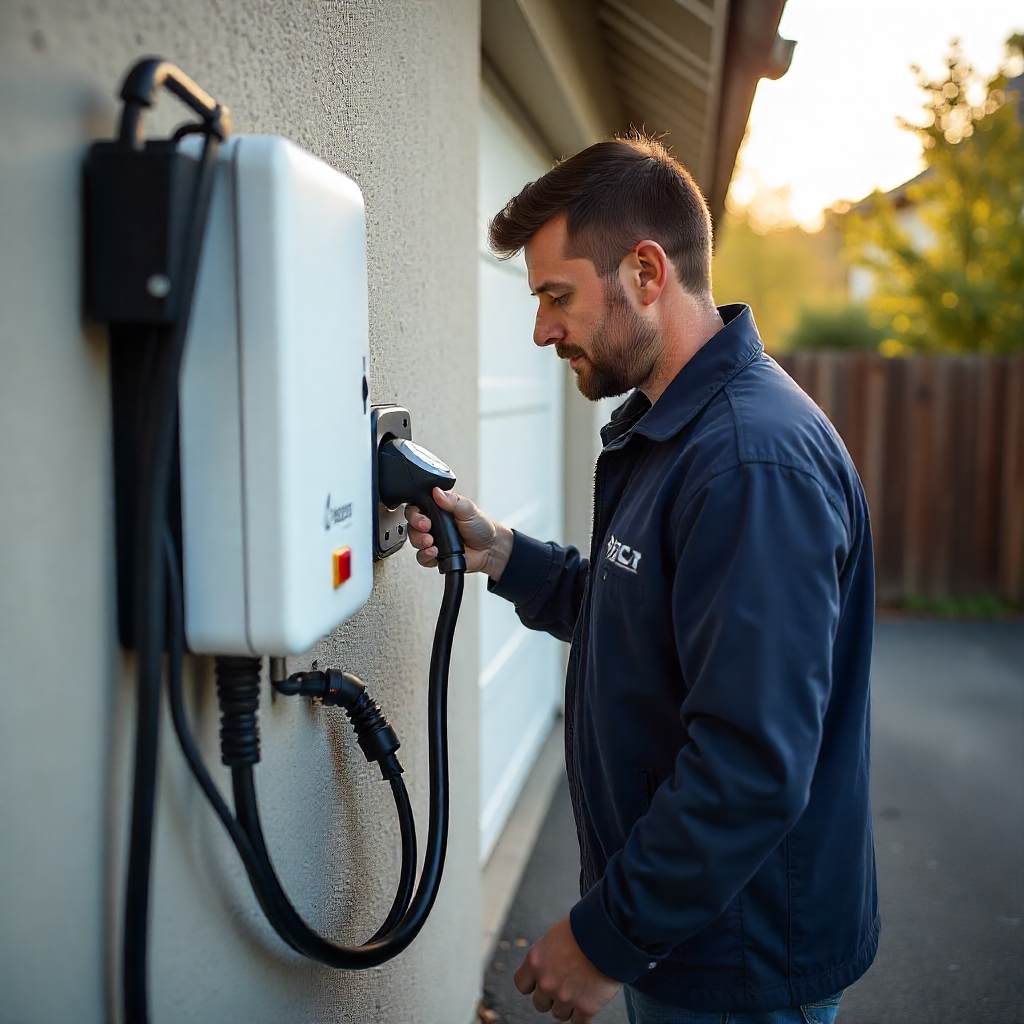
Costs include equipment and installation.
Equipment Cost
Level 2 chargers range: $300 – $800
Installation Cost
Basic: $300 – $600
Complex: $800 – $2,000
Panel upgrade (if needed): $1,500 – $3,000
Total Cost
$600 – $3,500 depending on home type and wiring needs.
Smart Charger Features
Modern chargers offer:
- App-based control
- Real-time energy usage
- Voice control (Alexa, Google)
- Load balancing
- Off-peak charging
- Notifications & alerts
Smart chargers help reduce costs and extend battery life.
Home EV Charger Safety Tips
Follow these to ensure safe operation:
- Use only certified chargers
- Install through licensed electricians
- Avoid extension cords
- Check cables regularly
- Keep charger dry & weather-protected
- Update firmware
- Don’t overload electrical circuits
Home Charging vs Public Charging
Home Charging Advantages
Cheapest
Most convenient
Best for battery health
Reliable access
Public Charging Advantages
Best for long trips
Fast charging available
Useful for apartment residents
Home Charging Disadvantages
Upfront installation cost
Requires dedicated parking spot
Government Incentives & Rebates
Many governments offer:
- Federal tax credits
- State-level rebates
- Utility company incentives
- Discounts for smart chargers
- Reduced electricity rates
These incentives can reduce installation cost by 30–70%.
Common Mistakes to Avoid
- Choosing the wrong charger amperage
- DIY installations
- Ignoring panel capacity
- Buying short charging cables
- Overcharging at maximum power always
- Not using off-peak electricity
Expert Tips for Faster, Safer Charging
- Install a 48A charger for future-proofing
- Charge between 20–80% to maximize battery health
- Enable smart charging to save money
- Keep the charger shaded outdoors
- Clean the connector regularly
- Use scheduled charging to avoid peak rates
Conclusion
Understanding What Is a Home EV Charger? is the first step toward convenient and cost-effective electric vehicle ownership. A home EV charger gives you complete control over your charging schedule, helps reduce costs, improves battery health, and ensures your EV is always ready to drive. Whether you are a new EV owner or planning to switch to electric soon, a home charging system is one of the smartest and most valuable investments you can make.
FAQs
1. What Is a Home EV Charger?
It is a charging device that supplies electricity from your home to your electric vehicle’s battery.
2. Do I need a Level 2 charger?
Not mandatory, but it is faster and ideal for daily EV drivers.
3. How long does home charging take?
Level 1: 20–40 hours
Level 2: 4–10 hours
4. Can I install a charger myself?
No, Level 2 chargers require a licensed electrician.
5. How much does a home charger increase my electric bill?
Most users spend $20–$45 per month depending on usage.
6. Can home charging damage my battery?
No—Level 1 and Level 2 charging are safe and recommended.