

The rise of electric vehicles (EVs) has brought charging infrastructure into the spotlight. While Level 2 chargers are increasingly common for home and workplace charging, DC EV chargers—also known as DC fast chargers or Level 3 chargers—play a pivotal role in public and commercial charging.
One question that frequently comes up among EV owners, businesses, and municipalities is: How much do DC EV chargers cost? Understanding the cost of DC EV chargers requires considering multiple factors, including the type of charger, installation, infrastructure requirements, and long-term operational costs.
This guide delves deeply into how much DC EV chargers cost, breaking down the price range, factors influencing cost, types of chargers, and hidden expenses. We will also explore the broader financial and practical considerations, helping you make informed decisions whether you are a homeowner, business owner, or public infrastructure planner.
Introduction to DC EV Charger Costs
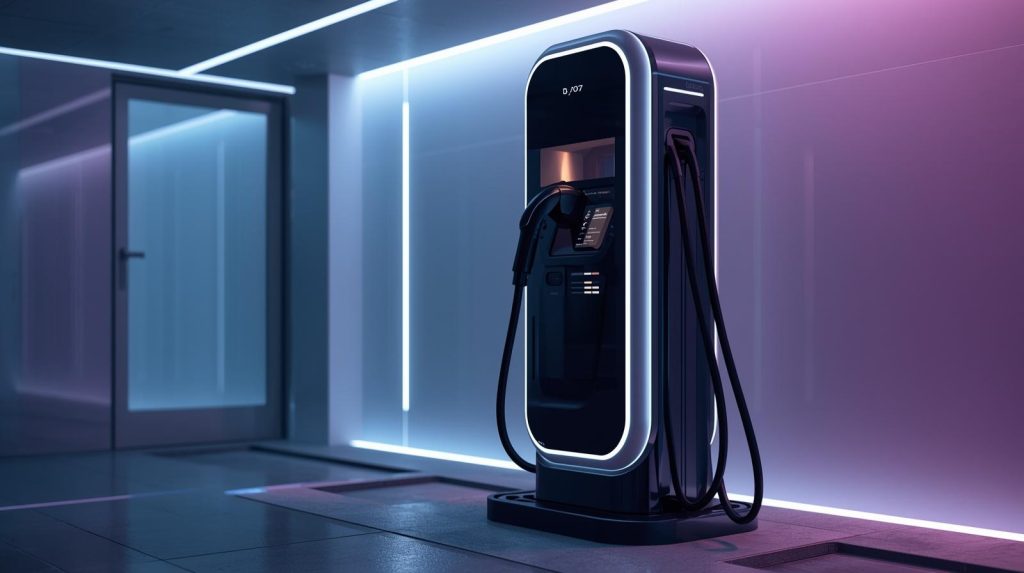
As EV adoption grows, charging infrastructure has become a critical investment for cities, businesses, and fleet operators. DC EV chargers are significantly more expensive than Level 2 chargers because they provide high-power, fast charging capabilities.
Understanding how much DC EV chargers cost involves analyzing both upfront equipment costs and long-term operational costs, including electricity, maintenance, and network fees.
What Are DC EV Chargers?
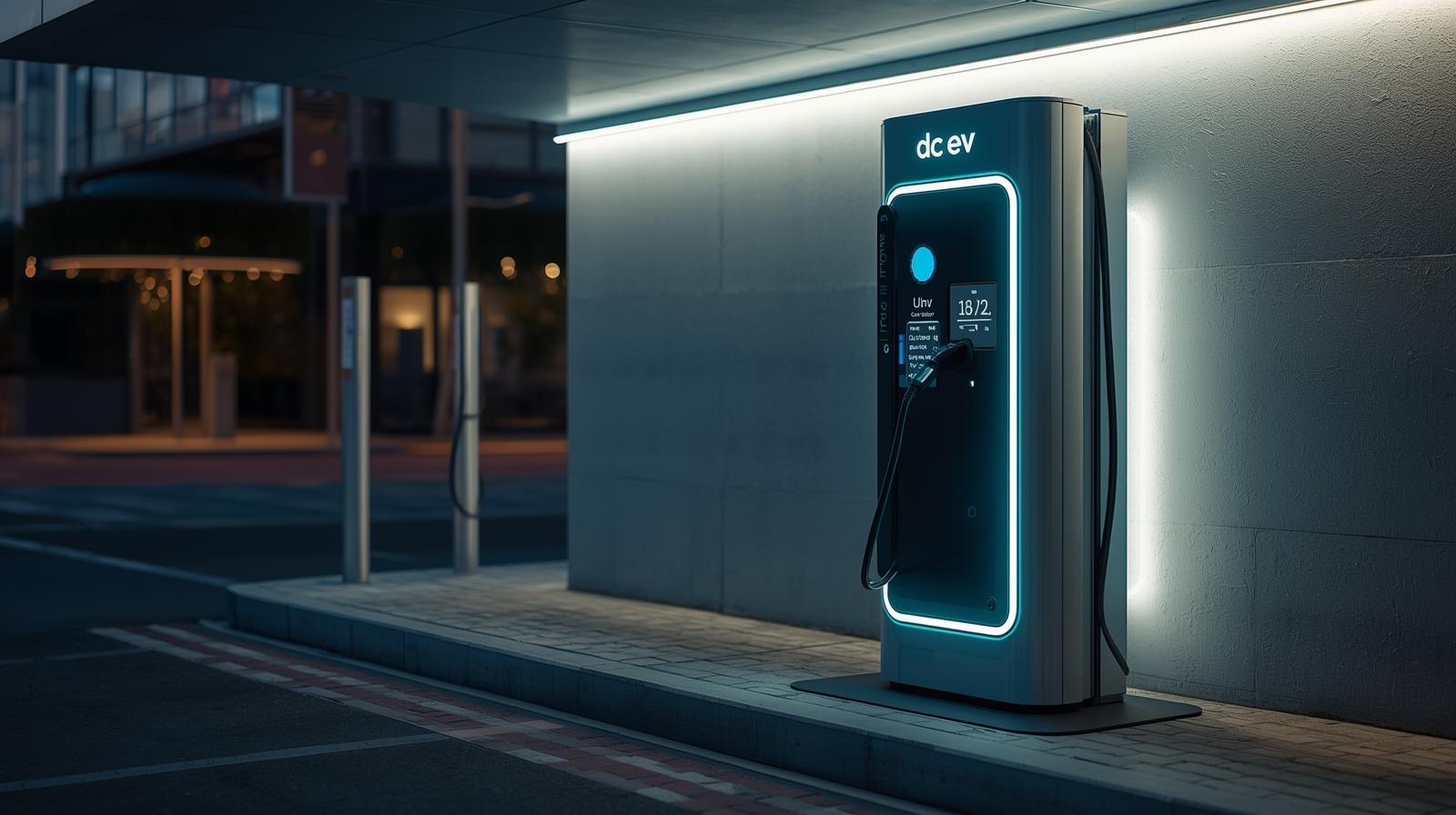
DC EV chargers deliver direct current (DC) electricity straight to the vehicle battery, bypassing the onboard AC charger. This allows significantly higher power levels and much faster charging times compared to AC chargers.
Key Features
- Power output: 25 kW to 350+ kW
- Charging time: 15–45 minutes to 80%
- Infrastructure: Commercial-grade electrical systems
- Use case: High-traffic public areas, highways, commercial and fleet locations
Because of their advanced technology, DC EV chargers are inherently more expensive than Level 2 chargers.
Factors That Affect DC EV Charger Costs
Several factors determine how much DC EV chargers cost:
- Power output and charging speed
- Installation complexity
- Grid infrastructure and electrical upgrades
- Permits, site preparation, and labor costs
- Software, networking, and payment systems
- Maintenance and operational costs
We’ll explore each factor in detail.
DC EV Charger Types and Their Costs
DC EV chargers are classified by power output, which directly affects cost:
| Charger Type | Power Output | Typical Cost Range (Equipment Only) |
|---|---|---|
| Low-Power | 25–50 kW | $10,000–$25,000 |
| Medium-Power | 60–150 kW | $25,000–$50,000 |
| High-Power | 150–350 kW | $50,000–$150,000+ |
| Ultra-Fast/Megawatt | 350–1000+ kW | $200,000+ |
These ranges represent hardware costs only. Installation and operational expenses can significantly increase the total cost.
Low-Power DC Chargers (25–50 kW)
Characteristics
- Ideal for urban hubs, small retail centers, and workplaces
- Slower fast charging, 30–60 minutes to 80% charge
Cost Overview
- Equipment: $10,000–$25,000
- Installation: $5,000–$15,000
- Total: $15,000–$40,000
These chargers are a cost-effective entry point for smaller businesses or municipalities.
Medium-Power DC Chargers (60–150 kW)
Characteristics
- Common in public charging networks and highway rest stops
- Provides faster charging for most EVs
Cost Overview
- Equipment: $25,000–$50,000
- Installation: $10,000–$30,000
- Total: $35,000–$80,000
Medium-power chargers balance speed, cost, and usability.
High-Power DC Chargers (150–350 kW)
Characteristics
- Supports ultra-fast charging for long-distance travel
- Suitable for high-traffic public locations
Cost Overview
- Equipment: $50,000–$150,000+
- Installation: $25,000–$75,000
- Total: $75,000–$225,000+
High-power chargers require significant infrastructure and skilled labor for installation.
Ultra-Fast and Megawatt Chargers
These chargers are designed for:
- Heavy-duty EVs and buses
- Commercial fleets with high throughput
Cost Overview
- Equipment: $200,000+
- Installation: $50,000–$150,000+
- Total: $250,000+
Megawatt chargers are expensive but essential for heavy-duty and long-haul EV operations.
Installation Costs: What You Need to Know
Installation can often exceed the equipment cost for DC chargers. Factors include:
- Electrical upgrades
- Conduit and cabling
- Civil works for station placement
- Labor and specialized technicians
Installation costs can range from $5,000 for small chargers to over $150,000 for high-power systems.
Electrical Infrastructure Requirements
High-power DC chargers often require:
- High-voltage service (400V–1000V)
- Three-phase electrical connections
- Transformers and switchgear upgrades
- Load balancing systems
These infrastructure requirements can significantly influence overall cost.
Grid Upgrades and Utility Costs
Utilities may charge for:
- Grid connection
- Demand charges
- Peak load adjustments
Especially in commercial and fleet settings, these can be a significant portion of total costs.
Permits, Fees, and Site Preparation
Site-specific costs include:
- Building permits and inspections
- Local fees
- Excavation and paving
- Accessibility compliance
Permits and site prep can add $5,000–$25,000+ per installation.
Operational and Maintenance Costs
Ongoing costs include:
- Electricity consumption
- Regular maintenance and repairs
- Network subscriptions for software and payment processing
Annual operational costs can range from $1,000–$10,000+, depending on usage.
Software, Networking, and Payment Systems
Modern DC chargers are networked and often require:
- Remote monitoring
- Payment processing
- Mobile apps and data integration
These systems may cost $1,000–$5,000 per charger and often include subscription fees.
Comparing DC Chargers to Level 2 Chargers
| Feature | DC EV Chargers | Level 2 Chargers |
|---|---|---|
| Charging Speed | Fast (15–45 min) | Slow (4–8 hrs) |
| Equipment Cost | $10,000–$350,000+ | $400–$2,500 |
| Installation | Complex | Simple |
| Use Case | Public, commercial | Home, workplace |
DC chargers are far more expensive but provide essential fast charging capabilities.
Cost per Charging Session: Public vs Commercial
- Public users may pay $0.25–$0.50 per kWh
- Commercial fleets may optimize cost through time-of-use rates or private energy contracts
Understanding these costs helps calculate ROI and payback period.
Cost Benefits for Businesses and Fleet Operators
Advantages of investing in DC EV chargers:
- Faster vehicle turnaround
- Attracting customers with fast charging
- Supporting sustainability goals
- Long-term cost savings vs gasoline
Government Incentives and Subsidies
Many governments offer:
- Tax credits
- Grants for commercial chargers
- Subsidies for public infrastructure
These incentives can reduce upfront costs by 30–50% in some cases.
How Location Affects Charger Costs
Location matters because:
- Urban areas may have higher installation fees
- Rural areas may require longer electrical runs
- Highway stations may need higher power to support multiple vehicles
Location can affect equipment, installation, and utility costs.
DC EV Chargers for Homes: Is It Feasible?

Technically possible but:
- Requires high-voltage electrical service
- Very expensive equipment ($50,000+)
- Not practical for most homeowners
Homeowners typically use Level 2 chargers instead.
Total Cost of Ownership Over Time
TCO includes:
- Equipment cost
- Installation
- Electricity
- Maintenance
- Network fees
For a high-power DC charger, TCO over 10 years may exceed $300,000, emphasizing the need for ROI analysis.
Cost Considerations for Fleet and Commercial Use
Fleets must consider:
- Peak demand charges
- Vehicle compatibility
- Charger quantity and placement
- Operational scheduling
Proper planning can maximize ROI and reduce energy costs.
Charging Speed vs Cost: Choosing the Right Option
- Low-power chargers: lower cost, slower speed
- High-power chargers: higher cost, faster turnover
- Choosing depends on traffic, vehicle type, and operational needs
Balancing cost and speed is key.
Future Trends in DC EV Charger Pricing
- Technology improvements may reduce equipment cost
- Standardization of high-power chargers
- Integration with renewable energy
- Economies of scale as EV adoption grows
Future costs may decline while performance improves.
Common Misconceptions About DC EV Charger Costs
- Misconception: DC chargers are only for highways → they are also used in urban areas and fleets
- Misconception: Installation is cheap → costs often exceed equipment price
- Misconception: Only businesses need them → public charging stations serve everyday drivers too
Return on Investment (ROI) Considerations
ROI depends on:
- Usage rates
- Energy costs
- Charging fees
- Government incentives
High-traffic locations typically provide the fastest ROI.
Conclusion
So, how much do DC EV chargers cost?
The cost of DC EV chargers varies widely:
- Low-power DC chargers: $15,000–$40,000
- Medium-power DC chargers: $35,000–$80,000
- High-power DC chargers: $75,000–$225,000+
- Ultra-fast/megawatt chargers: $250,000+
These prices include equipment and installation, with operational costs adding to long-term expenses. While expensive, DC EV chargers provide fast charging, convenience, and scalability, making them essential for public networks, commercial fleets, and long-distance travel. With government incentives and careful planning, businesses and municipalities can justify the investment while supporting the growing EV ecosystem.
FAQs: How Much Do DC EV Chargers Cost?
1. How much do DC EV chargers cost on average?
DC EV chargers typically range from $15,000 for low-power chargers to $250,000+ for high-power or megawatt chargers, including installation in some cases.
2. Why are DC EV chargers more expensive than Level 2 chargers?
DC chargers provide high-power, fast charging capabilities, require complex electrical infrastructure, and include advanced software, networking, and payment systems.
3. What factors affect the cost of DC EV chargers?
Key factors include charger power output, installation complexity, electrical infrastructure upgrades, permits, site preparation, software/networking, and operational costs.
4. How much does installation of a DC EV charger cost?
Installation costs vary widely, from $5,000 for low-power chargers to over $150,000 for high-power chargers, depending on electrical upgrades, site preparation, and labor.
5. Are there additional costs besides equipment and installation?
Yes. Additional costs may include electricity, maintenance, network subscriptions, software, permits, and grid demand charges.
6. Can homeowners install DC EV chargers?
While technically possible, home installation of DC EV chargers is generally impractical due to high costs, power requirements, and electrical limitations. Level 2 chargers are preferred for residential use.
7. Do government incentives reduce DC EV charger costs?
Yes. Many governments offer tax credits, grants, and subsidies for commercial and public DC EV chargers, sometimes reducing upfront costs by 30–50%.
8. How does charger power affect cost?
Higher-power chargers (150–350 kW) cost significantly more than low-power chargers (25–50 kW) but provide faster charging and higher vehicle turnover, making them more suitable for busy locations.