

As electric vehicles (EVs) continue to gain popularity worldwide, understanding EV charging technology has become essential for owners, fleet operators, and infrastructure planners. A common question arises among EV enthusiasts: “Why is DC charging faster than AC?”
This article explores the science behind EV charging, the differences between AC and DC charging, the factors that influence charging speed, and why DC fast chargers provide a rapid charging experience. It also addresses battery considerations, real-world use cases, and technological advancements that enhance fast charging.
By the end, readers will have a clear understanding of why DC charging is faster than AC, the advantages of each charging method, and best practices for efficient EV charging.
Introduction: The Need for Faster EV Charging
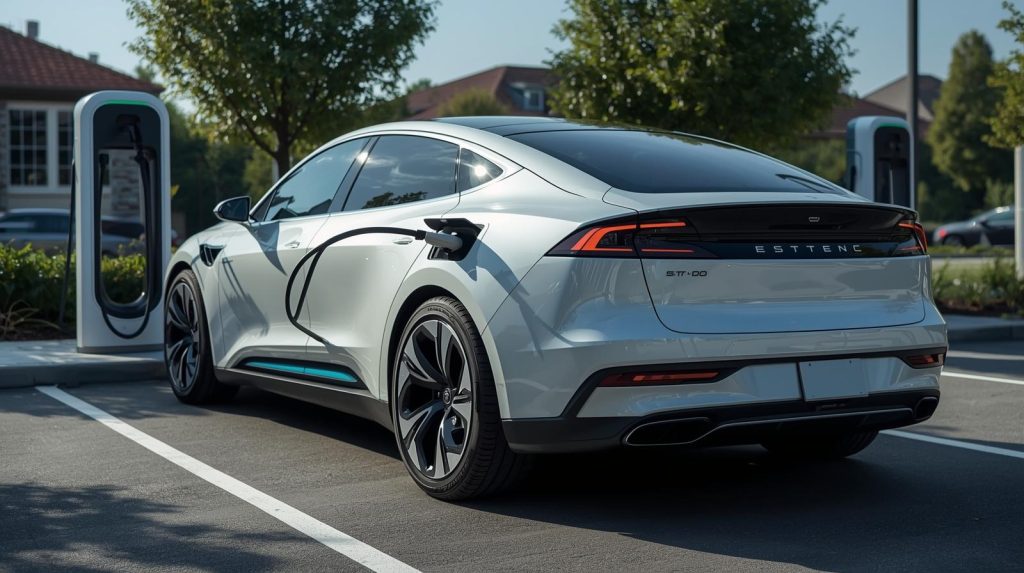
Electric vehicles are revolutionizing transportation by reducing carbon emissions and reliance on fossil fuels. However, charging speed remains a critical factor in EV adoption.
- Long charging times can cause range anxiety for drivers.
- Efficient charging is crucial for fleets, ride-sharing services, and commercial operations.
- DC fast charging has emerged as the solution to quickly recharge EV batteries and reduce downtime.
Understanding why DC charging is faster than AC helps EV owners make informed decisions about charging infrastructure and usage.
Understanding AC and DC Current
Electricity comes in two main types:
- Alternating Current (AC): The flow of electrons reverses direction periodically. AC is used in homes and workplaces.
- Direct Current (DC): Electrons flow in one direction. DC is used for high-power applications and battery charging.
The difference in current type is fundamental to why DC charging is faster.
What Are AC Chargers?
AC chargers supply alternating current to the EV. The vehicle’s onboard charger converts AC to DC to store energy in the battery.
Characteristics of AC Charging:
- Level 1: 120V, slow charging (3–8 miles/hour)
- Level 2: 240V, moderate charging (15–60 miles/hour)
- Ideal for home and workplace charging
What Are DC Chargers?
DC chargers, also called DC fast chargers or Level 3 chargers, deliver direct current directly to the EV battery, bypassing the onboard charger.
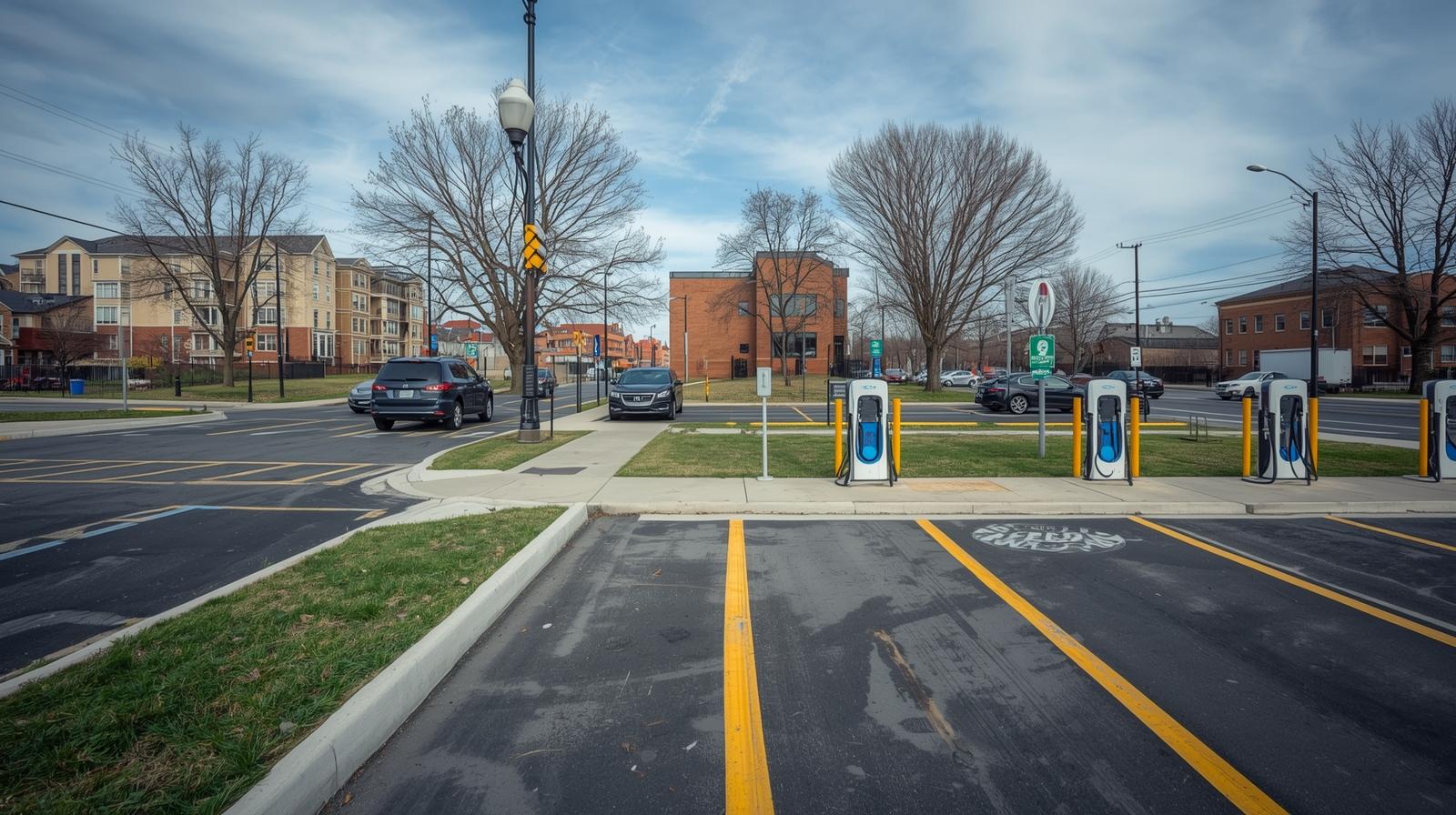
Characteristics of DC Charging:
- Power output: 50 kW to 350+ kW
- Charging speed: 0–80% in 15–45 minutes
- Used in highways, urban hubs, and fleet depots
Key Differences Between AC and DC Charging
| Feature | AC Charger | DC Charger |
|---|---|---|
| Current Type | Alternating Current (AC) | Direct Current (DC) |
| Conversion | Onboard charger converts AC to DC | Bypasses onboard charger |
| Charging Speed | Slow to moderate | Ultra-fast |
| Typical Locations | Homes, workplaces, Level 2 public stations | Highways, fleet depots, public fast-charging hubs |
| Infrastructure | Simple, low-cost | Complex, high-voltage |
| Battery Stress | Minimal | Slightly higher if used frequently |
How AC Charging Works
AC chargers supply AC power to the vehicle’s onboard charger, which converts it to DC. The charging speed is limited by the onboard charger capacity, typically 3.3 kW to 22 kW for passenger vehicles.
Key points:
- Slower charging times
- Suitable for overnight or workplace charging
- Gentle on battery health
How DC Charging Works
DC chargers deliver DC power directly to the battery, bypassing the onboard charger. This allows higher power delivery and faster charging times.
Key points:
- High-voltage DC output (400–1000V)
- Supports high current (50–350+ kW)
- Reduces charging time drastically compared to AC
The Role of Onboard Chargers in AC Charging
The onboard charger acts as a gatekeeper:
- Converts AC to DC
- Controls charging rate based on battery temperature and SOC
- Protects battery from overcurrent and overvoltage
Limitation: The onboard charger’s maximum power is often far lower than DC fast chargers, which restricts charging speed.
How DC Bypasses the Onboard Charger
DC fast chargers supply DC directly to the battery, eliminating the conversion bottleneck.
- This allows higher current and voltage delivery
- The battery can receive energy faster without being limited by the onboard charger’s capacity
Voltage and Current Differences
- AC chargers: Lower voltage and current, constrained by residential or commercial wiring
- DC chargers: High voltage (400–1000V) and high current, requiring dedicated infrastructure
High voltage and current are the primary reasons DC charging is faster than AC.
Power Delivery and Its Effect on Charging Speed
Charging power is calculated as:
Power (kW) = Voltage (V) × Current (A)
- AC Level 2: ~7–22 kW
- DC fast charger: 50–350 kW+
Higher power means more energy delivered per unit time, explaining the speed advantage of DC chargers.
Battery Chemistry and Charging Efficiency
Battery type affects charging speed:
- Lithium-ion (NCM/NCA): Fast charging supported but heat-sensitive
- Lithium iron phosphate (LFP): More tolerant of high current
Thermal management is crucial to maintain efficiency and battery health during DC charging.
Thermal Management and Charging Rate
- DC fast charging generates heat inside the battery
- EVs use liquid or air cooling to maintain optimal temperature
- Proper thermal management ensures fast charging without damaging the battery
Charging Speed Comparisons: AC vs DC
| Charger Type | Power (kW) | Typical Charging Time (0–80%) |
|---|---|---|
| AC Level 1 | 1.4–2.4 | 12–24 hours |
| AC Level 2 | 7–22 | 4–8 hours |
| DC Fast Charger 50 kW | 50 | ~1 hour |
| DC Fast Charger 150 kW | 150 | 20–30 minutes |
| DC Fast Charger 350 kW | 350 | 15–20 minutes |
Typical Charging Times for AC and DC Chargers
- Home AC charging: Overnight charging sufficient for daily commute
- DC charging: Suitable for long trips or urgent top-ups, drastically reducing downtime
Infrastructure Requirements for Fast Charging
- AC chargers: Simple installation, residential wiring
- DC chargers: High-voltage lines, heavy-duty panels, cooling systems, utility coordination
Grid and Electrical Considerations
- DC fast charging draws high power, sometimes requiring dedicated transformers
- AC chargers are compatible with standard electrical supply
Cost Differences Between AC and DC Charging
| Type | Equipment Cost | Installation Cost | Total Cost |
|---|---|---|---|
| AC Level 2 | $500–$2,500 | $500–$2,000 | $1,000–$4,500 |
| DC Fast Charger | $10,000–$150,000+ | $20,000–$100,000+ | $30,000–$250,000+ |
Applications of DC Fast Charging
- Highways for long-distance travel
- Urban fast-charging hubs
- Fleet depots and commercial operations
- Public charging stations with high turnover
Applications of AC Charging
- Home overnight charging
- Workplace charging
- Public Level 2 stations for extended parking
- Low-traffic locations
Pros and Cons of AC and DC Charging
AC Charging Pros:
- Low cost
- Easy installation
- Gentle on battery
AC Charging Cons:
- Slow
- Not ideal for long trips
DC Fast Charging Pros:
- Rapid charging
- Reduces downtime
- Essential for high-mileage use
DC Fast Charging Cons:
- Expensive
- High infrastructure requirement
- Slightly higher battery stress if overused
Safety Considerations
- Both AC and DC chargers have protective measures:
- Overcurrent protection
- Ground fault detection
- Battery Management System (BMS) integration
Impact on Battery Health
- Occasional DC fast charging: Minimal impact
- Frequent daily DC fast charging: Slight acceleration of battery wear
- AC charging: Best for daily battery-friendly charging
Misconceptions About Fast Charging
- Myth: DC charging always damages batteries → Modern BMS ensures safe charging
- Myth: AC charging is obsolete → Perfect for daily and home charging
- Myth: DC chargers are only for highways → Used in urban hubs and fleets
Technological Innovations in DC Charging
- 800V architecture for ultra-fast charging
- AI-powered charging optimization
- Battery preconditioning to reduce stress
- Integration with renewable energy and storage
The Future of Fast EV Charging
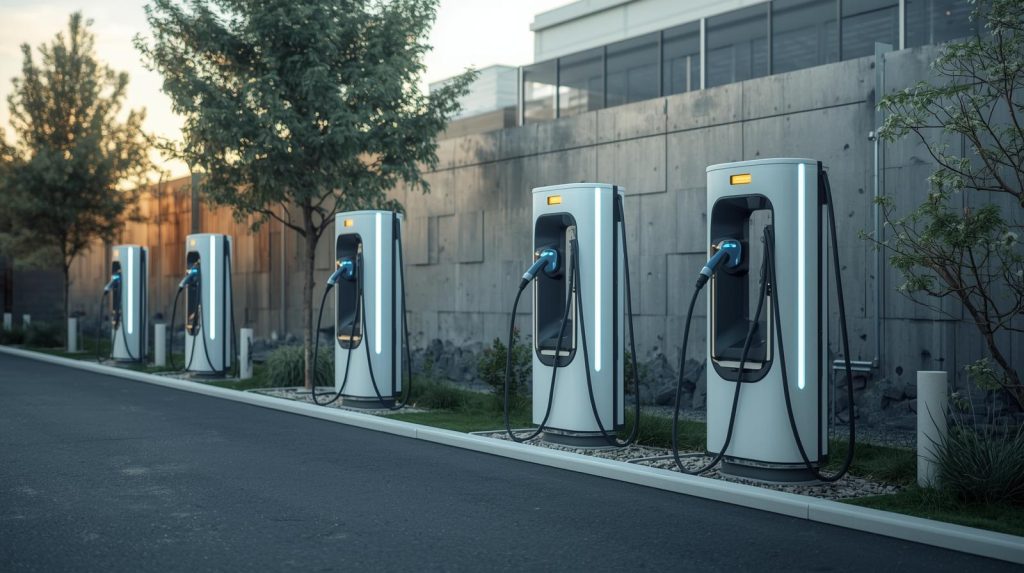
- Even higher-power chargers (>350 kW)
- Wireless and bidirectional charging
- Grid-friendly charging with demand-response integration
- More battery chemistry innovations to support ultra-fast charging
Tips for Optimizing Charging Efficiency
- Use AC charging for daily needs
- Reserve DC fast charging for long trips or urgent top-ups
- Avoid charging at 100% frequently using DC
- Precondition battery temperature before fast charging
Conclusion
So, why is DC charging faster than AC?
The main reasons are:
- DC delivers direct current to the battery, bypassing the onboard charger
- Higher voltage and current allow more energy per unit time
- Advanced infrastructure supports high-power delivery safely
AC charging is slower because it relies on the onboard converter and lower power levels, but it is gentle on batteries and ideal for daily use. DC charging is designed for speed, convenience, and long-distance travel, making it an essential part of the EV ecosystem.
By understanding these differences, EV owners can balance charging speed, convenience, and battery health, maximizing the benefits of electric mobility.
FAQs: Why is DC Charging Faster Than AC
1. Why is DC charging faster than AC?
DC charging delivers direct current straight to the EV battery, bypassing the onboard charger, allowing higher voltage and current for rapid energy delivery.
2. Can I use DC fast charging at home?
Typically, no. DC fast chargers require high-voltage, three-phase connections and complex infrastructure. AC chargers are ideal for home use.
3. How does AC charging work?
AC chargers supply alternating current to the vehicle’s onboard charger, which converts it to DC to charge the battery. This process limits the charging speed.
4. What is the typical charging time for AC vs DC?
- AC Level 2: 4–8 hours for a full charge
- DC Fast Charger 50–350 kW: 15–45 minutes for 0–80% charge
5. Does DC fast charging affect battery health?
Occasional DC charging has minimal impact. Frequent daily use may slightly accelerate battery wear, but modern Battery Management Systems (BMS) help protect battery health.
6. What factors influence charging speed?
Charging speed depends on voltage, current, battery chemistry, thermal management, and the EV’s onboard charging capabilities.
7. Are DC chargers more expensive than AC chargers?
Yes. DC fast chargers have higher equipment and installation costs due to high power delivery, cooling systems, and grid requirements.
8. Where are DC fast chargers typically used?
Highways, urban fast-charging hubs, fleet depots, and public locations with high EV traffic.
9. Can AC chargers be used for long trips?
AC chargers are slower, so they are suitable for overnight charging or workplace charging, but for long trips, DC fast chargers are recommended.