
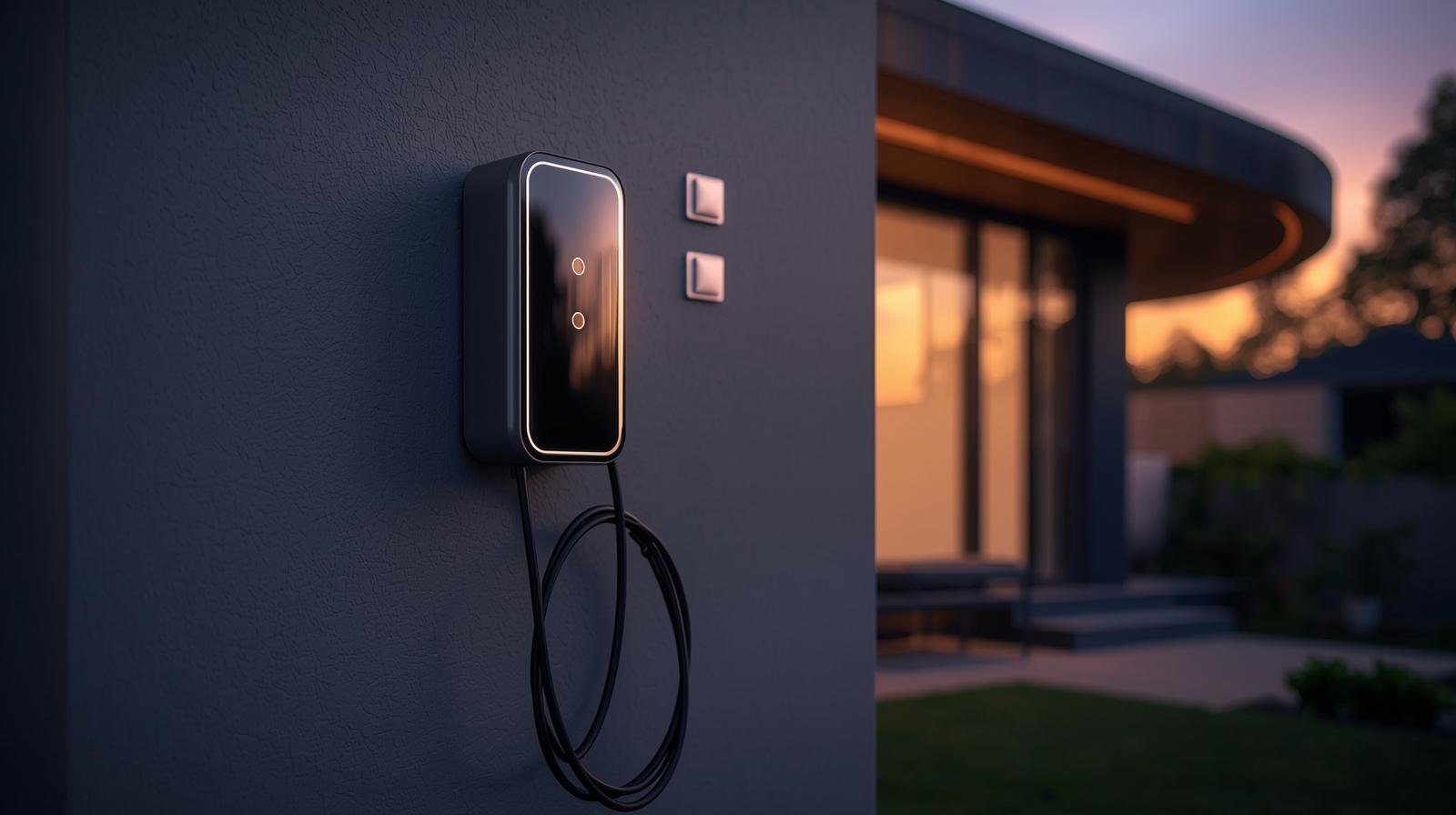
As electric vehicles (EVs) become increasingly popular, many homeowners are considering installing chargers on their property. While Level 2 AC chargers are common for residential use, a growing question among EV enthusiasts is: “When is it possible to install a DC fast charger at home?”
DC fast chargers, also known as Level 3 chargers, offer ultra-fast charging capabilities, delivering high power directly to the EV battery. However, installing one at a private residence is not as straightforward as plugging in a Level 2 charger. This article explores the technical, financial, and regulatory considerations, providing a thorough understanding of when home installation is feasible.
Introduction: The Appeal of DC Fast Chargers
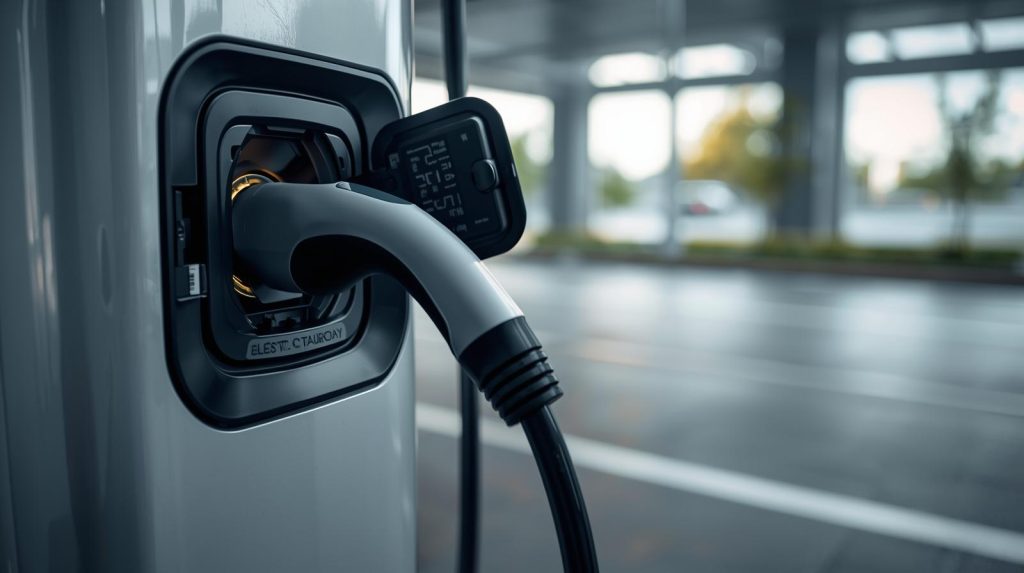
DC fast chargers are capable of recharging EV batteries at high speeds, sometimes reaching 0–80% in 15–30 minutes. For EV owners, having a home-based DC fast charger means:
- Rapid turnaround for long trips
- Convenience of charging overnight or in emergencies
- Reduced dependence on public charging infrastructure
However, not all homes can support these chargers due to power, space, and regulatory limitations. Understanding the feasibility is crucial before considering installation.
What is a DC Fast Charger?
DC fast chargers, also known as Level 3 chargers, provide direct current (DC) directly to the battery, bypassing the onboard AC-to-DC converter. Key characteristics include:

- High power output: 50 kW to 350+ kW
- Rapid charging: 0–80% in 15–45 minutes
- Typically installed at highways, fleet depots, or commercial hubs
DC Fast Chargers vs AC Home Chargers
| Feature | AC Home Charger | DC Fast Charger |
|---|---|---|
| Current Type | AC (converted by onboard charger) | DC (direct to battery) |
| Power | 3–22 kW | 50–350+ kW |
| Charging Time | 4–12 hours | 15–45 minutes |
| Installation | Simple, low-cost | Complex, high-cost |
| Best Use | Daily home charging | Long trips, urgent top-ups |
How DC Fast Charging Works
- Communicates with the EV’s Battery Management System (BMS)
- Delivers high-voltage, high-current DC power directly to the battery
- Monitors temperature and charging limits to prevent battery damage
- Provides ultra-fast energy replenishment
Benefits of DC Fast Charging
- Rapid charging for minimal downtime
- Ideal for long-distance travel
- Supports high-utilization EV fleets
- Reduces range anxiety
Limitations of Installing DC Fast Chargers at Home
While attractive, DC fast chargers have several limitations for residential installation:
- High power requirements exceeding typical home supply
- Need for three-phase electrical service
- Complex safety and thermal management requirements
- High installation and equipment costs
Electrical Infrastructure Requirements
A home DC fast charger installation requires robust electrical infrastructure:
- High-voltage service (typically 480V or higher)
- Three-phase power supply for adequate current delivery
- Dedicated electrical panels and circuit breakers
- Advanced wiring and cabling capable of handling high amperage
Grid Capacity and Utility Considerations
- Homes may need utility approval for high-power installations
- Grid connections must handle peak load without affecting neighbors
- Some utilities may charge extra for high-demand installations
High-Voltage and Three-Phase Power Needs
- DC fast chargers usually require 400–800V DC
- Residential homes often have single-phase 120/240V service
- Upgrading to three-phase service may involve significant utility work and cost
Physical Space and Installation Requirements
- Charger units are larger than AC Level 2 chargers
- Space must allow for installation, ventilation, and safe operation
- Proper grounding and protection against environmental hazards are essential
Cost of Home DC Fast Charger Installation
- Equipment cost: $20,000–$100,000+
- Installation cost: $20,000–$80,000+
- Total cost often exceeds $50,000–$150,000 for residential setup
- Maintenance and operational costs also higher than AC chargers
Permits and Regulatory Compliance
- Building permits may be required
- Electrical inspections and safety compliance necessary
- Compliance with local codes, utility regulations, and EVSE standards is mandatory
Safety Considerations for Home Installation
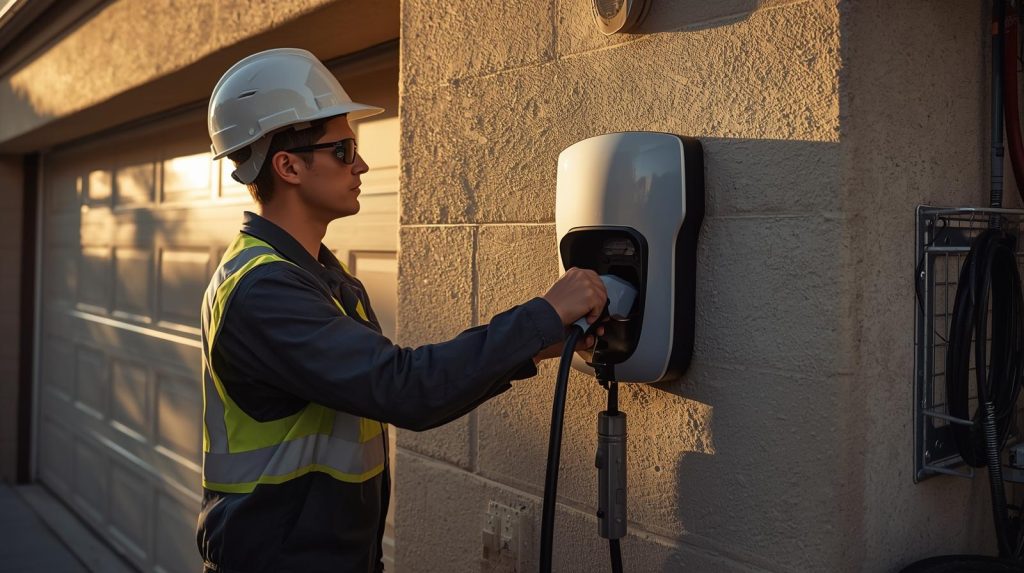
- High voltage and current pose electric shock risk
- Proper grounding and circuit protection required
- Thermal management to prevent overheating
- Emergency shut-off mechanisms are essential
Battery Management Systems (BMS) and DC Charging
- Modern EVs have BMS to control charging rate
- Home DC chargers must communicate with BMS to prevent overcurrent or overvoltage
- BMS ensures battery safety during ultra-fast charging
Environmental and Energy Considerations
- High-power chargers increase energy consumption
- Thermal management consumes additional electricity
- Noise and heat emissions may be a concern in residential areas
Feasibility Scenarios for Residential Installation
A home DC fast charger installation is possible when:
- High-voltage three-phase power is available
- Utility approves high-load installation
- Adequate space and safety measures exist
- Owner can afford equipment and installation costs
When Installation is Possible: Key Conditions
- Residential location with three-phase service
- High-load electrical panel capable of handling 100+ kW
- Access to utility and regulatory approvals
- Homeowner willing to invest in cost, maintenance, and safety upgrades
Alternatives to Installing a DC Fast Charger at Home
- Install a Level 2 AC charger for overnight charging
- Use public DC fast-charging stations for long trips
- Shared charging infrastructure in multi-unit residences
- Smart charging schedules to optimize battery life and reduce grid load
Comparing DC Home Charging vs Public Fast Charging
- Home DC charging offers ultimate convenience but is costly
- Public DC chargers provide accessibility without home infrastructure upgrades
- AC home chargers combined with occasional public DC fast charging offer a balanced approach
Incentives and Financial Assistance
- Some regions provide grants, tax credits, or subsidies for EVSE installation
- Utilities may offer special programs for high-load installations
- Incentives can reduce upfront cost significantly
Real-World Examples of Home DC Charger Installations
- Commercial EV enthusiasts with three-phase residential supply
- Fleet operators installing DC chargers on private properties
- Rare, but possible with adequate infrastructure and budget
Technological Advancements Making Home Installation Easier
- 800V systems reducing current requirements
- Compact DC fast chargers for residential use
- Smart EVSE integrating BMS communication and thermal management
- Energy storage systems supporting high-load home charging
Long-Term Maintenance Considerations
- Regular inspections of cabling and connectors
- BMS software updates
- Thermal management system servicing
- Preventive maintenance to ensure safe operation
Misconceptions About Home DC Fast Chargers
- Myth: Any EV can use a home DC fast charger → Requires compatibility and BMS support
- Myth: Home DC chargers are always cheaper → Usually much more expensive than AC chargers
- Myth: Installation is straightforward → Requires complex electrical and regulatory compliance
Recommendations for Homeowners
- Prefer Level 2 AC chargers for daily use
- Use public DC fast chargers for long trips
- Consider DC fast charger only if:
- Three-phase service exists
- Utility approval is granted
- Sufficient budget is available
Conclusion:When Is It Possible to Install a DC Fast Charger at Home
So, when is it possible to install a DC fast charger at home?
It is possible under very specific conditions: availability of three-phase high-voltage power, utility approval, sufficient space, adherence to safety regulations, and willingness to invest significantly in equipment and installation. For most residential EV owners, Level 2 AC chargers combined with occasional public DC fast charging offer the most practical balance of convenience, battery safety, and cost-effectiveness.
Understanding the requirements and limitations ensures homeowners make informed decisions about EV charging infrastructure and enjoy a safe, efficient, and sustainable EV experience.
FAQs: When Is It Possible to Install a DC Fast Charger at Home?
1. Can I install a DC fast charger at any home?
No. Home installation is only possible if you have high-voltage, three-phase power, utility approval, adequate space, and the budget for equipment and installation.
2. What are the electrical requirements for a home DC fast charger?
DC fast chargers typically require 400–800V DC, three-phase power, dedicated panels, and high-capacity circuit breakers. Standard single-phase residential power is usually insufficient.
3. How much does a home DC fast charger cost?
Including equipment and installation, costs typically range from $50,000 to $150,000 or more, depending on electrical upgrades and local regulations.
4. Are there safety concerns for installing a DC fast charger at home?
Yes. High voltage and current pose risks of electric shock, fire, and overheating. Proper grounding, circuit protection, and thermal management are essential.
5. Do I need utility approval to install a DC fast charger?
Yes. High-power installations often require utility approval to ensure the home and local grid can handle the load safely.
6. Can I use a DC fast charger with any EV at home?
Not all EVs support home-based DC fast charging. The vehicle must be compatible with high-voltage DC input and communicate properly with its Battery Management System (BMS).
7. Are there alternatives to installing a DC fast charger at home?
Yes. Most homeowners use Level 2 AC chargers for daily charging and rely on public DC fast chargers for long trips or urgent top-ups.
8. Are there incentives or financial assistance for home DC fast charger installation?
Some regions and utilities offer grants, tax credits, or subsidies to offset costs, but availability depends on location and regulatory programs.
9. How much space is needed for a home DC fast charger?
The charger requires dedicated space with proper ventilation, grounding, and safety clearance for installation and operation.
10. Is home DC fast charging practical for most EV owners?
For most homeowners, Level 2 AC chargers are more practical due to lower cost, simpler installation, and compatibility. DC fast chargers are only feasible in specific, high-capacity residential setups.