
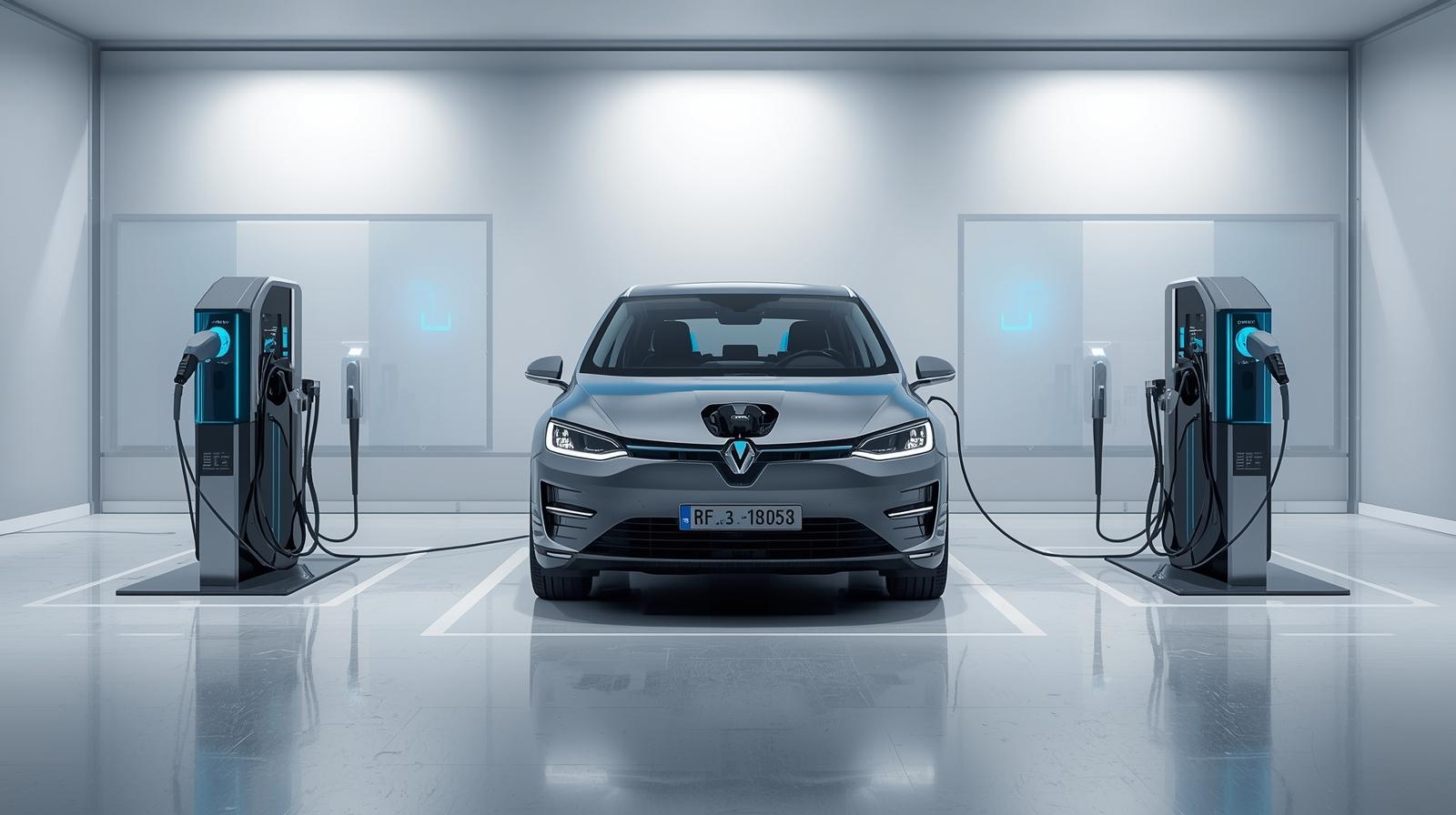
Electric vehicles (EVs) are transforming the global transportation system, offering a cleaner, quieter, and more energy-efficient alternative to traditional gasoline-powered cars. As EV adoption accelerates, one topic that every EV owner, buyer, and enthusiast must clearly understand is EV charging.
Among the most common questions asked by new and prospective EV users is:
What are the four modes of EV charging?
Understanding the four modes of EV charging is essential because each mode differs in charging speed, safety level, power delivery, cost, infrastructure requirements, and real-world use cases. Choosing the right charging mode can significantly impact battery health, charging efficiency, convenience, and overall ownership experience.
Introduction to EV Charging
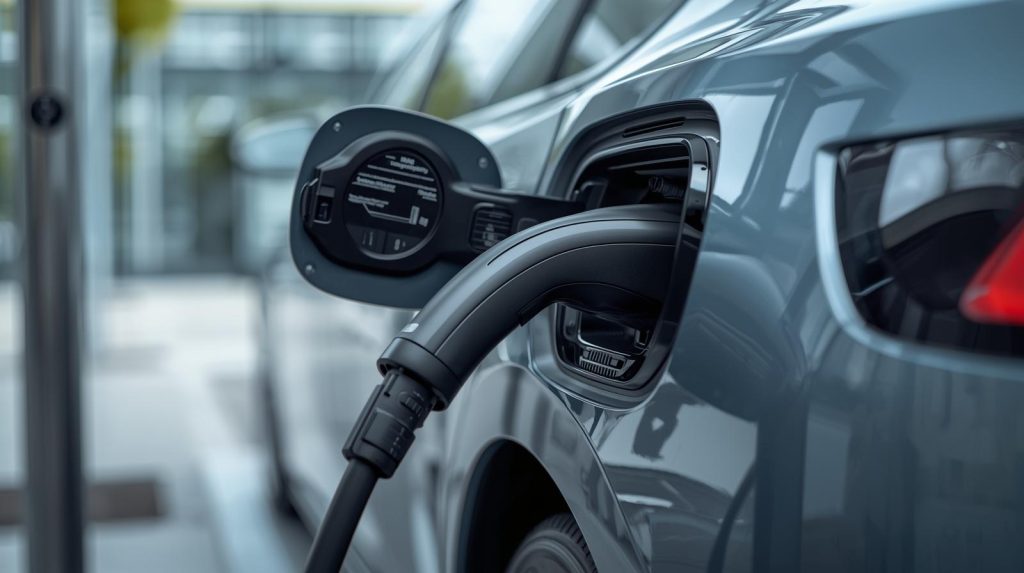
EV charging is the process of supplying electrical energy to an electric vehicle’s battery. Unlike fueling a gasoline car, EV charging can occur at different speeds, power levels, and locations—ranging from a standard household outlet to ultra-fast public charging stations.
To standardize this process and ensure safety, international bodies defined four distinct modes of EV charging. These modes classify charging based on power supply type, communication level, safety mechanisms, and charging equipment.
Why Understanding EV Charging Modes Matters
Knowing what are the four modes of EV charging? helps EV owners:
- Choose the safest charging option
- Optimize charging time
- Protect battery health
- Reduce electricity costs
- Select the right home charger
- Plan long-distance travel efficiently
Each charging mode serves a specific purpose and environment.
What Are the Four Modes of EV Charging? (Overview)
The four modes of EV charging are defined under IEC 61851, an international charging standard:
- Mode 1 charging – Basic AC charging from a standard socket
- Mode 2 charging – AC charging with in-cable protection
- Mode 3 charging – Dedicated AC charging stations
- Mode 4 charging– DC fast charging
Each mode differs in speed, safety, and infrastructure requirements.
How EV Charging Standards Are Defined
EV charging modes are standardized to:
- Ensure user safety
- Prevent electrical hazards
- Protect vehicle batteries
- Enable global compatibility
The IEC framework ensures consistent charging experiences worldwide.
Comparison Table of the Four Modes of EV Charging
| Mode | Power Type | Speed | Safety | Typical Use |
|---|---|---|---|---|
| Mode 1 | AC | Very Slow | Low | Rare / Emergency |
| Mode 2 | AC | Slow | Medium | Occasional Home |
| Mode 3 | AC | Medium–Fast | High | Home & Public |
| Mode 4 | DC | Very Fast | Very High | Public Fast Charging |
Safety Features Across EV Charging Modes
Safety improves from Mode 1 to Mode 4 through:
- Fault detection
- Ground monitoring
- Communication protocols
- Automatic shutdown systems
Charging Speed Comparison
Charging speed increases significantly across modes:
- Mode 1: 8–24 hours
- Mode 2: 6–18 hours
- Mode 3: 4–8 hours
- Mode 4: 20–45 minutes
Cost Differences Between Charging Modes
- Mode 1 & 2: Low upfront cost
- Mode 3: Moderate installation cost
- Mode 4: Extremely high infrastructure cost
Impact of Charging Modes on Battery Health
- Slower modes are gentler
- Mode 3 offers best balance
- Mode 4 should be used occasionally
Which EV Charging Mode Is Best for Daily Use?
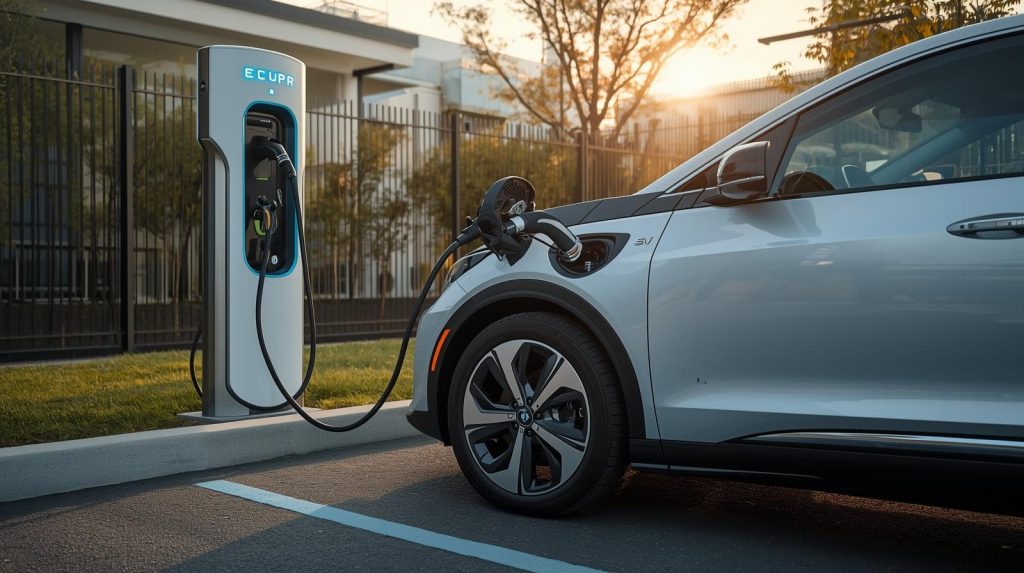
Mode 3 is the best option for daily charging due to its safety, efficiency, and reasonable charging speed.
Which EV Charging Mode Is Best for Long Trips?
Mode 4 is essential for road trips, enabling rapid recharging.
Future Trends in EV Charging Modes
Future developments include:
- Faster Mode 4 chargers
- Smarter Mode 3 chargers
- Improved safety and efficiency
Conclusion
Understanding what are the four modes of EV charging? empowers EV owners to charge safely, efficiently, and cost-effectively. While Mode 3 is ideal for daily use and Mode 4 is crucial for long-distance travel, all four modes play an important role in the evolution of electric mobility.
By choosing the right charging mode for the right situation, EV drivers can enjoy convenience, protect battery health, and support a sustainable future.
Frequently Asked Questions (FAQs)
1. What are the four modes of EV charging?
The four modes of EV charging are Mode 1 (basic AC charging), Mode 2 (AC charging with in-cable protection), Mode 3 (dedicated AC charging stations), and Mode 4 (DC fast charging).
2. Which EV charging mode is best for home use?
Mode 3 charging is the best option for home use because it offers faster charging speeds, advanced safety features, and better battery protection.
3. Is Mode 1 EV charging still used today?
Mode 1 charging is rarely used today due to safety concerns and is restricted or banned in many countries.
4. How is Mode 2 EV charging different from Mode 3?
Mode 2 uses a standard power socket with an in-cable safety device, while Mode 3 uses a dedicated charging station with full communication between the charger and the vehicle.
5. What is Mode 4 EV charging?
Mode 4 refers to DC fast charging, where electricity is supplied directly to the EV battery, allowing very fast charging times.
6. Which EV charging mode is the fastest?
Mode 4 is the fastest EV charging mode, capable of charging an EV up to 80% in 20–45 minutes, depending on the vehicle and charger.
7. Does the charging mode affect EV battery health?
Yes, slower charging modes are generally gentler on the battery, while frequent use of Mode 4 fast charging can slightly increase battery wear.
8. Can Mode 4 fast chargers be installed at home?
Mode 4 fast chargers are usually not suitable for home installation due to high power requirements and high installation costs.
9. Are all EVs compatible with all four charging modes?
Most EVs support Mode 2, Mode 3, and Mode 4 charging, but compatibility may vary depending on the vehicle model and charging connector type.
10. Which EV charging mode is best for long-distance travel?
Mode 4 charging is ideal for long-distance travel because it provides rapid charging and minimizes downtime.