
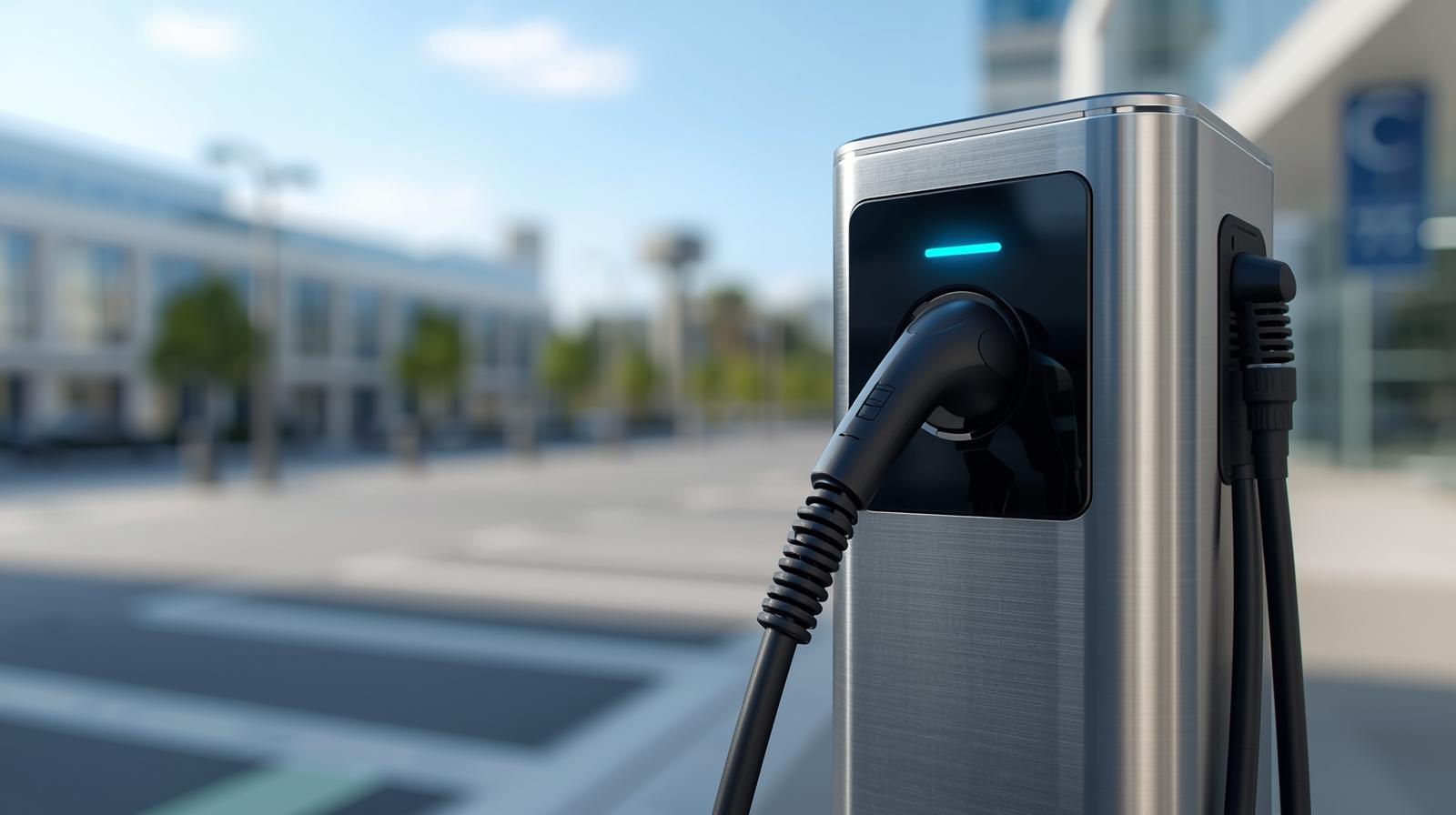
As electric vehicles (EVs) become more common worldwide, charging speed has become one of the most important topics for EV buyers and owners. Among the different charging methods available today, DC EV charging is widely recognized as the fastest option. This naturally leads to a critical question: why DC EV charging is faster?
Understanding why DC EV charging is faster requires exploring how EV batteries work, how electricity flows from the grid to the vehicle, and how charging infrastructure is designed. This article provides a deep, easy-to-understand explanation covering the technology, electrical principles, battery management systems, real-world benefits, and limitations of DC EV charging.
Introduction to EV Charging Speeds
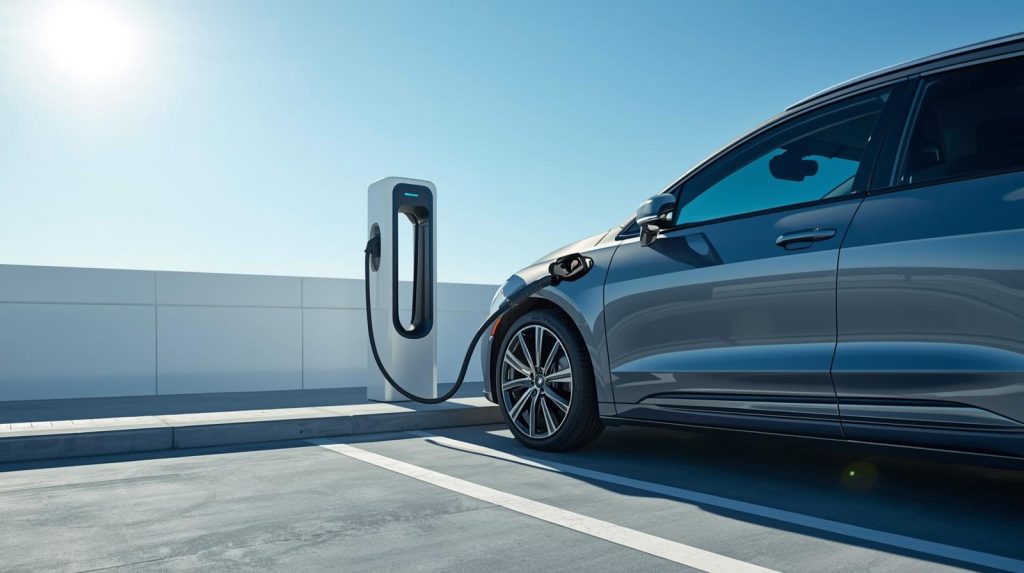
Charging speed is a defining factor in the EV ownership experience. While most EV owners charge at home using AC chargers, public DC fast chargers are designed to deliver rapid charging during travel or emergencies.
To truly understand why DC EV charging is faster, we must examine the electrical path energy takes from the grid to the battery.
Basics of Electricity: AC vs DC
Electricity comes in two primary forms:
- Alternating Current (AC): Electricity supplied by homes and the grid
- Direct Current (DC): Electricity stored in batteries
EV batteries can only store DC power, which plays a crucial role in charging speed differences.
Understanding EV Batteries
EV batteries are made of lithium-ion cells that store energy chemically. These batteries require:
- Precise voltage
- Controlled current
- Temperature regulation
Any inefficiency or bottleneck during charging directly affects speed.
What Is DC EV Charging?
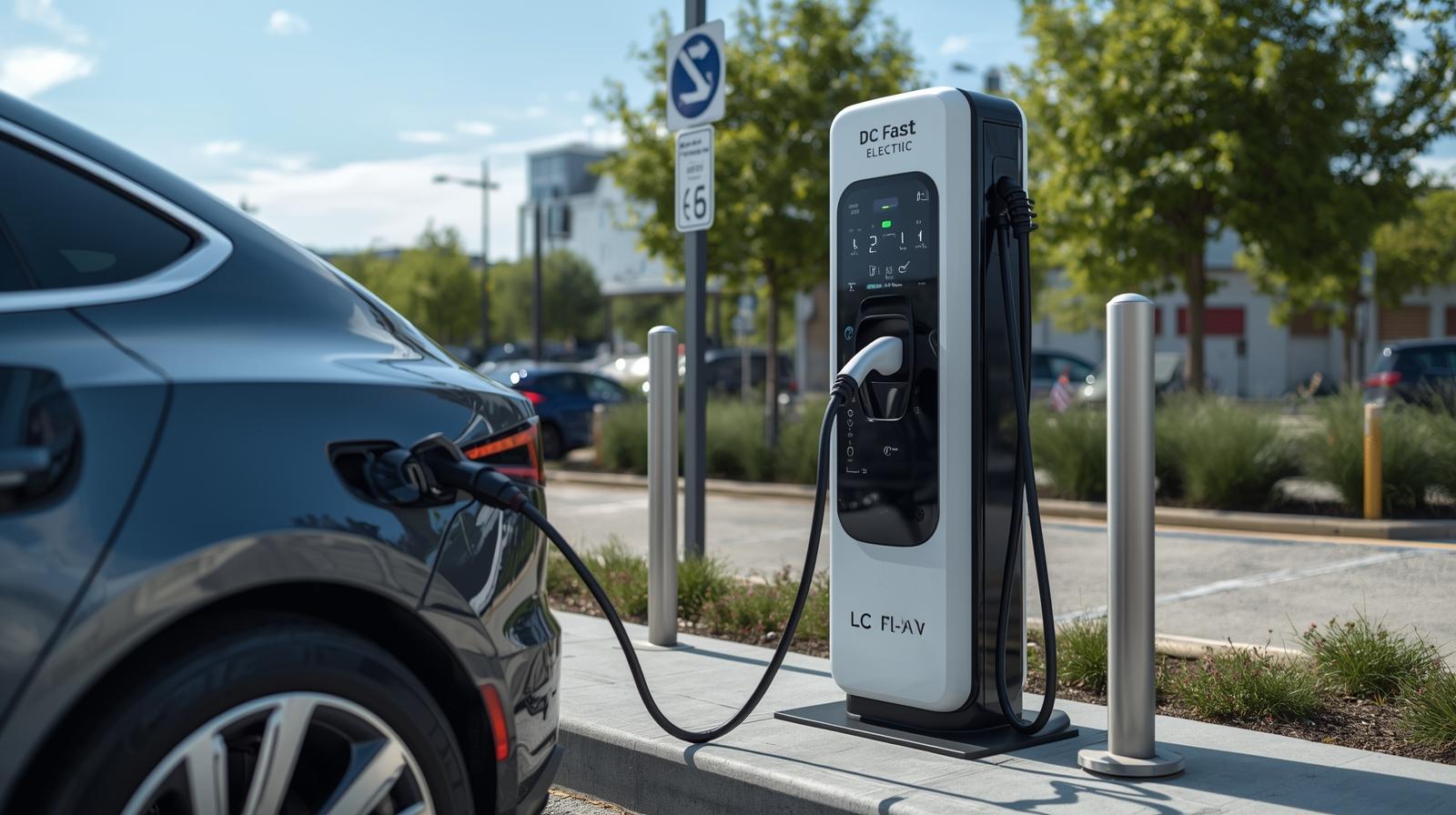
DC EV charging, also called DC fast charging or Level 3 charging, delivers direct current straight to the battery, bypassing the vehicle’s onboard charger.
Key characteristics:
- Power range: 50 kW to 350+ kW
- Charging time: 15–45 minutes for 0–80%
- Common locations: highways, fast-charging hubs
What Is AC EV Charging?
AC charging uses electricity from the grid that must be converted into DC by the EV’s onboard charger.
Typical AC charging levels:
- Level 1: 120V, very slow
- Level 2: 240V, moderate speed
The onboard charger limits how fast AC charging can occur.
Why DC EV Charging Is Faster Than AC Charging
The primary reason why DC EV charging is faster is simple:
DC charging bypasses the onboard charger and sends power directly to the battery at much higher levels.
This eliminates major conversion and power limitations.
Battery Management System (BMS) and DC Charging
The BMS plays a critical role in DC charging by:
- Monitoring battery temperature
- Controlling voltage and current
- Preventing overcharging
This allows DC charging to push the battery safely to its maximum charging limits.
Charging Curve and State of Charge (SOC)
DC charging is fastest at low SOC levels:
- 0–50%: Maximum speed
- 50–80%: Gradual slowdown
- 80–100%: Significant slowdown
This is why DC charging is optimized for quick top-ups, not full charges.
Thermal Management and Cooling Systems
High-speed charging generates heat. DC chargers rely on:
- Liquid-cooled cables
- Active battery cooling
- Advanced thermal sensors
Effective cooling is a key reason why DC EV charging is faster without damaging batteries.
Infrastructure Differences Between AC and DC Charging
AC chargers:
- Simple hardware
- Low power
- Minimal cooling
DC chargers:
- Large power electronics
- Industrial-grade components
- Dedicated transformers
This infrastructure enables much higher charging speeds.
DC Fast Chargers and Grid Connection
DC fast chargers often connect directly to:
- Medium-voltage grid lines
- Dedicated transformers
- Energy management systems
This allows them to draw massive amounts of power safely.
Real-World Charging Speed Comparisons
| Charging Type | Typical Power | Time to 80% |
|---|---|---|
| Level 2 AC | 7–11 kW | 6–10 hours |
| DC Fast | 150 kW | 20–30 minutes |
| Ultra-Fast DC | 350 kW | 15–20 minutes |
This clearly shows why DC EV charging is faster.
Impact of DC Charging on Battery Health
DC charging does introduce:
- Higher thermal stress
- Faster chemical reactions
However, modern EVs are designed to handle this safely when used occasionally.
Efficiency Differences Between AC and DC Charging
DC charging is often more efficient at high power because:
- Fewer conversion losses
- Industrial-grade power electronics
- Optimized energy delivery
When DC EV Charging Makes the Most Sense
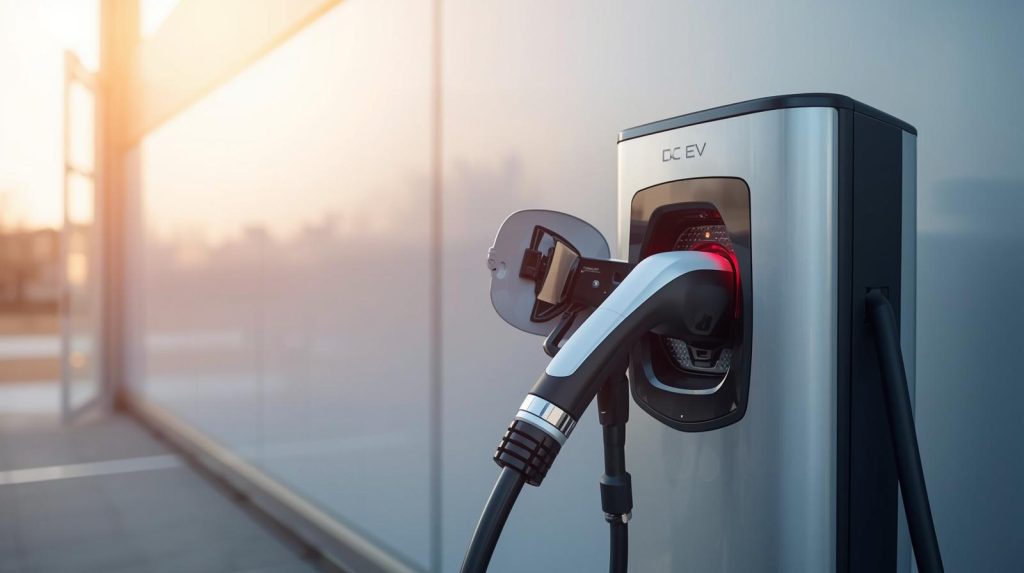
DC charging is ideal for:
- Long-distance travel
- Emergency charging
- Commercial fleets
- High-mileage drivers
When AC Charging Is the Better Choice
AC charging is better for:
- Daily home charging
- Overnight charging
- Battery longevity
- Lower costs
Future of Ultra-Fast DC EV Charging
The future includes:
- 500+ kW charging
- Solid-state batteries
- Wireless DC charging
- Grid-integrated energy storage
Conclusion
So, why DC EV charging is faster?
Because it removes the biggest bottlenecks in EV charging: onboard conversion limits, low voltage, and restricted current flow. By delivering high-voltage DC power directly to the battery under strict BMS control, DC fast charging achieves speeds that AC charging simply cannot match.
For most EV owners, the best approach is a balanced charging strategy—use AC charging for daily needs and DC charging when speed truly matters. This ensures convenience, cost efficiency, and long-term battery health.
Frequently Asked Questions (FAQs)
1. Why is DC EV charging faster than AC charging?
DC EV charging is faster because it delivers direct current straight to the EV battery, bypassing the onboard charger that limits AC charging speed. This allows much higher power levels.
2. How fast is DC EV charging compared to AC charging?
DC fast chargers can add 60–80% charge in 15–30 minutes, while AC chargers typically take 6–10 hours for a similar charge level.
3. Does DC charging damage EV batteries?
Occasional DC charging does not significantly harm EV batteries. Modern EVs use advanced battery management systems to control heat and voltage during fast charging.
4. Why can’t AC charging be as fast as DC charging?
AC charging is limited by the vehicle’s onboard charger capacity, which is much lower than the external power electronics used in DC fast chargers.
5. What voltage is used in DC EV fast charging?
Most DC fast chargers operate at 400V or 800V, allowing higher power delivery with improved efficiency and safety.
6. Is DC EV charging more efficient than AC charging?
At high power levels, DC EV charging is often more efficient because it reduces energy losses from repeated AC-to-DC conversions.
7. Can DC EV charging be installed at home?
In most cases, DC EV charging cannot be installed at home due to electrical infrastructure limits, high costs, and grid requirements.
8. When should drivers use DC fast charging?
DC fast charging is best for long trips, quick top-ups, commercial fleets, and situations where time is limited.
9. Why does DC charging slow down after 80%?
Charging speed decreases after 80% to protect the battery from overheating and overcharging, as controlled by the battery management system.
10. Will future EVs charge even faster with DC charging?
Yes, advancements such as 800V architectures, improved cooling systems, and solid-state batteries will make DC EV charging even faster.