
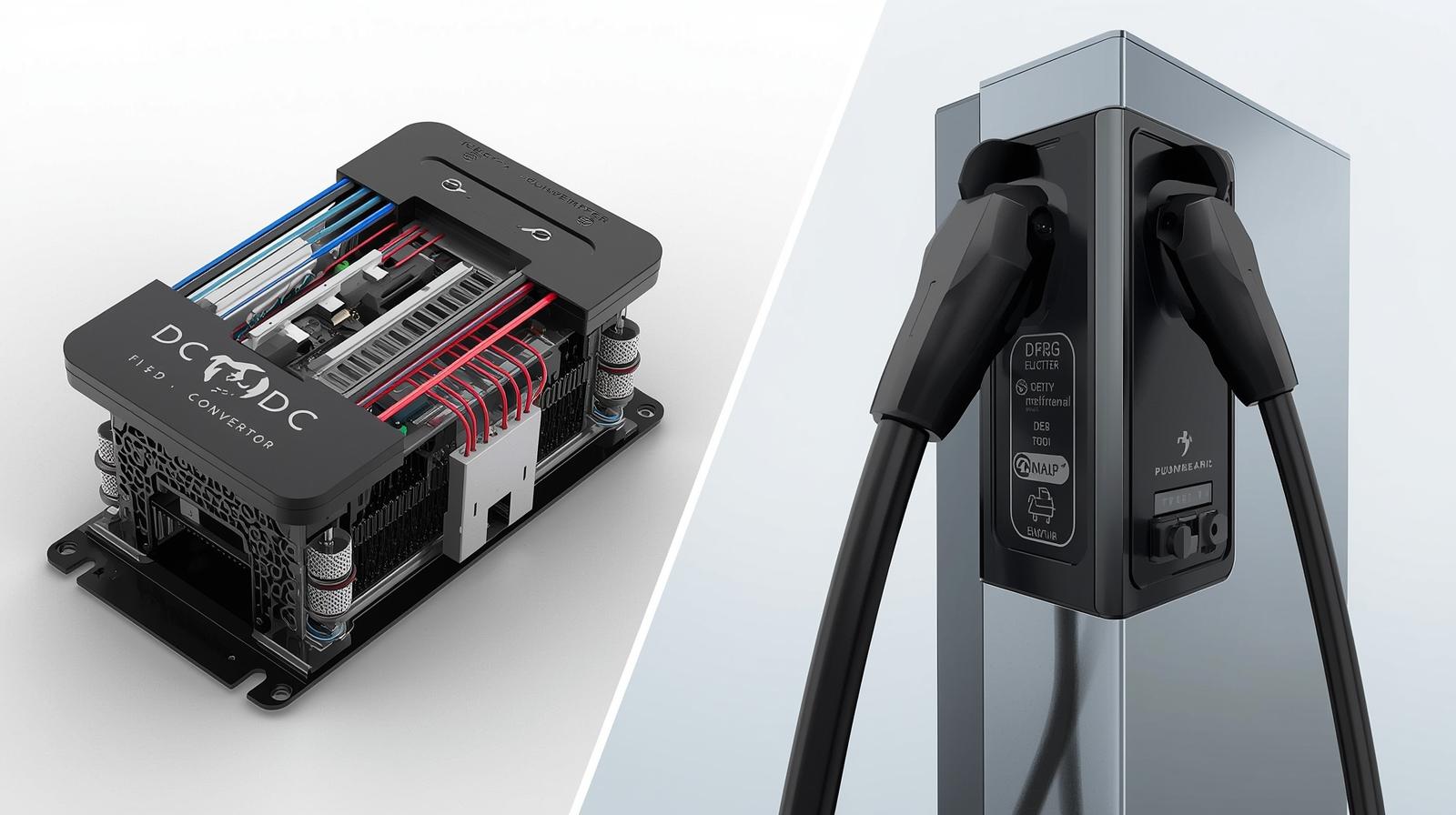
As electric vehicles (EVs), renewable energy systems, and modern power electronics continue to grow, terms like DC to DC converter and DC to DC charger are increasingly used—often interchangeably. However, despite sounding similar, these two technologies serve very different purposes. Understanding the difference between DC to DC converter and DC to DC charger is essential for EV owners, engineers, fleet managers, RV users, and anyone working with battery-based systems.
Both devices deal with direct current (DC) electricity, but their functions, design, use cases, and safety requirements differ significantly. Confusing the two can lead to incorrect system design, poor performance, or even safety risks.
This comprehensive guide explains the difference between DC to DC converter and DC to DC charger, how each works, where they are used, and which one is right for specific applications—especially in electric vehicles.
Understanding DC Power Systems
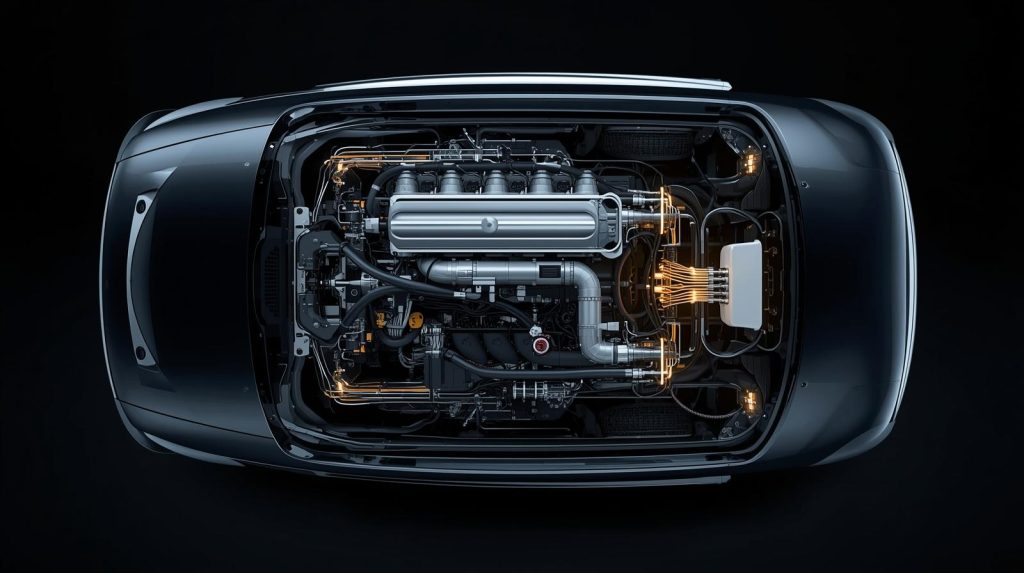
Before diving into the difference between DC to DC converter and DC to DC charger, it’s important to understand the basics of DC power.
What Is DC Power?
Direct Current (DC) is an electrical current that flows in one direction. It is used in:
- Batteries
- Electric vehicles
- Solar power systems
- Consumer electronics
Most modern electrical systems involve multiple voltage levels, which is why DC power conversion and charging technologies are necessary.
What Is a DC to DC Converter?
A DC to DC converter is an electronic device that converts one DC voltage level into another DC voltage level.
Primary Function of a DC to DC Converter
The main purpose is voltage conversion, not battery charging.
For example:
- 400V DC → 12V DC in an electric vehicle
- 48V DC → 24V DC in industrial systems
This basic role forms the foundation for understanding the difference between DC to DC converter and DC to DC charger.
How a DC to DC Converter Works
A DC to DC converter operates using:
- High-speed switching devices (MOSFETs, IGBTs)
- Inductors or transformers
- Control circuits
- Filters and protection components
It rapidly switches current on and off to:
- Step voltage up (boost)
- Step voltage down (buck)
- Do both (buck-boost)
Importantly, a DC to DC converter does not manage battery charging profiles.
Common Applications of DC to DC Converters
- Electric vehicles (low-voltage power supply)
- Automotive electronics
- Telecommunications equipment
- Industrial control systems
- Consumer electronics
- Solar inverters (voltage regulation)
What Is a DC to DC Charger?
A DC to DC charger is a specialized device designed to safely charge a battery from a DC power source.
Primary Function of a DC to DC Charger
The main purpose is battery charging and battery protection.
This key distinction is central to understanding the difference between DC to DC converter and DC to DC charger.
How a DC to DC Charger Works
A DC to DC charger:
- Takes DC power from a source (vehicle alternator, EV battery, solar panel)
- Regulates voltage and current
- Applies a controlled charging profile
- Protects the battery from overcharging and overheating
It uses smart charging algorithms, not just voltage conversion.
Common Applications of DC to DC Chargers
- Charging auxiliary batteries in EVs
- RV and camper battery systems
- Marine battery setups
- Dual-battery automotive systems
- Off-grid solar power storage
Detailed Difference Between DC to DC Converter and DC to DC Charger
Functionality
| Aspect | DC to DC Converter | DC to DC Charger |
|---|---|---|
| Primary Function | Voltage conversion | Battery charging |
| Charging Control | No | Yes |
| Battery Protection | No | Yes |
This is the most fundamental difference between DC to DC converter and DC to DC charger.
Battery Management Capability
DC to DC chargers:
- Control charging stages (bulk, absorption, float)
- Monitor battery temperature
- Prevent overcharging
DC to DC converters:
- Simply provide a fixed output voltage
- Assume the load can handle it
Use in Electric Vehicles
DC to DC Converter in EVs
- Converts high-voltage battery power to 12V or 48V
- Powers electronics, lights, ECUs
- Replaces the alternator
DC to DC Charger in EVs
- Charges auxiliary or secondary batteries
- Used in dual-battery or energy-export systems
This EV context is where confusion about the difference between DC to DC converter and DC to DC charger is most common.
Why a DC to DC Converter Cannot Replace a DC to DC Charger
Many people assume a DC to DC converter can charge a battery directly. Technically, it can supply voltage—but this is unsafe.
Risks of Using a Converter as a Charger
- Battery overcharging
- Reduced battery lifespan
- Thermal runaway
- Fire hazards
This is why understanding the difference between DC to DC converter and DC to DC charger is critical for safety.
Why a DC to DC Charger Is More Than a Converter
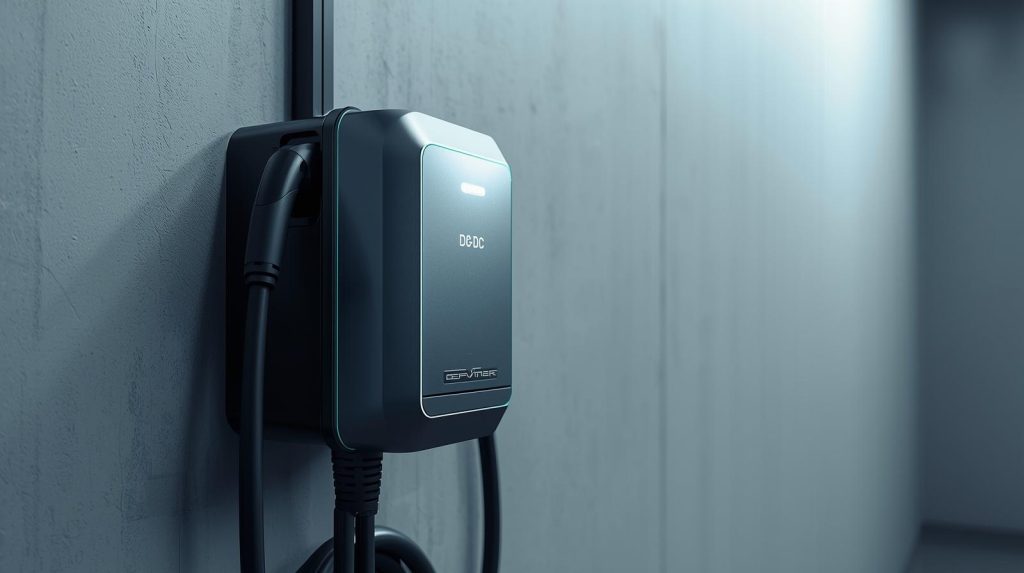
A DC to DC charger includes:
- A DC to DC converter stage
- Plus battery management logic
- Plus safety systems
In other words:
Every DC to DC charger contains a converter, but not every DC to DC converter is a charger.
This simple statement perfectly summarizes the difference between DC to DC converter and DC to DC charger.
DC to DC Converter vs DC to DC Charger in EV Architecture
Role of DC to DC Converter
- Continuous operation
- Supplies low-voltage systems
- Operates whenever the vehicle is on
Role of DC to DC Charger
- Operates during charging scenarios
- Manages energy flow to batteries
- May operate intermittently
Efficiency Comparison
| Parameter | DC to DC Converter | DC to DC Charger |
|---|---|---|
| Efficiency | Very high (95–98%) | Slightly lower due to control logic |
| Energy Optimization | Load-focused | Battery-focused |
Cost Comparison
- DC to DC converters are generally cheaper
- DC to DC chargers cost more due to:
- Control electronics
- Safety certifications
- Battery management systems
Cost differences reflect functional differences, reinforcing the difference between DC to DC converter and DC to DC charger.
Real-World Use Case Examples
Example 1: Electric Vehicle Low-Voltage System
- Required device: DC to DC converter
Example 2: Charging an Auxiliary Battery from EV Battery
- Required device: DC to DC charger
Using the wrong device can damage expensive components.
Role in Renewable Energy Systems
In solar and off-grid systems:
- DC to DC converters regulate voltage
- DC to DC chargers manage battery charging
Again, the difference between DC to DC converter and DC to DC charger determines system reliability.
Compliance and Standards
DC to DC chargers often comply with:
- Battery safety standards
- Automotive charging regulations
DC to DC converters focus on:
- EMC compliance
- Electrical efficiency
Conclusion
As electric vehicles, renewable energy systems, and battery-based technologies continue to expand, confusion between power electronics components is common. However, knowing the difference between DC to DC converter and DC to DC charger is crucial for safe system design, battery longevity, and optimal performance.
Choosing the right device ensures:
- Better efficiency
- Improved safety
- Longer battery life
- Reliable operation
In modern electric and energy systems, understanding this difference is not optional—it is essential.
Frequently Asked Questions (FAQs)
1. What is the main difference between DC to DC converter and DC to DC charger?
The main difference between DC to DC converter and DC to DC charger is that a converter changes voltage levels, while a charger safely manages battery charging.
2. Can a DC to DC converter charge a battery?
A DC to DC converter can supply voltage but cannot safely charge a battery because it lacks charging control and battery protection features.
3. What does a DC to DC charger do?
A DC to DC charger regulates voltage and current using smart charging profiles to safely charge batteries from a DC power source.
4. Is a DC to DC charger the same as an onboard charger?
No, a DC to DC charger works with DC power sources, while an onboard charger converts AC power into DC to charge the EV’s main battery.
5. Why do electric vehicles use DC to DC converters?
Electric vehicles use DC to DC converters to step down high-voltage battery power to low-voltage levels for electronics and safety systems.
6. When should a DC to DC charger be used instead of a converter?
A DC to DC charger should be used whenever a battery needs to be charged safely, especially in dual-battery, EV, RV, or solar systems.
7. Which is safer for battery charging, a converter or a charger?
A DC to DC charger is safer because it includes battery management, temperature monitoring, and overcharge protection.
8. Are DC to DC chargers more expensive than converters?
Yes, DC to DC chargers are generally more expensive due to advanced control electronics and battery protection features.
9. Do DC to DC chargers include DC to DC converters?
Yes, every DC to DC charger contains a DC to DC converter stage, but not every DC to DC converter is a charger.
10. Why is understanding the difference between DC to DC converter and DC to DC charger important?
Understanding the difference helps prevent battery damage, improves safety, and ensures correct system design in EV and energy applications.