

The EV market is maturing fast — and so is home charging. If you’re buying an electric vehicle or upgrading your garage in 2025, you want the best home ev chargers for 2025: reliable, safe, fast enough for your daily needs, compatible with your home electrical system, and smart enough to save you money. This guide walks you through everything: what matters, the top models to consider, how to compare specs, installation costs, safety and certification, future-proof features (like bidirectional charging), and a step-by-step checklist to pick the right unit for your home.
Below you’ll find in-depth reviews of the top chargers homeowners are choosing in 2025, plus actionable buying advice and clear pros/cons so you can select the best home charger for your situation.
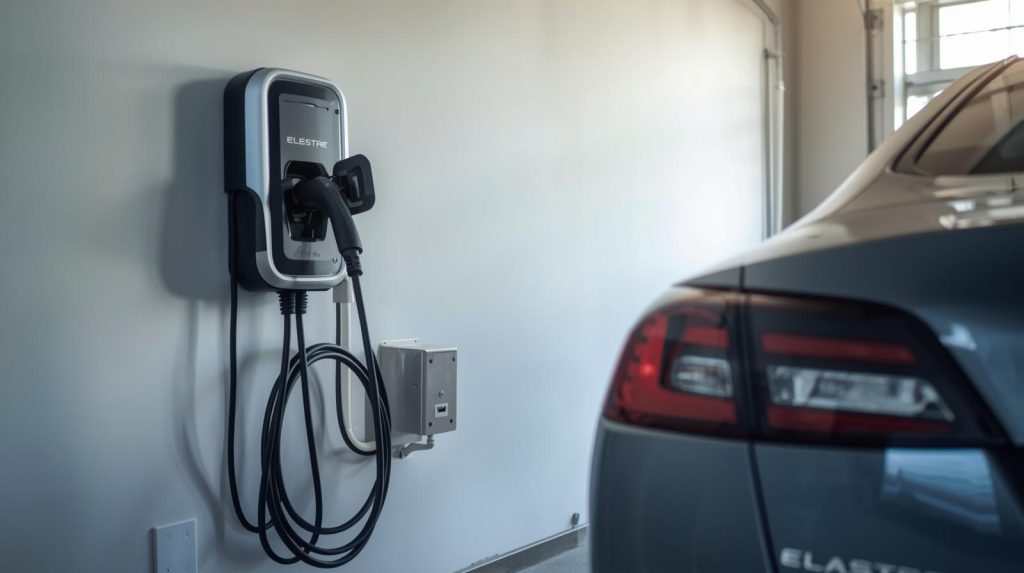
Why this matters in 2025
Home chargers aren’t simply “a cable and a box” any more. By 2025, home EV chargers are central to managing energy costs, integrating with rooftop solar, helping protect battery health, and potentially serving as a home backup power source in the near future. The right charger will reduce your running costs, make daily life smoother, and keep your home prepared for new energy services such as vehicle-to-home (V2H) and vehicle-to-grid (V2G).
Two important trends to know:
- Smartness matters — scheduling, load balancing, and energy monitoring turn a charger from a tool into a money-saving appliance.
- Bidirectional charging is coming — some manufacturers are announcing AC bidirectional/fast Level 2 tech that allows energy to flow back from car to home/grid, changing how we think about EVs and home energy.
How I picked the best home ev chargers for 2025
Selection prioritized: reliability, safety certification (UL/ETL), real-world app performance, charging speed and adjustable amperage, weatherproofing for outdoor use, warranty/support, and signs of future-proof functionality (solar integration, dynamic load, V2H/V2G readiness). I also considered independent reviews and manufacturer specifications. When possible I chose options that fit real homeowner budgets and installation realities.
Key sources used for specs and product info: ChargePoint product pages and reviews, Wallbox product pages, Grizzl-E user reviews and technical specs, Tesla Wall Connector documentation, and industry reporting about new bidirectional chargers and next-gen AC tech.
Deep dive: top home EV chargers for 2025
ChargePoint Home Flex — Best overall smart Level 2 charger
Why it’s a top pick: ChargePoint’s Home Flex is flexible (adjustable amperage up to 50A), supports Wi-Fi smart features and scheduling, and is backed by a widely used platform. For homeowners who want a reliable, app-driven experience and adjustable power to fit different electrical panels, it’s a top choice.
What stands out
- Adjustable output: set it from 16A up to 50A to match your breaker and EV.
- App features: scheduling, energy tracking, remote start/stop.
- Connector options: J1772 and optional NACS (Tesla) configurations.
- Outdoor durability: designed for garage or driveway installation.
Best for: Families who need a flexible power profile and a mature app ecosystem.
Caveats: Slightly higher price than basic units; factor installation into total cost.
Wallbox Pulsar Plus — Compact and smart (great for small garages)
Why it’s a top pick: The Pulsar Plus packs a complete smart feature set into a compact housing — perfect when wall space is tight. It’s also sold with solar compatibility features in markets where Wallbox enables solar integration.
What stands out
- Small footprint (good for tight garages).
- App control (scheduling, charging stats, remote control).
- Solar integration (in supported regions/models).
- NEMA plug or hardwired options depending on installation.
Best for: Urban homeowners, apartment owners with dedicated spots, or solar pairings.
Caveats: Confirm the exact solar feature set for your region — Wallbox sells different feature tiers.
Grizzl-E Classic / Ultimate — Rugged, value-focused
Why it’s a top pick: Grizzl-E chargers have a reputation for durability and straightforward operation. They’re built for cold climates and outdoor use, and offer value-oriented performance without heavy reliance on cloud features.
What stands out
- Robust metal housing — very weather resistant.
- 25-ft cable options make parking easier.
- Good for budget-conscious buyers who want a long-lasting unit.
- Some models offer high amperage (48A+) for faster home charging.
Best for: Rural homes, harsh climates, or buyers who prefer simplicity and durability.
Caveats: Base models have limited smart features — if you need app scheduling or load balancing, check the model spec.
Tesla Wall Connector — Best for Tesla owners
Why it’s a top pick: Tesla’s Wall Connector offers seamless integration with Tesla vehicles, high sustained charge rates for home use, and integration with the Tesla app for scheduling and monitoring. For Tesla owners, it’s arguably the cleanest home experience.
What stands out
- Up to 48A (11.5 kW) output — fast charging for home.
- 24-ft cable standard — long reach inside most garages.
- Deep integration with Tesla app and vehicle settings.
- NACS connector (works natively with Tesla; adapters available for others).
Best for: Tesla households and owners wanting the tightest vehicle-to-charger integration.
Caveats: Non-Tesla vehicles require adapters; if you want universal J1772 compatibility without adaptors, pick a J1772 unit.
ChargePoint next-gen & bidirectional (watch list) — the future of home chargers
Why it’s on the radar: Industry reporting shows ChargePoint and other manufacturers are bringing higher-power and bidirectional Level 2 chargers to market — devices that support vehicle-to-home/grid energy flow and higher AC power levels. These chargers could alter how homes use EVs (backup power, energy arbitrage, V2G services). Consider these if you want future capabilities and your EV supports bidirectional charging.
What to watch for
- AC bidirectional support (V2H) on Level 2 devices.
- Dynamic load balancing and series wiring ease installs in multifamily settings.
- Higher maximum amperage (some next-gen units approaching 90A / ~19 kW AC capability).
Best for: Early adopters, homes with solar and interest in energy export/backup, EVs that support bidirectional charging.
Caveats: Vehicle compatibility for V2H/V2G varies; check both charger and vehicle before assuming functionality.
Comparative specs snapshot
| Model | Max Amps | Max kW (approx) | Smart Features | Best For |
|---|---|---|---|---|
| ChargePoint Home Flex | 50A | ~12 kW | Wi-Fi app, scheduling | All-round smart charger. |
| Wallbox Pulsar Plus | 40A | ~9.6 kW | Wi-Fi/Bluetooth, solar options | Compact, solar-friendly. |
| Grizzl-E Ultimate | 48A+ | ~11.5 kW | Basic/optional smart | Rugged, budget-friendly. |
| Tesla Wall Connector | 48A+ | ~11.5 kW | Tesla app integration | Tesla owners — cleanest experience. |
| Next-gen ChargePoint (preview) | up to 90A | ~19.2 kW | Bidirectional, dynamic load | Future-proof, V2H/V2G ready. |
What features really matter (and why)
When choosing among the best home ev chargers for 2025, don’t get distracted by marketing. Focus on features that affect daily life and long-term value:
1. Adjustable output (amperage)
Why it matters: lets you match the charger to your existing electrical capacity and upgrade later without replacing the unit. ChargePoint Home Flex offers adjustable output — a big convenience.
2. Smart scheduling & energy monitoring
Why it matters: time-of-use (TOU) rates can make overnight charging far cheaper. Smart chargers automate off-peak charging and track kWh used so you can estimate cost.
3. Durability and weather rating
Why it matters: outdoor installations require high IP/NEMA ratings. Grizzl-E’s rugged design is a selling point for harsh climates.
4. Cable length and ergonomics
Why it matters: user frustration often comes from cables that are too short or too stiff. Aim for 20–25 ft cables for most garages.
5. Certifications and warranty
Why it matters: UL/ETL listings and a multi-year warranty protect you from electrical hazards and reduce long-term risk.
6. Compatibility (J1772 vs NACS)
Why it matters: most non-Tesla cars use J1772; Teslas use NACS. Some products now ship with NACS or offer adapters. Choose a connector compatible with your EV or ensure an adapter is available.
7. Future-proofing: solar / V2H readiness
Why it matters: if you intend to install solar or want to use your EV as backup power, select a charger with compatible features or clear upgrade paths. Industry moves toward bidirectional Level 2 solutions make this an important consideration.
Installation, cost, and permits — realistic expectations for 2025
Buying a charger is only part of the cost. Typical budget items in 2025:
- Charger hardware: $400–$1,400 (basic to smart Level 2).
- Installation: $300–$2,000 (depends on distance to panel, need for new circuit, conduit).
- Panel upgrade (if needed): $1,000–$3,000 or more.
- Permits & inspection: $50–$300 depending on local rules.
Pro tip: get at least two electrician quotes and ask about running conduit for future upgrades (saves money later). If your house has a two-car garage and you plan a second charger later, consider conduit or extra panel space when installing the first unit.
Safety notes & vendor stability (must-read)
A charger that charges the car matters, but so do software updates and vendor support. In recent years some chargers have had cloud or service changes; when picking the best home ev chargers for 2025, check the manufacturer’s support track record and firmware update policy. Easy ways to evaluate vendor stability:
- Look for long warranties (3–5 years).
- Check recent news for firmware or cloud service changes.
- Read current owner reviews about the app and customer support.
ChargePoint and other major players publish product releases and support notices — they also announced next-gen AC bidirectional tech in 2025, which is promising but means buyers should confirm exact features before purchase.
How to choose the right charger — step-by-step checklist
- Confirm your EV’s onboard charger max input. (Your car limits charging speed.)
- Measure daily driving needs. If <40 miles/day, a 32A unit is often enough; for long commutes, 40–48A is better.
- Check your electrical panel capacity. Hire an electrician to confirm spare breaker space or upgrade needs.
- Decide plug-in (NEMA) vs hardwired. Plug-in gives portability; hardwired is tidier and sometimes required for outdoor installs.
- Pick cable length (20–25 ft recommended).
- Choose smart features you’ll actually use (scheduling, energy monitoring, solar).
- Verify certifications (UL/ETL) and warranty.
- Factor installation + permit costs into the purchase decision.
- Consider future upgrades (bidirectional / V2H / solar) and pick a charger or vendor with upgrade paths.
Common buyer mistakes to avoid
- Buying the cheapest unit without checking UL/ETL certification.
- Choosing a charger with too short a cable for your parking layout.
- Ignoring amperage limits of your panel (leads to expensive upgrades).
- Assuming every EV supports bidirectional charging — many do not yet.
- Not checking app reviews — a buggy app can make a “smart” charger frustrating.
Final verdict: Which is the best home ev charger for 2025?
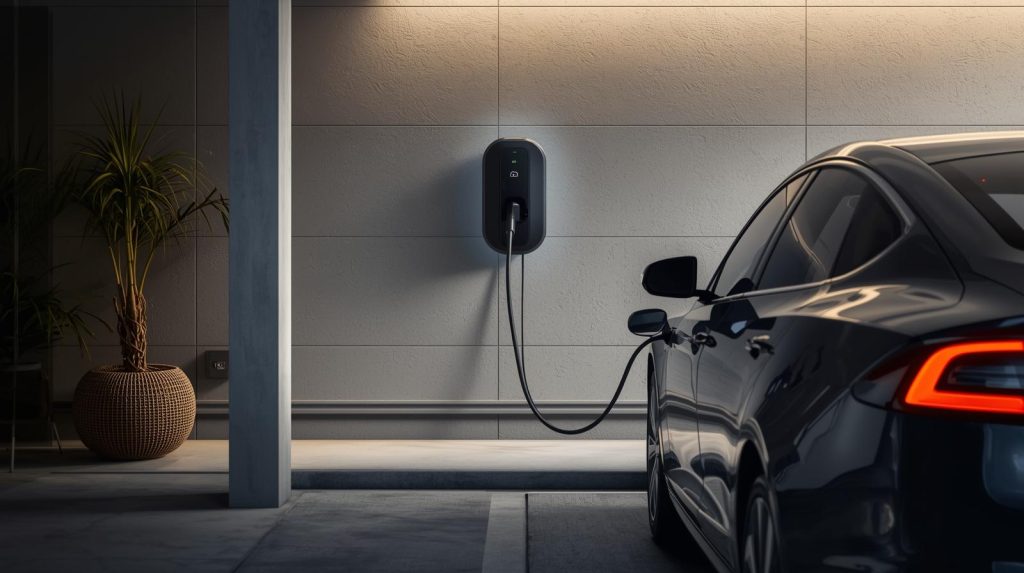
There is no single “best” for every household — but these rules will get you to the right pick:
- Most homeowners: get a ChargePoint Home Flex (adjustable amps, strong app support) — it balances features, durability, and support.
- Small garages or solar-first homes: consider the Wallbox Pulsar Plus for its compact size and solar options.
- Tough climates / budget value: Grizzl-E Classic/Ultimate offers long life and simple reliability.
- Tesla drivers: choose the Tesla Wall Connector for seamless integration.
- Want the latest energy features (V2H/V2G): watch next-gen chargers rolling out from major vendors (ChargePoint et al.) and confirm vehicle compatibility before committing.
FAQ (short answers)
Q: Do I need a smart charger?
A: Not strictly, but smart features (scheduling, energy tracking) save money and simplify charging.
Q: How long to install a Level 2 charger?
A: Typical installations take 2–6 hours once permits and parts are ready; more if panel upgrades are required.
Q: What connector do I need?
A: Most EVs use J1772 in North America; Tesla uses NACS. Adapters are available.
Q: Is bidirectional charging available now?
A: Some pilot products and announcements exist in 2024–2025, but mainstream consumer adoption depends on charger & vehicle support and local utility rules.
Conclusion for “Best Home EV Chargers for 2025”
Choosing the best home EV chargers for 2025 is one of the smartest decisions you can make as an EV owner. With electric vehicles becoming mainstream, having a fast, reliable, and efficient home charging setup is no longer optional—it’s essential for maximizing your EV’s performance and convenience.
The top chargers of 2025 stand out for their improved charging speeds, smart connectivity, energy efficiency, and long-term durability. Whether you prefer the advanced features of the ChargePoint Home Flex, the durability of the Grizzl-E Classic, or the seamless Tesla Wall Connector, the right charger will depend on your EV model, driving habits, home electrical capacity, and future charging needs.
As you evaluate your options, consider factors like amperage, charger type, safety certifications, installation requirements, smart features, and warranty coverage. With proper research and planning, you can choose a charger that delivers fast charging, long-term reliability, and the best value for your investment.
In 2025, home EV charging technology continues to evolve—offering smarter, faster, and more energy-efficient solutions. By selecting the right charger today, you ensure smooth and worry-free EV ownership for years to come.