
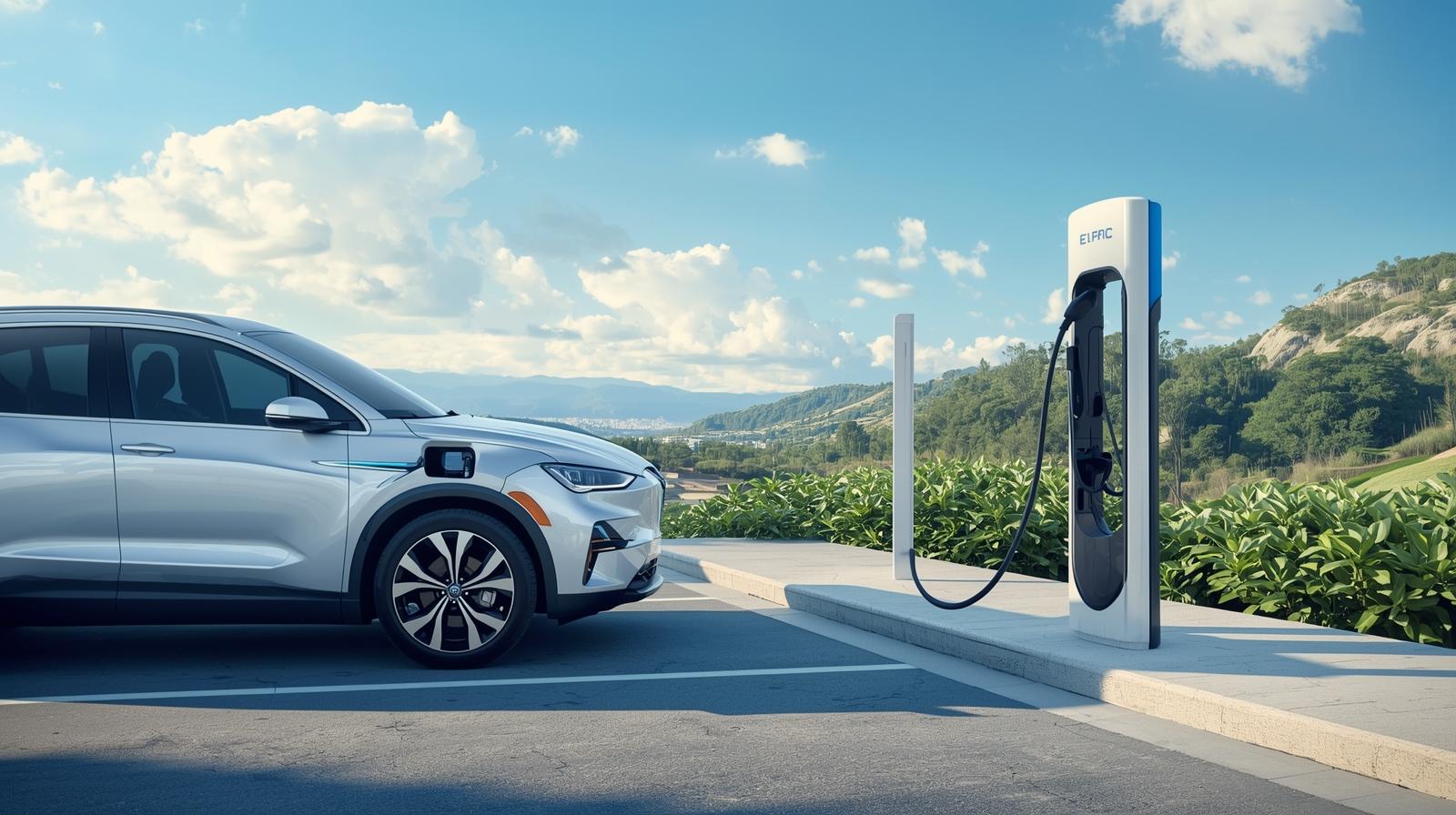
As the world shifts towards more sustainable options, electric vehicles (EVs) are becoming increasingly popular. One of the key concerns for EV owners is finding reliable and convenient charging stations.
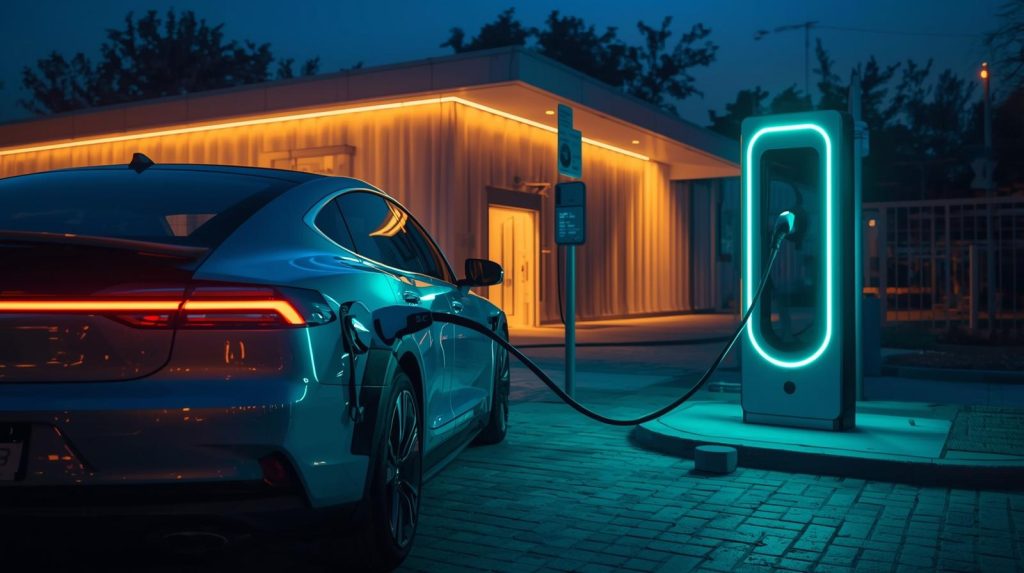
Where Can You Charge an EV?
Understanding the best places to charge your EV is crucial for a seamless driving experience. Whether you’re on a long road trip or just commuting to work, knowing your options can make all the difference.
EV charging infrastructure is expanding rapidly, with various charging networks and public charging stations popping up across the country.
Key Takeaways
- Convenient EV charging options are becoming more widespread.
- Public charging stations are increasingly available.
- Understanding electric vehicle charging networks can enhance your driving experience.
- Several factors influence the best places to charge EV.
- Planning your route around charging stations can be beneficial.
Understanding EV Charging Basics
As electric vehicles (EVs) become increasingly popular, understanding the basics of EV charging is crucial for current and prospective EV owners. The process involves various types of chargers, different charging speeds, and various connectors.
Different Types of EV Chargers
EV chargers are categorized into three main types based on their charging speed and power output.
Level 1 Charging (120V)
Level 1 charging uses a standard 120-volt household outlet. It’s the most basic form of charging and is typically used for overnight charging at home.
Level 2 Charging (240V)
Level 2 charging requires a 240-volt charging station. It charges EVs significantly faster than Level 1 and is commonly found in public charging stations and homes with dedicated EV charging setups.
DC Fast Charging
DC Fast Charging is the quickest method, capable of charging an EV to 80% in under 30 minutes. It’s ideal for long-distance travel and is typically found along highways and in commercial areas.
Charging Speeds and What They Mean
Charging speeds vary significantly across different charger types. Understanding these speeds is essential for planning your charging sessions, especially during long trips.
Common Charging Connectors in the US
The most common connectors in the US include the Type 1 (J1772) for Level 1 and Level 2 charging, and CCS (Combined Charging System) and CHAdeMO for DC Fast Charging. Most EVs come with a Type 1 connector, while some models may require adapters for other types.
Understanding these basics can help EV owners make informed decisions about their charging needs and optimize their EV experience.
Where Can You Charge an EV?
With the rise of electric vehicles, understanding the various charging options is crucial for a seamless driving experience. Electric vehicle (EV) owners have multiple choices for charging their vehicles, making it convenient to keep their cars powered up and ready to go.
Public Charging Infrastructure
Public charging infrastructure is expanding rapidly across the United States. You can find public charging stations in various locations, including shopping centers, parking garages, and along highways. These stations offer a convenient way to charge your EV while you’re out and about. Some charging networks, like Electrify America and ChargePoint, provide extensive coverage, making long-distance travel in an EV more practical.
Home Charging Solutions
Home charging is a convenient and often preferred method for many EV owners. It allows you to charge your vehicle overnight, ensuring it’s ready for your daily commute.
Garage and Driveway Options
For those with garages or driveways, installing a home charging station is relatively straightforward. Companies like Tesla, ChargePoint, and others offer home charging solutions that can be installed by certified electricians.
Apartment and Condo Considerations
For residents of apartments and condos, charging can be a bit more complex. However, many complexes are now installing charging infrastructure to accommodate EV owners. It’s essential to discuss your needs with your building management to explore available options.
Workplace Charging Programs
Many employers are now offering workplace charging programs as a benefit to their employees. This initiative not only supports employees who own EVs but also encourages the adoption of sustainable transportation. Companies like Google and Microsoft have already implemented extensive workplace charging programs.
| Charging Location | Typical Charging Time | Convenience Level |
| Public Charging Station | 30 minutes – 1 hour | High |
| Home Charging | 4 – 8 hours | Very High |
| Workplace Charging | 4 – 8 hours | High |
Major EV Charging Networks in the United States
As electric vehicles become increasingly popular, the demand for reliable charging infrastructure has given rise to several prominent EV charging networks across the US. These networks have expanded rapidly to support the growing number of EVs on the road.
Tesla Supercharger Network
Tesla’s Supercharger network is one of the most extensive and well-known EV charging networks in the US. It provides fast charging along highways and in urban areas, making long-distance travel in a Tesla convenient.
Electrify America
Electrify America is another significant player, known for its fast-charging capabilities. It has established a comprehensive network across the country, focusing on corridors and urban centers.
ChargePoint
ChargePoint operates one of the largest EV charging networks, with a wide range of charging solutions from Level 1 to DC Fast Charging. It has partnerships with various businesses and municipalities to expand its network.
EVgo
EVgo is a prominent public EV charging network that offers fast charging in many locations, including shopping centers and along highways. It supports multiple charging standards, making it accessible to a wide range of EV models.
Blink and Other Networks
Blink Charging is another significant network, offering a variety of charging solutions for residential, commercial, and public use. Other networks, such as SemaConnect and Greenlots, also contribute to the diverse EV charging landscape.
Payment Methods and Memberships
These networks offer various payment methods and membership models. Some, like Tesla Supercharger, are exclusive to Tesla owners, while others, like ChargePoint and EVgo, offer flexible pricing plans and memberships that can reduce charging costs for frequent users.
| Network | Coverage | Payment Methods |
| Tesla Supercharger | Extensive, primarily for Tesla | Tesla Account, included with Tesla purchase |
| Electrify America | Comprehensive, fast charging | Credit/Debit Card, Electrify America App |
| ChargePoint | Large network, various charging levels | ChargePoint Card, Credit/Debit Card, Mobile App |
| EVgo | Fast charging, multiple locations | EVgo Card, Credit/Debit Card, EVgo App |
| Blink | Diverse, residential and public | Blink Card, Credit/Debit Card, Blink App |
Understanding the different EV charging networks and their offerings can help EV owners choose the best options for their needs, whether they’re charging at home, on the go, or during long trips.
Retail and Commercial Charging Locations
The rise of electric vehicles has led to a surge in demand for charging infrastructure, with retail and commercial locations playing a crucial role. As a result, many shopping centers, grocery stores, and big box retailers are now installing EV charging stations.
Shopping Malls and Centers
Shopping malls have become popular spots for EV charging. They offer a convenient place for shoppers to charge their vehicles while they shop or dine. Many malls now include charging stations as part of their amenities.
Grocery Stores with Charging Stations
Grocery stores are also embracing EV charging. Chains like Whole Foods and Amazon Fresh have installed charging stations at many of their locations.
Whole Foods and Amazon Fresh
Whole Foods has been a pioneer in providing EV charging at their stores. Amazon Fresh is also following suit, making it convenient for customers to charge their EVs while they shop.
Other Major Chains
Other grocery store chains are also investing in EV charging infrastructure. This trend is expected to continue as more consumers switch to electric vehicles.
Big Box Retailers
Big box retailers like Target and Walmart are also getting into the EV charging game.
Target and Walmart Initiatives
Target and Walmart have announced plans to install EV charging stations at many of their locations. This move is part of their sustainability initiatives and aims to attract eco-conscious customers.
As the demand for EVs continues to grow, it’s likely that more retail and commercial locations will install charging stations. This infrastructure is crucial for supporting the widespread adoption of electric vehicles.
“The future of transportation is electric, and retail locations are leading the charge.”
Hospitality Industry Charging Options
As the demand for electric vehicles grows, the hospitality industry is responding by integrating EV charging solutions into their services. This shift is enhancing the travel experience for EV owners, allowing them to charge their vehicles while they enjoy various hospitality services.
Hotel Chains with EV Charging
Many hotel chains are now offering EV charging as an amenity to attract eco-conscious travelers. These hotels understand the importance of providing convenient charging options to enhance their guests’ stay.
Luxury and Boutique Hotels
Luxury hotels are leading the way in providing high-end EV charging experiences. For instance, some luxury hotels offer DC Fast Charging, allowing guests to charge their vehicles quickly.
Budget-Friendly Options
Budget-friendly hotels are also getting on board, recognizing that EV owners come from all walks of life. These hotels provide essential charging services, making EV travel more accessible.
Restaurants and Dining Establishments
Restaurants and dining establishments are increasingly installing EV charging stations, allowing customers to charge their vehicles while they dine. This amenity is becoming a significant draw for EV owners.
| Establishment | Location | Charging Type |
| The Grand Hotel | New York | DC Fast Charging |
| Green Earth Cafe | Los Angeles | Level 2 Charging |
| The Eco Lodge | Chicago | Level 2 Charging |
Etiquette for Using Hospitality Chargers
When using hospitality chargers, it’s essential to be mindful of others. This includes unplugging your vehicle once it’s fully charged and being courteous to other EV owners who may need to use the charging station.
Highway and Road Trip Charging Solutions
Long-distance EV travel is made possible by a growing network of charging stations along highways. As electric vehicle adoption continues to rise, the need for comprehensive charging infrastructure, especially along highways and interstates, has become increasingly important.
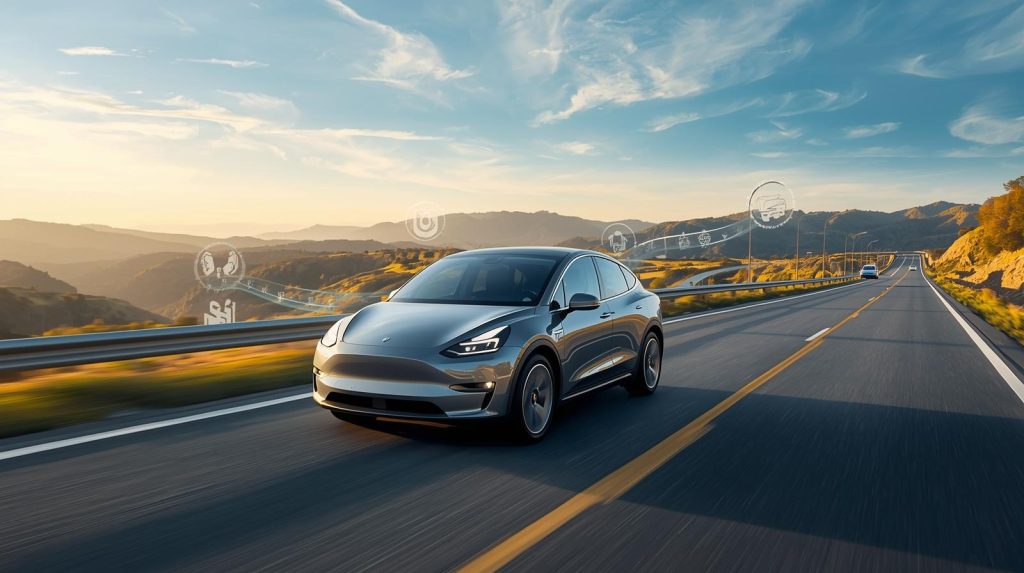
Major interstate corridors now have extensive EV charging networks. For instance, Electrify America has been instrumental in providing charging infrastructure along key routes, facilitating cross-country travel.
Rest Areas and Service Plazas
Rest areas and service plazas are being equipped with EV charging stations, offering drivers convenient stops during long trips. These locations are particularly useful as they often provide amenities like food, restrooms, and parking.
Planning Long-Distance EV Travel
Successful long-distance EV travel requires planning. Considerations include the vehicle’s range, the impact of weather on charging, and the availability of charging stations along the route.
Range Considerations
Understanding your vehicle’s range is crucial. Factors such as driving style, terrain, and weather conditions can significantly affect how far you can travel on a single charge.
Weather Effects on Charging
Weather can impact EV charging. Extreme temperatures, for example, can affect battery performance and charging speed. Planning for these variables is essential for efficient long-distance travel.
Charging in Rural and Remote Areas
While urban areas typically have a higher density of charging stations, rural and remote areas present unique challenges. Initiatives are underway to improve charging infrastructure in these regions, but travelers should still plan carefully.
| Charging Network | Coverage | Charging Speed |
| Electrify America | Major highways and interstates | Up to 350 kW |
| Tesla Supercharger | Tesla-specific, major routes | Up to 250 kW |
| ChargePoint | Widespread, including rural areas | Varied |
As the EV landscape continues to evolve, staying informed about the latest developments in charging infrastructure will enhance your road tripping experience.
“The future of transportation is electric, and with it, the need for comprehensive and accessible charging infrastructure.”
— US Department of Energy
Urban and Metropolitan Charging Infrastructure
The rise of electric vehicles in urban landscapes demands a comprehensive and accessible charging network. Urban and metropolitan areas are pivotal in supporting the growing number of EV owners by providing diverse charging options.
Street and Curbside Charging
Street and curbside charging is becoming increasingly popular in urban areas. Cities are installing charging stations along streets and in public parking lots to make charging more convenient. For instance, curbside charging allows EV owners to charge their vehicles while parked on the street, similar to how one might fuel a gasoline-powered car.
Public Parking Garages and Lots
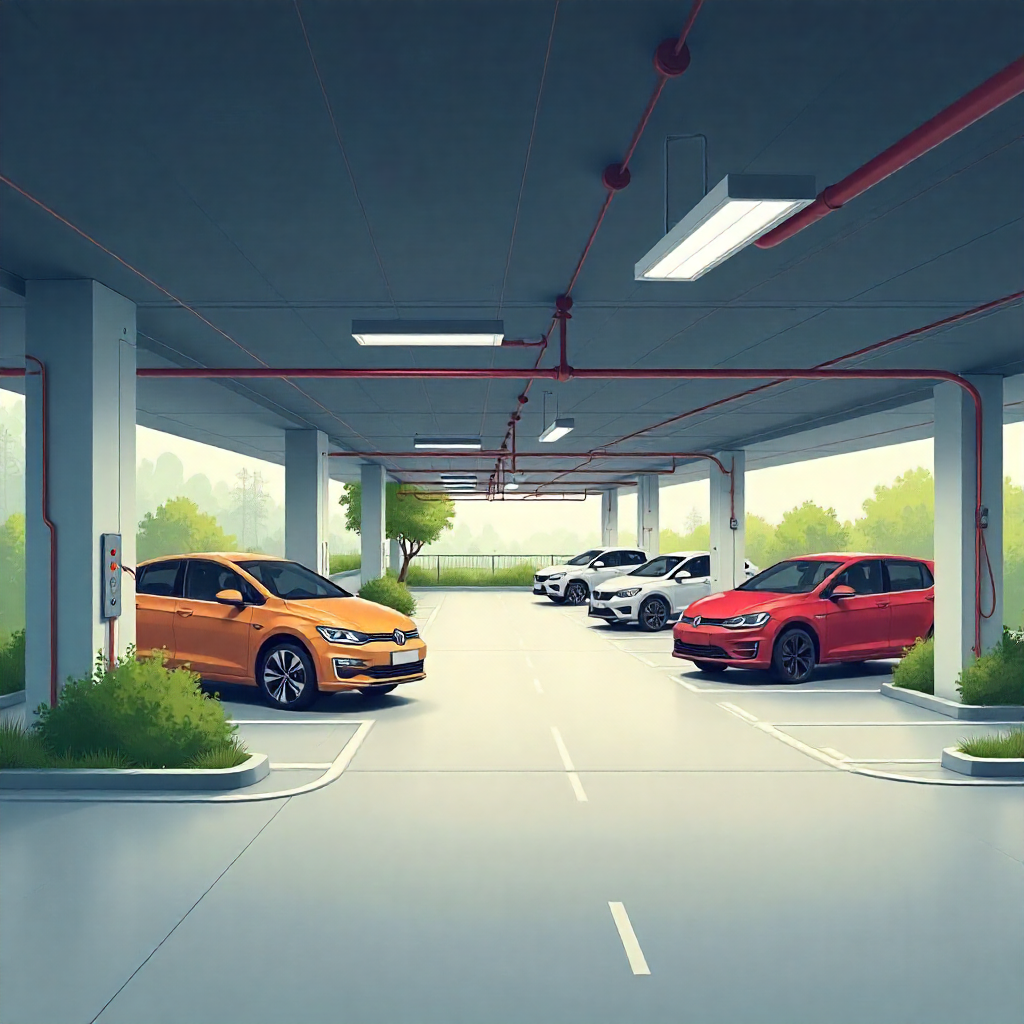
Public parking garages and lots are being equipped with EV charging stations. This infrastructure supports EV drivers by providing them with charging options while they are at work, shopping, or dining. Many cities are also offering incentives for businesses to install charging stations in their parking facilities.
City-Operated Charging Stations
Many cities are taking the lead in installing and operating their own charging stations. These city-operated charging stations are often located in high-demand areas, such as near city halls, public transportation hubs, and popular community spots.
Municipal Programs
Municipal programs are being developed to support the expansion of EV charging infrastructure. These programs may include grants, rebates, and streamlined permitting processes to encourage the installation of charging stations.
Charging in Apartment Communities
For residents of apartment complexes, charging can be a challenge. However, many apartment communities are now installing EV charging stations to support their residents. Some landlords are even offering EV-friendly amenities as a way to attract tenants.
Urban and metropolitan areas are leading the way in EV adoption, and their charging infrastructure is evolving to meet the needs of EV owners. By providing a range of charging options, from curbside charging to apartment complex charging, cities are making it easier for people to switch to electric vehicles.
Free and Low-Cost Charging Opportunities
Electric vehicle owners can significantly reduce their operating costs by leveraging free and low-cost charging opportunities. As the EV community continues to grow, various initiatives have emerged to make charging more affordable.
Complimentary Charging Locations
Many businesses offer complimentary charging as an incentive to attract customers. Shopping malls, grocery stores, and certain retail chains often provide free charging at their locations. For instance, some major retailers have installed charging stations in their parking lots, allowing customers to charge their vehicles while they shop.
According to a recent survey, “over 70% of EV owners prefer shopping at locations that offer free charging”. This trend highlights the growing importance of complimentary charging in the retail landscape.
Employer-Provided Charging Benefits
Some employers recognize the benefits of providing charging facilities for their employees. By offering employer-provided charging benefits, companies can attract and retain top talent in the increasingly competitive job market.
A study found that “companies that offer EV charging at the workplace see a significant increase in employee satisfaction”. This benefit not only supports employees who own EVs but also contributes to a company’s green initiatives.
Utility Incentives and Special Rate Programs
Utility companies across the United States are implementing various utility incentives and special rate programs to encourage the adoption of EVs. These programs can include discounted electricity rates for EV owners or rebates for the installation of home charging stations.
For example, some utility companies offer “special EV charging rates that are significantly lower than standard electricity rates”, making it more economical for EV owners to charge their vehicles at home.
Dealership Charging Networks
Many EV dealerships are also investing in dealership charging networks. These networks not only provide charging facilities for customers but also contribute to the overall growth of the EV ecosystem.
By leveraging these free and low-cost charging opportunities, EV owners can enjoy significant savings on their charging costs, making EV ownership even more economical and appealing.
Technology and Tools for Finding Charging Stations
As electric vehicles become increasingly popular, finding reliable charging stations is crucial for a seamless driving experience. The good news is that technology has stepped in to make this process easier. Various tools and apps have been developed to help EV owners locate charging stations efficiently.
Essential EV Charging Apps
Several apps have gained popularity among EV owners for their ability to provide comprehensive information about charging stations. Some of the most notable include:
PlugShare
PlugShare is one of the most widely used apps for finding charging stations. It offers a vast database of charging locations, including details about the types of connectors available and user reviews.
ChargeHub
ChargeHub is another valuable resource, providing real-time information about charging station availability and pricing.
A Better Routeplanner
A Better Routeplanner helps EV owners plan their routes more effectively, taking into account the location of charging stations along the way.
Vehicle Manufacturer Navigation Systems
Many electric vehicle manufacturers, such as Tesla, have integrated navigation systems into their vehicles that help drivers find charging stations. These systems are often tailored to the specific charging networks supported by the manufacturer.
Smart Planning for EV Road Trips
When planning a road trip, it’s essential to consider the availability of charging stations along your route. Checking charging station reliability ratings can help ensure that you’re stopping at stations that are likely to be operational.
Charging Station Reliability Ratings
User-generated ratings and reviews play a significant role in assessing the reliability of charging stations. Apps like PlugShare allow users to rate their charging experiences, providing valuable insights for other EV owners.
Conclusion: Maximizing Your EV Charging Experience
As we’ve explored throughout this guide, the landscape of EV charging in the United States is diverse and rapidly evolving. From understanding the basics of EV charging to identifying the various charging networks and locations, you’re now better equipped to maximize your EV charging experience.
To make the most of your EV’s capabilities, remember to plan your charging stops in advance, especially during long trips. Utilize the various EV charging apps and navigation systems to find the most convenient charging locations. Take advantage of free and low-cost charging opportunities at retail centers, hospitality venues, and public charging stations.
By staying informed about the latest developments in EV charging technology and infrastructure, you can optimize your daily driving routine and enjoy a seamless EV ownership experience. Whether you’re commuting to work or embarking on a road trip, being aware of your charging options will help you maximize your EV charging experience and make the most of your vehicle’s capabilities.
FAQ
What are the different types of EV chargers available?
There are three main types of EV chargers: Level 1 (120V), Level 2 (240V), and DC Fast Charging. Level 1 is the slowest, using a standard household outlet, while DC Fast Charging is the fastest, capable of charging an EV to 80% in under 30 minutes.
Can I charge my EV at home?
Yes, you can charge your EV at home using a Level 1 or Level 2 charger. Level 2 charging requires a 240-volt charging station, which can be installed in your garage or driveway.
How do I find public EV charging stations?
You can use EV charging apps like PlugShare, ChargeHub, or A Better Routeplanner to find public charging stations near you or along your route.
Are there any free EV charging options available?
Yes, some shopping malls, grocery stores, and hotels offer free EV charging. You can also check with your employer or local government to see if they offer free or low-cost charging options.
Can I charge my EV at a Tesla Supercharger?
If you own a Tesla, you can charge your vehicle at a Tesla Supercharger. However, if you own a non-Tesla EV, you may need an adapter to charge at a Tesla Supercharger, and some models are not compatible.
How long does it take to charge an EV?
The time it takes to charge an EV depends on the type of charger, the vehicle’s battery size, and its current state of charge. DC Fast Charging can charge an EV to 80% in under 30 minutes, while Level 1 charging can take several hours or overnight.
What is the cost of charging an EV?
The cost of charging an EV varies depending on the location, type of charger, and your electricity rate. On average, it costs between $3 to $5 per 100 miles to charge an EV, making it generally cheaper than fueling a gasoline-powered vehicle.
Can I charge my EV at a hotel or restaurant?
Yes, many hotels and restaurants now offer EV charging as an amenity. You can check with the establishment beforehand to confirm their charging options and any associated fees.
How do I plan a long-distance EV road trip?
To plan a long-distance EV road trip, use EV charging apps or vehicle manufacturer navigation systems to identify charging stations along your route. Consider factors like charging station reliability, range, and weather conditions to ensure a smooth trip.