

As electric vehicles (EVs) become a staple of modern transportation, more homeowners are considering installing home charging stations. But one question often comes up before starting the process — Do You Need a Special Panel for EV Charging?
This seemingly technical concern is more important than most people realize. Your home’s electrical panel is the backbone of your power system — and EV chargers can place heavy demand on it. In this detailed guide, we’ll break down everything you need to know about electrical panels, EV charger compatibility, installation requirements, and the costs involved, helping you decide whether you need a special panel for your home EV charging setup.
Understanding the Basics: What Is an Electrical Panel?
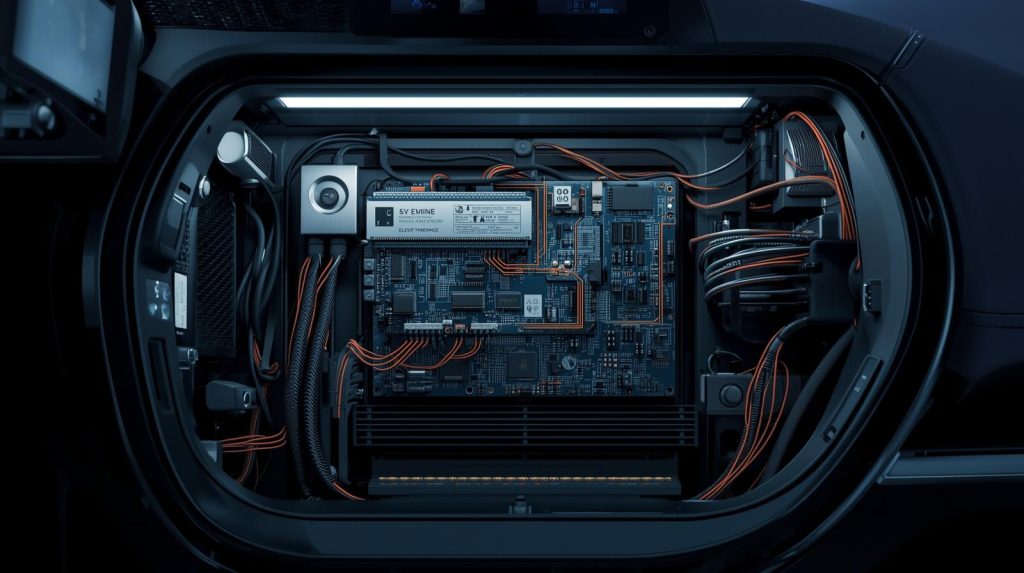
Before answering “Do You Need a Special Panel for EV Charging?”, let’s start with the fundamentals.
Your electrical panel — sometimes called a breaker box or service panel — distributes electricity from your utility connection to various circuits throughout your home. It’s the control center that keeps everything safe and functional by automatically cutting power when circuits overload.
Most modern homes use 100-amp to 200-amp panels, depending on their total electrical demand. However, the rise of high-power appliances, HVAC systems, and now EV chargers has made some older panels insufficient for today’s energy needs.
Why Your Electrical Panel Matters for EV Charging
Home EV chargers — especially Level 2 chargers — draw significant power. Depending on the charger model and your vehicle, they typically require a dedicated 240-volt circuit and can consume between 20 to 60 amps of current.
If your electrical panel is already near capacity, adding this new load can overload it, leading to tripped breakers or even electrical hazards. That’s why it’s critical to evaluate your panel before installing an EV charger.
Do You Need a Special Panel for EV Charging? (Key Factors to Consider)
Whether you need to upgrade or install a new electrical panel for EV charging depends on several key factors:
- Your Current Electrical Capacity:
- Homes with 100-amp panels may struggle to accommodate a Level 2 charger, especially if you already have multiple high-demand appliances.
- Newer homes with 200-amp panels typically have enough capacity for EV charging.
- The Type of EV Charger You Plan to Install:
- Level 1 chargers (120V) plug into a regular outlet and draw about 12–16 amps — generally safe for most households.
- Level 2 chargers (240V) require higher amperage and a dedicated circuit, often needing panel upgrades.
- Your Home’s Overall Power Usage:
- Add up your existing loads — HVAC, oven, dryer, water heater, etc.
- If your total exceeds 80% of your panel’s rating, you’ll likely need an upgrade.
- Age of Your Electrical System:
- Panels older than 25 years may not meet safety standards and can pose fire risks when handling high loads.
So, the answer to “Do You Need a Special Panel for EV Charging?” depends on your home’s age, total electrical load, and the charger type you intend to use.
How to Determine If Your Panel Can Handle EV Charging
Before making any upgrades, you’ll want to know whether your existing panel can safely handle the extra load. Here’s how to check:
1. Check Your Panel’s Amp Rating
Locate your electrical panel (often in a garage or utility room) and look for the main breaker switch — it will usually display “100,” “150,” or “200.” That number is your home’s total amperage capacity.
2. Assess Current Electrical Usage
Make a list of all major electrical appliances and their amperage. A professional electrician can calculate your total load and determine if adding an EV charger is safe.
3. Schedule a Professional Load Calculation
This step is crucial. Electricians perform a load calculation to ensure your home meets the National Electrical Code (NEC) requirements. If the math shows your panel is maxed out, you’ll need an upgrade.
Types of Home EV Chargers and Power Requirements
To better understand the load on your electrical system, let’s compare different types of EV chargers:
| Charger Type | Voltage | Current Draw (Amps) | Typical Charging Speed | Panel Upgrade Needed? |
|---|---|---|---|---|
| Level 1 | 120V | 12–16A | 3–5 miles/hour | Usually No |
| Level 2 | 240V | 20–60A | 25–40 miles/hour | Often Yes |
| DC Fast Charger | 400V+ | 100A+ | 180–300 miles/hour | Not for Home Use |
For most homeowners, a Level 2 charger is the best balance between speed and practicality — but it’s also the type that most often requires a panel upgrade.
When You Definitely Need a Special Electrical Panel
You will likely need a new or upgraded panel if:
- Your existing panel is 100 amps or less.
- You have multiple large appliances already connected.
- Your panel is older than 25–30 years.
- The electrician’s load calculation shows limited spare capacity.
- You’re planning for multiple EVs in the future.
In such cases, installing a 200-amp or higher panel ensures sufficient capacity, safety, and compliance with building codes.
Upgrading Your Electrical Panel for EV Charging
If you’ve determined that your home needs an upgrade, here’s what to expect:
Step 1: Hire a Licensed Electrician
Only certified electricians should handle panel upgrades. They’ll evaluate your home’s wiring, meter connection, and load requirements before recommending a panel size.
Step 2: Obtain Necessary Permits
Depending on your location, you may need permits and inspections to ensure compliance with local electrical and safety codes.
Step 3: Replace or Upgrade the Panel
Your electrician will replace the old panel with a larger-capacity model (usually 200 amps). This process typically takes a day to complete.
Step 4: Add Dedicated Circuit for EV Charger
The new panel will include a dedicated 240-volt circuit for your EV charger, ensuring safe and efficient charging.
Cost of Electrical Panel Upgrades for EV Charging
The total cost depends on your home’s configuration, but here’s an estimate:
| Upgrade Type | Estimated Cost (USD) |
|---|---|
| Load Calculation & Inspection | $150–$300 |
| 100A to 200A Panel Upgrade | $1,500–$3,000 |
| 200A+ Service Upgrade | $3,000–$5,000 |
| Dedicated EV Circuit Installation | $300–$800 |
While it may seem expensive, upgrading your electrical panel is a long-term investment that enhances safety, increases your home’s resale value, and prepares you for future energy demands (like solar panels or multiple EVs).
Do You Need a Special Panel for EV Charging? Here’s What Experts Say
According to certified electricians and EV infrastructure specialists, most modern homes built after 2000 already have panels that can support at least one Level 2 charger. However, older homes may struggle with limited capacity.
Experts recommend:
- Having your panel inspected before purchasing an EV charger.
- Avoiding makeshift solutions like power splitters or shared circuits.
- Considering an upgrade if you plan to add solar or battery backup later.
The consensus: Safety and reliability should always come first.
Smart Alternatives If You Can’t Upgrade Your Panel Right Now
If a full upgrade isn’t feasible, you still have options:
1. Use a Level 1 Charger Temporarily
Though slow, it doesn’t strain your electrical system and can work overnight for short commutes.
2. Install a Smart Charger
Smart chargers manage power dynamically, drawing current only when capacity allows, preventing overloads.
3. Use Load Management Devices
These devices balance energy distribution between appliances, allowing safe EV charging without panel upgrades.
4. Off-Peak Charging
Charging during off-peak hours (nighttime) can reduce total load and energy costs.
Future-Proofing Your Home for EV Charging
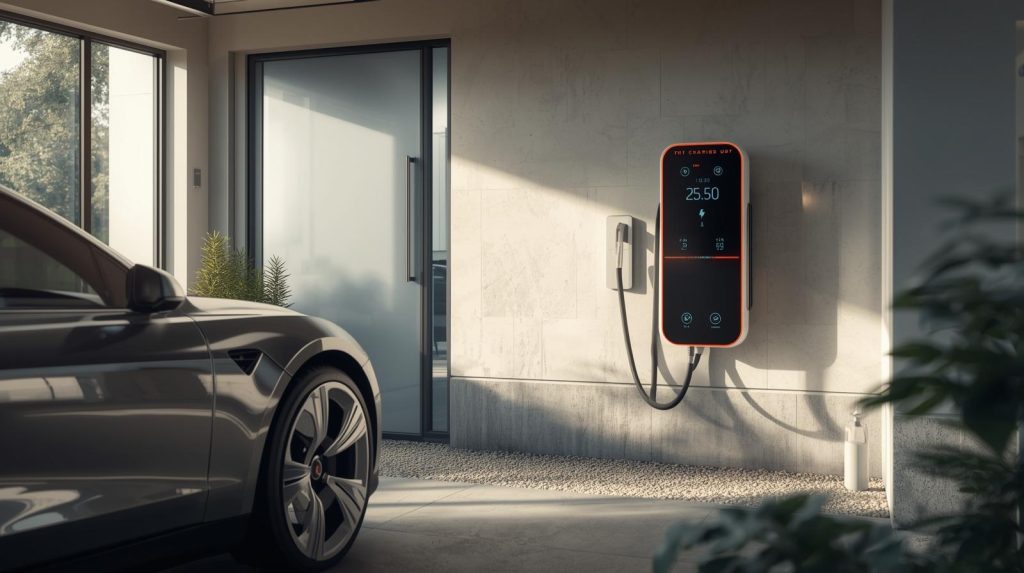
The transition to electric mobility is accelerating rapidly. Future-proofing your electrical infrastructure ensures your home stays compatible with new technologies like:
- Bidirectional charging (using your car battery to power your home)
- Solar integration
- Energy storage systems (home batteries)
Installing a 200-amp or higher electrical panel now can save you thousands later, as these technologies become mainstream.
Do You Need a Special Panel for EV Charging? — The Final Verdict
So, Do You Need a Special Panel for EV Charging?
Yes, if your home has an older or low-capacity electrical system (100 amps or less).
Probably, if you plan to install a Level 2 charger or charge multiple EVs.
No, if your modern 200-amp panel has sufficient unused capacity and passes an electrical inspection.
Ultimately, the safest and most efficient approach is to consult a licensed electrician. They’ll confirm your home’s load capacity and recommend the best charging solution tailored to your needs.
Key Takeaways
- Level 2 chargers often require a dedicated 240-volt circuit.
- Older homes (under 100 amps) almost always need upgrades.
- Professional load calculations are essential for safety.
- Upgrading your panel can boost home value and reliability.
- Smart chargers and load management tools can help avoid full upgrades.
Frequently Asked Questions (FAQs)
Q1. How do I know if my electrical panel needs an upgrade?
If you experience flickering lights, frequent breaker trips, or your panel is over 25 years old, it’s time to get it inspected.
Q2. Can I install an EV charger myself?
No. EV charger installation involves high-voltage wiring and must meet local electrical codes. Always hire a certified electrician.
Q3. What’s the best panel size for EV charging?
A 200-amp panel is the recommended standard for modern homes with one or more EVs.
Q4. Will upgrading my panel reduce my energy bill?
Not directly — but it will improve efficiency, safety, and may qualify you for rebates or insurance discounts.
Q5. Are there incentives for panel upgrades?
Yes. Many regions offer rebates and tax credits for EV infrastructure upgrades. Check your local utility provider.
Conclusion
Do You Need a Special Panel for EV Charging? — it depends on your home’s electrical capacity, charger type, and future energy plans.
If your system is old or overloaded, upgrading to a 200-amp panel ensures safety, faster charging, and long-term readiness for the evolving world of electric mobility.
Investing in a proper electrical setup today not only protects your home but also empowers your EV ownership experience for years to come.