
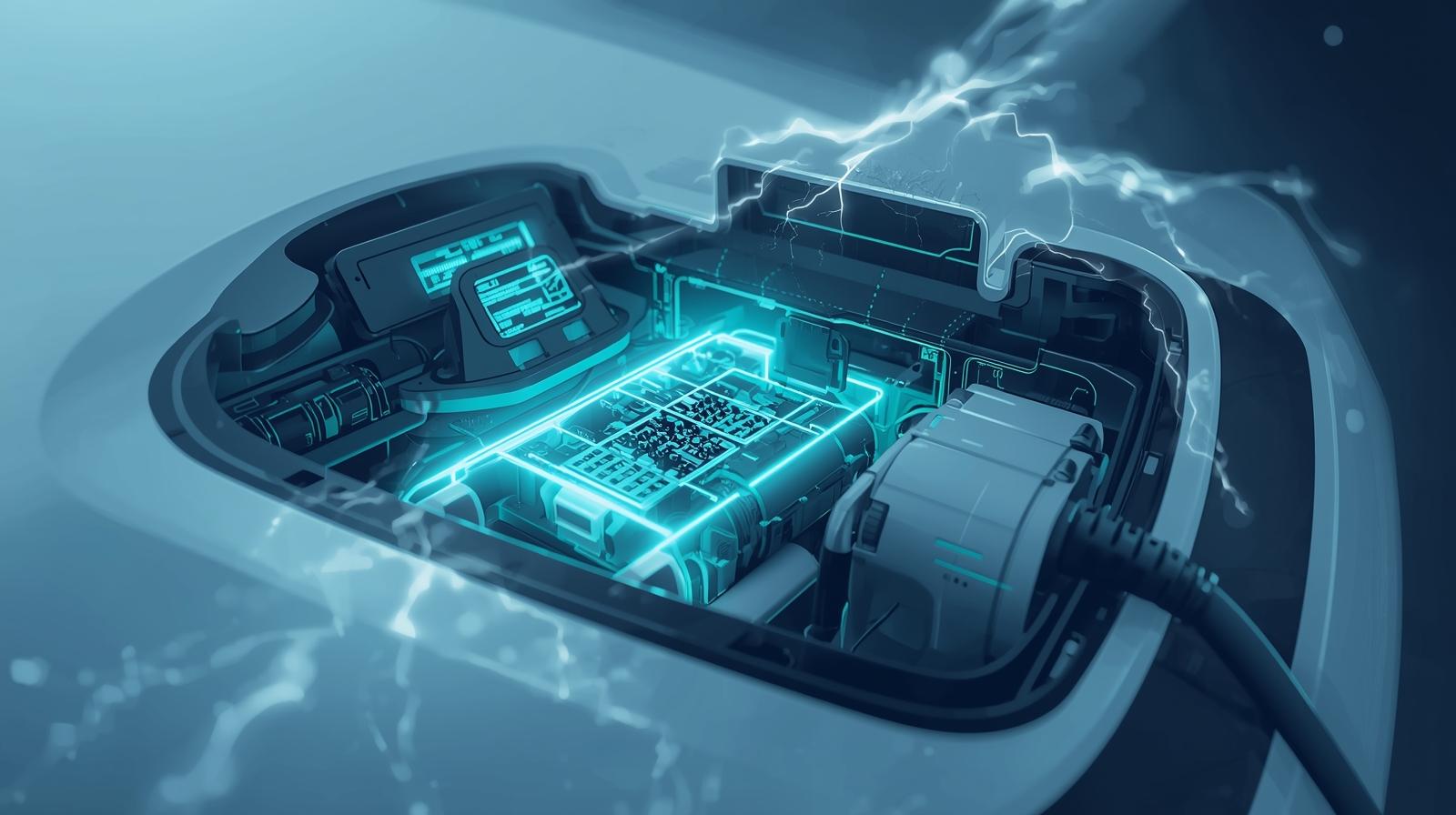
Electric Vehicles (EVs) have revolutionized how we drive — delivering quiet, eco-friendly performance and reducing our dependence on fossil fuels. Yet, one of the most common concerns among EV owners is:
“Does charging my EV every day harm the battery?”
It’s a fair question. After all, the battery is the heart of an electric vehicle, and its health determines your range, performance, and long-term value. Let’s dive into the science behind EV charging, best practices, and expert recommendations so you can confidently care for your EV without harming the battery.
Understanding How EV Batteries Work
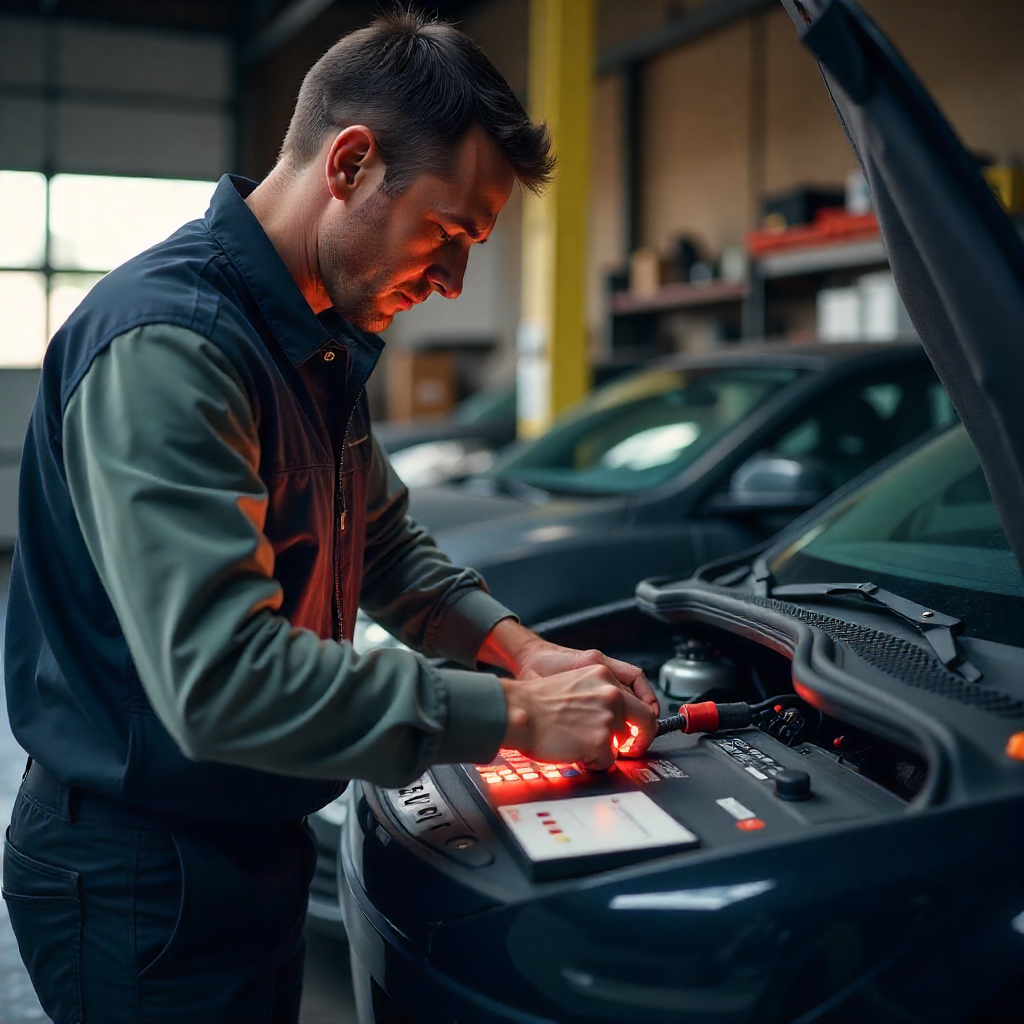
Before exploring whether daily charging is harmful, it’s essential to understand how EV batteries function.
Most electric vehicles today use lithium-ion batteries — similar to the ones in smartphones but far more advanced. These batteries store electricity and release it to power the electric motor, enabling smooth acceleration and efficient driving. Understanding how to charge an electric car properly ensures these lithium-ion batteries perform efficiently and last longer, providing a smooth and sustainable driving experience.
Each battery pack consists of hundreds (or thousands) of cells, managed by a Battery Management System (BMS) that monitors temperature, charge levels, and voltage to prevent overcharging or damage.
Over time, all lithium-ion batteries naturally degrade — meaning they slowly lose capacity. However, this process is gradual and can be slowed down with proper charging habits.
Does Charging Your EV Every Day Harm the Battery?
The short answer is:
No, charging your EV every day does not harm the battery — if done correctly.
Modern EVs are designed to handle daily charging safely. However, frequent full charges (to 100%) and deep discharges (to 0%) can increase battery wear.
Safe Daily Charging
Charging every day to around 80–90% is completely fine and even recommended for drivers who commute regularly.
Harmful Charging Habits
What does harm the battery is:
- Consistently charging to 100% and leaving it plugged in for long periods.
- Charging in extremely hot or cold environments.
- Relying heavily on DC fast chargers instead of home charging.
In short: Daily charging is safe — it’s how you charge that matters most.
How EV Charging Affects Battery Health
1. The 20–80% Rule
Most manufacturers recommend keeping your EV’s charge between 20% and 80% for everyday use. Charging to 100% daily stresses lithium-ion cells and accelerates chemical aging.
Only charge to 100% when you need maximum range — such as before a long trip.
2. Partial Charges Are Best
Contrary to old myths, lithium-ion batteries don’t need to be fully charged or drained. Partial charging is actually better for their health.
Plugging in nightly to add 20–30% charge is a gentle and safe practice.
3. Avoid Deep Discharges
Running your battery to 0% frequently can shorten its lifespan. Always try to recharge once it hits 20–30%.
How Temperature Impacts Battery Health
Temperature has a huge influence on how your EV battery ages.
- High heat increases internal resistance, causing faster degradation.
- Freezing cold temporarily reduces range and slows charging.
Smart Tips to Manage Temperature
- Park your EV in shade or a garage.
- Avoid fast charging in very hot conditions.
- Use pre-conditioning (built into most EVs) to warm or cool the battery before charging.
By controlling temperature, you can extend your battery’s usable life by several years.
Battery Management Systems (BMS): The Protector of Your EV
Every modern EV includes an intelligent Battery Management System (BMS). This system acts as the “brain” of the battery and helps keep it healthy.
The BMS:
- Prevents overcharging and deep discharging
- Balances voltage across all battery cells
- Regulates temperature during charging
- Optimizes charge rate automatically
Because of this, even if you charge daily, the BMS ensures your EV battery remains protected.
Charging Methods: Which One Is Better for Battery Health?
1. Level 1 Charging (Standard Outlet)
- Voltage: 120V (typical household outlet)
- Charging Speed: 3–5 miles of range per hour
- Best For: Overnight charging, short daily commutes
Level 1 charging is very gentle on the battery, making it ideal for small battery packs and slow, steady top-ups.
2. Level 2 Charging (Home Wall Charger)
- Voltage: 240V
- Charging Speed: 25–30 miles of range per hour
- Best For: Daily home use
This is the most battery-friendly and time-efficient way to charge an EV regularly.
3. DC Fast Charging
- Voltage: 400V–800V (high power)
- Charging Speed: 80% charge in 30–45 minutes
- Best For: Long trips or emergencies
While convenient, DC fast charging generates more heat and puts extra strain on the battery. Use it occasionally, not daily.
Manufacturer Guidelines on Daily Charging
Each EV brand has its own recommendations:
- Tesla: Keep the battery between 20–90% for daily driving; 100% only for trips.
- Nissan Leaf: Avoid frequent 100% charges to reduce wear.
- Hyundai/Kia: Use Level 2 home chargers for daily use; fast charge only when needed.
- Ford & Rivian: Encourage overnight home charging with built-in battery protections.
Always check your EV’s manual for model-specific advice.
Does Frequent Charging Affect Battery Warranty?
Most EV manufacturers provide 8-year or 100,000-mile battery warranties. Normal daily charging won’t void this warranty.
Warranties cover defects and excessive degradation, but not misuse — like exposing the battery to extreme temperatures or using unapproved chargers.
As long as you follow basic best practices, your warranty remains fully valid.
Best Practices to Extend EV Battery Life
- Keep charge levels between 20–80%.
- Avoid fast charging daily.
- Don’t leave the car at 100% or 0% for long periods.
- Charge in a cool, dry environment.
- Update your EV software regularly.
- Use scheduled charging to finish just before your next drive.
- Precondition the battery before fast charging.
Following these simple steps can extend your EV battery lifespan by several years.
What Science Says About Daily EV Charging
Studies show that EV batteries lose around 2%–3% capacity per year under normal use.
Factors that accelerate degradation include:
- Frequent high-voltage charging (close to 100%)
- High ambient temperatures
- Regular fast charging
For example, research from the U.S. Department of Energy found that batteries maintained between 20–80% charge lasted up to twice as long as those frequently charged to full capacity.
In short: Charging smartly matters more than charging frequency.
Environmental Benefits of Smart Charging
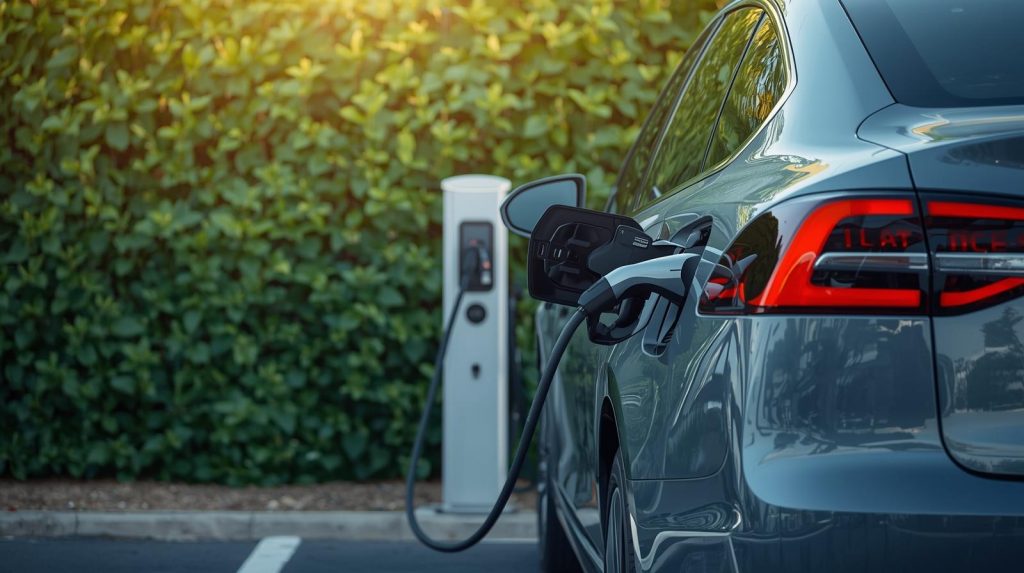
By charging at off-peak hours, you reduce stress on the power grid and help utilities rely more on renewable energy.
Many EV owners now pair their vehicles with solar power, allowing them to charge 100% sustainably.
Longer-lasting batteries also mean less waste and fewer replacements — reducing the overall carbon footprint of EV ownership.
How Future Battery Technology Changes the Game
The future of EV batteries is incredibly promising.
- Solid-state batteries will reduce degradation and allow faster, safer charging.
- AI-driven BMS will optimize charging automatically based on your habits.
- LFP (Lithium Iron Phosphate) batteries already allow frequent 100% charging with minimal wear.
By 2030, EVs will feature batteries capable of millions of miles of operation with minimal degradation.
Real-World Example: Tesla and Daily Charging
Tesla drivers frequently charge their vehicles daily without significant battery loss.
For instance, owners of the Model 3 and Model Y who charge nightly to 80–90% have reported over 90% of original battery capacity even after 5 years of use.
This real-world data proves that modern EVs are built for daily charging — as long as you do it the smart way.
FAQs: Does Charging My EV Every Day Harm the Battery?
1. Should I charge my EV every night?
Not necessarily — but it’s perfectly fine if you do. Charging nightly to around 80% is safe and convenient. Avoid daily 100% charges unless you need the extra range.
2. Is it bad to leave my EV plugged in all the time?
Leaving your EV plugged in is generally safe, thanks to the BMS. However, you should avoid leaving it fully charged (100%) for days, as that increases cell stress.
3. Can I use fast charging every day?
You can, but it’s not ideal. Frequent DC fast charging accelerates battery wear due to heat buildup. Use Level 2 home charging for daily needs instead.
4. What is the best time to charge my EV?
Charge your EV at night or during off-peak hours. It’s cheaper, eco-friendlier, and helps keep the grid balanced.
5. How long do EV batteries last?
Most EV batteries last 8–15 years or more, depending on driving habits and climate. Proper charging can extend that lifespan significantly.
6. Should I fully charge before a long trip?
Yes — it’s fine to charge to 100% occasionally before a long drive. Just avoid leaving it at 100% for too long afterward.
7. What’s better: charging to 80% daily or 100% weekly?
Charging to 80% daily is healthier for your battery than waiting for it to drop to 0% and then charging to 100%.
8. How can I check my battery’s health?
Most EVs display battery health metrics in the settings menu. You can also ask your service center for a battery diagnostic report.
Conclusion: Daily Charging Isn’t the Problem — Charging Wrong Is
So, does charging your EV every day harm the battery?
No — not if you charge smartly.
Modern EVs are designed for frequent charging, especially when you:
- Keep charge levels between 20–80%
- Use Level 2 home charging
- Avoid extreme temperatures and frequent fast charging
With these habits, your EV battery will remain strong for years — keeping your vehicle efficient, reliable, and eco-friendly.