
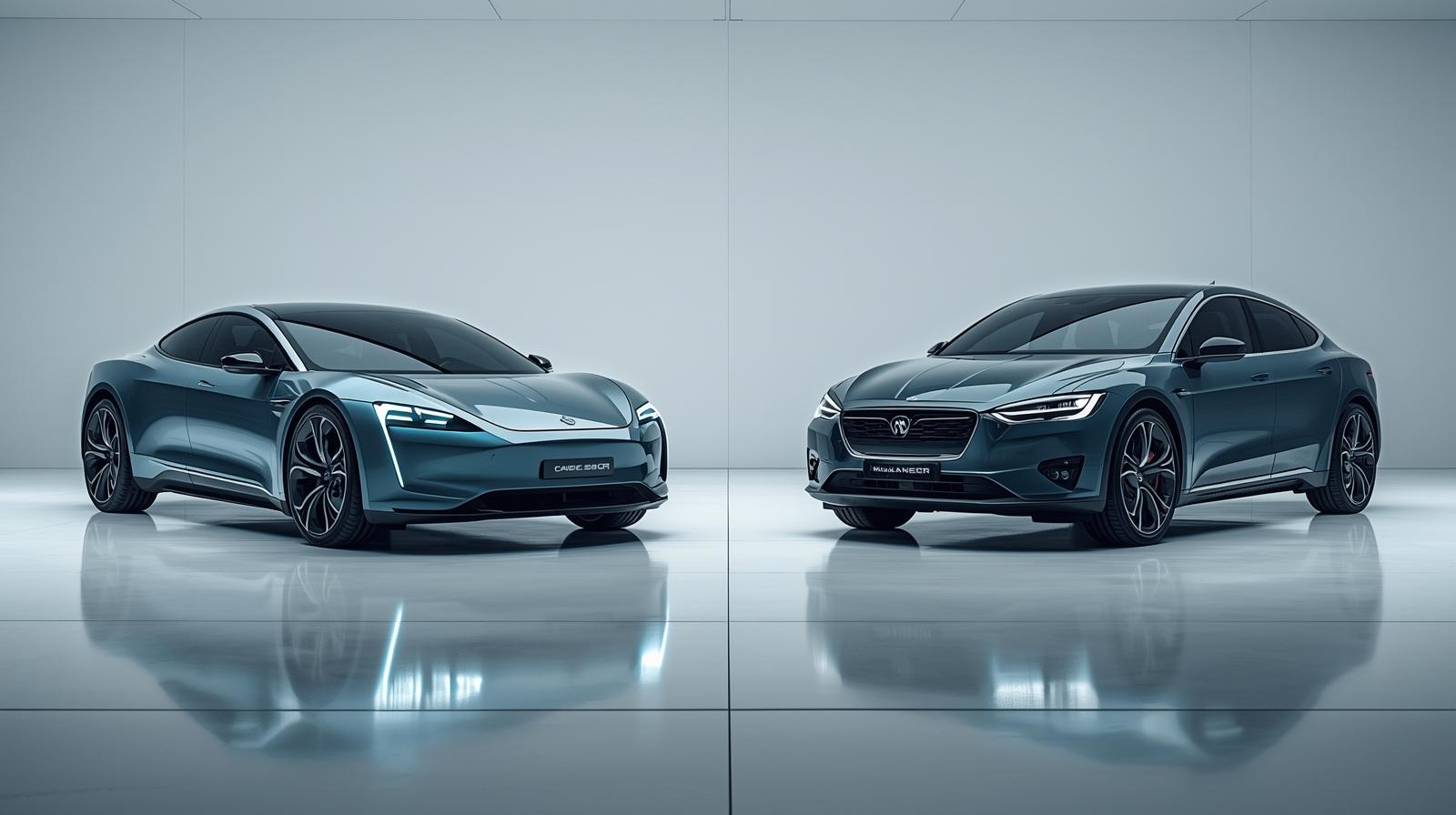
Choosing between an electric vehicle (EV) and a traditional gas-powered car has become one of the most important decisions for modern drivers. With the automotive industry rapidly shifting toward electrification, many buyers want to understand the true differences, benefits, and drawbacks of each option. This Electric Vehicles vs. Gas Vehicles Comparison provides a deep, unbiased, and expert-level analysis to help you make an informed decision—whether you are buying your first EV, searching for the best electric vehicle, or sticking with gasoline power.
This detailed guide covers performance, range, cost, maintenance, environmental impact, long-term ownership, government incentives, and real-world usability. If you want an honest, comprehensive breakdown of EVs and gas cars, this article is for you.
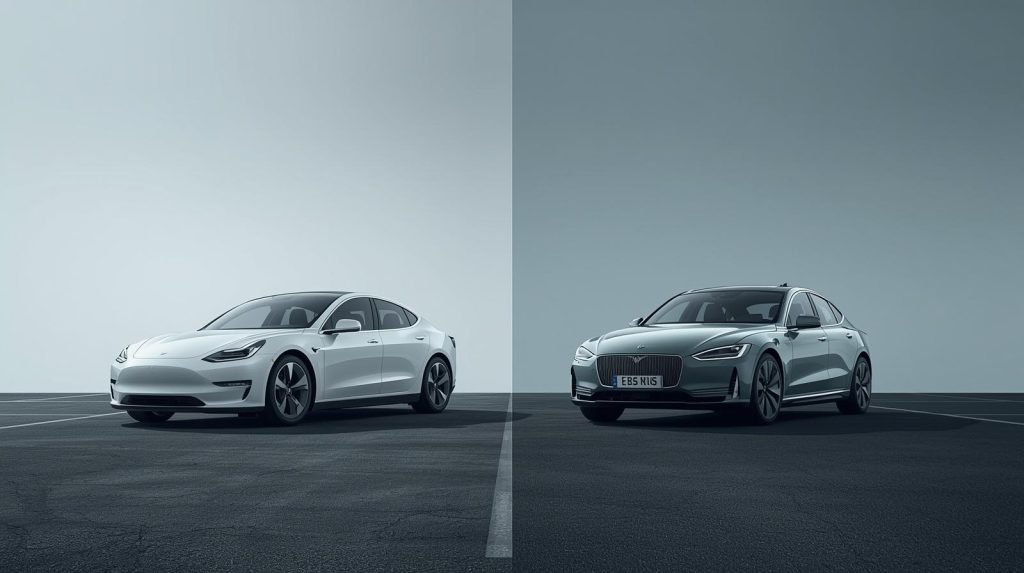
Why the Electric Vehicles vs. Gas Vehicles Comparison Matters in 2025
The auto industry is in the middle of a historic transformation. EV sales continue to rise as more people become aware of the environmental, economic, and technological advantages of electric cars. Meanwhile, gas vehicles remain dominant in many regions because of lower upfront costs, broad fueling infrastructure, and familiar technology.
Understanding this Electric Vehicles vs. Gas Vehicles Comparison in 2025 is crucial because:
- New EV incentives and tax credits make EVs more affordable
- Fuel prices fluctuate, affecting long-term costs
- Charging networks are expanding
- Battery technology is improving
- Gas vehicles still offer certain advantages for specific use cases
Let’s break down every major factor that affects your buying decision.
Performance Comparison: EVs vs. Gas Cars
Acceleration and Power in Electric Vehicles vs. Gas Vehicles Comparison
EVs are known for instant torque. Unlike gas engines that need to rev up, electric motors deliver full power immediately, resulting in faster acceleration.
EV advantages:
- Quicker 0–60 mph times
- Smoother and quieter acceleration
- High power efficiency at all speeds
Gas vehicle advantages:
- More traditional driving feel
- Strong performance at high speeds for certain sports cars
Winner: EVs, especially for daily driving performance.
Driving Range in Electric Vehicles vs. Gas Vehicles Comparison
Range anxiety is a major concern for potential EV buyers. Gas vehicles still dominate in this category.
EVs:
- Average range: 200–350 miles
- High-end EVs exceed 400 miles
- Range varies significantly based on weather and driving style
Gas vehicles:
- Average range: 350–450 miles
- Refueling takes minutes
- Performance less affected by temperature
Winner: Gas cars—but EVs are closing the gap quickly.
Refueling vs. Charging: Time and Convenience
Charging time is one of the biggest differentiators in the Electric Vehicles vs. Gas Vehicles Comparison.
EV charging:
- Level 1: 24–48 hours
- Level 2: 4–10 hours
- DC Fast charging: 20–45 minutes
Gas refueling:
- 3–5 minutes at any gas station
Winner: Gas vehicles for speed; EVs for at-home convenience.
Cost Comparison: EVs vs. Gas Cars
Upfront Costs in Electric Vehicles vs. Gas Vehicles Comparison
EVs typically cost more upfront, especially models with large battery packs.
EV costs:
- Higher initial purchase price
- Price varies based on battery size and brand
- Eligible for federal EV tax credits
Gas car costs:
- Generally more affordable upfront
- Wide variety of budget-friendly models
Winner: Gas vehicles, unless EV tax credits apply.
Fueling vs. Charging Costs
One of the most significant advantages in the Electric Vehicles vs. Gas Vehicles Comparison is EV fuel savings.
EV charging cost:
- Home charging: much cheaper than gas
- Public fast chargers can be more expensive
- Pricing varies by electricity rates
Gas fueling cost:
- Higher long-term expense
- Subject to global oil price fluctuations
Winner: EVs—charging is consistently cheaper.
Maintenance Costs
Electric vehicles require far less maintenance than gas-powered vehicles.
EV maintenance benefits:
- No oil changes
- Fewer moving parts
- Reduced brake wear due to regenerative braking
Gas vehicle maintenance:
- Regular oil changes
- More complex engines
- Higher long-term repair costs
Winner: EVs, due to simpler engineering.
Environmental Impact: EVs vs. Gas Cars
Emissions in Electric Vehicles vs. Gas Vehicles Comparison
EVs produce zero tailpipe emissions. Gas vehicles produce CO₂ and other pollutants.
EV environmental benefits:
- Cleaner operation
- Lower carbon footprint over lifetime
- Renewable energy can charge EVs
Gas vehicles:
- High emissions
- Depend on fossil fuel extraction and refining
Winner: EVs, especially when charged with clean energy.
Battery Production and Recycling
Battery manufacturing has environmental impacts, but recycling is improving.
EV battery considerations:
- Mining of lithium and other materials
- Long lifespan (8–15 years)
- Recycling technology advancing
Gas vehicle considerations:
- Oil drilling impacts land, water, and climate
- Continuous emissions during use
Winner: EVs—lower lifetime impact.
Reliability and Longevity
Engine vs. Motor Durability
Electric motors last longer than gas engines because they have fewer moving parts.
EV reliability:
- Motors can last over 300,000 miles
- Fewer points of failure
Gas engine reliability:
- Proven technology
- More maintenance needed
Winner: EVs in long-term durability.
Battery Longevity in Electric Vehicles vs. Gas Vehicles Comparison
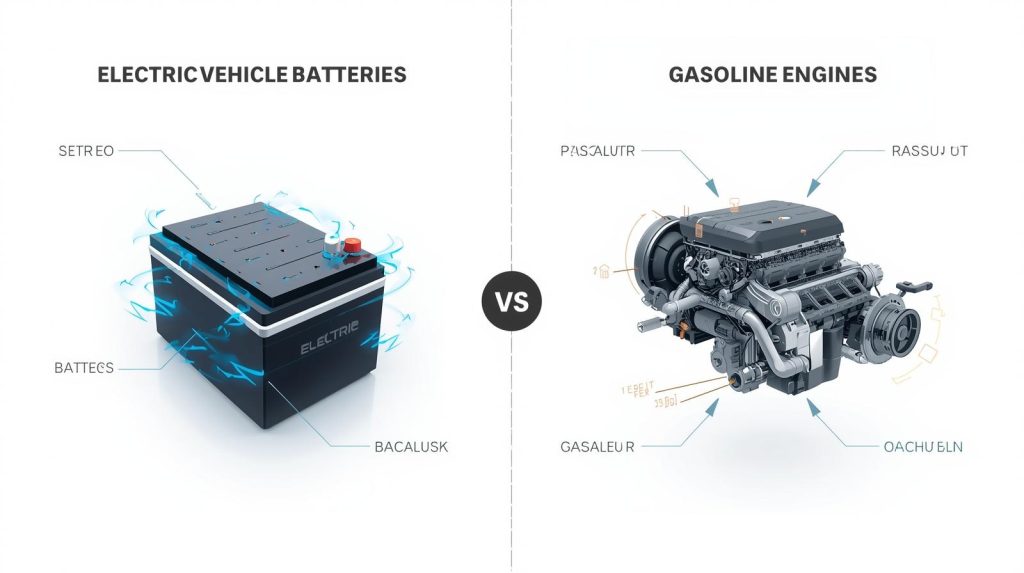
Battery degradation is a concern, but it is often overstated.
EV batteries:
- Average lifespan: 8–15 years
- Most EVs retain 70–90% battery health after 8 years
Gas vehicles:
- Fuel systems wear faster than EV powertrains
Winner: Tie—EVs last long, but batteries are costly to replace.
Convenience and Practicality
Charging Infrastructure
Charging networks are rapidly expanding.
EVs:
- Home charging is the biggest convenience
- Public charging still uneven
Gas cars:
- Universal refueling availability
Winner: Gas cars for road trips; EVs for daily commuting.
Driving Experience
Most drivers report EVs provide a smoother, quieter ride.
EV benefits:
- Instant torque
- Silent operation
- Advanced tech features
Gas vehicle benefits:
- More traditional feel
- Engine sound preferred by enthusiasts
Winner: EVs for everyday comfort.
Total Cost of Ownership (TCO)
When all factors—fuel, maintenance, incentives—are considered, EVs often win.
EV TCO benefits:
- Lower fuel costs
- Fewer repairs
- Federal tax credits
Gas TCO:
- Higher maintenance
- Higher fuel costs
- Depreciation varies
Winner: EVs long-term.
Resale Value
EV resale values are stabilizing as demand grows, especially for long-range models.
EVs:
- Some older models depreciate quickly
- Newer EVs hold value better
Gas cars:
- More predictable resale values
Winner: Gas vehicles, but gap is closing.
Safety Features
EVs often rank higher in crash tests because of lower center of gravity and design flexibility.
EV advantages:
- Low center of gravity reduces rollover risk
- Advanced software-based safety systems
Gas car advantages:
- Reliable crash protection
Winner: EVs, especially modern models.
Conclusion: Final Verdict on Electric Vehicles vs. Gas Vehicles Comparison
In this Electric Vehicles vs. Gas Vehicles Comparison, both types of vehicles offer unique advantages, but EVs clearly represent the future of transportation. If you want lower long-term costs, cleaner energy, cutting-edge technology, and excellent performance, an EV is likely the better choice. Gas vehicles remain useful for long road trips, lower upfront costs, and areas with limited charging options.
Ultimately, the best choice depends on your driving habits, budget, and long-term goals. For most drivers, the shift toward electric offers meaningful advantages that will grow even stronger as charging networks expand and battery technology improves.
FAQs: Electric Vehicles vs. Gas Vehicles Comparison
1. What is the main difference between electric vehicles and gas vehicles?
The primary difference is how they are powered. Electric vehicles (EVs) run on electricity stored in a battery, while gas vehicles use internal combustion engines fueled by gasoline. This fundamental difference affects performance, maintenance, environmental impact, and long-term cost.
2. Are electric vehicles cheaper to maintain than gas vehicles?
Yes. EVs generally require less maintenance because they have fewer moving parts, no oil changes, and simplified braking systems. Gas vehicles, on the other hand, need regular oil changes, fuel system maintenance, and engine-related repairs that increase long-term costs.
3. Are EVs better for the environment than gas vehicles?
Electric vehicles produce zero tailpipe emissions, making them significantly better for reducing air pollution and greenhouse gases. While electricity production may have emissions, EVs still maintain a lower overall environmental footprint compared to gas vehicles.
4. Which costs more in the long run—an EV or a gas vehicle?
Although EVs can have a higher upfront price, they often cost less over time due to lower fuel and maintenance expenses. Many regions also offer tax credits or incentives that reduce the total cost of ownership.
5. How does driving range compare between electric vehicles and gas vehicles?
Gas vehicles usually offer longer ranges—often 400 to 600 miles per tank—while electric vehicles average 200 to 350 miles per charge. However, rapid improvements in EV battery technology are steadily increasing driving range each year.
6. Is charging an EV more convenient than refueling a gas car?
It depends on your lifestyle. Charging at home is extremely convenient for most EV owners, but public charging networks are still expanding. Gas vehicles can refuel quickly at thousands of stations, which remains an advantage for long-distance travel.
7. Are electric vehicles safe compared to gas vehicles?
Yes. EVs meet the same safety standards as gas vehicles and often score high in crash tests due to low centers of gravity and advanced safety technologies. Battery systems are engineered with strict safety protections to prevent overheating.
8. Do EV batteries wear out, and how long do they last?
Most EV batteries last 10–20 years depending on usage and climate. Manufacturers typically offer 8-year or 100,000-mile battery warranties. While batteries do degrade over time, the rate is slow and rarely affects daily usability.
9. Which is better for daily commuting—an EV or a gas vehicle?
Electric vehicles are often the better choice for daily commuting due to quiet operation, low fuel costs, and the ease of charging at home. Gas vehicles may be preferred by drivers who frequently travel long distances or lack reliable charging access.
10. In the Electric Vehicles vs. Gas Vehicles Comparison, which option is better overall?
Neither is universally “better” for every driver. EVs excel in environmental impact, performance, and long-term savings. Gas vehicles may be better for long trips, rural areas, or drivers who prefer quick refueling. The right choice depends on budget, location, driving habits, and access to charging stations.