

Electric vehicles (EVs) are at the forefront of the global push toward sustainable transportation. As nations aim to reduce greenhouse gas emissions and move away from fossil fuels, EVs are often hailed as the cleaner, greener alternative to gasoline cars. However, while EVs drastically reduce tailpipe emissions, they are not entirely impact-free. Understanding the environmental impact on electric vehicles means evaluating both their benefits and challenges across their entire life cycle—from production to end-of-life recycling.
In this in-depth guide, we’ll break down how EVs influence our environment, the sustainability of their materials, and how the world can make electric mobility truly eco-friendly.
Understanding the Environmental Impact on Electric Vehicles
Before diving into the details, it’s important to understand what the environmental impact on electric vehicles actually entails. It includes the total ecological footprint of EVs throughout their lifespan, covering:
- Manufacturing – extraction of raw materials, battery production, and vehicle assembly.
- Operation – electricity consumption, emissions from power generation, and efficiency.
- Disposal and Recycling – the management of end-of-life batteries and components.
Unlike traditional cars, EVs have no tailpipe emissions, but their batteries and energy sources still leave an environmental footprint. Let’s explore each aspect in depth.
Production Phase – The Hidden Carbon Cost of EVs
One of the most significant environmental challenges associated with EVs lies in their manufacturing process, particularly battery production.
The Role of Battery Manufacturing in the Environmental Impact on Electric Vehicles
EV batteries, especially lithium-ion types, require large amounts of raw materials such as lithium, cobalt, nickel, and manganese. Mining and processing these elements can result in habitat destruction, water pollution, and carbon emissions.
For instance:
- Lithium extraction can deplete freshwater resources in dry regions like South America’s “Lithium Triangle.”
- Cobalt mining in the Democratic Republic of Congo raises ethical and environmental concerns due to unsafe mining practices.
On average, producing an EV can generate 30–40% more emissions than building a conventional gasoline vehicle — mainly due to the battery. However, these emissions are offset during the EV’s operational phase as it produces no tailpipe pollution.
Operational Phase – The Cleaner Side of EVs
Once an EV hits the road, its operational emissions drop dramatically compared to gas-powered vehicles.
Zero Tailpipe Emissions and Air Quality Improvement
Unlike internal combustion engine (ICE) cars, EVs emit no exhaust gases, meaning they produce zero CO₂, NOx, or particulate matter during operation.
This results in:
- Cleaner urban air, improving public health.
- Reduced smog and lower respiratory illnesses in high-traffic cities.
According to the U.S. Department of Energy, an average EV reduces 4,500 pounds of CO₂ emissions per year compared to a gas vehicle.
The Source of Electricity and Its Effect on the Environmental Impact on Electric Vehicles
The true environmental benefit of EVs depends largely on how the electricity that powers them is produced.
- In regions with renewable energy sources (solar, wind, hydro), EVs are nearly zero-emission.
- In areas reliant on coal or natural gas, charging can still result in indirect emissions.
However, even when powered by fossil-fuel-based grids, EVs still emit less CO₂ overall than gasoline cars due to their superior energy efficiency.
The Lifecycle Carbon Footprint of EVs vs. Gas Cars
When analyzing the environmental impact on electric vehicles, we must consider the total life cycle emissions — from manufacturing through disposal.
Studies show:
- A typical EV produces around half the lifetime emissions of a gas-powered car.
- After about 15,000–20,000 miles, an EV becomes “carbon neutral,” offsetting the emissions created during its manufacturing.
This means the longer you drive your EV, the smaller its carbon footprint becomes compared to traditional vehicles.
Environmental Benefits of Electric Vehicles
Despite the initial carbon cost of production, EVs offer numerous environmental benefits that make them essential for a sustainable future.
1. Reduction in Greenhouse Gas Emissions
Electric vehicles can cut CO₂ emissions by up to 70% over their lifetime when charged with clean energy. This is a key factor in global climate action targets under the Paris Agreement.
2. Energy Efficiency
EVs convert over 77% of the electrical energy from the grid into movement, whereas internal combustion engines convert only 20–30% of gasoline energy into motion. This means EVs waste far less energy.
3. Renewable Energy Integration
EVs can serve as mobile storage for solar and wind energy, supporting a more flexible and resilient power grid. With vehicle-to-grid (V2G) technology, EVs can even return excess electricity to homes or the grid during peak demand.
4. Noise Pollution Reduction
EVs are significantly quieter than gas-powered vehicles, leading to reduced urban noise pollution — a less obvious but highly beneficial environmental effect.
End-of-Life – Recycling and Battery Reuse
Battery Recycling and Its Role in the Environmental Impact on Electric Vehicles
The disposal of EV batteries presents both a challenge and an opportunity. Improper disposal could lead to chemical leaks, but modern recycling programs are improving.
Companies like Redwood Materials, Li-Cycle, and CATL are pioneering advanced recycling methods that recover up to 95% of valuable materials, reducing the need for new mining.
Second-Life Applications for EV Batteries
Even after their automotive lifespan, EV batteries can retain 70–80% of their storage capacity. These batteries can be repurposed for:
- Home energy storage systems
- Grid backup power
- Solar energy storage
This extends their usefulness and minimizes environmental waste.
Challenges in Reducing the Environmental Impact on Electric Vehicles
While EVs are cleaner overall, challenges remain before they can be considered fully sustainable.
1. Mining and Material Sourcing
The global demand for lithium and rare metals continues to rise. Sustainable sourcing and ethical mining practices are critical to reducing the ecological footprint.
2. Recycling Infrastructure
Although recycling technology is advancing, many countries still lack efficient infrastructure to handle end-of-life EV batteries at scale.
3. Grid Emissions
The benefit of EVs depends on the electricity mix. Expanding renewable energy capacity will ensure EVs deliver their full environmental promise.
4. Manufacturing Energy Use
Shifting to renewable-powered factories can significantly reduce emissions from EV production.
Future Innovations That Can Reduce Environmental Impact on Electric Vehicles
Green Battery Technology
Next-generation solid-state batteries and sodium-ion batteries promise to use less toxic materials, store more energy, and last longer.
Renewable Energy Integration in Charging
Expanding solar-powered charging stations and home solar EV charging systems can eliminate fossil fuel dependence entirely.
Eco-Friendly Manufacturing
Automakers like Tesla, BMW, and Volvo are transitioning to carbon-neutral production plants using recycled aluminum and renewable energy.
Circular Economy Approaches
The future of EVs lies in a circular economy model, where every component is reused, refurbished, or recycled, minimizing waste and resource depletion.
The Global Perspective – How Nations Address the Environmental Impact on Electric Vehicles
Countries worldwide are adopting different strategies to manage the environmental impact on electric vehicles.
United States
The U.S. offers federal tax credits and state incentives for EVs and is investing in battery recycling programs through the Department of Energy.
European Union
Europe leads with strict battery recycling regulations, ensuring ethical sourcing and production standards. Countries like Norway achieve over 80% EV adoption with renewable-powered grids.
China
China is the world’s largest EV producer and is investing heavily in battery reuse, EV infrastructure, and green manufacturing initiatives.
Environmental Impact on Electric Vehicles vs. Hydrogen and Hybrid Alternatives
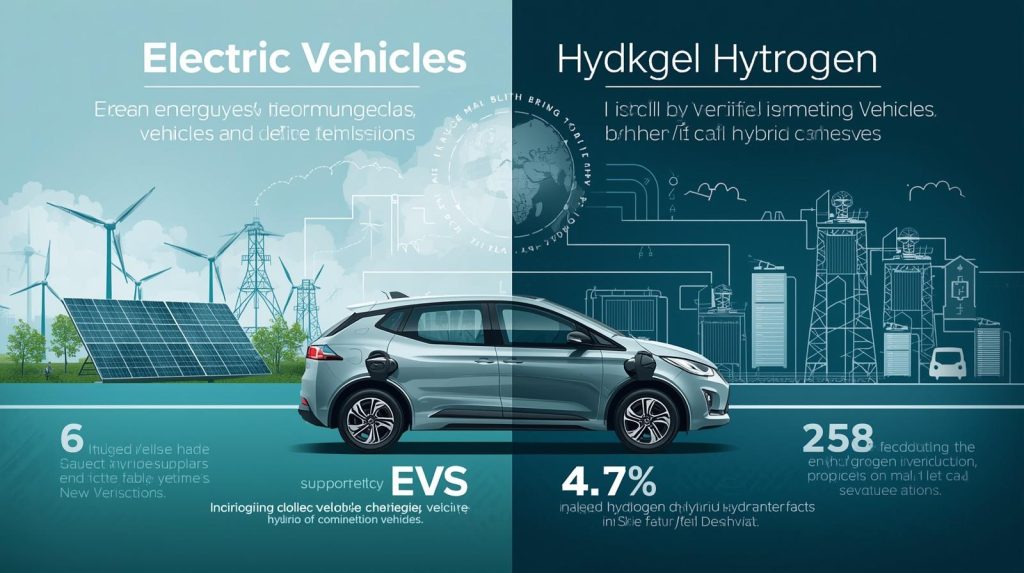
Fuel Cell Electric Vehicles (FCEVs)
Hydrogen-powered FCEVs produce only water vapor as emissions, but hydrogen production is still energy-intensive. EVs currently have a lower total carbon footprint due to established renewable integration.
Plug-in Hybrid Electric Vehicles (PHEVs)
PHEVs bridge the gap between EVs and gas cars, but their environmental benefits depend on how often drivers use electric mode versus gasoline.
Consumer Choices That Influence the Environmental Impact on Electric Vehicles
EV owners can play a key role in minimizing environmental impact through sustainable practices:
- Charge using renewable energy whenever possible.
- Maintain batteries properly to extend their lifespan.
- Support recycling initiatives for old batteries and components.
- Choose EV models made from sustainable materials and produced in eco-friendly factories.
By making mindful choices, consumers can significantly amplify the positive effects of electric mobility.
Conclusion – The Balanced Reality of EV Sustainability
The environmental impact on electric vehicles is complex but overwhelmingly positive when managed responsibly. While the initial manufacturing process, especially battery production, contributes to emissions, the long-term benefits — reduced greenhouse gases, cleaner air, and lower fossil fuel dependency — make EVs a cornerstone of the sustainable future.
With advances in battery recycling, renewable energy integration, and green manufacturing, EVs are becoming cleaner every year. Transitioning to electric mobility is not a perfect solution, but it’s a necessary and transformative step toward a zero-emission world.
FAQs: Environmental Impact on Electric Vehicles
1. Are electric vehicles really better for the environment?
Yes. Over their lifetime, EVs produce about 50% fewer emissions than gas-powered cars, especially when charged with renewable energy.
2. What’s the biggest environmental concern with EVs?
The main concern is battery production, which requires mining lithium, cobalt, and nickel. However, recycling and cleaner mining practices are improving rapidly.
3. Do electric cars cause pollution when charging?
Indirectly, yes—if your electricity comes from fossil fuels. Using solar or wind energy minimizes this impact.
4. Can EV batteries be recycled?
Absolutely. Most modern lithium-ion batteries can be recycled up to 95%, recovering valuable materials like lithium and nickel.
5. How can I reduce my EV’s environmental footprint?
Charge from renewable sources, drive efficiently, maintain your battery, and support brands with ethical manufacturing.
6. Are EVs sustainable in the long term?
Yes. As renewable energy, recycling systems, and green manufacturing expand, EVs will become increasingly sustainable over time.