
Electric vehicles (EVs) are smart, efficient, and built to last—but only if you charge them the right way. Many EV owners, especially beginners, make small charging mistakes that slowly damage the battery over time.
So, what are the EV charging mistakes that kill your battery, and how can you avoid them?
In this complete guide, you’ll learn the most common mistakes, why they matter, and how to build smart charging habits that protect your EV battery and extend its life.
What Is the Safest Way to Charge an EV?
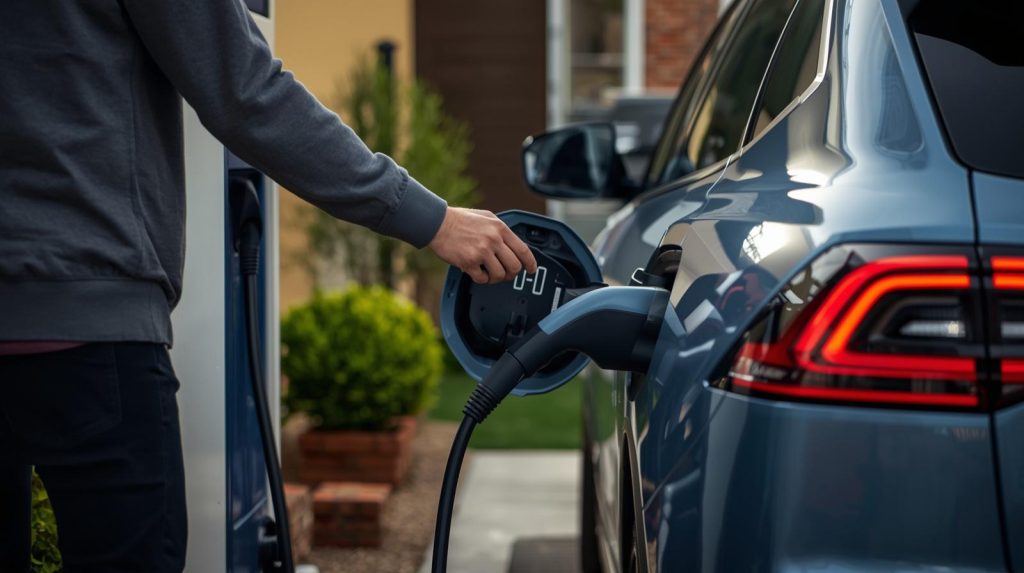
The safest way to charge your EV is to:
- Keep the battery between 20% and 80%
- Avoid frequent fast charging
- Charge in moderate temperatures
- Use certified chargers
In simple terms: Charge smart, not just often.
Why Charging Habits Matter More Than You Think
Your EV battery is the most expensive part of your car. Over time, it naturally degrades—but poor charging habits can speed up this process.
Bad habits can lead to:
- Reduced driving range
- Slower charging
- Shorter battery lifespan
The good news? Most mistakes are easy to fix.
Mistake 1: Charging to 100% Every Day
This is one of the biggest EV charging mistakes.
Why It’s a Problem
Charging to 100% puts the battery under:
- Higher voltage stress
- Increased heat
- Faster chemical aging
What Happens Over Time?
- Battery capacity drops faster
- Range decreases
What You Should Do Instead
Charge to 80% for daily use
Use 100% only for long trips
Mistake 2: Letting Your Battery Drop to 0% Frequently
Some drivers wait until the battery is almost empty before charging.
Why This Is Harmful
- Deep discharge stresses the battery
- Can reduce battery health over time
Better Practice
Keep your battery above 20% whenever possible
Mistake 3: Ignoring the 80/20 Charging Rule
The 80/20 rule is simple:
- Charge up to 80%
- Avoid dropping below 20%
Why It Works
- Reduces stress on battery cells
- Maintains stable performance
Ignoring this rule is a major reason why EV batteries degrade faster.
Mistake 4: Overusing Fast Charging Stations
Fast chargers are convenient—but overusing them can be harmful.
Why Fast Charging Can Be Risky
- Generates more heat
- Puts stress on battery cells
What Happens Over Time?
- Faster battery wear
- Reduced efficiency
Smart Tip
Use fast charging only when needed (like road trips)
Use home charging for daily use
Mistake 5: Charging in Extreme Heat or Cold
Temperature plays a big role in battery health.
Charging in Hot Weather
- Increases battery temperature
- Can cause long-term damage
Charging in Cold Weather
- Slows charging speed
- Reduces efficiency
Best Practice
Charge in moderate temperatures
Park in shade or a garage when possible
How These EV Charging Mistakes Affect Battery Degradation
Let’s simplify what happens inside your battery.
Battery Degradation Explained
Your EV battery works through chemical reactions.
When you:
- Overcharge
- Deep discharge
- Expose it to heat
These reactions become less efficient over time.
Result
- Less energy storage
- Shorter driving range
- Reduced battery life
Think of it like a smartphone battery—bad habits wear it out faster.
80% vs 100% Charging: What Actually Matters Most?
This is one of the most debated topics.
Charging to 80%
- Best for daily use
- Protects battery health
- Faster charging
Charging to 100%
- Needed for long trips
- Gives maximum range
The Truth
Charging to 100% occasionally is fine
Doing it daily is not recommended
Smart Charging Habits Used by Experienced EV Owners
Want to maximize your battery life? Follow these expert habits.
1. Charge Regularly, Not Fully
- Top up your battery instead of draining it
2. Use Scheduled Charging
- Charge during cooler hours (night or early morning)
3. Avoid Extreme Battery Levels
- Stay within the 20%–80% range
4. Monitor Battery Health
- Use your EV’s app or dashboard
5. Keep Software Updated
- Updates improve battery management
These habits can significantly extend battery lifespan.
Bonus Mistake: Leaving Your EV Fully Charged for Too Long
Even if you charge it to 100%, leaving it there for days can be harmful.
Why?
- High charge level increases stress
- The battery stays under pressure
Solution
Drive your car soon after charging to 100%
Bonus Mistake: Using Low-Quality Chargers
Not all chargers are safe.
Risks
- Poor voltage control
- Safety issues
- Battery damage
What You Should Do
Always use certified and trusted charging equipment
Final Checklist: How to Charge Your EV the Right Way
Here’s a quick summary you can follow daily:
Keep battery between 20%–80%
Use fast charging only when necessary
Avoid extreme temperatures
Charge regularly, not fully
Use trusted charging stations
Final Thoughts: EV Charging Mistakes That Kill Your Battery
So, what are the EV charging mistakes that kill your battery?
The biggest ones include:
- Charging to 100% too often
- Letting the battery drop too low
- Overusing fast chargers
- Ignoring temperature conditions
The Bottom Line
- EV batteries are strong—but not indestructible
- Small habits make a big difference
- Smart charging = longer battery life
Conclusion
Electric cars are built for the future—but your habits decide how long they last.
By avoiding these common EV charging mistakes, you can:
- Extend your battery life
- Improve performance
- Save money in the long run
Think of your EV battery like your phone—treat it well, and it will serve you for years.
FAQs: EV Charging Mistakes That Kill Your Battery
1. What are the most common EV charging mistakes that kill your battery?
The most common mistakes include charging to 100% daily, letting the battery drop to 0%, overusing fast chargers, and charging in extreme temperatures.
2. Is it bad to charge my EV to 100% every day?
Yes, charging to 100% every day can increase battery stress and lead to faster battery degradation. It’s better to keep your charge around 80% for daily use.
3. What is the 20%–80% rule in EV charging?
The 20%–80% rule means keeping your battery between 20% and 80% to reduce stress and improve long-term battery health.
4. Does fast charging damage an EV battery?
Frequent fast charging can increase heat and stress on the battery, which may reduce its lifespan over time. Occasional use is safe.
5. Is it bad to let my EV battery drop to 0%?
Yes, regularly draining your battery to 0% can harm battery health and should be avoided whenever possible.
6. Does temperature affect EV battery charging?
Yes, extreme heat and cold can affect battery performance and charging efficiency. It’s best to charge in moderate temperatures.
7. How can I extend my EV battery life?
You can extend battery life by:
- Following the 20%–80% rule
- Avoiding frequent fast charging
- Charging in normal temperatures
- Using certified charging equipment
8. Is it safe to leave my EV plugged in overnight?
Yes, it is safe. Most EVs have built-in systems that stop charging automatically once the battery is full.