
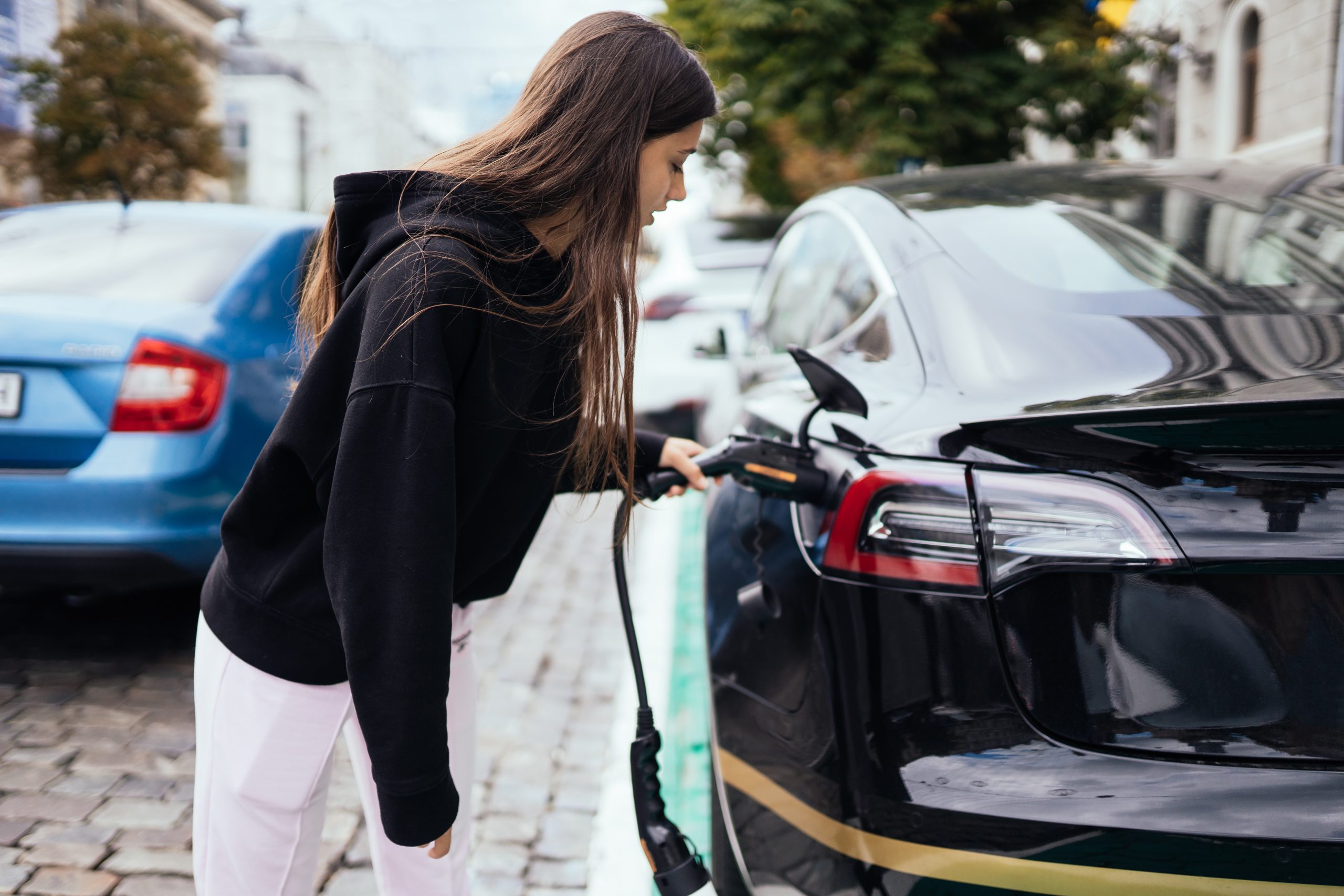
Electric vehicles (EVs) are becoming more popular every day because they are clean, efficient, and save fuel costs. But many people are still confused about one simple question: how does EV charging work? Unlike petrol or diesel cars that refuel at a pump, EVs need electricity stored in their batteries to run. This electricity comes from charging stations or even a simple home socket.
In this blog, we will explain in easy words how EV charging works, what types of chargers are available, how much it costs, and the situation of EV charging in Pakistan.
What is EV Charging?
EV charging is the process of supplying electricity to an electric vehicle’s (EV) battery so it can power the car’s motor. Instead of filling a fuel tank like petrol or diesel cars, EVs store energy in rechargeable batteries. The electricity can come from a home socket, dedicated wall charger, or public charging station. Understanding how to charge an electric car helps drivers choose the right method for convenience and efficiency. Depending on the charger type (Level 1, Level 2, or DC fast charging), the charging speed can range from a few hours to less than an hour.
EV charging is simple, safe, and cost-effective, making it a key factor in the global shift towards clean and sustainable transportation.
How Does EV Charging Work?
EV charging works by transferring electricity from a power source to the car’s battery through a charging cable. The charger converts AC (Alternating Current) from the grid into DC (Direct Current), which is stored in the battery. In simple terms, it’s like charging a mobile phone, but on a larger scale.
There are different levels of EV charging:
- Level 1: Slow charging using a regular home socket.
- Level 2: Faster charging with a wallbox or public station.
- DC Fast Charging: Ultra-fast charging that powers up the battery in under an hour.
This process allows EVs to run smoothly without using petrol or diesel, making them an eco-friendly and cost-saving solution for drivers.
Types of EV Charging Levels
Electric vehicles (EVs) can be charged using three main levels, depending on speed and equipment:
- Level 1 Charging – Uses a regular home socket (120V). Very slow, adds about 5–8 km of range per hour. Best for overnight charging at home.
- Level 2 Charging – Uses a 240V wallbox or public charger. Faster than Level 1, adds 20–40 km of range per hour. Common in homes, offices, and malls.
- DC Fast Charging (Level 3) – Ultra-fast charging using direct current. Can charge 80% of the battery in 30–60 minutes. Ideal for highways and long trips.
Knowing the types of EV charging levels helps EV owners plan trips and manage daily charging efficiently.
Types of EV Chargers and Connectors
Electric vehicles (EVs) use different types of chargers and connectors depending on speed and compatibility:
- AC Chargers – Used for Level 1 and Level 2 charging. Slower but suitable for home and office use.
- DC Fast Chargers – Used for rapid charging on highways and public charging stations. Charges 80% of the battery in under an hour.
- Common Connectors:
- CCS (Combined Charging System) – Popular in Europe and many global EVs.
- CHAdeMO – Used in Nissan Leaf and some Japanese EVs.
- Type 2 – Common in Europe and South Asia.
- CCS (Combined Charging System) – Popular in Europe and many global EVs.
Understanding the types of EV chargers and connectors helps drivers choose the right charging station for their vehicle, ensuring faster and safer charging.
EV Charging at Home vs Public Stations
Electric vehicles (EVs) can be charged either at home or at public charging stations, each with its advantages:
- Home Charging – Convenient and cost-effective. Most EV owners use Level 1 or Level 2 chargers at home, perfect for overnight charging.
- Public Charging – Faster charging options, including DC fast chargers, ideal for long trips or when you need a quick top-up. Found at malls, highways, and charging hubs.
- Smart Charging – Some modern chargers allow scheduling to save on electricity costs during off-peak hours.
Knowing the difference between home and public EV charging helps drivers plan their daily use and long-distance trips efficiently.
Cost of EV Charging
The cost of EV charging depends on where and how you charge your electric vehicle.
- Home Charging – Usually cheaper, as you pay your regular electricity rate. Charging an EV at home can cost 3–5 times less than filling a petrol tank.
- Public Charging – May be more expensive, especially at fast-charging stations. Prices depend on charging speed, location, and electricity rates.
- Factors Affecting Cost – Battery size, charger type, and local electricity rates.
EV charging is generally cheaper and more eco-friendly than traditional fuel, making it a cost-effective option for daily commuting and long trips.
Challenges of EV Charging
Even though EV charging is convenient and eco-friendly, there are some challenges:
- Limited Charging Stations – Especially in developing countries, making long trips difficult.
- Long Charging Times – Slower than refueling petrol or diesel vehicles.
- High Installation Costs – Fast chargers and home wallboxes can be expensive.
- Grid Pressure – If too many EVs charge at the same time, it can strain the electricity network.
Despite these challenges, technology is improving, and EV charging is becoming faster, safer, and more widely available.
EV Charging in Pakistan
In Pakistan, EV charging is still developing. Some public charging stations are already working in Islamabad, Lahore, and Karachi. Companies like MG, Audi, and BYD are also setting up chargers for their customers. However, the number of stations is still very low compared to petrol pumps. The government’s EV policy aims to bring more chargers, reduce import duty, and encourage local production.
Future of EV Charging
The future of EV charging looks very promising with new technology and infrastructure development.
- Ultra-Fast Charging – Batteries could be fully charged in less than 10 minutes.
- Wireless Charging – Cars will charge without cables, just by parking over a charging pad.
- Solar-Powered Charging – Clean energy from solar panels to power EVs.
- Vehicle-to-Grid (V2G) Technology – EVs can send electricity back to the grid, supporting energy supply.
These innovations will make EV charging faster, more convenient, and environmentally friendly, encouraging more people to switch to electric vehicles.
FAQs
Q1. How does EV charging work at home?
It uses a simple household socket or a special home charger to fill the battery overnight.
Q2. How long does it take to charge an EV?
Depends on the charger: Level 1 (8–12 hours), Level 2 (4–6 hours), DC fast charging (30–60 minutes).
Q3. Do EVs need special chargers?
No, they can charge from a normal socket, but special chargers make it faster.
Q4. Is EV charging cheaper than petrol?
Yes, home charging is much cheaper than filling a petrol tank.
Q5. Can I charge an EV with solar panels?
Yes, many people install solar panels to power their EVs at home.
Conclusion
So, how does EV charging work? In simple words, electricity flows from the power source to the car’s battery, where it is stored for driving. Depending on the type of charger, this process can be slow or very fast. Home charging is convenient and cheap, while public charging is essential for long trips.
In Pakistan, EV charging is still at an early stage, but with better infrastructure and government support, the future looks bright. EV charging is not just about filling a battery – it is about creating a clean, affordable, and sustainable transport system for the coming generations.