
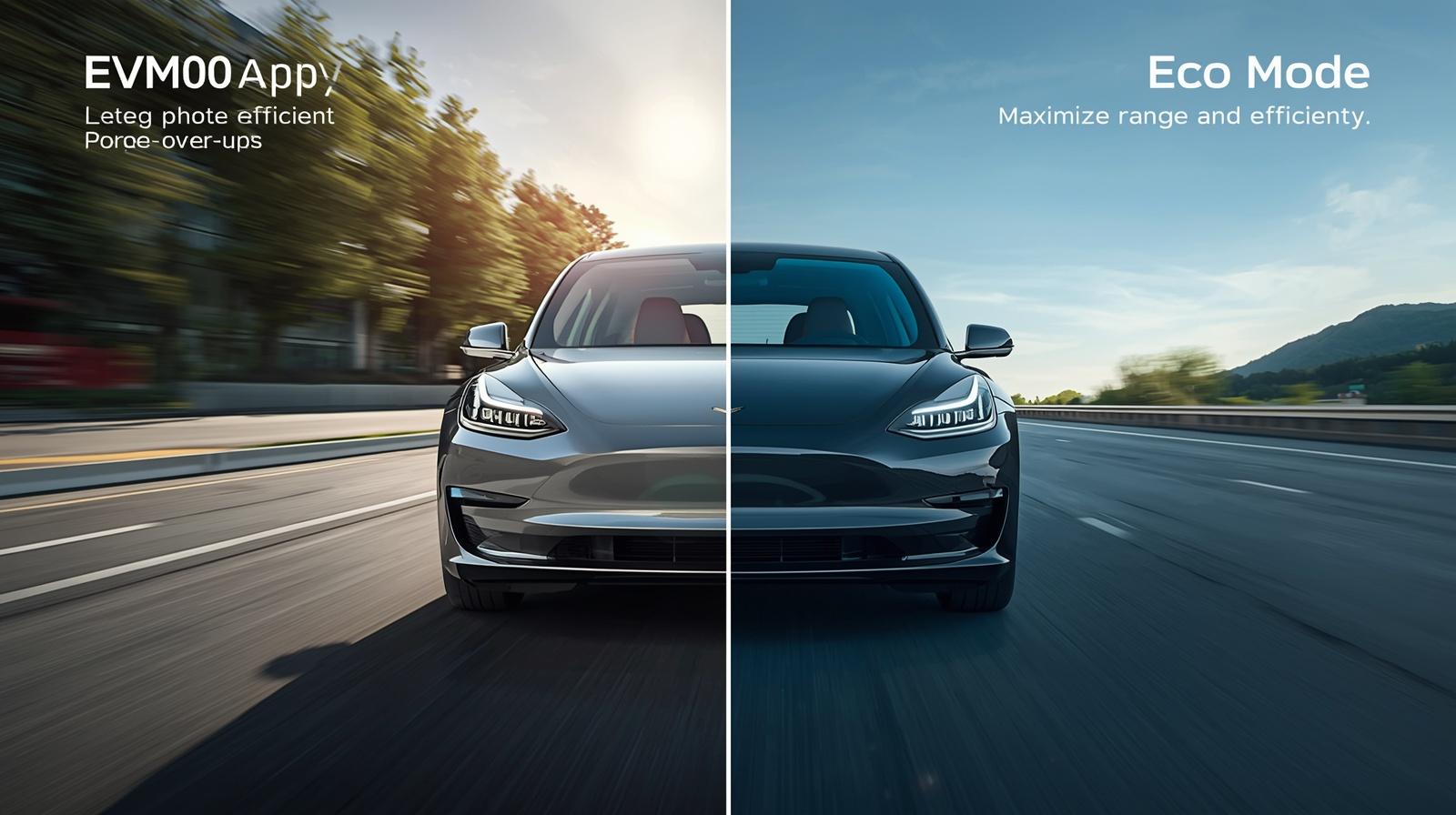
If you drive a hybrid or electric car, you’ve probably seen two common settings: EV mode and Eco mode. But what do they actually do? And more importantly, which one should you use for better efficiency and performance?
In this complete guide on EV mode vs Eco mode, you’ll learn everything in simple terms—what each mode means, how they work, when to use them, and how to get the most out of your car in real-world driving across the U.S.
Let’s break it down step by step
EV Mode vs Eco Mode
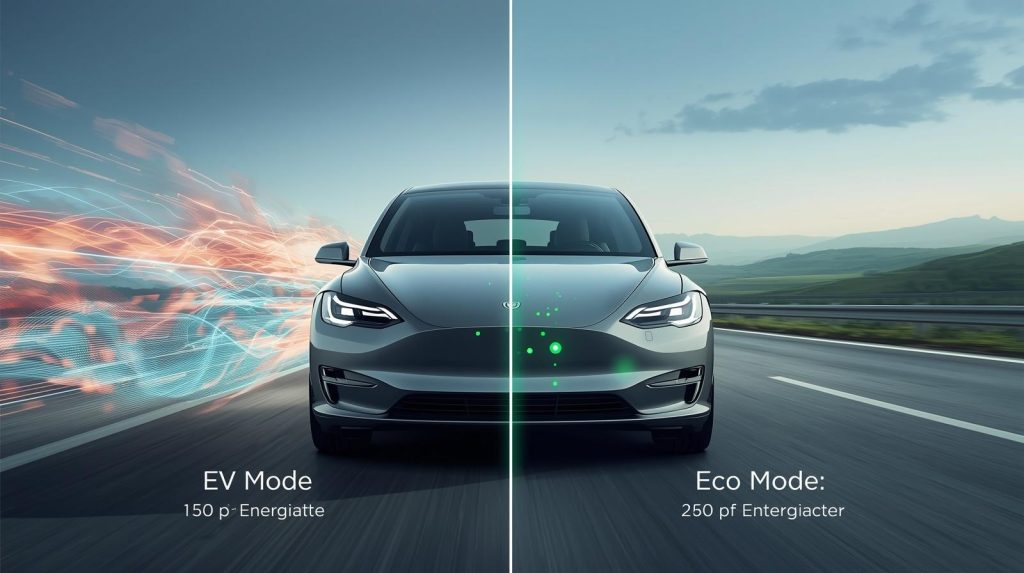
- EV Mode: Runs your car using only electricity (no gasoline). Best for short, slow trips.
- Eco Mode: Optimizes overall efficiency by reducing power usage. Works in both gas and electric driving.
Simple rule:
- Use EV mode for quiet, short-distance driving
- Use Eco mode for everyday fuel and battery savings
What Is EV Mode?
EV mode (Electric Vehicle mode) allows your car to run only on battery power, without using the gasoline engine.
Key Features of EV Mode:
- Zero fuel consumption
- No emissions while driving
- Very quiet operation
- Ideal for low-speed driving
How EV Mode Works
In hybrid vehicles (like the Toyota Prius or plug-in hybrids), EV mode:
- Uses stored battery energy
- Disables the gasoline engine (temporarily)
- Works best at low speeds (usually under 25–30 mph)
Once the battery gets low or you press the accelerator hard, the engine turns back on.
When to Use EV Mode
EV mode is perfect for:
- Driving in neighborhoods
- Parking lots or city traffic
- Short trips (like grocery runs)
- Stop-and-go conditions
In U.S. cities with heavy traffic, EV mode helps reduce fuel use and emissions.
What Is Eco Mode?
Eco mode (Economy mode) helps your car use less energy overall—whether it’s electricity, gasoline, or both.
Key Features of Eco Mode:
- Reduces throttle sensitivity
- Limits power output
- Optimizes air conditioning use
- Improves fuel economy
How Eco Mode Works
Eco mode adjusts multiple systems in your car:
- Slows down the acceleration response
- Uses energy more efficiently
- Balances power between the engine and battery
It doesn’t turn off the engine—it simply makes everything more efficient.
When to Use Eco Mode
Eco mode is best for:
- Daily commuting
- Highway driving
- Long-distance trips
- Saving fuel and battery together
It’s the default mode for smart, efficient driving.
EV Mode vs Eco Mode: Key Differences
Let’s compare them side by side:
| Feature | EV Mode | Eco Mode |
|---|---|---|
| Power Source | Battery only | Battery + gasoline |
| Fuel Usage | None | Reduced |
| Speed Limit | Low speed | No strict limit |
| Best For | Short trips | Everyday driving |
| Efficiency Focus | Zero emissions | Maximum efficiency |
| Engine Usage | Off (temporarily) | On when needed |
Bottom line:
EV mode is about pure electric driving, while Eco mode is about overall efficiency.
EV Mode vs Eco Mode: Which One Saves More Energy?
This depends on how and where you drive.
EV Mode Saves More When:
- You drive short distances
- You stay at low speeds
- Battery is fully charged
Eco Mode Saves More When:
- You drive long distances
- You use highways
- You want balanced performance
For most U.S. drivers, Eco mode saves more energy overall.
EV Mode vs Eco Mode in Real-Life Driving
Let’s look at real-world scenarios:
City Driving
- EV Mode: Great for short trips and traffic
- Eco Mode: Better for longer city commutes
Winner: Both (depends on trip length)
Highway Driving
- EV Mode: Not effective
- Eco Mode: Improves fuel efficiency
Winner: Eco Mode
Parking & Short Stops
- EV Mode: Perfect
- Eco Mode: Not necessary
Winner: EV Mode
Common Mistakes When Using EV Mode and Eco Mode
Avoid these common errors:
Using EV Mode at High Speed
This drains the battery quickly and may switch to gas anyway.
Ignoring Eco Mode on Long Trips
You miss out on major efficiency gains.
Overusing Climate Control
Even in Eco mode, heavy AC or heating reduces efficiency.
Pro Tips to Maximize Efficiency with EV Mode vs Eco Mode
Want to get the best results? Follow these tips:
1. Keep Your Battery Charged
EV mode works best with a full battery.
2. Use EV Mode for Short Trips Only
Avoid draining the battery too quickly.
3. Switch to Eco Mode for Longer Drives
This ensures balanced energy use.
4. Plan Your Driving
Combine errands to maximize EV mode benefits.
5. Drive Smoothly
Works well in both modes.
6. Limit Heating and AC
Reduces energy consumption.
7. Maintain Tire Pressure
Improves efficiency in Eco mode.
8. Learn Your Car’s System
Each EV or hybrid behaves slightly differently.
9. Don’t Let Battery Drop Too Low
This limits EV mode usage.
10. Use Regenerative Braking
Helps recharge the battery while driving.
Why EV Mode vs Eco Mode Matters for U.S. Drivers
In the United States, driving conditions vary a lot:
- Long highways
- Busy cities
- Different weather conditions
That’s why understanding EV mode vs Eco mode helps you:
- Save money on fuel
- Extend battery life
- Reduce emissions
- Improve driving efficiency
Final Verdict: EV Mode vs Eco Mode
So, which one is better?
There is no single winner—it depends on your driving needs.
- Use EV mode for short, quiet, and emission-free drives
- Use Eco mode for daily driving and long trips
Best Strategy:
Switch between both modes based on your situation.
FAQs
1. What is the main difference between EV mode and Eco mode?
EV mode uses only battery power, while Eco mode improves overall efficiency.
2. Does Eco mode save more fuel than EV mode?
Yes, especially during long drives and highway travel.
3. Can I use EV mode all the time?
No, it works best for short distances and low speeds.
4. Is Eco mode good for highway driving?
Yes, it helps maintain efficiency and reduce fuel use.
5. Which mode is better for beginners?
Eco mode is easier and more practical for everyday use.
Conclusion
Understanding EV mode vs Eco mode can completely change how you drive your car.
By using the right mode at the right time, you can:
- Drive smarter
- Save energy
- Reduce costs
- Enjoy a smoother driving experience
Start using these modes wisely today—and get the most out of every mile!