
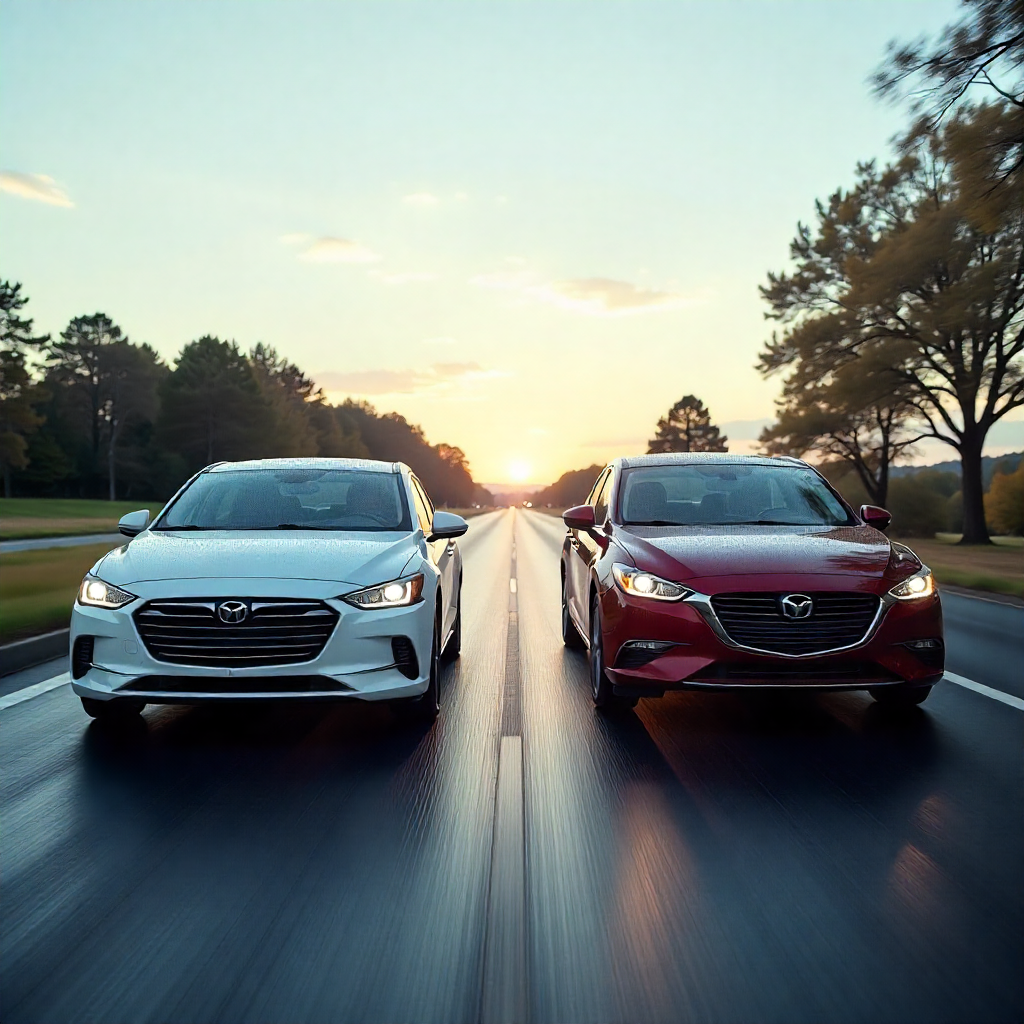
Choosing between an electric vehicle (EV) and a gasoline-powered car is one of the biggest decisions modern buyers face. With fuel costs rising, environmental concerns growing, and technological advancements accelerating, the question “EV vs gas car: Which one should you buy?” has become more relevant than ever. Unlike a few years ago—when EVs were considered niche and gasoline cars dominated—today’s automotive market offers strong options in both segments.
This comprehensive guide breaks down the key differences, advantages, disadvantages, and long-term considerations to help you decide EV vs gas car: Which One Should You Buy? We’ll explore cost, performance, maintenance, charging, fueling, range, convenience, resale value, safety, and environmental impact to give you the complete picture.
Introduction: Why the EV vs Gas Car Debate Matters Today

In 2025, car buyers face a new automotive reality. Governments are encouraging cleaner transportation, automakers are shifting production toward electric vehicles, and consumers are more conscious about fuel expenses and sustainability. However, gasoline cars remain widely available, familiar, and convenient.
That brings us to the central question: EV vs gas car: Which One Should You Buy?
The answer depends on your lifestyle, budget, driving habits, and long-term goals. This article helps you understand every factor so you make the smartest decision for your needs.
What Makes Electric Vehicles Different?
Electric vehicles are powered by:
- Electric motors
- Rechargeable lithium-ion batteries
- Regenerative braking systems
They have no engine, no exhaust pipe, no fuel tank, no transmission, and significantly fewer moving parts than gas vehicles. EVs run quietly, accelerate fast, and require minimal maintenance.
If you want a cleaner, more modern driving experience, this becomes a strong reason why many buyers choose EVs.
What Makes Gasoline Cars Different?
Gas-powered cars rely on:
- Internal combustion engines (ICE)
- Gasoline fuel
- Multiple mechanical components such as fuel injectors, spark plugs, and transmissions
Gas cars have been around for more than 100 years, so they’re familiar, convenient to refuel, and supported by extensive service networks. They’re predictable, durable, and satisfy drivers who prioritize long-distance travel without worrying about charging infrastructure.
EV vs Gas Car: Which One Should You Buy? — Cost Breakdown
Upfront Cost
- EVs typically cost more upfront due to battery prices, although EV costs are falling quickly.
- Gas cars are usually cheaper to buy initially.
However, upfront cost alone does not determine affordability.
Fuel or Charging Cost
When comparing EV vs gas car: Which One Should You Buy?, fuel savings play a major role.
- Charging an EV costs 60–80% less than fueling a gas car.
- Home charging is even cheaper, especially with off-peak electricity rates.
- Gasoline prices fluctuate and often increase over time.
Over 5–10 years, EVs save thousands of dollars on energy costs.
Maintenance Costs
EVs win easily here.
- No oil changes
- No spark plugs
- No exhaust systems
- No transmission repairs
Gas cars require frequent maintenance and more expensive repairs as they age.
Incentives and Tax Credits
Many countries offer:
- EV tax credits
- Registration fee discounts
- Toll exemptions
- Free or reduced-cost charging
These benefits don’t apply to gas cars.
Cost Winner: Electric Vehicles
EVs are more cost-efficient long-term, even if their upfront cost is higher.
Performance Comparison: EV vs Gas Car
Acceleration
EVs have instant torque, meaning they accelerate faster from a standstill. Even affordable EVs can beat sports cars in 0–60 mph timings.
Gas cars rely on engine RPM buildup, making them slower in initial response.
Driving Experience
- EVs deliver smooth, silent, vibration-free driving.
- Gas cars deliver sound, torque build-up, and traditional driving feel.
Handling
EVs have better handling due to the battery pack placed in the floor, lowering the center of gravity. Gas cars vary widely, but many cannot match EV stability.
EV vs Gas Car: Range & Convenience
Driving Range
- Gas cars generally offer 500–700 miles per tank.
- EVs offer 250–500 miles per full charge, depending on model.
Refueling vs Charging Time
- Gas cars refuel in 3 minutes.
- EVs take:
- 8–12 hours at home (Level 2)
- 20–35 minutes for fast charging (DC fast chargers)
Charging Accessibility
Home charging is convenient if you have a garage, driveway, or dedicated parking.
Apartment dwellers may find charging less convenient.
Convenience Winner: Gas Cars (for now)
But EV charging is rapidly improving.
Maintenance and Reliability
EV Maintenance
EVs require significantly less maintenance:
- Battery checks
- Tire rotation
- Brake pad replacement (less frequent due to regen braking)
No engine components = fewer mechanical failures.
Gas Car Maintenance
Gas cars need:
- Oil changes
- Air filter changes
- Spark plug replacements
- Transmission service
- Radiator maintenance
- Exhaust repairs
As the vehicle ages, maintenance costs increase.
Environmental Impact: EV vs Gas Car

Tailpipe Emissions
- EVs = zero
- Gas cars = high CO₂, NOₓ, and pollutants
Lifetime Emissions
Even when charged with electricity from fossil fuels, EVs still produce fewer emissions than gas cars.
Noise Pollution
EVs are nearly silent. Gas cars create engine noise.
Environmental Winner: Electric Vehicles
Long-Term Ownership Experience
Battery Longevity
Modern EV batteries last 12–20 years, often outliving the vehicle.
Resale Value
EV value is increasing as demand grows and fuel costs rise.
Gas cars risk losing resale value as more countries adopt EV mandates.
Future-Proof Technology
EVs are advancing quickly with:
- Over-the-air updates
- Autonomous driving features
- Smart charging
- AI navigation
Gas cars cannot improve through software upgrades.
Charging Infrastructure: Is It Enough?
Current State
- Urban areas: Good charging coverage
- Highways: Growing fast
- Rural areas: Still lacking
If you frequently travel long distances through remote regions, a gas car may still be more convenient.
Which Car Suits Your Lifestyle?
Here’s a practical guide to help you decide EV vs gas car: Which One Should You Buy?
Choose an EV if:
- You want to save money on fuel and maintenance
- You have access to home charging
- You drive 50–150 miles daily
- You care about the environment
- You prefer modern technology
- You plan to keep the car for many years
- You want a quiet, smooth ride
Choose a Gas Car if:
- You frequently drive long distances in rural areas
- You do not have access to home charging
- You prefer traditional driving sound and feel
- You value cheaper upfront purchase cost
- You live in a region with limited charging infrastructure
EV vs Gas Car: Which One Should You Buy? Final Verdict
After comparing performance, cost, technology, maintenance, environment, and long-term value, the answer becomes clear:
For most buyers, the better choice is an Electric Vehicle.
EVs offer:
- Lower long-term costs
- Better performance
- More advanced technology
- Zero emissions
- Less maintenance
- Future-proof design
Gas cars still have advantages for long-distance travelers or people without charging access, but the gap is closing quickly.
Conclusion
Choosing “EV vs gas car: Which One Should You Buy?” depends entirely on your lifestyle, driving needs, and future expectations. EVs are the smarter choice for most daily drivers who want long-term savings, cleaner transportation, and cutting-edge technology. Gas cars remain suitable for drivers who prioritize long-term highway travel or lack charging facilities.
As the world transitions toward cleaner energy and smarter mobility, electric cars are becoming the preferred choice—not just for environmental reasons but also for financial and performance benefits.
In the end, the decision comes down to what matters most to you. But the evidence strongly suggests that electric vehicles are the future, and buying one today puts you ahead of the curve.
FAQs for “EV vs gas car: Which One Should You Buy?”
1. EV vs gas car: Which one should you buy?
You should buy an EV if you want lower long-term costs, cleaner driving, and advanced technology. Choose a gas car if you drive long distances in areas with limited charging.
2. Are electric cars cheaper to maintain than gas cars?
Yes. EVs require less maintenance because they have no oil changes, spark plugs, or exhaust system repairs, making them much cheaper to maintain over time.
3. Are gas cars still better for long-distance travel?
For now, yes. Gas cars offer quicker refueling and more fuel stations, making them ideal for long highway trips in remote areas.
4. Do electric cars have enough range for daily use?
Absolutely. Most EVs offer 250–500 miles of range, which is more than enough for typical daily driving needs.
5. Is home charging convenient?
Yes. Home charging is one of the biggest advantages of EV ownership. You can plug in overnight and start each day with a full battery.
6. How long do EV batteries last?
Modern EV batteries last 12–20 years, often outlasting the vehicle itself. Manufacturers typically provide long warranties for battery health.
7. Are EVs better for the environment than gas cars?
Yes. EVs produce zero tailpipe emissions, significantly reduce pollution, and have lower lifetime carbon footprints than gasoline vehicles.
8. Which is cheaper: charging an EV or filling a gas tank?
Charging an EV costs 60–80% less than fueling a gas car, especially with home charging or off-peak electricity rates.
9. Do electric cars offer better performance?
Yes. EVs deliver instant torque, faster acceleration, smoother driving, and better handling due to their low center of gravity.