

Understanding Fuel Cell Electric Vehicle (FCEV)
The automotive industry is undergoing a massive transformation as the world shifts toward sustainable energy. Among the various electric vehicle (EV) technologies, the Fuel Cell Electric Vehicle (FCEV) stands out as one of the most innovative and eco-friendly solutions. But what exactly is a Fuel Cell Electric Vehicle, and how does it differ from conventional electric or gasoline-powered cars?
A Fuel Cell Electric Vehicle (FCEV) uses hydrogen gas to generate electricity through a chemical reaction inside a fuel cell. Unlike battery electric vehicles (BEVs) that store electricity in large lithium-ion batteries, FCEVs create their own power onboard. This means no lengthy charging times—just a quick hydrogen refill, similar to refueling a gas car.
In this article, we’ll dive deep into how FCEVs work, their benefits, limitations, and the role they play in shaping a cleaner, more sustainable transportation future.
How Does a Fuel Cell Electric Vehicle (FCEV) Work?
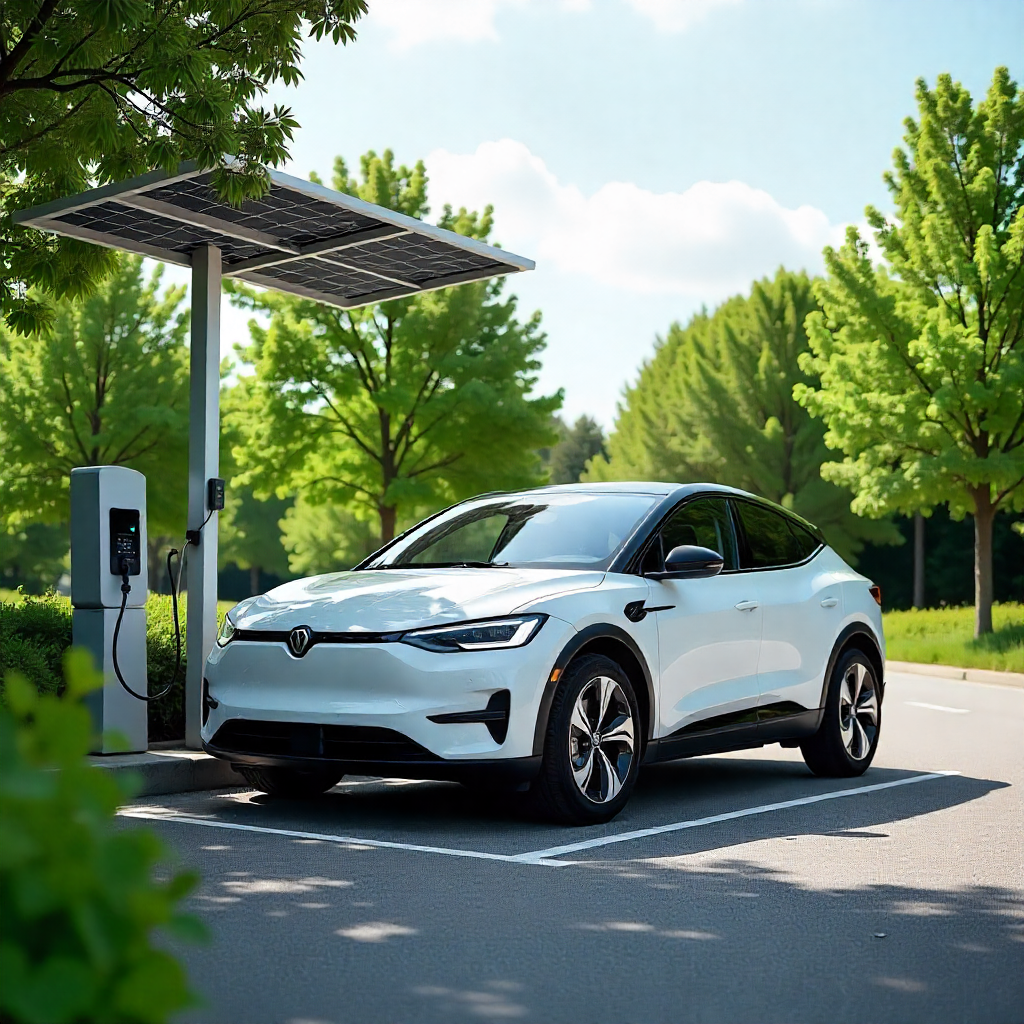
To understand the Fuel Cell Electric Vehicle (FCEV) concept, let’s explore how its powertrain operates.
FCEVs use a hydrogen fuel cell stack that combines hydrogen from the vehicle’s tank with oxygen from the air. This reaction generates electricity, water vapor, and heat. The electricity produced powers an electric motor that drives the wheels.
Here’s a simplified breakdown of the process:
- Hydrogen Storage: The vehicle stores compressed hydrogen gas in high-pressure tanks.
- Fuel Cell Stack: Hydrogen enters the fuel cell and splits into protons and electrons.
- Power Generation: Electrons flow through an external circuit, creating an electric current that powers the motor.
- Water Byproduct: The protons combine with oxygen to produce water vapor, which exits through the tailpipe.
This process makes Fuel Cell Electric Vehicles (FCEVs) emission-free at the point of use, as their only byproduct is clean water.
Key Components of a Fuel Cell Electric Vehicle (FCEV)
Hydrogen Fuel Cell Stack
The heart of the Fuel Cell Electric Vehicle (FCEV), the fuel cell stack, generates electricity through the electrochemical reaction of hydrogen and oxygen.
Electric Motor
The motor converts electrical energy into mechanical power to drive the vehicle, delivering smooth and quiet acceleration.
Battery Buffer
Even though FCEVs don’t rely solely on batteries, they include a small lithium-ion battery that stores excess energy from braking (regenerative braking).
Hydrogen Storage Tank
Hydrogen is stored in carbon-fiber-reinforced tanks capable of handling extremely high pressure, ensuring safety and efficiency.
Power Control Unit
This unit manages the flow of electricity between the fuel cell, battery, and motor for optimal performance and efficiency.
Advantages of Fuel Cell Electric Vehicles (FCEVs)
The Fuel Cell Electric Vehicle (FCEV) offers several compelling advantages that make it a strong contender in the clean energy landscape.
1. Zero Emissions
FCEVs emit only water vapor—no carbon dioxide or pollutants—making them one of the cleanest forms of transportation.
2. Fast Refueling
Unlike battery electric vehicles, which may take hours to charge, FCEVs can be refueled in 3 to 5 minutes, similar to a gasoline car.
3. Longer Range
Most modern Fuel Cell Electric Vehicles (FCEVs) offer a driving range between 300 to 400 miles per fill, competing closely with conventional cars.
4. Silent and Smooth Operation
The electric drivetrain delivers a quiet, vibration-free ride, enhancing comfort and driving experience.
5. Renewable Energy Compatibility
Hydrogen can be produced from renewable resources like solar or wind power, enabling truly sustainable vehicle operation.
Challenges Facing Fuel Cell Electric Vehicle (FCEV) Adoption
Despite its benefits, the Fuel Cell Electric Vehicle (FCEV) faces several challenges that currently limit widespread adoption.
Hydrogen Infrastructure
Hydrogen fueling stations are scarce, especially outside major metropolitan areas like California and parts of Europe or Japan.
Production Costs
Producing hydrogen, particularly green hydrogen from renewable sources, remains expensive compared to fossil fuels.
Vehicle Cost
FCEVs require advanced materials like platinum catalysts and carbon-fiber tanks, increasing manufacturing costs.
Energy Efficiency
The process of creating, transporting, and converting hydrogen into electricity involves energy losses, making FCEVs slightly less efficient than battery EVs.
Limited Model Availability
Currently, only a few automakers—like Toyota (Mirai), Hyundai (NEXO), and Honda (Clarity)—produce FCEVs in limited quantities.
Fuel Cell Electric Vehicle (FCEV) vs. Battery Electric Vehicle (BEV)

To understand where FCEVs stand in the EV market, it’s important to compare them with Battery Electric Vehicles (BEVs).
| Feature | Fuel Cell Electric Vehicle (FCEV) | Battery Electric Vehicle (BEV) |
|---|---|---|
| Energy Source | Hydrogen gas | Stored electricity |
| Refueling Time | 3–5 minutes | 30 minutes to several hours |
| Range | 300–400 miles | 200–350 miles |
| Emissions | Water vapor only | Zero emissions |
| Infrastructure | Limited hydrogen stations | Expanding charging network |
| Maintenance | Low | Low |
| Upfront Cost | Higher | Moderate to high |
While BEVs are more common today, FCEVs offer distinct advantages in range and refueling convenience, especially for commercial fleets and long-distance drivers.
The Role of Fuel Cell Electric Vehicle (FCEV) in Sustainable Transportation
As governments and automakers push toward net-zero emissions, Fuel Cell Electric Vehicles (FCEVs) are becoming vital to the clean transportation ecosystem. Hydrogen-powered vehicles are especially suited for:
- Heavy-duty trucks and buses, where long range and quick refueling are essential.
- Fleet operations needing continuous use without downtime for charging.
- Regions with renewable hydrogen production infrastructure.
When paired with renewable energy sources, hydrogen-powered transportation can dramatically reduce global CO₂ emissions.
Government Support and Incentives for Fuel Cell Electric Vehicles (FCEVs)
U.S. Federal and State Incentives
In the U.S., several states—especially California—offer tax credits, rebates, and grants for FCEV purchases. Programs like the Clean Vehicle Rebate Project (CVRP) make hydrogen vehicles more affordable.
Global Hydrogen Policies
Countries like Japan, South Korea, and Germany are investing heavily in hydrogen infrastructure and R&D, with ambitious goals for FCEV deployment by 2030.
Corporate Investment
Major automakers and energy companies are collaborating to expand hydrogen production and refueling networks, paving the way for broader adoption.
The Future of Fuel Cell Electric Vehicle (FCEV)
The future of Fuel Cell Electric Vehicles (FCEVs) looks promising as hydrogen technology continues to advance. With improved fuel cells, falling hydrogen costs, and global initiatives for clean energy, FCEVs are expected to play a major role in decarbonizing transportation—especially in heavy-duty and commercial sectors.
As the world transitions toward green hydrogen (produced using renewable electricity), the sustainability and environmental benefits of FCEVs will become even more compelling.
Conclusion: Why Fuel Cell Electric Vehicle (FCEV) Technology Matters
The Fuel Cell Electric Vehicle (FCEV) represents the next frontier in clean transportation. It combines the best of both worlds—electric efficiency and gasoline-like refueling speed—while producing zero harmful emissions. Although infrastructure and cost challenges remain, ongoing innovation and government support continue to push this technology forward.
For drivers and businesses seeking a sustainable alternative with long-range capability and fast refueling, Fuel Cell Electric Vehicles (FCEVs) are a powerful step toward a carbon-neutral future.