

As electric vehicles (EVs) continue to grow in popularity, one of the biggest questions new EV owners ask is: How long do electric car batteries take to charge at home?
The answer depends on several factors—your charger type, the size of your EV’s battery, and even the condition of your home’s electrical system.
How long do electric car batteries take to charge at home? The charging time depends on the battery size, charger type, and power output. Using a standard Level 1 charger (120V), a full charge can take 8 to 20 hours. However, with a Level 2 home charger (240V), most electric cars can fully charge in 4 to 10 hours. Larger battery vehicles may take longer, while smaller EVs charge faster. Installing a Level 2 charger at home significantly reduces charging time and provides a more convenient and efficient EV charging experience.
Explains everything you need to know about home EV charging times so you can make the best choices for convenience, cost, and safety.
What Determines How Long Do Electric Car Batteries Take to Charge at Home?
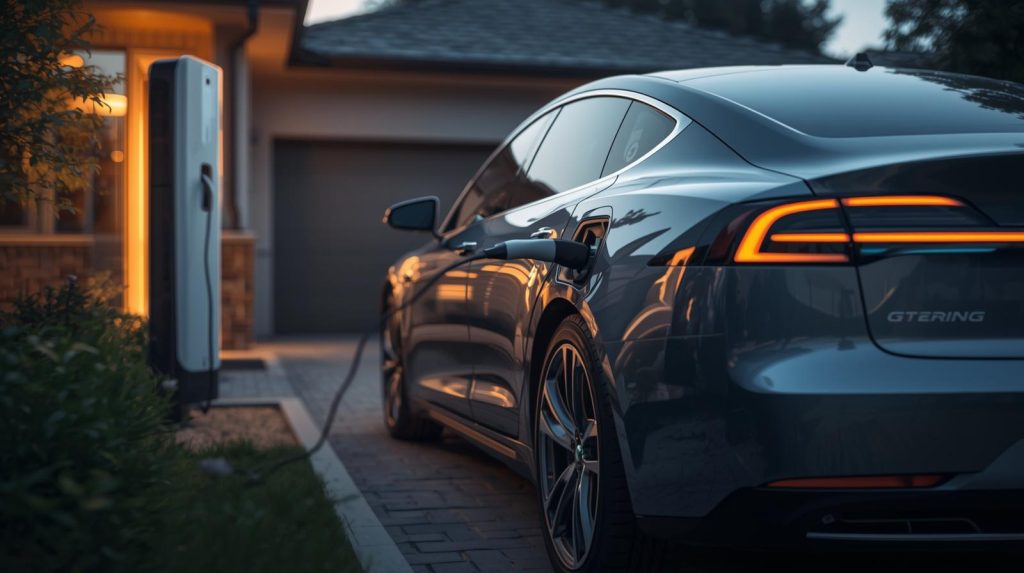
Before looking at specific charging times, it’s important to understand the factors that affect how fast an EV charges.
Here are the key elements:
The Type of Home Charger You Use
This is the biggest factor. Home EV chargers come in two major types:
Level 1 Home Charger
- Uses a standard household outlet (120V)
- Very slow charging
- Best for short daily driving or backup charging
Level 2 Home Charger
- Uses a 240V outlet (like an electric dryer)
- 5–10 times faster than Level 1
- Most recommended for EV owners
We’ll cover exact charging times shortly.
The Size of the EV Battery
Electric car batteries are measured in kilowatt-hours (kWh).
The bigger the battery, the longer it takes to charge.
Examples:
- Nissan Leaf → 40 kWh
- Tesla Model 3 → 60–82 kWh
- Ford F-150 Lightning → 98–131 kWh
Larger batteries take longer to fill, just like larger fuel tanks.
The Current State of the Battery (SOC)
If your EV battery is:
- completely empty → takes longer
- half full → takes less time
So charging time varies daily based on how much battery is left.
Charging Speed of Your Vehicle
Different EVs accept different maximum charging speeds.
Example:
- Some accept 7.2 kW
- Others accept 9.6 kW
- Premium EVs accept 11.5 kW
Your car limits the speed, even if the charger is faster.
Home Electrical Capacity
If your home has:
- older wiring
- low amperage circuit
- shared circuit loads
…your charging speed may reduce.
How Long Do Electric Car Batteries Take to Charge at Home? (By Charger Type)
Here is the simple, clear breakdown.
Level 1 Charging Time (Standard Home Outlet)
• Voltage: 120V
• Charging Speed: 2–5 miles of range per hour
• Best For: Light driving, hybrids, emergency charging
Full Charging Time: 20–50 Hours
Depending on battery size:
| EV Model | Battery Size | Level 1 Charging Time |
|---|---|---|
| Nissan Leaf | 40 kWh | 30–40 hours |
| Tesla Model 3 | 60 kWh | 40–50 hours |
| Ford Mustang Mach-E | 70–91 kWh | 45–65 hours |
Good for drivers who commute a few miles per day
Not suitable for long-range EVs or daily heavy driving
Level 2 Charging Time (Best for Home Use)
• Voltage: 240V
• Charging Speed: 20–40 miles of range per hour
• Best For: All fully electric vehicles
Full Charging Time: 4–10 Hours
Depending on battery size:
| EV Model | Battery Size | Level 2 Charging Time |
|---|---|---|
| Nissan Leaf | 40 kWh | 4–6 hours |
| Tesla Model 3 | 60 kWh | 6–8 hours |
| Hyundai Ioniq 5 | 77.4 kWh | 7–9 hours |
| Ford F-150 Lightning | 98–131 kWh | 10–13 hours |
Ideal for overnight charging
Recommended for most EV owners
Supports faster charging safely
Level 2 chargers make home EV charging convenient and predictable.
How Long Does It Take to Charge From 0 to 100% at Home?
This depends on:
- your charger speed
- your car’s acceptance rate
- how depleted the battery is
Here’s a simple formula:
Charging Time = Battery Size (kWh) ÷ Charging Power (kW)
Example:
A 60 kWh battery and a 7.2 kW charger:
60 ÷ 7.2 = 8.3 hours
Factors That Can Slow Down Home Charging
Even with a Level 2 charger, certain things can slow charging:
● Cold or extremely hot battery temperatures
● Charging on a shared circuit
● Older home wiring
● Low-amperage circuits
● Charging from 80%–100% (slows automatically to protect battery)
Most EVs slow down charging near full capacity to extend battery life.
Real-World Charging Examples
1. Daily-Commuter EV Owner
- Drives 20–30 miles a day
- Uses Level 2 charger
- Charges for 1–1.5 hours nightly
Battery rarely gets below 50%.
2. Weekend Driver
- Drives short trips
- May only need to plug in twice a week
- Level 1 charger might be enough
3. EV Truck Owner
Battery sizes are large (100+ kWh).
Level 2 charger is strongly recommended since Level 1 could take 3 days.
Tips to Reduce Home Charging Time
Install a Level 2 charger
Most dramatic improvement in speed.
Charge during warmer temperatures
Cold weather slows charging.
Use scheduled charging
Charge at off-peak hours for lower cost and less grid load.
Hire a licensed electrician
Ensures your home can safely support high charging speeds.
Is Fast Charging at Home Possible?
Home DC fast charging is rare because:
- DC fast chargers require 480V
- Costs range from $20,000 to $50,000
- Homes typically don’t have the electrical capacity
So Level 2 is the fastest practical home charging option.
Cost of Charging at Home
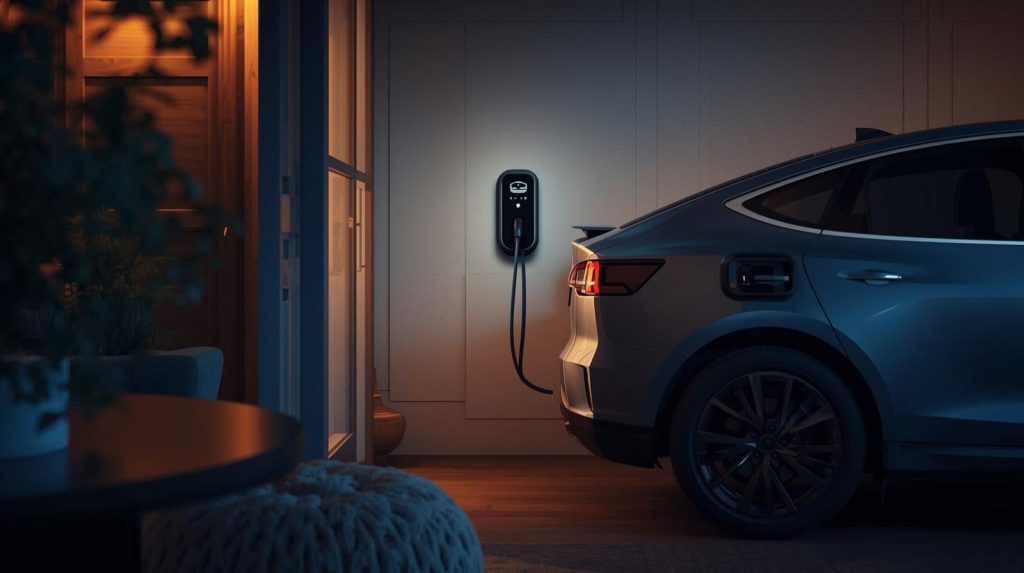
Charging costs depend on your local electricity rate.
On average:
- Cost per kWh: $0.12
- 60 kWh EV battery: about $7.20
- Full range: 230–300 miles
Charging at home is far cheaper than gasoline.
Do Different EV Brands Charge at Different Speeds?
Yes. Here’s a quick comparison:
| Brand | Typical Home Charging Rate |
|---|---|
| Tesla | 7–11.5 kW |
| Ford | 7.6–11 kW |
| Hyundai/Kia | 6.6–10 kW |
| Nissan | 6.6 kW |
Higher kW = faster home charging.
FAQs: How Long Do Electric Car Batteries Take to Charge at Home?
1. How long does it take to charge an electric car battery at home?
Using Level 2 charging, most EVs charge in 4–10 hours.
2. Can you charge an EV overnight?
Yes. Overnight charging is the most convenient and recommended method.
3. Is Level 1 charging enough?
It works for small daily drives, but most EV owners prefer Level 2 for speed.
4. Does cold weather affect charging time?
Yes. EVs take longer to charge in cold conditions.
5. How much does it cost to install a Level 2 home charger?
The average cost is $400–$1,500 for the charger and $300–$1,200 for installation.
Conclusion: How Long Do Electric Car Batteries Take to Charge at Home?
Understanding how long electric car batteries take to charge at home helps you pick the right charging setup and avoid frustration. While Level 1 chargers are very slow, Level 2 chargers make home charging fast, convenient, and reliable—usually completing a full charge in 4–10 hours.
Factors like battery size, charger speed, weather, and home wiring all play a role. For most EV owners, a Level 2 home charger is the best choice for consistent and efficient charging.
With the right setup, charging your EV at home becomes as simple as plugging in your smartphone—quiet, safe, and ready by morning.