
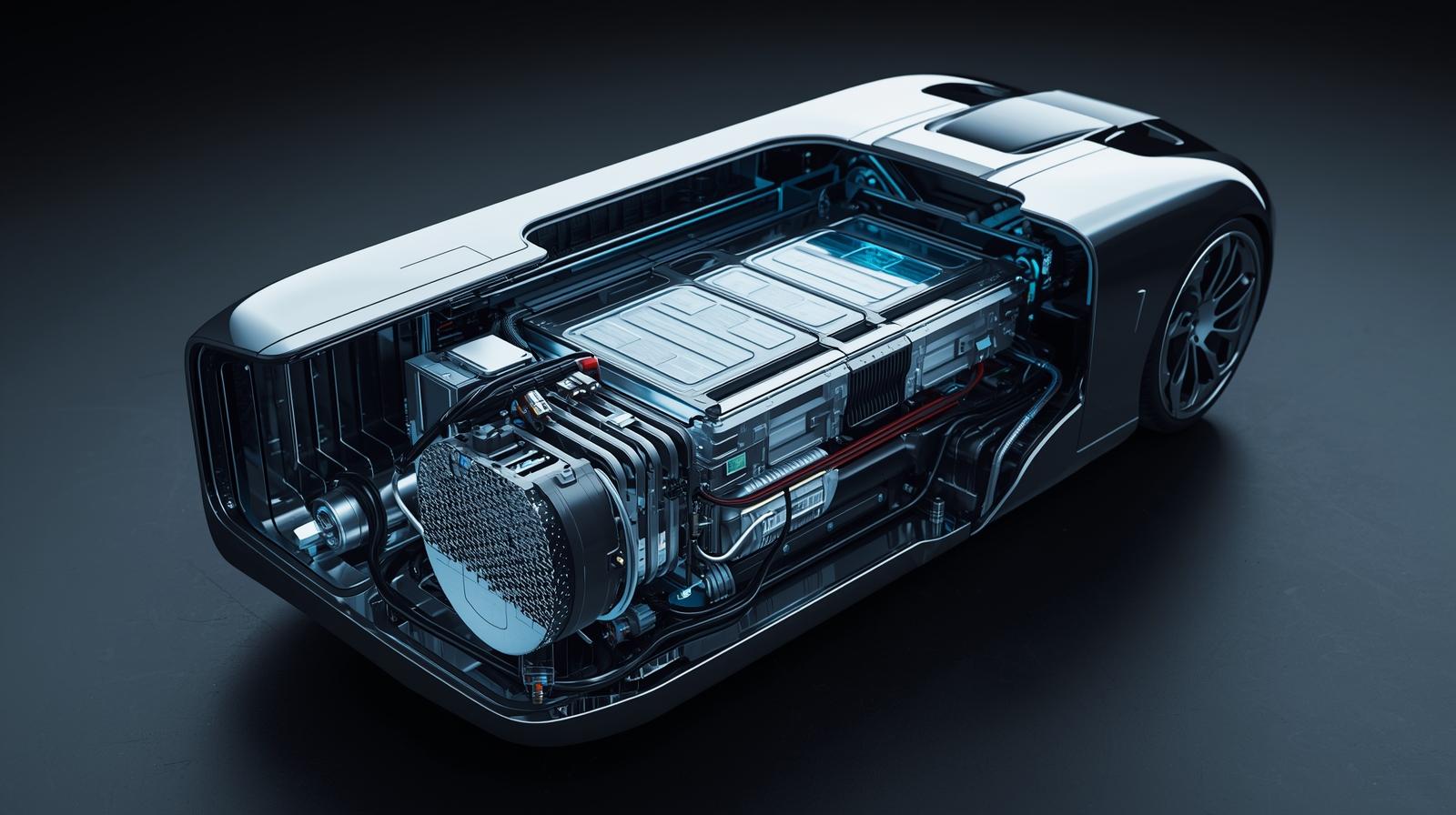
Electric vehicles are becoming mainstream, and one of the most common questions new buyers ask is “How long do EV batteries last?” As EV adoption grows, understanding battery lifespan, degradation, warranties, and long-term performance is essential for making the right decision. EV batteries are the heart of the vehicle, and their durability directly affects reliability, cost of ownership, and resale value.
In this comprehensive, expert-level guide, we break down exactly How long do EV batteries last?, what affects their lifespan, how automakers protect buyers with warranties, and how you can maximize your battery’s life. Whether you already own an EV or are thinking of buying one, this guide gives you everything you need to know.
How Long Do EV Batteries Last? – Complete Expert Breakdown
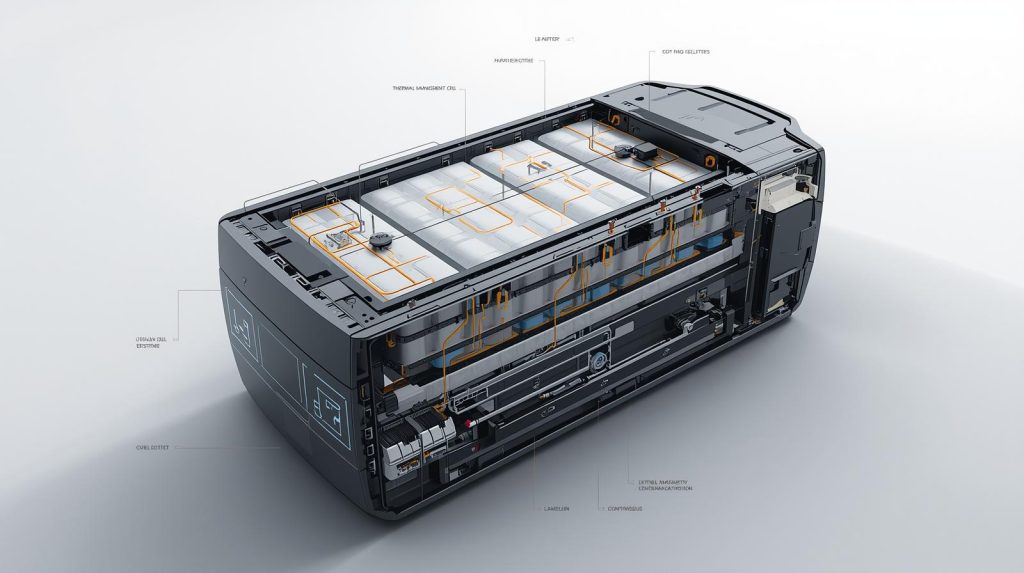
Modern EV batteries are engineered for longevity, durability, and safety. Thanks to advanced battery chemistry, thermal management systems, and improved manufacturing processes, most electric vehicle batteries last 10–20 years before needing replacement. Many drivers may never need to replace the battery at all.
Let’s break the topic down in detail and answer the key question: How long do EV batteries last?
Understanding How Long Do EV Batteries Last?
Before analyzing lifespan numbers, it’s important to understand how EV batteries work. EVs use lithium-ion or lithium iron phosphate (LFP) battery packs—similar to smartphone batteries but far more advanced and carefully engineered for long-term use.
Average Lifespan in Real-World Conditions
- 10–15 years in warm climates
- 15–20 years in colder or moderate climates
- 100,000–300,000 miles of driving before major degradation
Most EV owners trade or upgrade their vehicle long before the battery dies.
Automaker Data Suggests EV Batteries Outlast the Car
Many automakers expect their EV battery packs to last longer than the vehicle itself. Technologies like improved cooling systems, better battery chemistry, and optimized charging protocols have dramatically improved longevity.
What Affects How Long Do EV Batteries Last?
Although EV batteries are built to last, several factors can affect their health and lifespan over time. Understanding these will help you maintain your battery and slow down degradation.
1. Charging Habits and Fast Charging
One of the most important factors influencing How long do EV batteries last? is charging behavior.
Fast Charging Effects
DC fast charging generates more heat, which can slightly accelerate long-term battery wear. This doesn’t mean fast charging is harmful—it simply means:
- Occasional fast charging is fine
- Daily fast charging may increase degradation
Level 2 home charging is the healthiest, most cost-effective charging method for everyday use.
2. Temperature and Climate Conditions
Extreme temperatures—especially heat—can reduce EV battery lifespan.
Hot Climates
- Battery overheats more easily
- Thermal management works harder
- Faster degradation compared to mild climates
Cold Climates
Cold weather reduces range temporarily but does not cause long-term degradation.
3. Depth of Discharge and Driving Habits
Consistently draining the battery from 100% → 0% wears it faster. EV manufacturers recommend:
- Keeping charge between 20%–80% for daily driving
- Avoiding full charge unless needed for long trips
Gentle acceleration and regenerative braking also reduce stress on the battery.
How Do Automaker Warranties Define How Long EV Batteries Last?
One of the biggest indicators of battery life is the warranty provided by manufacturers.
Typical EV Battery Warranty
Most manufacturers offer:
- 8 years / 100,000 miles minimum coverage
- Warranty guarantees battery remains above 70% capacity
Some brands offer even stronger warranties:
- Hyundai & Kia: 10 years / 100,000 miles
- Tesla: Up to 8 years / 150,000 miles
- Ford / GM / Nissan: 8 years / 100,000 miles
These warranties show confidence in battery durability and directly support the question: How long do EV batteries last?
How Does Battery Degradation Work?
Battery degradation is natural and expected—it doesn’t mean the battery is failing. It simply means the capacity decreases slowly over time.
Average Annual Degradation Rates
- 1%–2% per year for most EVs
- Newer models report below 1% per year
At this rate, after 10 years, most EVs still have 80%–90% of their original capacity—more than enough for daily driving.
Real-World Data on How Long EV Batteries Last
Real EV owners report long-lasting performance:
Tesla Data
- Many Teslas maintain 90% capacity after 200,000 miles
- Taxi fleets show 300,000+ miles with acceptable range
Nissan Leaf Data
Earlier Leaf models without liquid cooling experienced faster degradation, but newer versions show much better performance.
GM, Ford, Hyundai, and Kia
All show strong long-term durability across their EV lineups.
Conclusion: Real-world data consistently shows EV batteries last decades, not just years.
Can EV Batteries Be Replaced? How Much Does It Cost?
EV battery replacement is possible, but rarely needed.
Replacement Costs (2025 Estimates)
- $4,000 – $10,000 for compact EVs
- $10,000 – $20,000 for larger EVs
- Prices continue to drop as battery technology improves
Many battery packs can be repaired by replacing only degraded modules, dramatically reducing cost.
How Long Do EV Batteries Last Compared to Gas Engines?
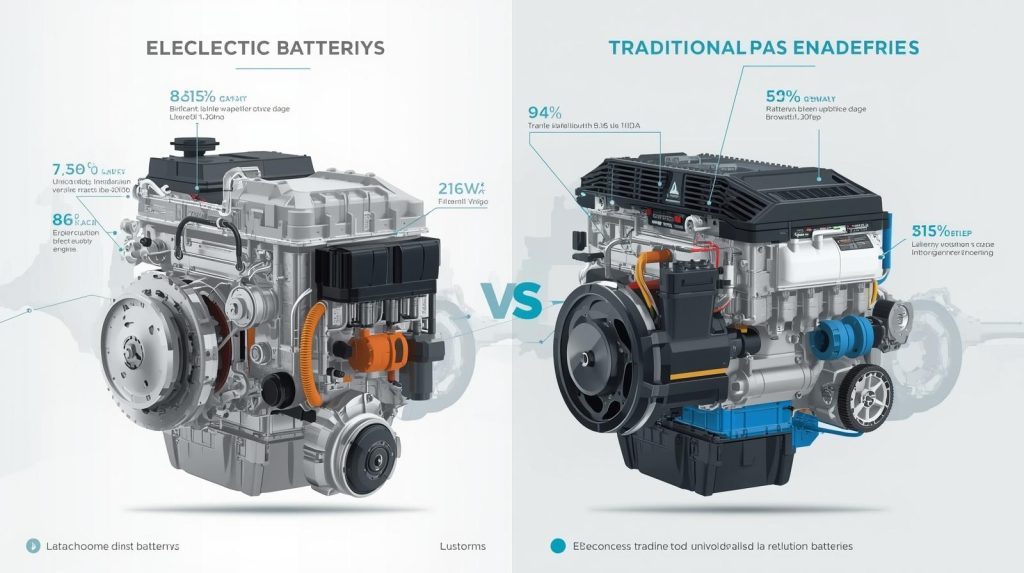
Gas engines require:
- Regular oil changes
- Tune-ups
- Rebuilds or replacements after 150,000+ miles
EV batteries, by contrast:
- Have fewer moving parts
- Require almost no maintenance
- Are engineered for long-term reliability
EVs generally have better long-term durability than traditional vehicles.
How to Maximize EV Battery Lifespan
If you want to extend your EV battery’s lifespan and slow degradation, follow these expert tips.
1. Keep the Battery Between 20%–80%
This is the healthiest charging range for long-term battery stability.
2. Use Level 2 Charging for Daily Use
Reserve fast charging for road trips or emergencies.
3. Avoid Extreme Heat Exposure
Parking in shade or indoor garages helps maintain battery temperature.
4. Don’t Leave the Battery at 0% or 100% for Long Periods
Long-term storage at extreme charge levels accelerates wear.
H5. Use Eco-Mode or Regenerative Braking
This reduces strain on both motor and battery over long distances.
Future of EV Battery Technology and Lifespan
Battery technology is advancing quickly, which will significantly improve how long EV batteries last.
Upcoming Improvements
- Solid-state batteries
- Faster charging with reduced heat
- Improved LFP chemistry
- Longer cycle life
- Better thermal control
These next-generation batteries could last 20–30 years, far beyond today’s standard.
Common Myths About How Long EV Batteries Last
Myth 1: EV batteries only last a few years
Truth: Most last 10–20 years.
Myth 2: Battery replacement is inevitable
Truth: Most drivers never replace the battery.
Myth 3: Fast charging destroys the battery
Truth: Occasional fast charging is safe with modern thermal systems
Conclusion
So, How long do EV batteries last? The simple answer: much longer than most drivers expect. Thanks to advanced chemistry, strong warranties, and improved engineering, today’s EV batteries routinely last over a decade and often two, with degradation slow and manageable. With smart charging habits and proper care, your EV battery will deliver strong performance for many years—and likely remain healthy long after you’re ready to upgrade your vehicle.
Electric vehicles are the future, and long-lasting batteries are a major reason why EV ownership is becoming more appealing and cost-effective than ev
FAQs: How Long Do EV Batteries Last?
1. How long do EV batteries last on average?
Most EV batteries last 10–20 years depending on climate, charging habits, and battery type.
2. How many miles can an EV battery last?
Typically 100,000–300,000 miles, with many real-world EVs surpassing these numbers.
3. Does fast charging damage the battery?
Not exactly—occasional fast charging is safe, but daily fast charging can cause slightly faster degradation over time.
4. How much capacity loss is normal?
Expect 1%–2% degradation per year, meaning the battery remains highly usable for over a decade.
5. Do EV batteries need regular maintenance?
No. EV batteries are sealed systems and require minimal maintenance.
6. How much does it cost to replace an EV battery?
Around $4,000–$10,000 for most models, though costs are dropping rapidly.
7. Can EV batteries be repaired?
Yes—many issues can be fixed by replacing modules instead of the entire pack.
8. Are EV batteries covered under warranty?
Most manufacturers offer 8 years / 100,000 miles of battery warranty.