

Electric vehicles (EVs) are transforming the way we drive, charge, and think about sustainability. While most discussions about EVs revolve around battery range, charging time, and cost, one crucial yet often overlooked component is the EV charging cable.
Whether you’re charging at home or using public stations, understanding your cable’s durability is vital for safety, performance, and long-term savings. So, the big question arises — how long do EV charging cables last?
In this comprehensive guide, we’ll explore the lifespan of EV charging cables, the factors that affect their longevity, how to maintain them, signs of wear, and when to replace them.
What Are EV Charging Cables?
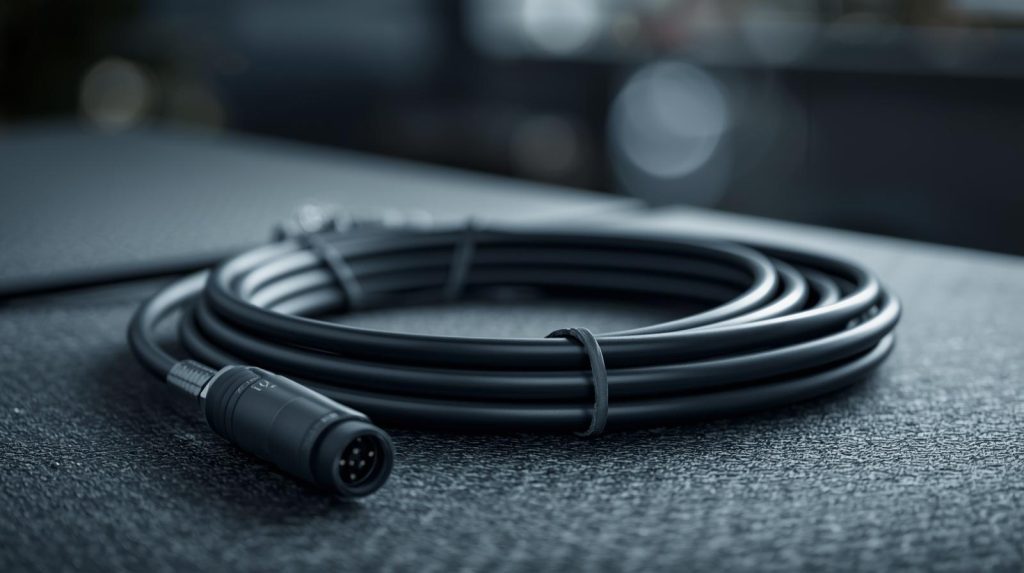
Before we answer how long do EV charging cables last, let’s understand what they actually are.
EV charging cables are high-voltage, insulated cords that connect your electric vehicle to a power source — whether it’s a household outlet, Level 2 home charger, or public charging station.
These cables are designed to handle significant electrical loads safely, while withstanding repeated outdoor exposure, bending, and plugging.
A typical EV charging setup includes:
- Connector Plug: Fits into the EV’s charging port.
- Cable: Carries electric current from the power source to the vehicle.
- Control Box (EVSE): Regulates voltage and ensures safe power transfer.
So, How Long Do EV Charging Cables Last?
On average, EV charging cables last between 5 to 10 years under normal usage conditions.
However, their lifespan can vary based on several factors such as usage frequency, weather conditions, and handling practices. Some high-quality cables — especially from reputable brands — can last even longer if properly maintained.
If you use your charger daily and store it outdoors, you may notice signs of wear within 3–5 years. On the other hand, a carefully handled indoor setup can easily exceed a decade of safe operation.
Factors That Affect How Long EV Charging Cables Last
Several key factors determine how long your EV charging cables last. Understanding these can help you extend their lifespan significantly.
1. Frequency of Use
The more frequently you plug and unplug your EV charger, the faster the wear and tear. Daily users tend to see cable fatigue sooner than occasional users.
2. Environment & Storage Conditions
Cables stored outdoors face sunlight, rain, snow, and temperature extremes, which can degrade insulation over time. Indoor or garage setups last much longer.
3. Cable Quality
Premium cables made from thick, UV-resistant materials and equipped with reinforced connectors last longer than low-cost alternatives.
4. Charging Speed
High-amperage charging (especially Level 2 and DC fast charging) generates more heat, which can shorten the cable’s lifespan if not properly managed.
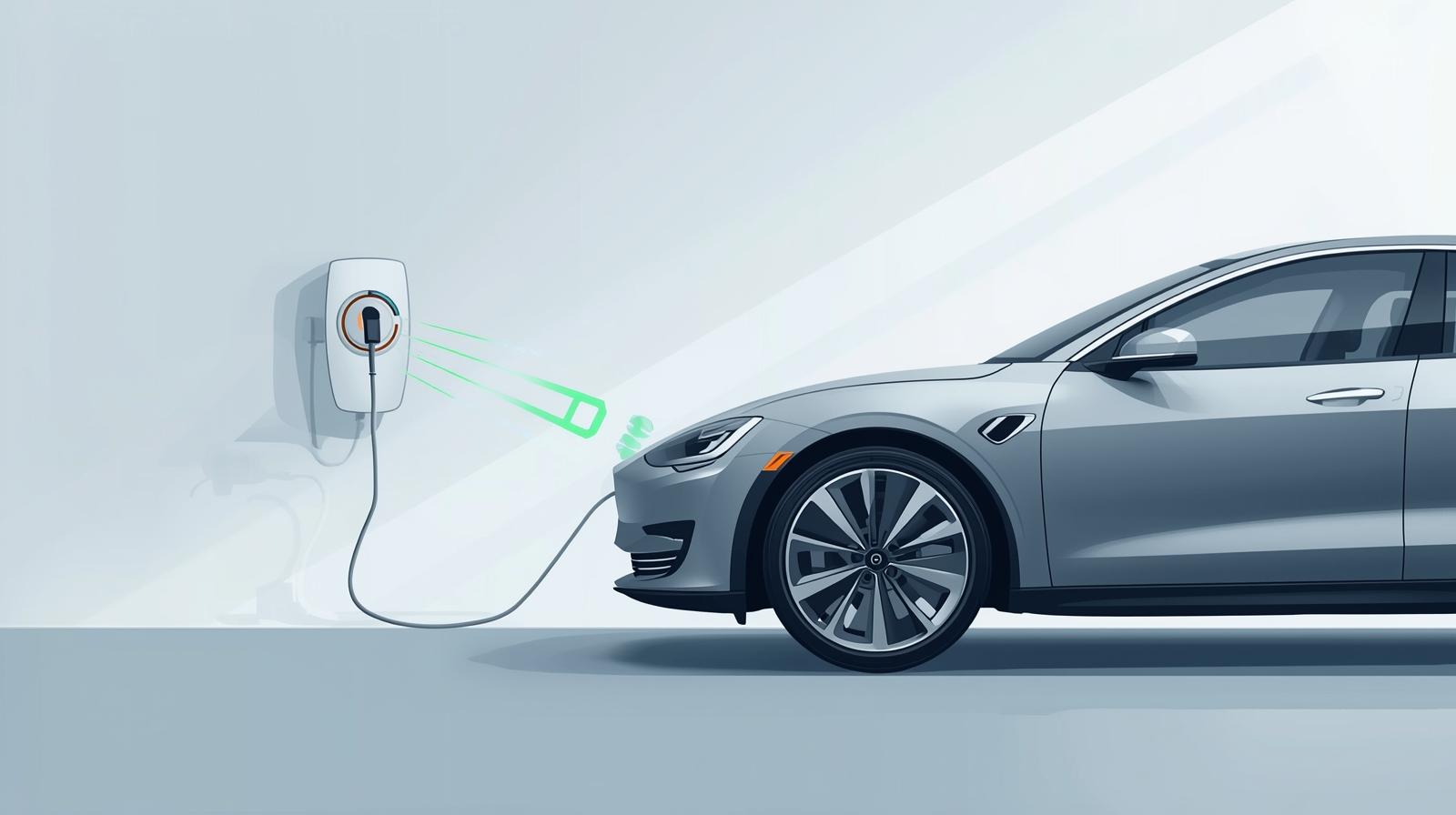
5. Handling & Maintenance
Dragging cables across sharp surfaces, bending them sharply, or improperly coiling them can damage the internal wiring.
6. Connector Durability
Connectors endure repeated insertions and removals. High-quality plugs with sturdy housings and corrosion resistance will last much longer.
Average Lifespan by Cable Type
Different charging levels have different stress and wear patterns, influencing how long EV charging cables last.
| Charging Type | Voltage | Typical Usage | Average Lifespan |
|---|---|---|---|
| Level 1 (120V) | Home outlet | Light, slow charging | 8–10 years |
| Level 2 (240V) | Home or public | Moderate daily use | 5–8 years |
| DC Fast Charging | Commercial stations | Heavy, high heat | 3–5 years |
So, while Level 1 cables can last nearly a decade, Level 2 and DC fast charging cables endure more stress and typically wear out faster.
How to Extend the Lifespan of EV Charging Cables
If you’re wondering how long EV charging cables last, it’s equally important to know how to make them last longer.
Here are some expert tips:
1. Avoid Extreme Weather Exposure
Store cables in a dry, shaded area when not in use. If your setup is outdoors, invest in a weatherproof enclosure.
2. Don’t Overbend or Twist
Repeated bending can damage the internal copper wiring. Always coil your cable in large, gentle loops.
3. Keep It Clean
Dust, oil, and grime can cause connector corrosion. Wipe down your cable and plug regularly with a dry microfiber cloth.
4. Use Dedicated Outlets
Avoid plugging into shared circuits that might cause voltage fluctuations or overheating.
5. Check for Damage
Inspect your cable monthly for cracks, exposed wires, or fraying insulation.
6. Avoid Extension Cords
Use only the manufacturer’s charging equipment to prevent electrical overloads.
7. Unplug Properly
Always grasp the plug head, not the cable, when disconnecting your EV. Pulling by the wire can weaken internal connections.
Signs Your EV Charging Cable Needs Replacement
Even the best cables eventually wear out. Knowing when to replace them ensures safety and prevents costly EV charger damage.
Watch for these warning signs:
- Visible Cracks or Cuts: Any visible damage on insulation is a safety hazard.
- Overheating: If the cable feels unusually warm, the internal wiring might be degrading.
- Intermittent Charging: If charging stops and starts randomly, the cable might have loose connections.
- Corrosion on Connectors: Rust or green residue around pins indicates moisture exposure.
- Fraying or Exposed Wires: Immediate replacement is necessary to prevent electrical shock.
- Burn Marks or Odor: A sign of overheating or short circuits.
If you notice any of these issues, stop using the cable immediately and contact a professional or your EV manufacturer for inspection or replacement.
Are EV Charging Cables Repairable?
Technically, yes — but only in limited cases and by certified professionals.
Simple issues like connector pin corrosion may be repairable. However, if the insulation or internal wires are damaged, replacement is safer and often more cost-effective.
Attempting DIY repairs on high-voltage cables can lead to serious safety hazards, void warranties, and even damage your EV.
Always consult your manufacturer or a qualified electrician for proper guidance.
Cost of Replacing EV Charging Cables
The cost depends on the cable type, length, and brand.
| Cable Type | Approximate Cost |
|---|---|
| Level 1 | $100 – $250 |
| Level 2 | $200 – $500 |
| DC Fast Charging | $500 – $1,500 |
Some EV manufacturers offer replacement cables under warranty, while aftermarket options are widely available online.
For home setups, it’s often worth investing in a higher-quality replacement to ensure durability and safety.
How Long Do Public EV Charging Cables Last?
Public charging cables experience much more wear and tear than home units.
They’re used by multiple drivers daily, exposed to weather, and frequently mishandled. As a result, most public EV charging cables last around 3–5 years before requiring replacement or maintenance.
Charging network operators conduct regular inspections to ensure safety and reliability.
Does Charging Speed Affect Cable Longevity?
Yes. Faster charging means higher current, which generates more heat.
While EV charging cables are designed to handle this safely, constant high-amperage use can accelerate insulation breakdown and connector fatigue over time.
For example:
- Level 1 (slow, low heat) = minimal wear
- Level 2 (moderate heat) = moderate wear
- DC Fast Charging (high heat) = faster wear
That’s why Level 2 charging offers the best balance between speed and longevity.
Environmental Factors Impacting Cable Lifespan
Environmental exposure plays a major role in how long EV charging cables last.
1. Temperature Extremes
- Hot climates can soften insulation and degrade protective coatings.
- Cold weather can make cables stiff and brittle, leading to cracks.
2. UV Exposure
Sunlight can cause fading and micro-cracking in cheaper cable insulation.
3. Moisture
Rain, humidity, and snow accelerate corrosion, especially if connectors aren’t sealed properly.
4. Dirt and Debris
Fine dust and road salt can infiltrate connectors, leading to poor contact and overheating.
Protective covers and storage hooks can significantly reduce these risks.
Best Practices for Maintaining EV Charging Cables
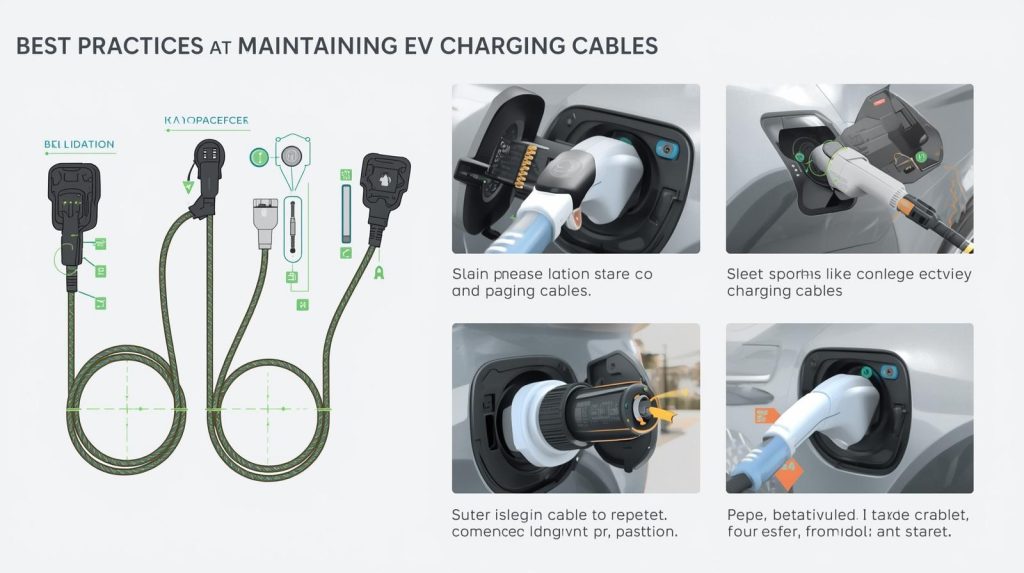
To get the most out of your investment:
- Mount or hang cables properly — avoid ground contact.
- Use protective caps on connectors when not in use.
- Label your chargers if you have multiple EVs to prevent mismatched usage.
- Store indoors during extreme weather conditions.
- Follow manufacturer cleaning instructions — never use solvents or abrasive cleaners.
Routine care ensures your EV cables last for many years while maintaining optimal performance.
How Manufacturers Test Cable Durability
Top manufacturers like Tesla, ChargePoint, and JuiceBox rigorously test their EV charging cables for:
- Tensile strength (pulling resistance)
- Bend lifespan (number of flex cycles before failure)
- Temperature resilience
- Water ingress protection (IP ratings)
High-quality cables usually pass tens of thousands of bending cycles before showing signs of wear.
Look for certifications like UL (Underwriters Laboratories) or CE marking, which indicate compliance with global safety standards.
Sustainability: What Happens to Old EV Charging Cables?
As the EV industry grows, recycling old charging cables becomes increasingly important.
Most EV cables contain copper, aluminum, and recyclable plastics. Specialized facilities can separate and reuse these materials.
Manufacturers are also developing eco-friendly cables with reduced plastic content and longer life spans to support a circular economy.
Future of EV Charging Cable Technology
Future cables will be:
- Thinner and lighter, thanks to advanced insulation materials.
- More heat-resistant to handle ultra-fast charging safely.
- Integrated with smart sensors that detect wear or overheating.
- Wireless-ready, as inductive charging technology matures.
These advancements will make charging faster, safer, and more convenient than ever.
Conclusion
So, how long do EV charging cables last?
Typically 5 to 10 years, depending on how they’re used and maintained.
Proper care — including avoiding extreme temperatures, storing cables properly, and regular inspections — can dramatically extend their life.
By investing in high-quality cables and practicing smart charging habits, you’ll ensure your EV stays powered safely and efficiently for years to come.
Remember: a well-maintained charging cable isn’t just about convenience — it’s about safety, performance, and long-term savings.
FAQs About How Long EV Charging Cables Last
1. Can EV charging cables wear out?
Yes. Like any electrical component, charging cables degrade over time due to heat, use, and environmental exposure.
2. How often should I replace my EV cable?
Inspect annually and replace every 5–10 years or sooner if visible damage appears.
3. Are longer EV cables less durable?
Generally, yes. Longer cables can experience more stress and voltage drop, reducing efficiency and lifespan.
4. Can I repair a damaged EV charging cable?
It’s unsafe to repair high-voltage cables yourself. Always consult a certified technician or replace the unit.
5. What’s the best way to store EV charging cables?
Hang them on a wall-mounted hook or store in a dry, covered area away from sunlight and moisture.