
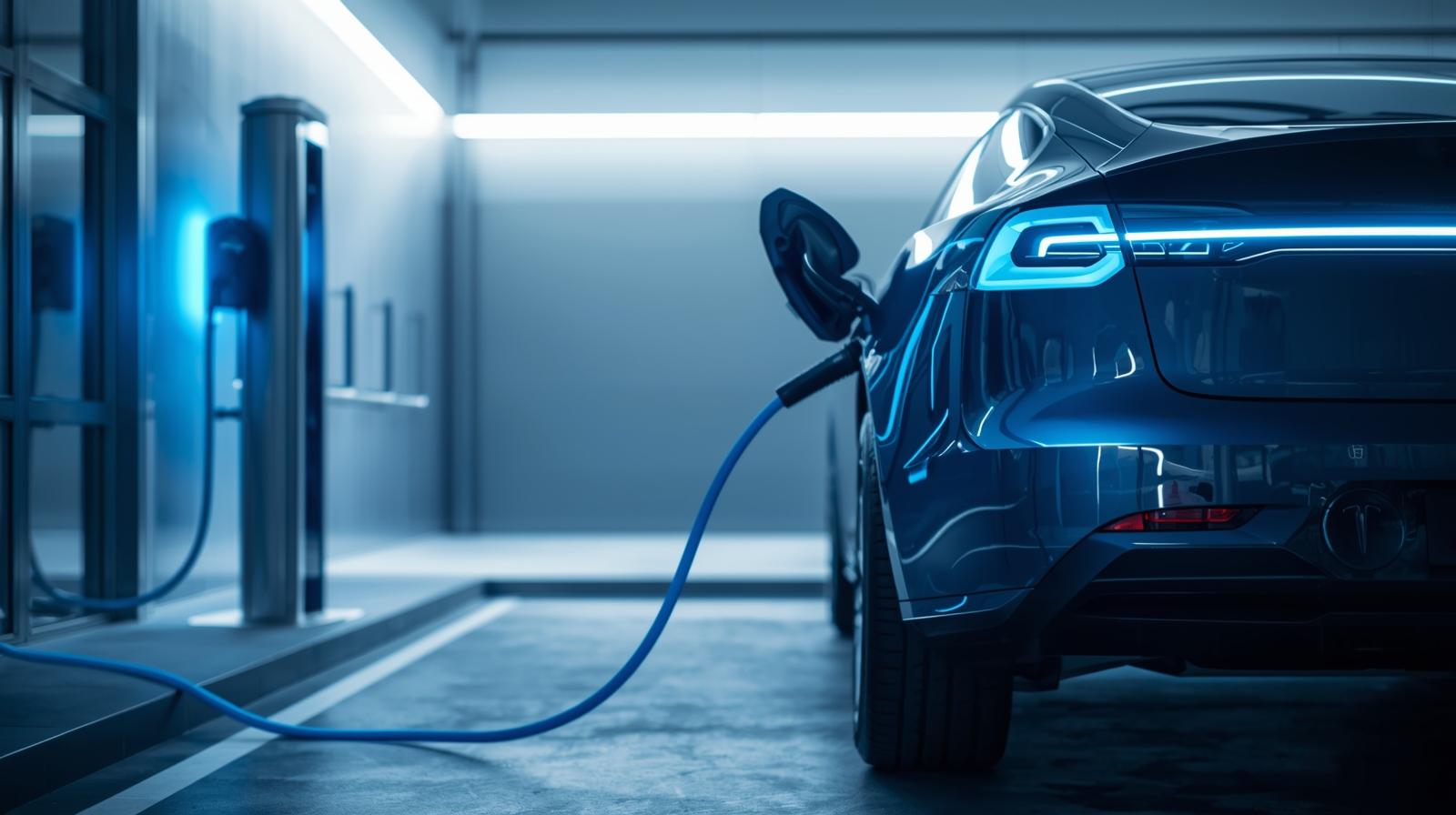
As electric vehicles (EVs) continue to reshape the automotive market, new buyers often ask one important question: How Much Does It Cost to Charge an Electric Car? Understanding EV charging costs is essential if you’re planning to switch from gasoline to electric transportation. Unlike gas prices— which are displayed at every corner—EV charging costs can feel more complex due to varying electricity rates, charging methods, and regional differences.
This comprehensive guide breaks everything down clearly and delivers a complete, expert-level look at real EV charging costs at home, at public charging stations, and on road trips. Whether you’re comparing EV vs gas costs, calculating your savings, or preparing to buy the best electric vehicle, this article gives you everything you need to know.
What Determines the Cost to Charge an Electric Car?
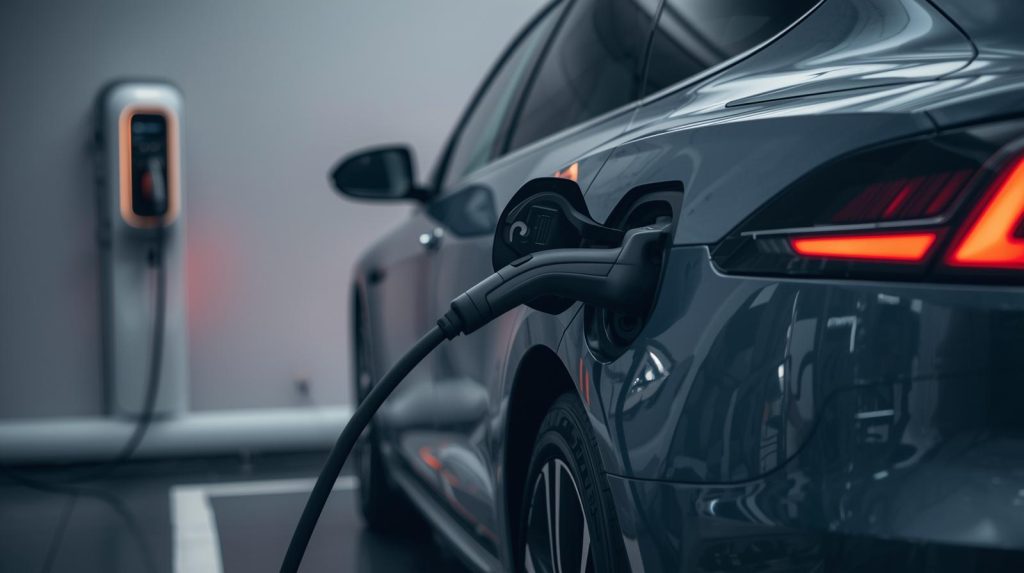
Before calculating How Much Does It Cost to Charge an Electric Car?, it’s important to understand the key factors that affect pricing:
Your electricity rate (¢ per kilowatt-hour)
Electricity rates vary widely by:
- State or country
- Time of day
- Utility company
- Whether you charge during peak or off-peak hours
Rates typically range between 10¢ and 30¢ per kWh in the U.S.
The size of your EV battery
Electric car batteries range from 30 kWh to over 120 kWh, depending on the model.
A larger battery costs more to charge but also offers more range.
Charging level (Level 1, Level 2, DC Fast Charging)
Different charging levels have different prices:
- Home charging = cheaper
- Public Level 2 charging = moderate
- DC fast charging = expensive but fast
How often you drive
Drivers who cover 1,000 miles per month will spend more than someone who drives 300 miles.
Vehicle efficiency (miles per kWh)
Some EVs use energy more efficiently than others.
Typical EV efficiency ranges between 3 and 4.5 miles per kWh.
How Much Does It Cost to Charge an Electric Car at Home?
When people ask How Much Does It Cost to Charge an Electric Car?, home charging usually provides the clearest answer. It’s the simplest, most affordable, and most predictable way to charge an EV.
Home Charging Formula
To calculate your cost:
Battery Size (kWh) × Electricity Rate = Full Charge Cost
Example Calculation
Let’s say:
- Your electricity rate = 15¢ per kWh
- Your EV battery size = 60 kWh
60 kWh × $0.15 = $9 for a full charge
If that vehicle provides 250 miles of range, the cost per mile is:
$9 ÷ 250 = $0.036 per mile (3.6 cents per mile)
That is significantly cheaper than gasoline, where many vehicles cost 15–20 cents per mile in fuel.
Average Home Charging Costs (By EV Battery Size)
Below is an estimated breakdown showing How Much Does It Cost to Charge an Electric Car? at home using an average electricity rate of 15¢ per kWh:
| EV Battery Size | Estimated Full Charge Cost | Typical Range | Cost per Mile |
|---|---|---|---|
| 40 kWh | ~$6 | 150 miles | 4¢ |
| 60 kWh | ~$9 | 250 miles | 3.6¢ |
| 75 kWh | ~$11.25 | 300 miles | 3.7¢ |
| 100 kWh | ~$15 | 350 miles | 4.2¢ |
Even large-battery EVs remain cheaper per mile than gasoline.
How Much Does It Cost to Charge an Electric Car on Public Chargers?
Public charging prices vary more widely than home charging. Anyone researching How Much Does It Cost to Charge an Electric Car? must understand the three main types.
1. Public Level 2 Charging Costs
Public Level 2 chargers are similar to home chargers but found in:
- Shopping malls
- Parking lots
- Workplaces
- Gyms
Average cost: $0.20–$0.30 per kWh
Example
A 60 kWh battery charged at $0.25 per kWh:
60 × $0.25 = $15 for a full charge
Cost per mile if you have 250 miles of range:
$15 ÷ 250 = 6 cents per mile
Still cheaper than gas but higher than home charging.
2. DC Fast Charging Costs
These are the fastest—and most expensive—chargers.
Used for:
- Road trips
- Emergency charging
- Long-distance travel
Average cost: $0.40–$0.60 per kWh
Some premium networks charge even more.
Example
A 60 kWh battery charged at $0.55 per kWh:
60 × $0.55 = $33 for a full charge
Cost per mile:
$33 ÷ 250 = 13 cents per mile
This is approaching the cost of gasoline for some cars, but still cheaper than many gas-powered SUVs.
3. Subscription-Based Charging
Some companies offer monthly charging memberships:
- Reduced cost per kWh
- Flat-rate monthly fees
- Unlimited charging in some cases
These can reduce DC fast charging costs by 10–30%.
Home Charging vs. Public Charging: Which Is Cheaper?
Anyone comparing How Much Does It Cost to Charge an Electric Car? should know:
Home Charging
- Cheapest option
- Most convenient
- Ideal for daily charging
Public Level 2
- Slightly more expensive
- Good for workplace charging
DC Fast Charging
- Most expensive
- Best for long trips
- Not recommended for daily charging because of battery wear
Real-Life Charging Costs for Popular EV Models
Consumers often search How Much Does It Cost to Charge an Electric Car? for specific brands. Below are real-world examples using a 15¢ per kWh home electricity rate.
Tesla Model 3 (60 kWh battery)
- Full charge: $9
- Range: 272 miles
- Cost per mile: 3.3 cents
Tesla Model Y (75 kWh battery)
- Full charge: $11.25
- Range: 330 miles
- Cost per mile: 3.4 cents
Nissan Leaf (40 kWh battery)
- Full charge: $6
- Range: 150 miles
- Cost per mile: 4 cents
Ford Mustang Mach-E (91 kWh battery)
- Full charge: $13.65
- Range: 300 miles
- Cost per mile: 4.5 cents
Hyundai Ioniq 5 (77 kWh battery)
- Full charge: $11.55
- Range: 303 miles
- Cost per mile: 3.8 cents
EV Charging Cost vs. Gasoline Cost
To understand the value behind How Much Does It Cost to Charge an Electric Car?, compare EV charging to gas.
Gasoline Example
Assume:
- Gas price = $3.50 per gallon
- Car gets 30 mpg
Cost per mile:
$3.50 ÷ 30 = 11.6 cents per mile
EV Example
Typical EV cost per mile:
3–5 cents per mile
Annual Savings
If you drive 12,000 miles per year, you’ll spend:
- Gas car: ~$1,400
- EV (home charging): ~$450
Annual savings: $900–$1,000
How Much Does It Cost to Charge an Electric Car? (Road Trip Example)
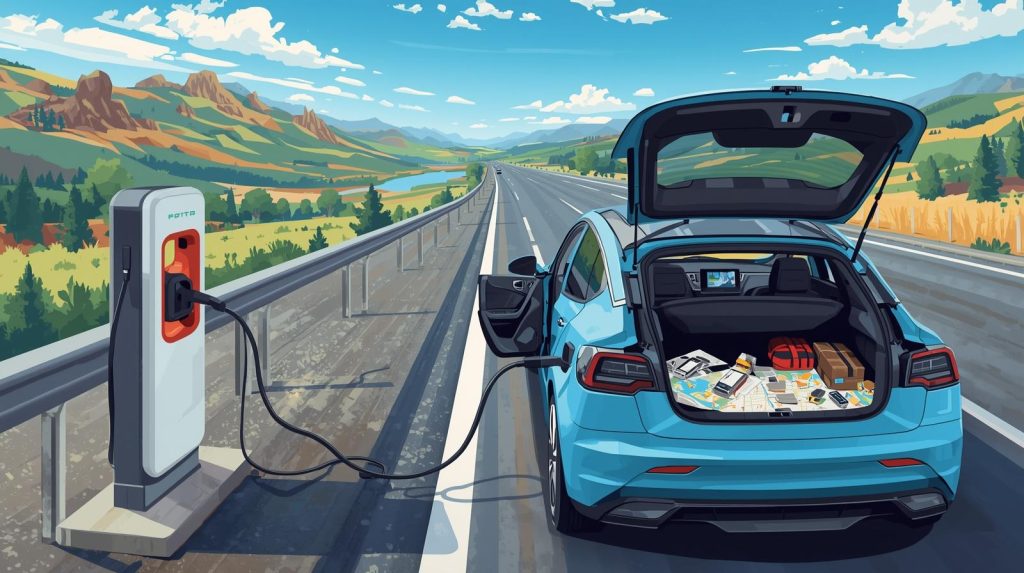
Let’s assume a 1,000-mile road trip using DC fast chargers at $0.50 per kWh.
- EV efficiency: 4 miles per kWh
- Electricity needed: 250 kWh
Total trip cost:
250 × $0.50 = $125
Gas car at 30 mpg:
- Fuel needed: 33 gallons
- Cost at $3.50/gal: $115
Conclusion:
Depending on charging prices, EV road trips may be similar in cost to gas trips.
However, home charging remains far cheaper.
Does Time-of-Use Electricity Pricing Matter?
Many utilities offer “Time-of-Use” rates:
- Off-peak: cheapest (nighttime)
- Mid-peak: moderate
- On-peak: highest (afternoon/evening)
This can dramatically affect How Much Does It Cost to Charge an Electric Car?
Example
- Off-peak: 12¢ per kWh
- Peak: 30¢ per kWh
Charging a 60 kWh EV:
- Off-peak: $7.20
- Peak: $18.00
EV owners can save hundreds annually by charging overnight.
How Weather Affects Charging Costs
Cold and hot weather can impact:
- Charging speed
- Battery efficiency
- Range
In winter, range can drop 10–30%, meaning you need more electricity to drive the same number of miles. This affects How Much Does It Cost to Charge an Electric Car? seasonally.
Is Charging an EV Really Cheaper Than Gas?
Yes—almost always.
Even when using public chargers occasionally, total EV operating costs remain much lower than gas vehicles.
Reasons:
- Fewer moving parts
- No oil changes
- Lower maintenance
- Lower “fueling” costs
This means lower lifetime ownership costs.
Tips to Reduce EV Charging Costs
If your goal is to minimize How Much Does It Cost to Charge an Electric Car?, follow these money-saving strategies:
1. Charge at home as much as possible
This cuts your fuel costs by 50–70%.
2. Use off-peak electricity
Set your EV to charge overnight.
3. Install solar panels
Charging with solar can cost 1–3¢ per kWh.
4. Avoid daily DC fast charging
It’s expensive and reduces battery health over time.
5. Use free workplace or public charging
Many retailers offer free charging as a perk.
Conclusion
Understanding How Much Does It Cost to Charge an Electric Car? is one of the most important steps for anyone considering an EV. While electricity prices vary by region, charging method, and time of day, EVs consistently offer lower fueling costs compared to traditional gas vehicles. Home charging provides the biggest savings, often costing only $6 to $15 for a full charge and reducing cost-per-mile to just a few cents. Even though public charging—especially DC fast charging—can be more expensive, it is still generally cheaper than gasoline in most cases.
As the electric vehicle industry continues to expand and more public chargers become available, EV charging will become even more affordable and convenient. Whether you’re a daily commuter, a long-distance traveler, or someone planning your first EV purchase, understanding the real charging costs helps you calculate long-term savings and make a confident decision. In short, electric cars offer not only environmental benefits but also clear financial advantages—especially for drivers who charge at home.
FAQs: How Much Does It Cost to Charge an Electric Car?
1. Is charging an electric car cheaper than gasoline?
Yes. In most cases, charging an EV—especially at home—is significantly cheaper than fueling a gas car. Home charging typically costs 3–5 cents per mile, while gasoline vehicles often cost 10–20 cents per mile.
2. How much does it cost to fully charge a typical electric car?
A full charge usually costs:
- $6–$12 at home
- $12–$20 at Level 2 public chargers
- $20–$40 at DC fast chargers
The exact cost depends on your electricity rate and battery size.
3. How do I calculate the cost to charge my EV at home?
Use this simple formula:
Battery Size (kWh) × Electricity Rate = Full Charge Cost
For example, a 60 kWh battery at 15¢ per kWh costs $9 for a full charge.
4. Do EV charging prices vary by state?
Absolutely. Electricity rates differ by region. States like Washington, Idaho, and Utah have lower electricity prices, while states like California, Connecticut, and Massachusetts tend to be higher.
5. How much does it cost to charge an EV on a road trip?
Road trips usually rely on DC fast chargers, which cost $0.40–$0.60 per kWh. A 1,000-mile trip may cost $100–$150, depending on your car’s efficiency and charging network.
6. Is home charging always cheaper?
Yes. Home charging is typically the most cost-effective method, especially when done during off-peak hours. Many EV owners save hundreds per year by charging overnight.
7. How much does it cost to charge an EV using solar panels?
If you have a home solar system, charging can cost as little as 1–3 cents per kWh, making EV charging almost free after installation costs.
8. Why is DC fast charging more expensive?
DC fast chargers deliver high power, require more infrastructure, and have higher operating costs. This makes them more expensive but much faster than Level 1 or Level 2 charging.
9. Will EV charging get cheaper in the future?
Most likely. As more renewables enter the grid, battery technology improves, and competition increases, charging costs are expected to drop, especially for home solar users.
10. How much can I save per year by switching to an EV?
Most EV drivers save between $800 and $1,200 per year on fuel costs alone. Additional savings come from reduced maintenance and tax incentives.