

The electric vehicle (EV) market in the United States continues to accelerate, driven by innovation, affordability, and strong government support. One of the most powerful incentives helping Americans transition to electric driving is the federal EV tax credit. As we step into 2025, new rules and benefits have come into effect under the Inflation Reduction Act (IRA), making it easier — and in some cases, faster — for consumers to save money when buying an electric vehicle.
In this detailed guide, we’ll break down how the EV tax credit works for 2025, who qualifies, how to claim it, and what new updates you need to know before purchasing your next EV.
What Is the Federal EV Tax Credit?
Before diving into the 2025 updates, it’s essential to understand what the federal EV tax credit actually is. The U.S. government offers this incentive to encourage more drivers to switch from gasoline-powered cars to electric vehicles, thereby reducing carbon emissions and reliance on fossil fuels.

The credit directly reduces the amount of federal income tax you owe. Depending on the vehicle and eligibility, you could qualify for up to $7,500 in savings. However, this credit is non-refundable, meaning it can only reduce your tax liability to zero — not generate a refund.
Originally introduced under the Energy Improvement and Extension Act, the EV tax credit was redesigned under the Inflation Reduction Act of 2022, which introduced stricter manufacturing and sourcing requirements to promote U.S.-based production.
What’s New in 2025: Updated EV Tax Credit Rules

Understanding how the EV tax credit works for 2025 means staying informed about the significant changes made to streamline and strengthen the program.
Here are the most notable updates for 2025:
- Point-of-sale rebate: Starting in 2024 and continuing through 2025, buyers can now apply the tax credit instantly at the dealership — reducing the vehicle price upfront instead of waiting until tax season.
- Tightened sourcing rules: Battery materials and components must be sourced from the U.S. or allied nations.
- Assembly requirements: The EV must be assembled in North America.
- Income and MSRP caps: Income limits and vehicle price caps remain in place to ensure the credit benefits middle-income households.
- Used EV credits continue: Consumers can still receive up to $4,000 for purchasing eligible used electric vehicles.
These updates are designed to promote clean energy manufacturing within the U.S. and make EVs more accessible for consumers nationwide.
How the EV Tax Credit Works for 2025 — Step-by-Step Guide
Let’s go step by step to understand how the process unfolds:
Step 1: Choose an Eligible Vehicle
Only specific EVs qualify for the 2025 federal tax credit. To be eligible, the car must:
- Be assembled in North America.
- Meet specific battery component and critical mineral sourcing standards.
- Have a manufacturer-suggested retail price (MSRP) below the cap limit.
You can check the IRS or the Department of Energy’s official list of eligible EVs to confirm your model’s status.
Step 2: Verify Your Income Eligibility
To qualify for the full credit, your Modified Adjusted Gross Income (MAGI) must be under:
- $150,000 for single filers
- $225,000 for heads of household
- $300,000 for joint filers
If your income exceeds these limits, you won’t qualify for the federal tax credit.
Step 3: Purchase from a Qualified Dealer
For 2025, only certified dealers can process the point-of-sale credit transfer, allowing you to apply the credit directly during purchase. This change eliminates the waiting period that previously frustrated many EV buyers.
Step 4: Claim or Transfer the Credit
You can choose to:
- Claim the credit on your tax return (IRS Form 8936), or
- Transfer the credit at the dealership and get the savings instantly deducted from your vehicle’s price.
Either method ensures that you benefit from the federal incentive as long as all criteria are met.
Eligible Vehicles Under the 2025 EV Tax Credit
Not all electric vehicles qualify for the full $7,500 tax credit. Eligibility depends on compliance with battery sourcing and manufacturing location rules.
Battery and Manufacturing Requirements — How the EV Tax Credit Works for 2025
The 2025 credit is split into two equal parts:
- $3,750 for meeting the critical mineral requirement.
- $3,750 for meeting the battery component requirement.
To earn the full credit, vehicles must meet both conditions:
- A specific percentage of the battery’s critical minerals (like lithium, nickel, and cobalt) must come from the U.S. or Free Trade Agreement partners.
- Battery components must be manufactured or assembled in North America.
If a vehicle meets only one requirement, it qualifies for half of the total credit ($3,750).
Income and Price Limits for 2025
To keep the program fair and focused on middle-income buyers, there are strict income and price limits:
Income caps:
- $150,000 for individuals
- $225,000 for heads of household
- $300,000 for married couples filing jointly
MSRP limits:
- Cars: must not exceed $55,000
- SUVs, vans, and trucks: must not exceed $80,000
These limits ensure that high-end luxury EVs don’t absorb most of the tax benefits intended for the general public.
Used EV Tax Credit (2025 Rules)
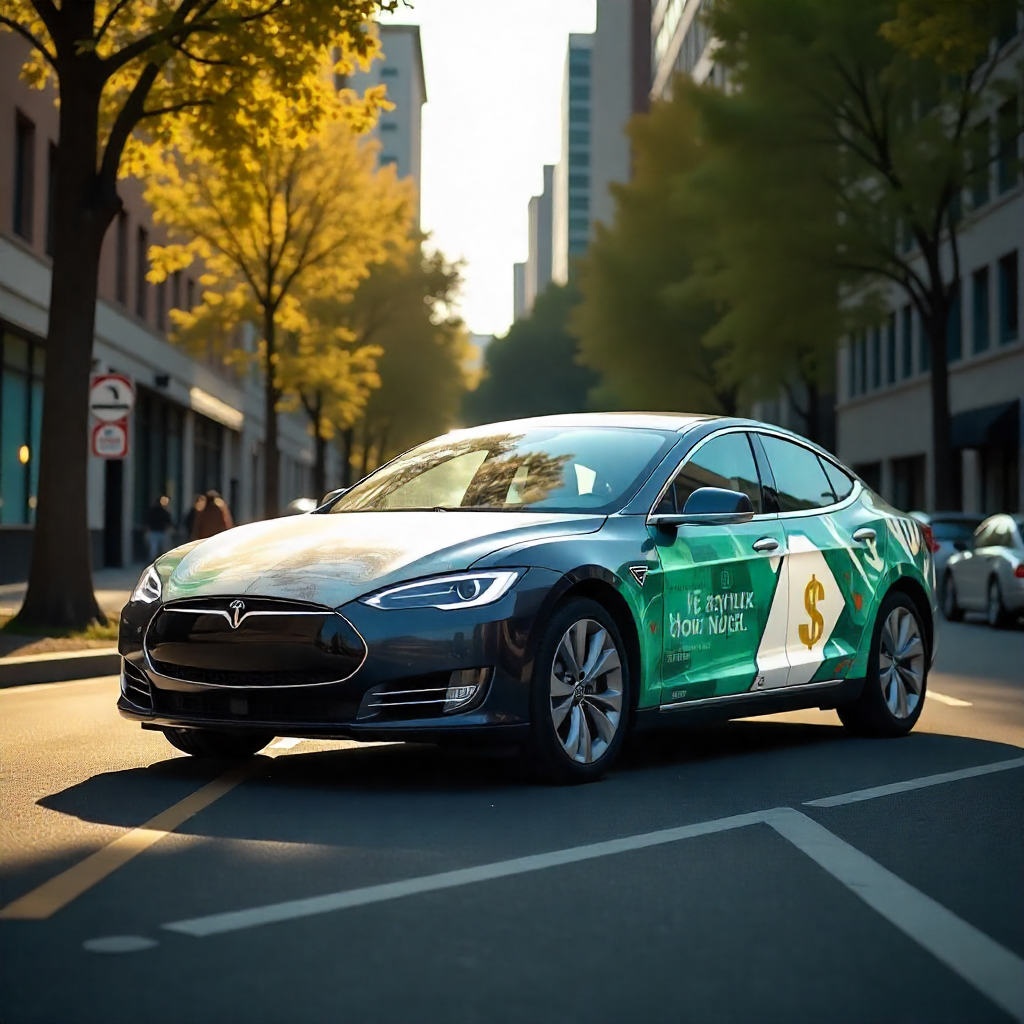
In addition to new EV incentives, the Previously Owned Clean Vehicle Credit continues through 2025.
To qualify for the used EV credit:
- The EV must be at least two years old.
- It must be purchased from a licensed dealer.
- The buyer’s income must be under:
- $75,000 for individuals
- $112,500 for heads of household
- $150,000 for joint filers
- The credit is worth up to $4,000 or 30% of the sale price, whichever is lower.
This program helps make clean vehicles more accessible to lower- and middle-income families.
Leasing and Commercial EV Credits
When leasing an EV, the leasing company (lessor), not the individual, technically owns the vehicle — meaning the company can claim the federal credit. Many leasing companies pass that savings to customers through lower monthly payments.
For businesses, the Commercial Clean Vehicle Credit offers:
- Up to $7,500 for light-duty EVs, and
- Up to $40,000 for heavy-duty electric trucks.
Commercial vehicles are not subject to the same strict sourcing requirements, making it easier for fleets to electrify.
State and Local EV Incentives
In addition to the federal tax credit, many states and local governments offer their own EV rebates or tax incentives.
For example:
- California offers the Clean Vehicle Rebate Project (CVRP), providing up to $2,000 in rebates.
- New York provides the Drive Clean Rebate, worth up to $2,000.
- Colorado gives an additional $5,000 state credit for qualifying EVs.
By combining federal, state, and local incentives, some EV buyers can save over $10,000 on a new electric car.
Benefits of Understanding How the EV Tax Credit Works for 2025
Learning how the EV tax credit works for 2025 can help you make smarter purchasing decisions and maximize your savings.
Key Benefits:
- Lower upfront costs: Immediate savings through point-of-sale credit transfer.
- Reduced carbon footprint: Encourages cleaner, greener transportation.
- Support for U.S. manufacturing: Promotes domestic battery and vehicle production.
- Greater EV adoption: Makes electric vehicles more affordable for the average American family.
Common Misconceptions About EV Tax Credits
Despite widespread awareness, there are still many myths surrounding EV tax credits:
- Myth 1: “All EVs qualify.”
Reality: Only models meeting manufacturing and sourcing criteria are eligible. - Myth 2: “I’ll get a refund check.”
Reality: The credit reduces your tax liability but doesn’t generate cash refunds. - Myth 3: “Used EVs aren’t eligible.”
Reality: Used EVs can qualify for a separate $4,000 credit.
Understanding the facts helps ensure you take full advantage of what’s available.
Challenges and Limitations
While the EV tax credit provides immense benefits, it also has challenges:
- Limited number of qualifying vehicles due to sourcing rules.
- Confusion about eligibility requirements.
- Dealers adjusting to new point-of-sale systems.
- Inconsistent state-level policies across the U.S.
Despite these issues, the 2025 structure represents a significant step toward simplifying access to EV incentives.
Future Outlook — Beyond 2025
The future of EV tax incentives looks promising. Federal and state governments continue investing in charging infrastructure and battery production. By 2030, the U.S. aims for 50% of new car sales to be electric.
Future credits may become even more accessible as battery technology improves and production costs fall. Additionally, the U.S. is expected to expand partnerships with allied nations for raw material sourcing — boosting EV eligibility rates.
FAQs — How the EV Tax Credit Works for 2025
1. Who qualifies for the 2025 EV tax credit?
Anyone who meets income and vehicle eligibility requirements can qualify.
2. How much can I save with the credit?
Up to $7,500 for new EVs and $4,000 for used EVs.
3. Can I apply the credit at the dealership?
Yes — 2025 allows for instant rebates at point of sale.
4. What happens if my income exceeds the limit?
You won’t qualify for the federal credit, though state incentives may still apply.
5. Do leased EVs qualify?
Yes. The leasing company claims the credit but often passes the benefit to customers.
6. Do plug-in hybrids qualify?
Yes, as long as they meet battery capacity and sourcing criteria.
7. Can I combine federal and state credits?
Yes, you can stack them to maximize savings.
Conclusion — Understanding How the EV Tax Credit Works for 2025
The updated EV tax credit for 2025 represents a major leap forward in America’s transition to cleaner mobility. By offering instant savings, incentivizing domestic production, and promoting fair eligibility standards, this policy helps millions of drivers switch to electric without breaking the bank.
If you’re planning to buy an electric car in 2025, now is the perfect time to explore your options, verify eligibility, and take full advantage of available incentives.
Switching to an EV isn’t just a smart financial move — it’s a step toward a sustainable, low-emission future for all.