
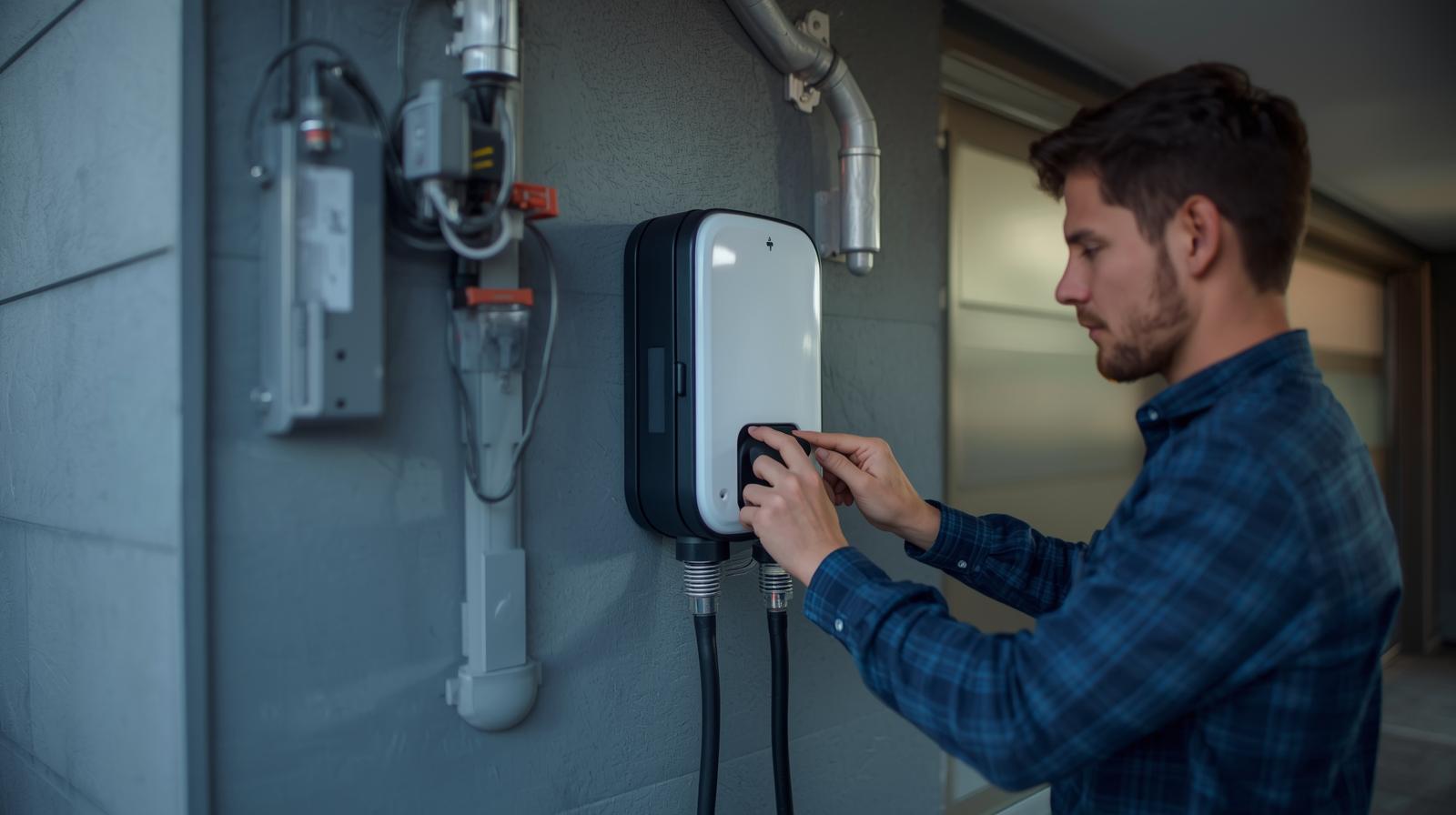
Electric vehicles are becoming the new standard for modern transportation. With more people switching to EVs, home charging has become a top priority for convenience, cost efficiency, and long-term savings. Among all home charging options, Level 2 chargers are the most popular because they offer fast charging speeds and superior performance compared to standard Level 1 chargers.
But before installing a charger, every EV owner must understand the Level 2 charger installation requirements. These requirements ensure your system is safe, efficient, and compliant with local electrical codes and regulations.
What Is a Level 2 Charger?
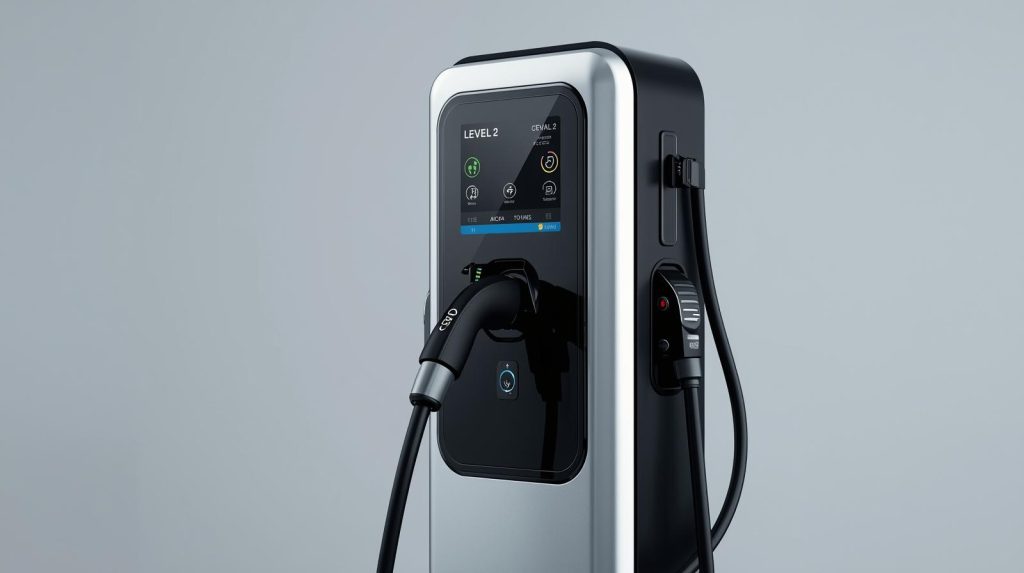
Before exploring the Level 2 charger installation requirements, it’s important to understand what a Level 2 charger does and why it’s preferred for home use.
A Level 2 charger:
- Operates on 240 volts
- Provides 25–35 miles of range per hour
- Fully charges most EVs in 4–8 hours
- Requires a dedicated 240V circuit similar to electric dryers or ovens
These chargers offer a perfect balance between affordability and charging speed, making them ideal for home, workplace, and small commercial installations.
Why Understanding Level 2 Charger Installation Requirements Matters
Installing a Level 2 charger is more than just plugging in a device — it involves electrical upgrades, code compliance, permits, and proper planning.
Failing to follow the correct Level 2 charger installation requirements can result in:
- Fire hazards
- Overloaded circuits
- Failed inspections
- Voided EV charger warranties
- Insurance denial during accidents
- Unsafe charging conditions
Following installation requirements keeps your home safe and ensures optimal charger performance.
Basic Level 2 Charger Installation Requirements
Here is a complete overview of the essential requirements you must meet before installing a Level 2 charger at home.
Electrical Panel Capacity Requirements
One of the most important Level 2 charger installation requirements is verifying that your electrical panel can handle the charger’s power demand.
Minimum Panel Requirements
Most Level 2 chargers require a dedicated:
- 240-volt circuit
- 30 to 60-amp breaker
- Available breaker space in the panel
Load Calculation Requirement
Electricians must calculate whether your home’s electrical system has the capacity to support a Level 2 charger.
This calculation ensures:
- Your system isn’t overloaded
- Other appliances run safely
- Your charger operates efficiently
If Your Panel Is Insufficient
You may need:
- A panel upgrade (100A → 200A)
- A load management device
- A subpanel installation
Dedicated 240-Volt Circuit Requirements
All Level 2 chargers require a dedicated 240V circuit to supply continuous power.
Typical Circuit Requirements Based on Charger Amperage
| Charger Amperage | Circuit Breaker Required | Wiring Gauge |
|---|---|---|
| 16A | 20A breaker | 12-gauge wire |
| 24A | 30A breaker | 10-gauge wire |
| 32A | 40A breaker | 8-gauge wire |
| 40A | 50A breaker | 6-gauge wire |
| 48A | 60A breaker | 4–6 gauge wire |
Electrical codes require that continuous loads use 125% of the charger’s rating.
Wiring and Conduit Requirements
Another crucial part of Level 2 charger installation requirements is proper wiring and conduit installation.
Wiring Requirements
- Must meet NEC (National Electrical Code) standards
- Must match the breaker size
- Must be copper or aluminum (depending on code allowances)
- Must be rated for 75°C or higher in most cases
Conduit Requirements
Conduit may be required when:
- Wiring is run outdoors
- Wiring is exposed
- Local code requires protection
Types of conduit:
- PVC
- EMT metal conduit
- Flexible conduit (limited use)
Outlet Requirements (If Using Plug-In Charger)
Some Level 2 chargers plug into a 240V outlet instead of being hardwired.
Common EV Outlet Types
- NEMA 14-50 (most common)
- NEMA 6-50
- NEMA 14-30 (dryer outlet)
Outlet Location Requirements
- Installed near home parking area
- Mounted 18–48 inches above ground
- Positioned within 1–3 feet of charger cable reach
- Indoors or outdoors depending on charger rating
Hardwired Charger Requirements
If your charger is hardwired, additional requirements apply:
- Must be installed by a licensed electrician
- Must have a disconnect switch in some cities
- Must meet manufacturer installation guidelines
- Must be connected directly to a dedicated breaker
Hardwiring is preferred for:
- Higher amperage chargers
- Outdoor installations
- Permanent charging setups
Permit Requirements
One of the most overlooked Level 2 charger installation requirements is obtaining a permit.
Why Permits Are Required
- Ensures safe installation
- Ensures compliance with NEC and local codes
- Protects your home insurance
- Required for inspection
Common Permit Types
- Electrical permit (mandatory everywhere)
- Building permit (sometimes required)
- Special EV charger permit (some cities)
Permit fees typically range from $50–$300.
Inspection Requirements
After installation, an inspection is needed to verify code compliance.
Inspectors Check For:
- Proper wiring
- Correct breaker size
- Conduit placement
- Weatherproofing
- GFCI protection (if required)
- Correct outlet installation
- Load calculations
Passing inspection finalizes your installation and protects you from liability.
Charger Location Requirements
Correct charging location is a major part of Level 2 charger installation requirements.
Indoor Installation Requirements
- Mounted near vehicle parking spot
- Adequate airflow
- Drip protection
- Proper cable organization
- Fire-safe mounting surface
Outdoor Installation Requirements
- Weatherproof charger (NEMA 3R, 4, or 4X)
- Weatherproof outlet
- UV-resistant cable
- Water-sealed conduit
- Proper drainage around installation area
Safety Code Requirements (NEC Compliance)
The National Electrical Code (NEC) outlines strict safety rules for installing Level 2 chargers.
Key NEC Requirements:
GFCI protection for receptacles
Adequate disconnect capability
Correct breaker size
Proper conduit placement
Minimum cable clearance
Overcurrent protection
Load calculations
Non-compliance can lead to failed inspections or hazards.
Grounding Requirements
Grounding ensures your charger is safe in the event of a fault or power surge.
Required grounding includes:
- Proper grounding conductor
- Ground rod (if needed)
- Bonding of metal conduit
- Charger grounding per manufacturer specs
EV Charger Amperage Requirements
Home Level 2 chargers vary from 16A to 80A.
Higher amperage = faster charging.
But higher amperage = more installation requirements.
Example Requirements
- 16A–32A: Most homes can support
- 40A–48A: May require wiring upgrade
- 50A–80A: Often requires panel upgrade
Ventilation Requirements (If Needed)
Most modern Level 2 chargers do not require ventilation, but older EVs and certain charging systems might.
Check manufacturer specifications.
Wi-Fi and Smart Charger Requirements
Some chargers require:
- Reliable Wi-Fi connection
- Strong signal in garage/outdoor area
- App setup
- Smart meter compatibility
Utility Company Requirements
Some utilities require special steps before installation, such as:
- Load management device installation
- Peak usage coordination
- Utility inspection
Some offer rebates for fulfilling these requirements.
Accessibility Requirements
If installing in a public or commercial environment, ADA requirements may apply:
- Mounting height
- Cable length
- Physical accessibility
Distance Requirements
Distance from the electrical panel to the charger affects:
- Wiring gauge
- Conduit type
- Installation cost
- Voltage drop
Shorter distance = cheaper installation.
Surge Protection Requirements
Some cities require:
- Whole-home surge protection
- Circuit-specific surge protection
Surge protectors help protect expensive EV components.
Manufacturer Requirements
Each charger brand includes specific installation requirements.
For example:
- Tesla Wall Connector requires certain breaker sizes
- ChargePoint Home Flex requires specific wiring types
- JuiceBox recommends certain outlet placements
Always follow manufacturer guidelines.
Environmental Requirements
Outdoor chargers must meet:
- Waterproof standards
- Heat resistance
- Cold tolerance
- UV protection
Placement affects long-term performance.
Installation by Licensed Electrician
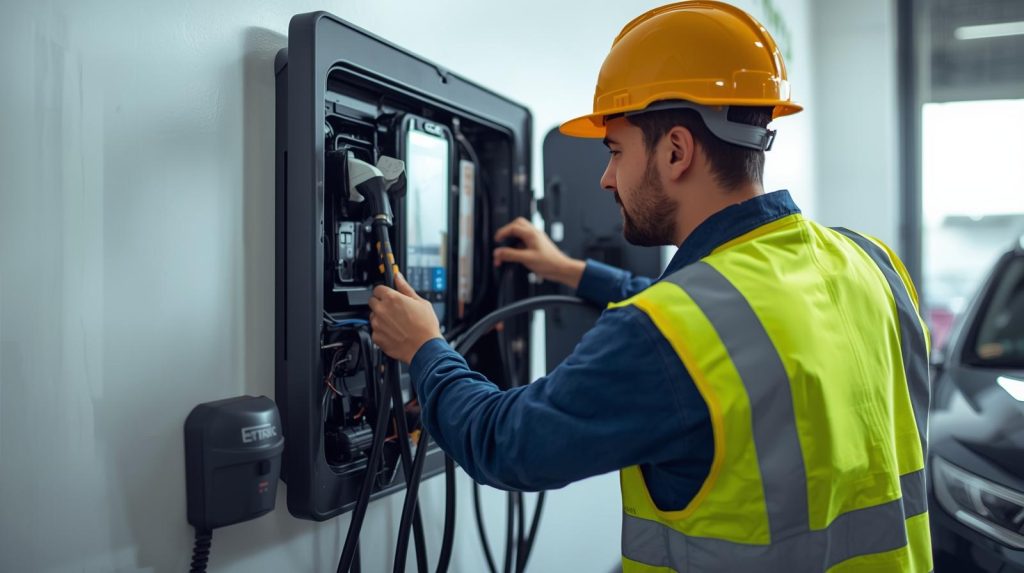
Nearly all Level 2 charger installation requirements emphasize that installation must be done by a licensed electrician.
Reasons:
- Safety
- Code compliance
- Warranty protection
- Insurance coverage
Benefits of Following Level 2 Charger Installation Requirements
Following these requirements ensures:
Safe charging
Faster charging speeds
Avoiding electrical overload
Lower long-term maintenance costs
Passing inspection
Smooth EV ownership experience
Cutting corners can lead to dangerous consequences.
FAQs About Level 2 Charger Installation Requirements
1. Do I need a permit to install a Level 2 charger?
Yes, in most cities an electrical permit is mandatory.
2. Can I install a Level 2 charger myself?
No. High-voltage work requires a licensed electrician.
3. How far can a Level 2 charger be from the electrical panel?
Typically up to 100 feet, but wiring cost increases with distance.
4. What outlet is required for a Level 2 charger?
Most chargers use a NEMA 14-50 or NEMA 6-50 outlet.
5. What size breaker do I need?
Common sizes are 30A, 40A, 50A, or 60A depending on charger amperage.
6. Do I need a panel upgrade?
Yes if your panel lacks capacity or available breakers.
7. Can I install a Level 2 charger outdoors?
Yes, but it requires weatherproof equipment and conduit.
Conclusion
Installing an EV charger is one of the best investments you can make as an EV owner — but it must be done correctly. Understanding the Level 2 charger installation requirements ensures that your charger is safe, reliable, and compliant with local electrical codes.
From electrical panel capacity and dedicated circuits to permits, wiring, safety codes, and charger location, each requirement plays a crucial role in creating a long-lasting and efficient home charging system.
By following proper Level 2 charger installation requirements and working with a licensed electrician, you’ll enjoy fast charging, maximum safety, and a seamless EV ownership experience.