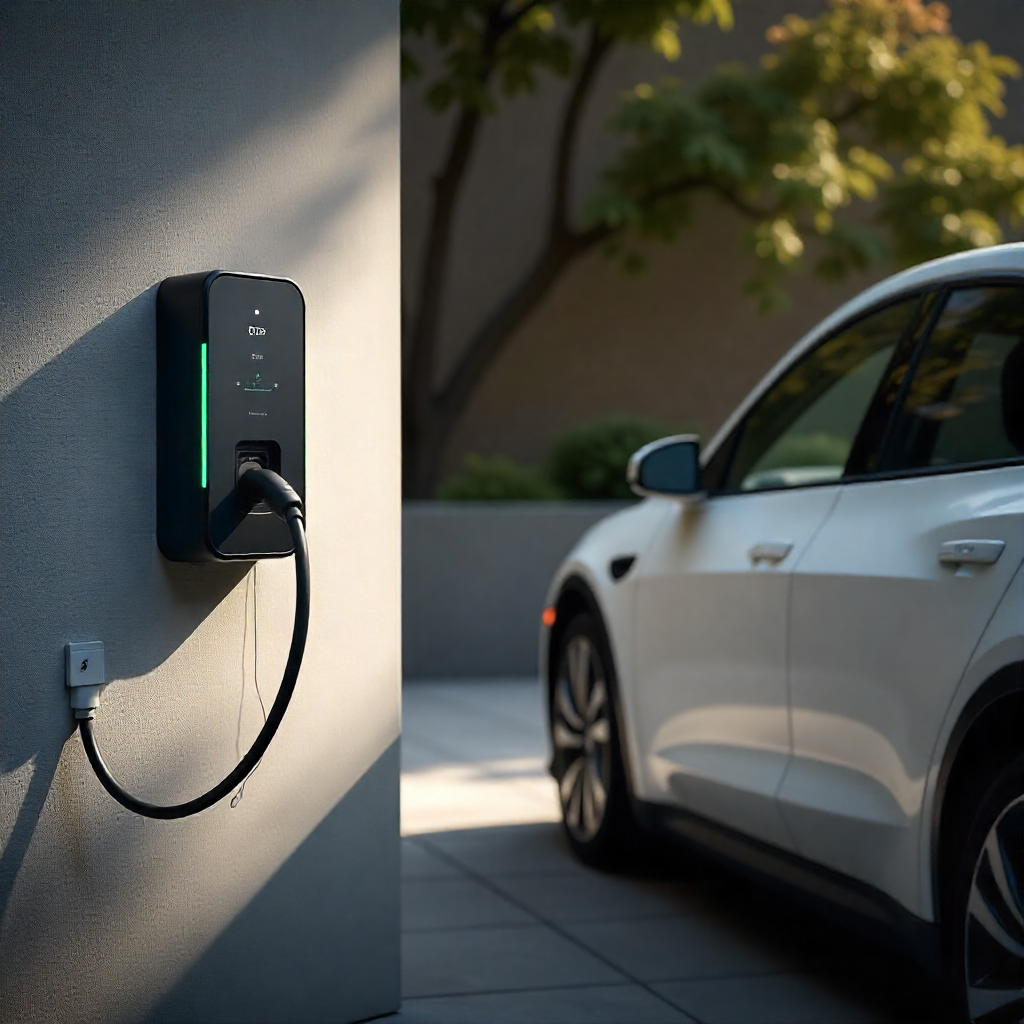
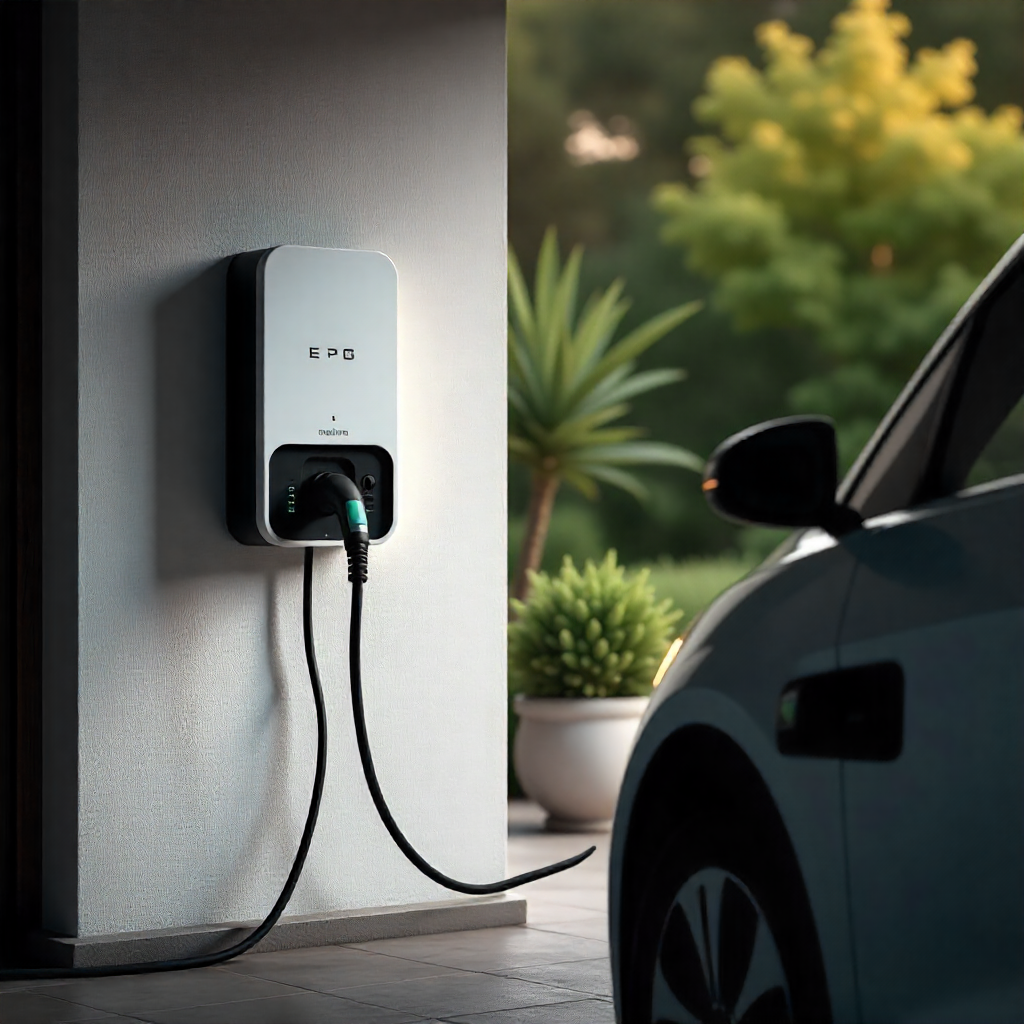
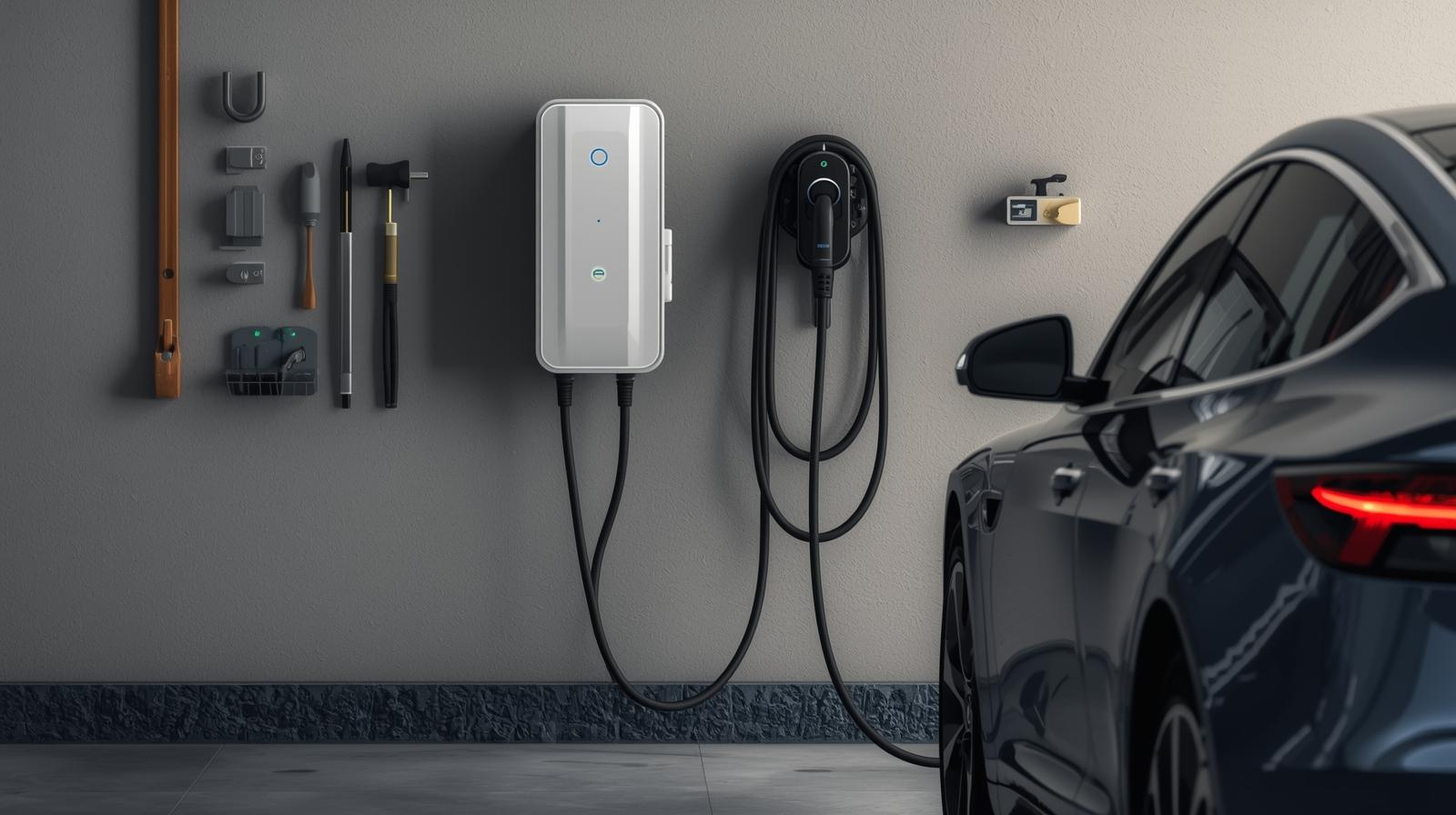
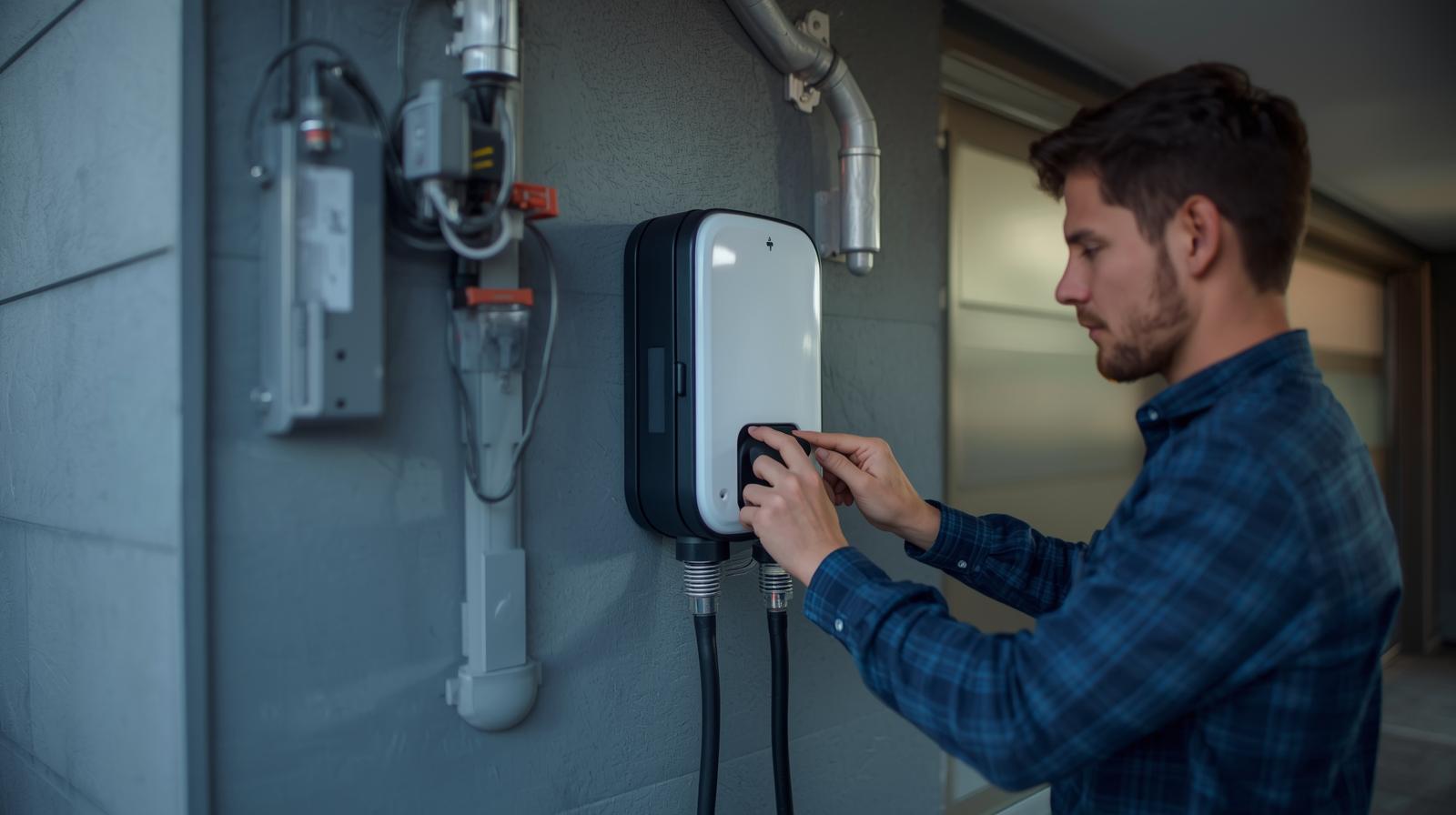
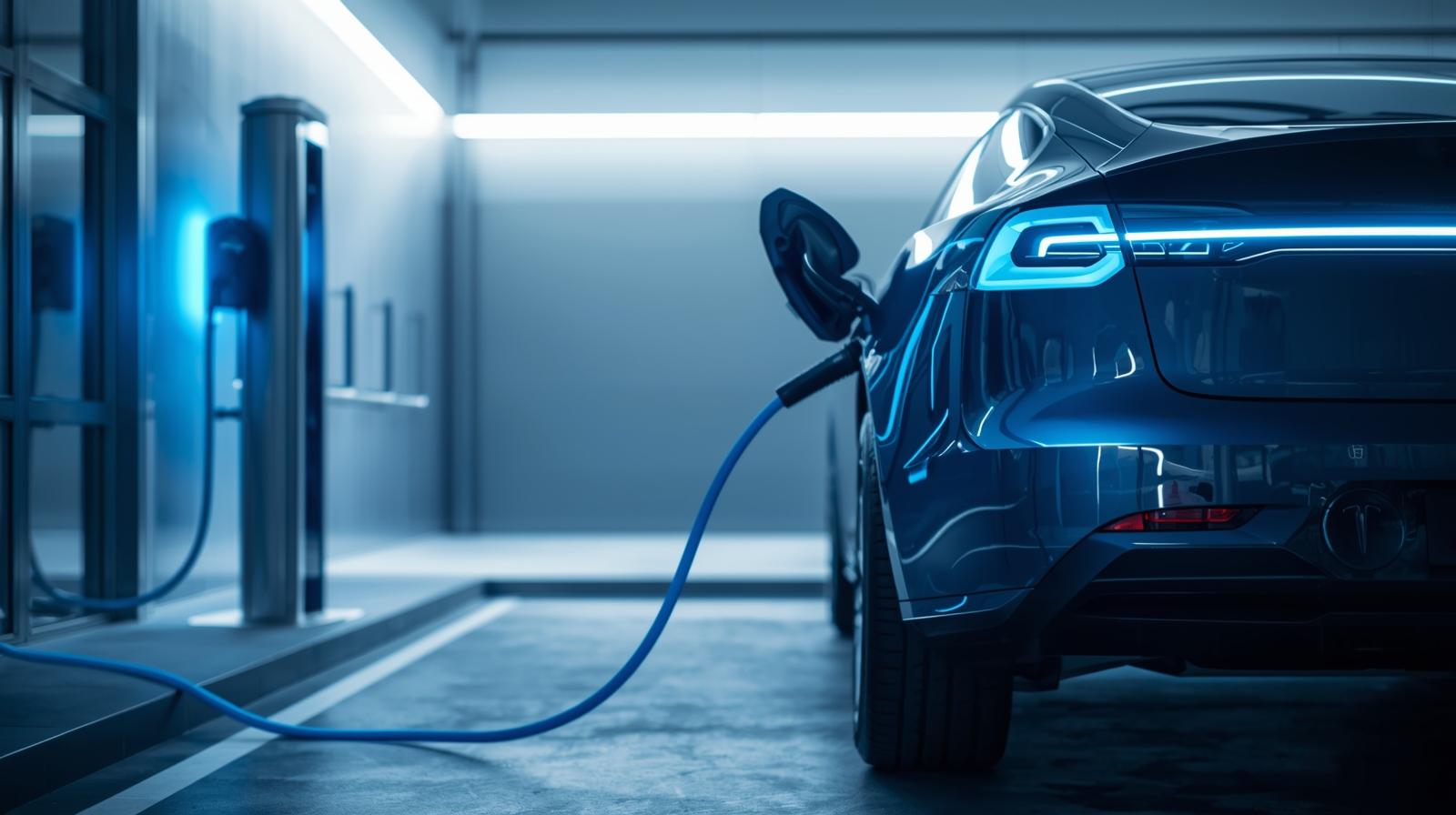
As the world shifts towards more sustainable options, electric vehicles (EVs) are becoming increasingly popular. One of the key concerns for EV owners is finding reliable and convenient charging stations. Where Can You Charge an EV? Understanding the best places to charge your EV is crucial for a seamless driving experience. Whether you’re on a long road trip or just commuting to work, knowing your options can make all the difference. EV charging infrastructure is expanding rapidly, with various charging networks and public charging stations popping up across the country. Key Takeaways Understanding EV Charging Basics As electric vehicles (EVs) become increasingly popular, understanding the basics of EV charging is crucial for current and prospective EV owners. The process involves various types of chargers, different charging speeds, and various connectors. Different Types of EV Chargers EV chargers are categorized into three main types based on their charging speed and power output. Level 1 Charging (120V) Level 1 charging uses a standard 120-volt household outlet. It’s the most basic form of charging and is typically used for overnight charging at home. Level 2 Charging (240V) Level 2 charging requires a 240-volt charging station. It charges EVs significantly faster than Level 1 and is commonly found in public charging stations and homes with dedicated EV charging setups. DC Fast Charging DC Fast Charging is the quickest method, capable of charging an EV to 80% in under 30 minutes. It’s ideal for long-distance travel and is typically found along highways and in commercial areas. Charging Speeds and What They Mean Charging speeds vary significantly across different charger types. Understanding these speeds is essential for planning your charging sessions, especially during long trips. Common Charging Connectors in the US The most common connectors in the US include the Type 1 (J1772) for Level 1 and Level 2 charging, and CCS (Combined Charging System) and CHAdeMO for DC Fast Charging. Most EVs come with a Type 1 connector, while some models may require adapters for other types. Understanding these basics can help EV owners make informed decisions about their charging needs and optimize their EV experience. Where Can You Charge an EV? With the rise of electric vehicles, understanding the various charging options is crucial for a seamless driving experience. Electric vehicle (EV) owners have multiple choices for charging their vehicles, making it convenient to keep their cars powered up and ready to go. Public Charging Infrastructure Public charging infrastructure is expanding rapidly across the United States. You can find public charging stations in various locations, including shopping centers, parking garages, and along highways. These stations offer a convenient way to charge your EV while you’re out and about. Some charging networks, like Electrify America and ChargePoint, provide extensive coverage, making long-distance travel in an EV more practical. Home Charging Solutions Home charging is a convenient and often preferred method for many EV owners. It allows you to charge your vehicle overnight, ensuring it’s ready for your daily commute. Garage and Driveway Options For those with garages or driveways, installing a home charging station is relatively straightforward. Companies like Tesla, ChargePoint, and others offer home charging solutions that can be installed by certified electricians. Apartment and Condo Considerations For residents of apartments and condos, charging can be a bit more complex. However, many complexes are now installing charging infrastructure to accommodate EV owners. It’s essential to discuss your needs with your building management to explore available options. Workplace Charging Programs Many employers are now offering workplace charging programs as a benefit to their employees. This initiative not only supports employees who own EVs but also encourages the adoption of sustainable transportation. Companies like Google and Microsoft have already implemented extensive workplace charging programs. Charging Location Typical Charging Time Convenience Level Public Charging Station 30 minutes – 1 hour High Home Charging 4 – 8 hours Very High Workplace Charging 4 – 8 hours High Major EV Charging Networks in the United States As electric vehicles become increasingly popular, the demand for reliable charging infrastructure has given rise to several prominent EV charging networks across the US. These networks have expanded rapidly to support the growing number of EVs on the road. Tesla Supercharger Network Tesla’s Supercharger network is one of the most extensive and well-known EV charging networks in the US. It provides fast charging along highways and in urban areas, making long-distance travel in a Tesla convenient. Electrify America Electrify America is another significant player, known for its fast-charging capabilities. It has established a comprehensive network across the country, focusing on corridors and urban centers. … Read more