
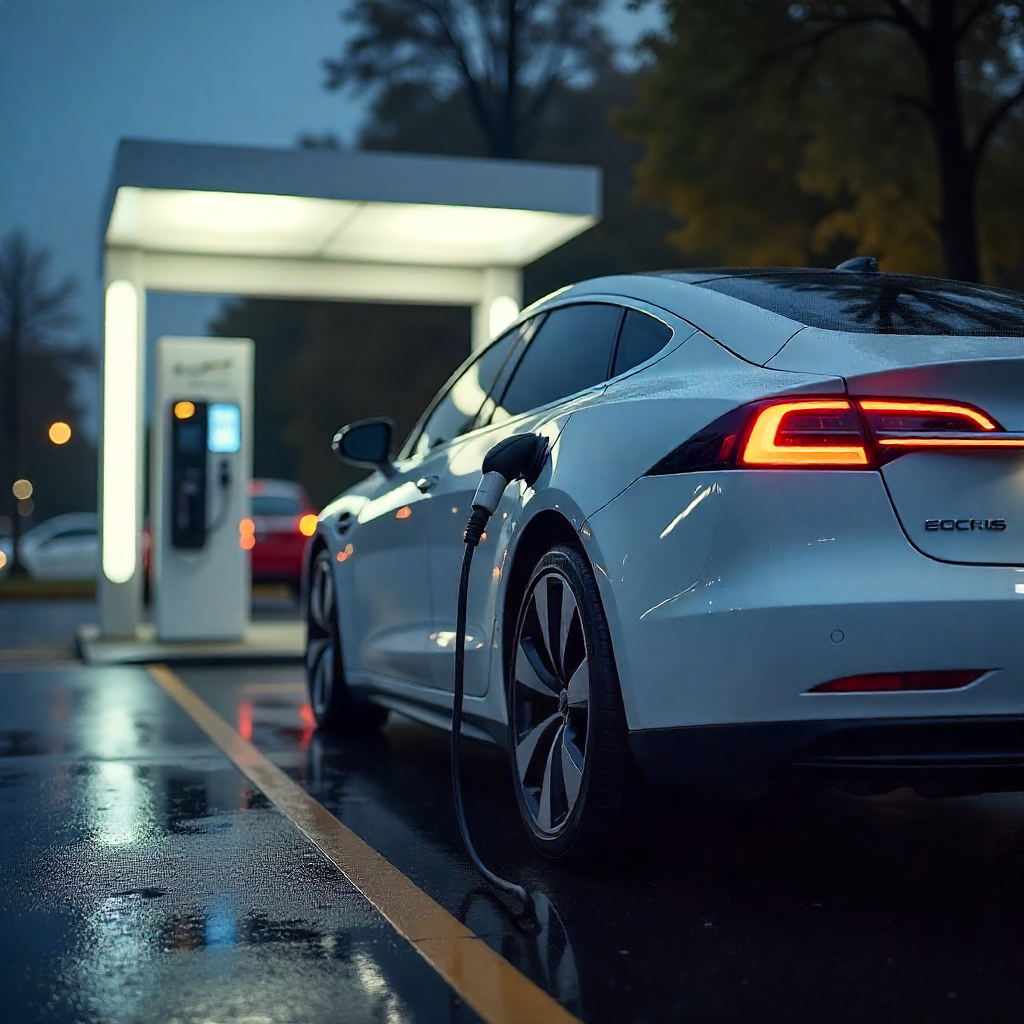
The world is changing very fast, and the auto industry is also going through a big transformation. For many years, people have been using petrol and diesel cars, but now the trend is shifting towards electric vehicles (EVs). Among all EV types, the most advanced ones are called Plug-in Electric Vehicles (PEVs) or more commonly Battery Electric Vehicles (BEVs).
In this article, we will discuss BEVs in detail. We will explain how they work, their benefits, their challenges, charging methods, BEVs in Pakistan, and the future of this technology. Everything will be written in very simple English, so everyone can understand it easily.
What is a Plug-in Electric Vehicle (BEV)?
A Battery Electric Vehicle (BEV) is a car that runs 100% on electricity. Unlike normal cars that burn petrol or diesel in their engines, BEVs use a battery-powered electric motor.
- You plug the car into an electricity source to charge it (like charging your mobile).
- The car then stores electricity inside large batteries.
- When you drive, the electric motor uses this stored power to move the car.
- No petrol, no diesel, no engine oil – only pure electricity.
This is why BEVs are also called zero-emission vehicles, because they do not release harmful smoke into the air.
Examples of famous BEVs in the world:
- Tesla Model 3, Model Y
- Nissan Leaf
- Hyundai Kona Electric
- Audi e-tron
- MG ZS EV
In Pakistan, BEVs like MG ZS EV and Audi e-tron are already available, but they are expensive for most people.
How Do BEVs Work?
Battery Electric Vehicles (BEVs) run fully on electricity instead of petrol or diesel. They have a large battery pack that stores energy, an electric motor that uses this energy to move the car, and a charging port to refill electricity.
When you press the accelerator, the controller sends power from the battery to the motor, which turns the wheels instantly. BEVs also use regenerative braking, which means when you slow down, some of the lost energy goes back into the battery.
With fewer moving parts, BEVs are simpler, smoother, and more efficient than traditional cars, making them the future of clean transportation.
To understand BEVs, let’s compare them with petrol cars.
- A petrol car has an engine that burns fuel to create energy.
- A BEV has an electric motor that runs on stored electricity.
Main Components of BEVs
- Battery Pack – This is the heart of the BEV. It stores electricity and powers the motor. Bigger batteries mean more driving range.
- Electric Motor – Works like an engine but runs on electricity. It gives instant power, which makes BEVs very fast.
- Charging Port – A place where you plug in the charger.
- Controller / Inverter – Works like the “brain” of the car. It manages the flow of electricity from the battery to the motor.
- Onboard Charger – Converts electricity from the charging station into power for the battery.
How it works:
When you press the accelerator, the controller takes power from the battery and sends it to the motor. The motor turns the wheels, and the car moves smoothly.
Types of Electric Vehicles (for better understanding)
To understand BEVs better, let’s also see how they are different from other EV types:
- HEV (Hybrid Electric Vehicle) – Runs on both petrol and battery (no external charging).
- PHEV (Plug-in Hybrid Electric Vehicle) – Runs on both petrol and battery, but you can charge the battery by plugging in.
- BEV (Battery Electric Vehicle) – Fully electric, no petrol engine at all.
So, BEVs are the cleanest and most eco-friendly option.
Advantages of BEVs
There are many strong reasons why BEVs are called the cars of the future.
1. Save Fuel Cost
- Petrol prices are rising every day in Pakistan and across the world.
- BEVs only need electricity, which is much cheaper compared to fuel.
- For example: Driving a BEV for 100 km may cost you only Rs. 400–500 in charging, while a petrol car can cost Rs. 1,200–1,500 for the same distance.
2. Eco-Friendly and Clean
- No smoke, no emissions.
- Helps reduce air pollution and protect the environment.
- Very important for cities like Lahore, Karachi, and Islamabad where smog is a big issue.
3. Low Maintenance
- A petrol car has hundreds of moving parts: engine oil, filters, gear systems, exhaust, etc.
- A BEV has fewer moving parts.
- No oil change, no engine maintenance, no fuel pump repairs.
- This means less headache and more savings.
4. Smooth and Silent Drive
- BEVs are almost silent when driving.
- They provide instant torque, which means quick acceleration.
- Driving feels very comfortable and stress-free.
5. Government Incentives
- Many countries give tax relief and special discounts for BEVs.
- Pakistan also introduced an EV Policy (2020) that reduces import duties and taxes on EVs.
Challenges of BEVs
While Battery Electric Vehicles (BEVs) are clean and cost-saving, they also face some challenges. The biggest issue is the lack of charging stations, which makes long trips difficult. BEVs are also more expensive compared to petrol cars, and their batteries are costly to replace. In countries like Pakistan, electricity shortages and limited infrastructure make adoption slower. Despite these challenges, BEVs are growing fast, and solutions are being developed worldwide.
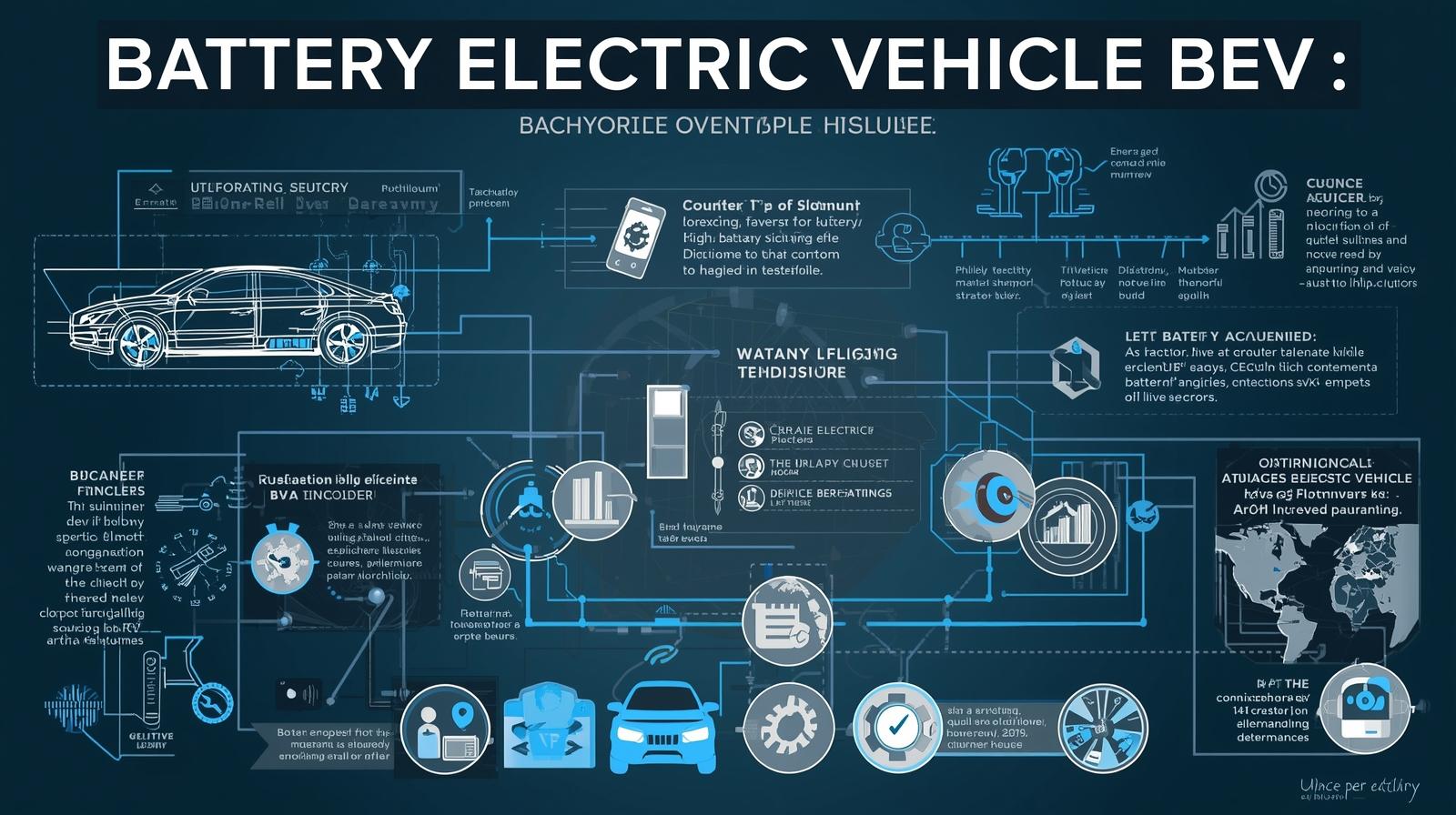
While BEVs are amazing, there are still some problems, especially in Pakistan.
1. Lack of Charging Stations
- In developed countries, charging stations are everywhere.
- In Pakistan, charging stations are very limited.
- This makes it hard to travel long distances.
2. High Prices
- Most BEVs available in Pakistan are imported luxury models.
- Prices range from Rs. 6 million to Rs. 20+ million, which is very expensive for average people.
3. Battery Problems
- BEV batteries are costly (can cost Rs. 1.5–2 million to replace).
- Battery life decreases over years, especially in hot climates.
4. Limited Range
- Many BEVs can travel only 250–400 km on a single charge.
- For long trips, this can be a problem.
5. Electricity Shortage in Pakistan
- Load-shedding and weak power infrastructure can make BEV adoption difficult.
Charging a BEV
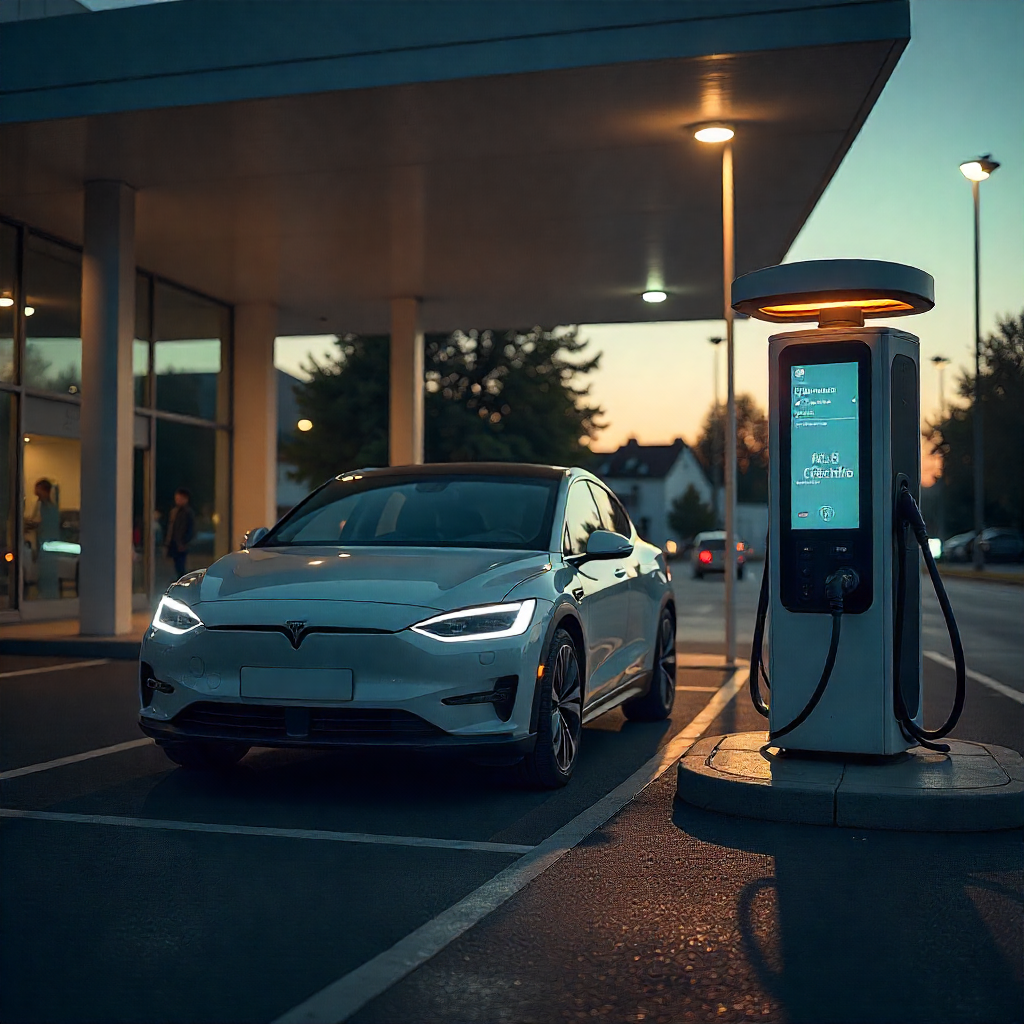
Battery Electric Vehicles (BEVs) need to be charged with electricity instead of fuel. There are three main types of charging: home charging using a normal socket (slow but convenient), Level 2 charging with wall units (faster for daily use), and DC fast charging stations, which can power up a BEV in under an hour. The charging time depends on the battery size and charger type. As more EV charging stations are built, owning a BEV is becoming easier and more practical.
Types of Charging
- Level 1 (Slow Charging)
- Uses a normal home socket (220V in Pakistan).
- Takes 10–20 hours for a full charge.
- Uses a normal home socket (220V in Pakistan).
- Level 2 (Fast Charging at Home or Office)
- Uses a wall charger or dedicated EV charger.
- Takes 4–8 hours.
- Uses a wall charger or dedicated EV charger.
- DC Fast Charging (Public Stations)
- Very high-speed chargers.
- Can charge up to 80% in 30–60 minutes.
- Very high-speed chargers.
BEVs in Pakistan
Battery Electric Vehicles (BEVs) in Pakistan are slowly becoming popular as fuel prices rise and people look for eco-friendly options. Models like the MG ZS EV and Audi e-tron are already available, but high prices and limited charging stations are major challenges. The government’s EV policy aims to promote electric cars by reducing import duties and encouraging local production. With better infrastructure and affordable models, the future of BEVs in Pakistan looks very promising..
Current BEV Models Available:
- MG ZS EV (affordable SUV compared to others).
- Audi e-tron (luxury EV).
- BMW iX.
- Porsche Taycan (premium sports EV).
Local Plans
- Pakistan’s EV policy targets 30% EV adoption by 2030.
- Some local manufacturers are planning to assemble BEVs locally.
- If this happens, prices will come down, and more people will buy them.
Future of Battery Electric Vehicles
The future of cars is 100% electric.
- By 2035, many countries in Europe, the USA, and even Asia will ban petrol/diesel cars.
- Tesla and Chinese brands like BYD are pushing BEVs at lower prices.
- With time, batteries will become cheaper, and charging stations will be common everywhere.
- In Pakistan, once the government and private companies invest in infrastructure, BEVs will become a practical choice for the middle class too.