
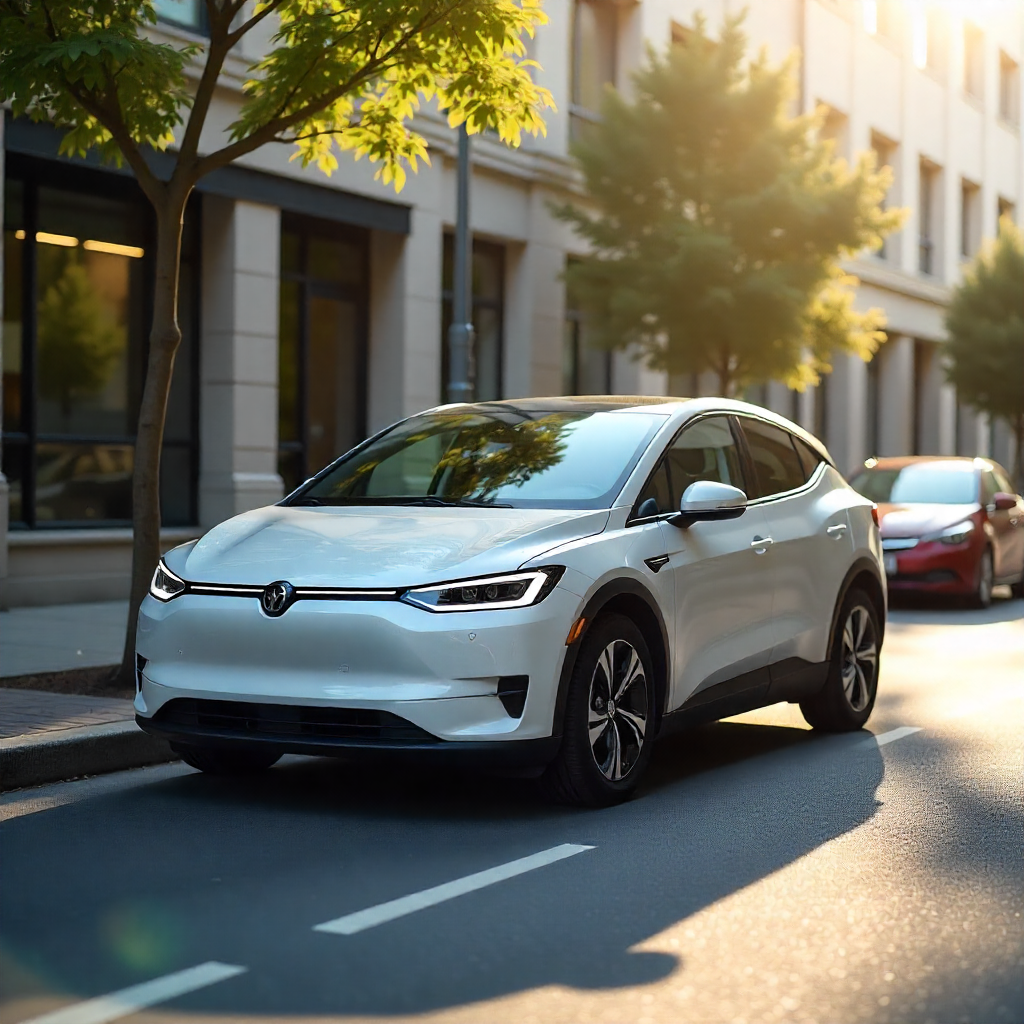
As the automotive industry accelerates toward cleaner and more efficient technologies, Plug-In Hybrid Electric Vehicles (PHEVs) are gaining attention worldwide. Combining the benefits of a battery electric motor and a traditional internal combustion engine, PHEVs offer flexibility, efficiency, and a smoother transition toward fully electric vehicles.
In this guide, we will cover what PHEVs are, how they work, their advantages, challenges, types, and the future of plug-in hybrid technology.
What is a Plug-In Hybrid Electric Vehicle (PHEV)?
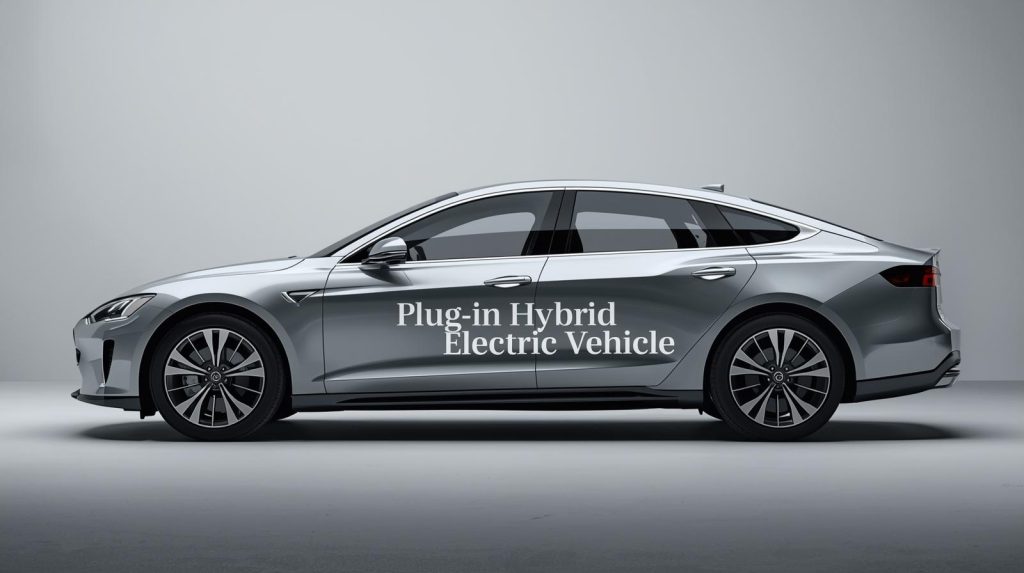
A Plug-In Hybrid Electric Vehicle (PHEV) is a vehicle that combines a battery-powered electric motor with a gasoline or diesel engine. Unlike standard Hybrid Electric Vehicles (HEVs), PHEVs can be charged externally via a power outlet or charging station.
The battery allows PHEVs to drive a certain distance solely on electric power, reducing fuel consumption and emissions during city driving. Once the battery is depleted, the gasoline engine takes over, extending the driving range and eliminating range anxiety commonly associated with fully electric vehicles (BEVs).
PHEVs are designed for fuel efficiency, eco-friendliness, and convenience, making them a popular choice for drivers who want a greener vehicle without relying entirely on electric charging infrastructure.
Key Components of a PHEV
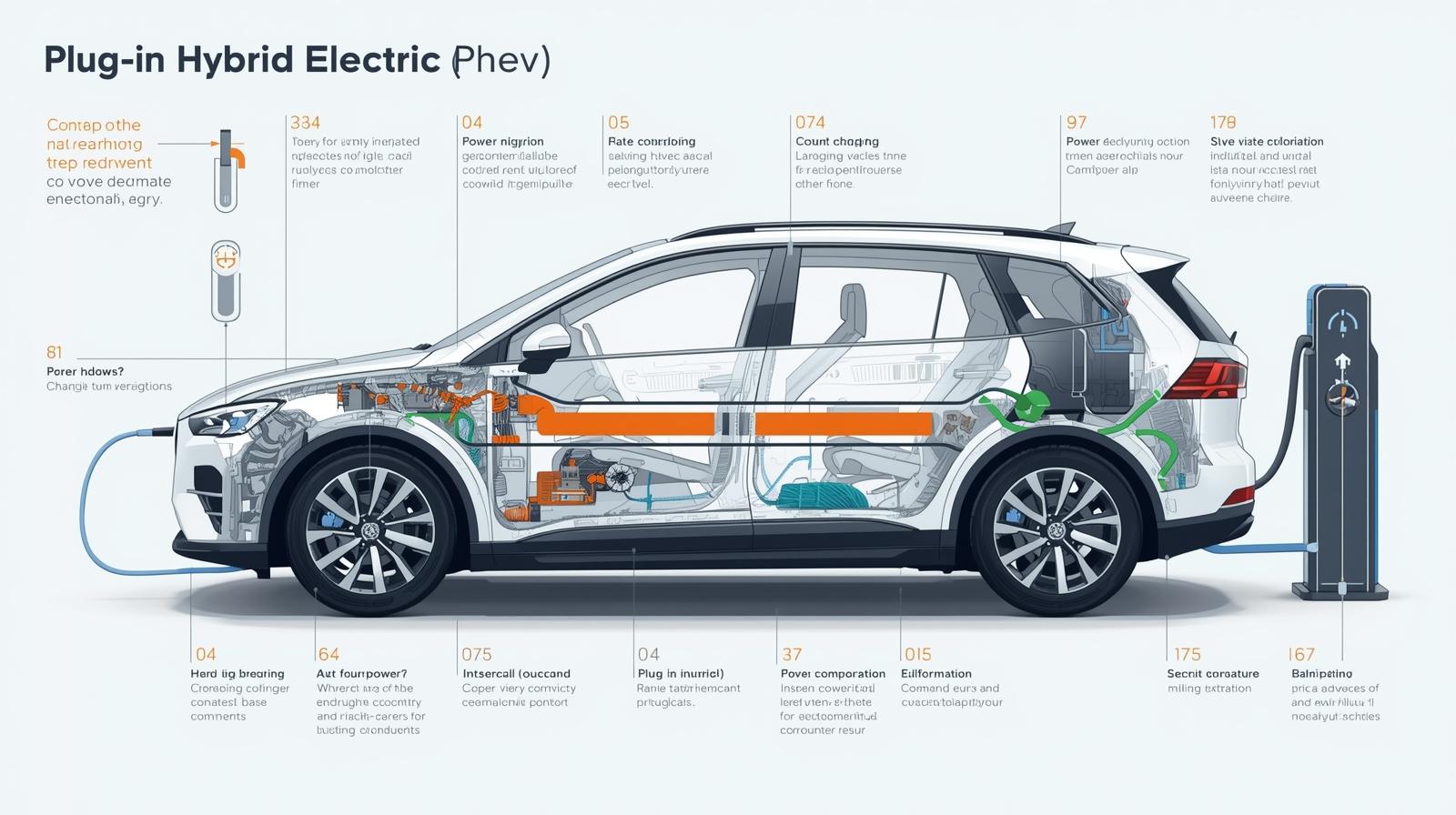
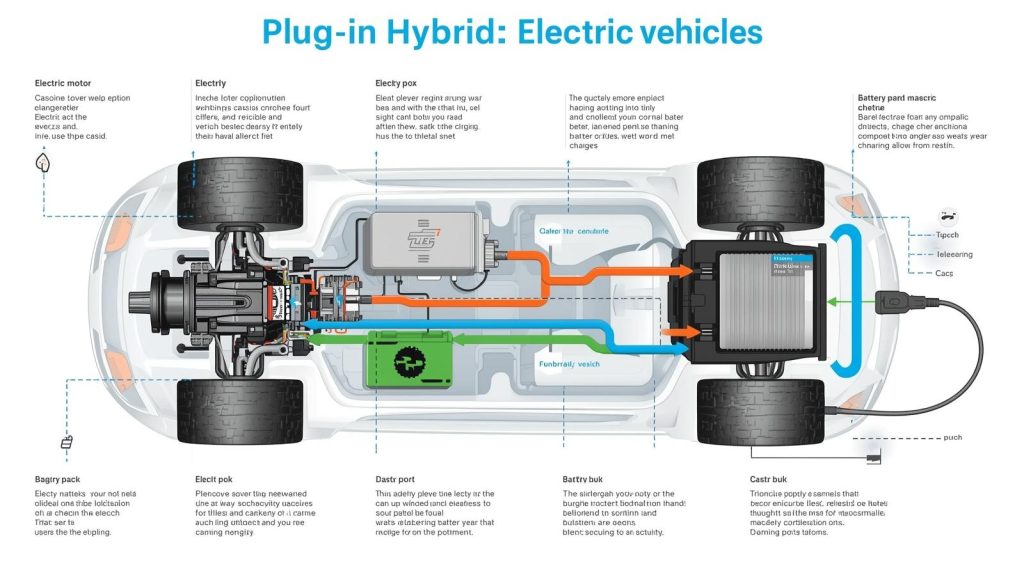
Understanding a PHEV’s operation requires knowing its main components:
- Battery Pack
- Larger than standard HEVs to provide extended all-electric driving.
- Can be charged via external outlets or regenerative braking.
- Larger than standard HEVs to provide extended all-electric driving.
- Electric Motor
- Powers the vehicle at low speeds and during city driving.
- Provides instant torque for smooth acceleration.
- Powers the vehicle at low speeds and during city driving.
- Internal Combustion Engine (ICE)
- Engages when the battery is depleted or during high-speed driving.
- Works with the electric motor in hybrid mode for efficiency.
- Engages when the battery is depleted or during high-speed driving.
- Power Electronics / Controller
- Manages the energy flow between battery, motor, and engine.
- Optimizes performance and efficiency depending on driving conditions.
- Manages the energy flow between battery, motor, and engine.
- Regenerative Braking System
- Recaptures energy during braking and stores it in the battery.
- Improves efficiency and extends the all-electric range.
- Recaptures energy during braking and stores it in the battery.
- Charging Port
- Allows external charging from home, office, or public charging stations.
- Allows external charging from home, office, or public charging stations.
How Does a PHEV Work? Step-by-Step
How does a PHEV work? A Plug-in Hybrid Electric Vehicle (PHEV) combines the benefits of both electric and gasoline power to deliver efficient and flexible driving. It uses a battery-powered electric motor for short trips and a gasoline engine for longer drives. You can charge the battery by plugging it into an external power source — just like a full EV — and when the battery runs low, the gas engine automatically takes over. This dual system offers better fuel efficiency, lower emissions, and greater flexibility for drivers who want to reduce fuel costs without worrying about charging stations.
1. Charging the Battery
The battery can be charged externally through a wall outlet, home charger, or public charging station. Charging options include:
- Level 1 (Standard outlet): Slow, overnight charging.
- Level 2 (240V): Faster, usually 2–4 hours.
- DC Fast Charging: Rapid charging for some PHEVs, though less common than BEVs.
This allows the vehicle to operate on electric power alone for daily commuting, reducing fuel usage and emissions.
2. Electric-Only Driving
When driving at low speeds or in city traffic, the PHEV operates entirely on the electric motor. This mode produces zero tailpipe emissions, lowers fuel costs, and provides quiet, smooth acceleration.
3. Hybrid Mode
Once the battery is depleted or higher power is needed (e.g., highway driving):
- The gasoline engine activates.
- Both the electric motor and engine can work together for maximum efficiency.
- The engine can also recharge the battery while driving.
This flexibility eliminates range anxiety, a common concern with fully electric vehicles.
4. Regenerative Braking
During braking or deceleration:
- The electric motor functions as a generator.
- Captured energy is sent back to the battery for later use.
- This improves overall efficiency and extends the electric-only range.
5. Energy Management
The onboard controller constantly monitors and optimizes energy flow between:
- Battery and electric motor
- Gasoline engine
- Vehicle accessories
This ensures optimal performance, fuel efficiency, and battery life in all driving conditions.
Advantages of Plug-In Hybrid Electric Vehicles
PHEVs offer multiple benefits for drivers, the environment, and the economy:
- Extended Driving Range
- Can drive on electric power for 20–50 miles, then switch to gasoline for longer trips.
- Can drive on electric power for 20–50 miles, then switch to gasoline for longer trips.
- Lower Fuel Costs
- Reduces gasoline consumption significantly, especially for daily commuting.
- Reduces gasoline consumption significantly, especially for daily commuting.
- Reduced Emissions
- Electric-only driving produces zero tailpipe emissions, lowering the carbon footprint.
- Electric-only driving produces zero tailpipe emissions, lowering the carbon footprint.
- Convenient Charging Options
- Can be charged at home, office, or public charging stations.
- Can be charged at home, office, or public charging stations.
- Smooth and Quiet Driving
- Electric motor ensures instant torque and quiet operation.
- Electric motor ensures instant torque and quiet operation.
- Government Incentives
- Many countries offer tax credits, rebates, and incentives for PHEV buyers.
- Many countries offer tax credits, rebates, and incentives for PHEV buyers.
Challenges of Plug-In Hybrid Electric Vehicles
Despite their advantages, PHEVs also face certain challenges:
- Higher Upfront Cost
- More expensive than conventional vehicles due to larger batteries and dual powertrain.
- More expensive than conventional vehicles due to larger batteries and dual powertrain.
- Battery Maintenance
- Batteries may degrade over time and can be costly to replace.
- Batteries may degrade over time and can be costly to replace.
- Charging Infrastructure
- While charging is flexible, public charging stations are still not as widespread as gasoline stations.
- While charging is flexible, public charging stations are still not as widespread as gasoline stations.
- Moderate Fuel Savings Compared to BEVs
- While more efficient than standard hybrids, PHEVs do not match the efficiency of fully electric vehicles for longer trips.
- While more efficient than standard hybrids, PHEVs do not match the efficiency of fully electric vehicles for longer trips.
Understanding these challenges helps consumers make informed decisions about adopting PHEV technology.
Types of PHEVs
PHEVs vary in powertrain configuration and electric range:
- Short-Range PHEVs
- Electric-only range of 20–30 miles.
- Best for city commuting with occasional highway travel.
- Electric-only range of 20–30 miles.
- Long-Range PHEVs
- Electric-only range of 40–60 miles.
- Suitable for drivers who want longer electric driving before switching to gasoline.
- Electric-only range of 40–60 miles.
- Series PHEVs
- Gasoline engine generates electricity for the motor but does not directly drive the wheels.
- Gasoline engine generates electricity for the motor but does not directly drive the wheels.
- Parallel PHEVs
- Both the engine and electric motor can drive the wheels directly.
- Both the engine and electric motor can drive the wheels directly.
- Series-Parallel PHEVs
- Flexible configuration combining series and parallel setups for optimal efficiency.
- Flexible configuration combining series and parallel setups for optimal efficiency.
PHEVs vs Other Vehicles
| Feature | PHEV | HEV | BEV | Gasoline Car |
| Power Source | Electric + Gasoline | Electric + Gasoline | Fully Electric | Gasoline |
| Charging | External + regenerative | Regenerative only | External only | Gasoline |
| Electric Range | 20–60 miles | Limited | Full range depends on battery | None |
| Emissions | Lower | Moderate | Zero | High |
| Fuel Efficiency | High | Moderate | High | Low |
| Driving Experience | Smooth, quiet | Smooth | Quiet, instant torque | Standard |
PHEVs combine the best features of BEVs and HEVs, providing flexibility, efficiency, and reduced emissions.
Future of Plug-In Hybrid Electric Vehicles
The future of PHEVs is bright, driven by technological advancements and environmental concerns:
- Advanced Battery Technology
- Higher energy density, lighter weight, and longer lifespan.
- Higher energy density, lighter weight, and longer lifespan.
- Faster and Smarter Charging
- Improved home and public charging options.
- Smart charging integrated with renewable energy sources.
- Improved home and public charging options.
- Eco-Friendly Transportation
- Reduced emissions help cities meet climate goals.
- Reduced emissions help cities meet climate goals.
- Transition Technology
- PHEVs serve as a bridge between conventional vehicles and fully electric vehicles (BEVs), especially where EV infrastructure is still growing.
- PHEVs serve as a bridge between conventional vehicles and fully electric vehicles (BEVs), especially where EV infrastructure is still growing.
- Integration with Smart Features
- Connected apps, energy monitoring, and optimized driving modes enhance efficiency.
- Connected apps, energy monitoring, and optimized driving modes enhance efficiency.
PHEVs are expected to remain an essential part of sustainable mobility, offering drivers both convenience and environmental benefits.
Conclusion
Plug-In Hybrid Electric Vehicles (PHEVs) operate using a dual power system that combines a battery-powered electric motor and a gasoline engine. This system allows drivers to enjoy electric-only driving for short trips while maintaining the flexibility and range of a gasoline engine for longer journeys.
Key operational features include:
- External charging for the battery.
- Electric-only driving for city and low-speed conditions.
- Hybrid mode combining electric and gasoline power.
- Regenerative braking to recharge the battery efficiently.
- Smart energy management via onboard controllers.
PHEVs offer fuel savings, reduced emissions, smooth driving, and convenient charging, making them ideal for environmentally conscious drivers. While challenges such as higher upfront costs, battery maintenance, and moderate efficiency compared to BEVs exist, technological advancements continue to make PHEVs more affordable and practical.
As the world transitions to sustainable transportation, PHEVs act as a bridge between traditional gasoline vehicles and fully electric cars, helping drivers reduce their carbon footprint without compromising convenience or range. They are more than just vehicles—they are a step toward a cleaner, greener, and smarter future for mobility.