

As electric vehicles (EVs) continue to gain popularity worldwide, many drivers are becoming increasingly curious — and cautious — about how charging affects battery health. A common question asked by both new and seasoned EV owners is: “Will public chargers damage my EV battery?”
With the expansion of fast-charging networks and more people relying on them for convenience, it’s important to understand how different charging methods impact your EV’s long-term performance.
In this detailed, SEO-friendly, and E-E-A-T-compliant guide, we’ll answer this critical question, explain how public charging works, explore factors that influence battery longevity, and share practical tips to help you protect your EV battery while charging anywhere.
Understanding the Basics: How EV Charging Works

Before we dive into whether public chargers damage your EV battery, let’s understand how charging actually happens.
An EV’s battery stores direct current (DC) electricity, but the grid supplies alternating current (AC). Therefore, a converter or inverter transforms the current type during charging.
- AC Charging (Level 1 & Level 2):
Happens through home outlets or public Level 2 chargers. It’s slower but gentler on the battery. - DC Fast Charging (Level 3):
Found mostly at public charging stations. It bypasses the onboard converter and sends high-voltage DC directly into the battery, charging it much faster — but also generating more heat.
This is where concerns begin: does frequent use of fast public chargers harm EV batteries over time?
Will Public Chargers Damage My EV Battery?
The short answer: No, public chargers will not damage your EV battery — if used correctly and not excessively.
Modern electric vehicles are equipped with sophisticated Battery Management Systems (BMS) that monitor and regulate charging speed, voltage, and temperature. These systems are designed to protect the battery from overcharging, overheating, and excessive stress, even when using high-power DC fast chargers.
However, frequent use of fast chargers can lead to gradual battery wear over time, reducing the battery’s capacity slightly faster than slow home charging.
So while public chargers don’t directly “damage” your battery, how often and how you use them can influence its long-term health.
How Public Charging Affects Battery Health
To better understand whether public chargers damage EV batteries, we need to look at the underlying science — particularly the effects of heat, current, and charging patterns.
1. Heat Generation
Fast charging produces more heat because it pushes a higher current into the battery.
High temperatures accelerate chemical reactions inside lithium-ion cells, which can lead to lithium plating and minor degradation over time.
Most modern EVs have liquid cooling systems that keep the battery at optimal temperature, minimizing damage. However, continuous exposure to high heat (especially in hot climates) can still shorten battery life slightly.
2. Charging Speed and Voltage Stress
Every battery cell has a safe voltage range.
Rapid charging applies higher voltage, forcing ions to move faster between electrodes.
This speeds up charging but increases electrochemical stress, slightly affecting the battery’s internal structure over years of use.
Again, your car’s BMS ensures voltage levels remain within safe limits, preventing immediate damage.
3. Depth of Charge and Battery Cycling
Charging from 0% to 100% frequently causes more stress than maintaining mid-range levels (20%–80%).
Public DC chargers are often used for “top-ups” during trips — and that’s fine. But making it a daily habit to fast charge from 0% to 100% can accelerate battery capacity loss.
How Often Can You Use Public Chargers Safely?
Occasional or even regular use of public chargers is perfectly safe.
But for optimal battery health:
- Use Level 2 home charging for most of your routine charging.
- Reserve DC fast chargers for long trips or emergencies.
- Avoid charging to 100% unless necessary for range.
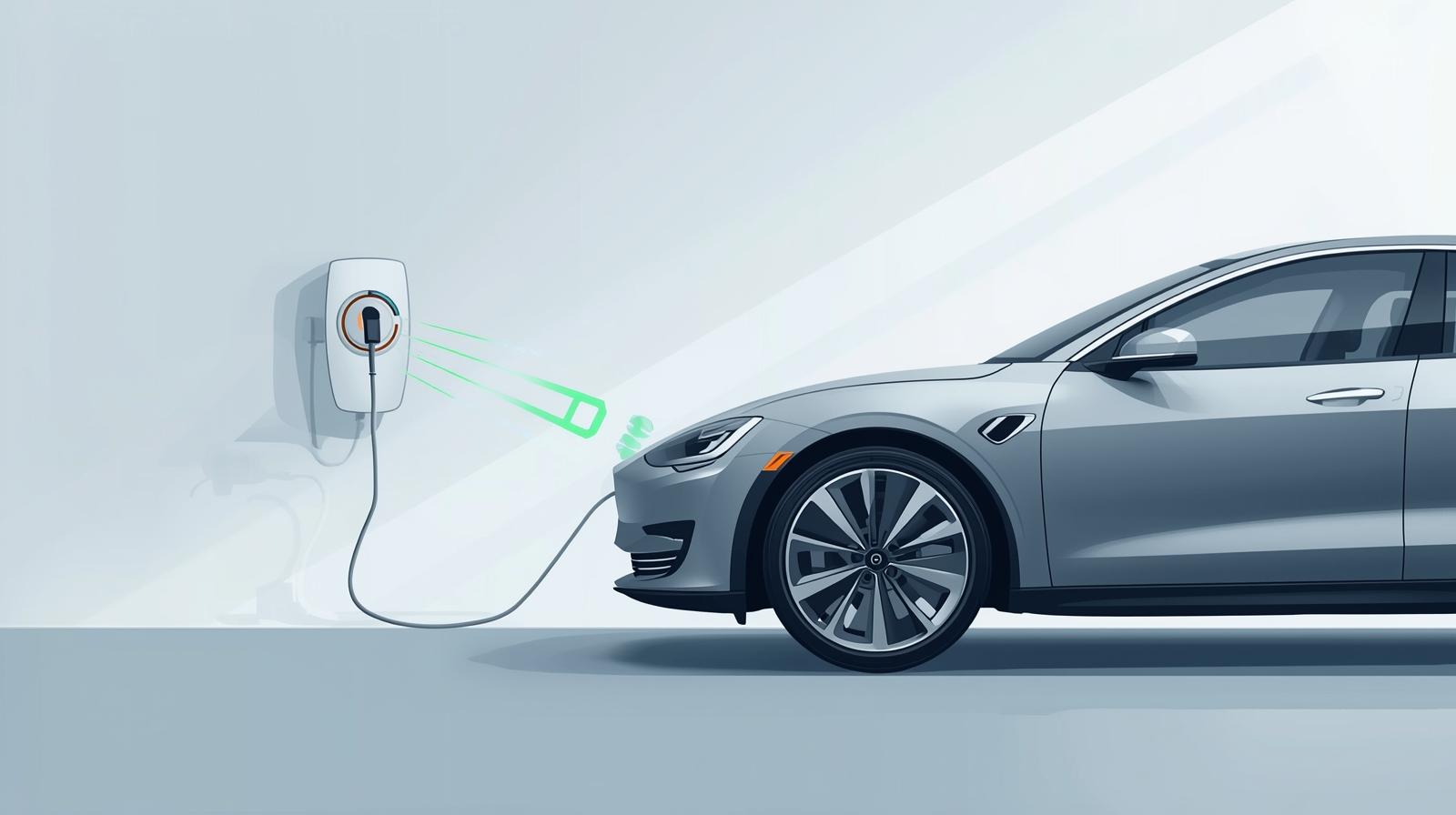
According to studies from the U.S. Department of Energy and battery research groups, EVs that primarily use slow home charging retain up to 10–15% more capacity after 8 years compared to those heavily reliant on fast public charging.
Battery Management Systems (BMS): Your EV’s Built-In Protection
One of the main reasons public chargers don’t damage EV batteries is because of the BMS — a smart monitoring system that keeps your battery safe.
Here’s what it does:
- Regulates charging current to prevent overheating.
- Monitors voltage for every cell.
- Controls temperature through cooling or heating systems.
- Limits charging speed when the battery is too cold, hot, or nearly full.
Essentially, even if you connect your EV to a high-power public charger, the BMS automatically adjusts the input to ensure safe and efficient charging.
Factors That Influence Whether Public Charging Affects Battery Life
When evaluating if public chargers damage your EV battery, it’s not just the charger — it’s the combination of external factors that matter most.
1. Charging Frequency
Occasional fast charging has minimal effect. However, using DC fast chargers daily can slightly shorten battery life over several years.
2. Temperature Management
Hot or cold weather affects how your battery responds to charging. Use preconditioning or thermal management features to keep your battery at the right temperature before plugging in.
3. State of Charge
Try to keep your battery between 20% and 80% for daily use. Avoid full charges unless necessary for long trips.
4. Charger Quality
Poorly maintained public chargers or non-certified equipment can cause inconsistent voltage or power surges — which may affect battery health. Always use reliable, certified networks like Tesla Supercharger, Electrify America, or ChargePoint.
5. Battery Chemistry
Some EVs use Lithium Iron Phosphate (LFP) batteries that handle frequent full charges better, while Nickel-Manganese-Cobalt (NMC) batteries prefer partial charges.
What Experts and Studies Say
Recent studies and industry data provide reassurance for EV owners.
- Recurrent Auto (2024) found that EVs using DC fast chargers frequently saw only a 1–2% faster degradation rate per year compared to those charged mainly at home.
- Tesla’s internal data indicates that Supercharger use does not cause significant battery degradation when the system’s recommended guidelines are followed.
- Nissan and Hyundai recommend limiting DC fast charging to “as needed,” but confirm that their vehicles are built to handle it safely.
These findings make it clear: public chargers don’t harm your EV battery when used responsibly.
Myth vs. Fact: Public Charging and EV Battery Health
| Myth | Fact |
|---|---|
| Public chargers overheat batteries and cause damage. | Modern EVs regulate charging temperature automatically to prevent damage. |
| Fast charging voids the battery warranty. | Not true — manufacturers design EVs for fast charging and include it under warranty. |
| Charging to 100% always damages the battery. | Only repeated full charges cause minor wear; occasional 100% charges are fine. |
| Only home charging is safe. | Public chargers are certified and safe, provided they’re well maintained. |
Best Practices to Protect Your Battery While Using Public Chargers
Even though public chargers won’t damage your EV battery, following these best practices will keep your battery in peak condition:
1. Avoid Charging to 100% Regularly
Charge only what you need. For most daily drives, 80% is plenty.
2. Monitor Battery Temperature
If your EV app shows high temperatures after fast charging, allow it to cool before driving again.
3. Use Reliable Networks
Stick with reputable charging networks that follow strict maintenance and safety standards.
4. Keep Software Updated
Manufacturers release BMS updates that enhance charging efficiency and battery protection.
5. Park in Shade During Charging
Heat is the enemy of battery longevity. Parking in shaded or cool areas helps.
6. Limit Consecutive Fast Charges
If you’re on a road trip, try alternating between DC fast charging and Level 2 chargers when possible.
7. Don’t Charge Immediately After Driving
Let the battery cool for a few minutes before plugging in, especially after long drives.
How Public Charging Impacts Battery Warranty
Most automakers, including Tesla, BMW, Hyundai, and Ford, provide 8-year or 100,000-mile battery warranties that cover excessive degradation — regardless of charging method.
This is proof that EV manufacturers expect and support public fast charging. The warranty ensures peace of mind that occasional use of high-speed chargers won’t void coverage or cause unsafe degradation.
The Role of Smart Charging Technology
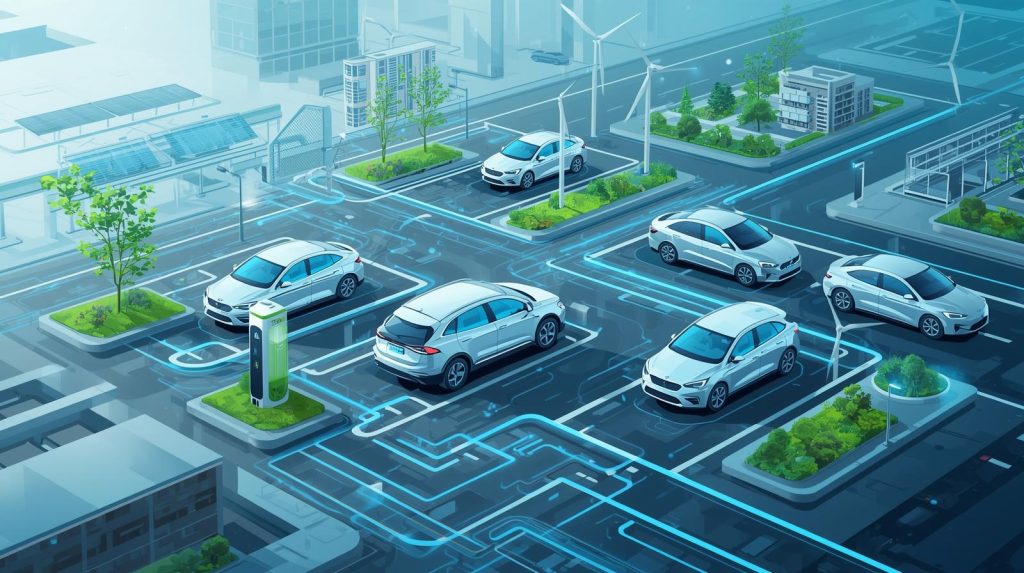
Today’s charging infrastructure includes smart chargers that communicate directly with your EV.
These intelligent systems adjust voltage and current dynamically, ensuring efficient power delivery without harming the battery.
Smart features include:
- Load balancing to prevent grid overload.
- Real-time diagnostics to detect faulty connections.
- Overheat protection for both cable and vehicle.
This technology further reduces the risk of public chargers damaging your EV battery.
Future Developments: Safer and Faster Charging Ahead
EV charging technology is evolving rapidly. Future chargers will not only be faster but also smarter and gentler on your battery.
Upcoming innovations include:
- Solid-state batteries that tolerate higher voltages and temperatures.
- Adaptive charging curves that adjust current automatically to minimize stress.
- AI-powered BMS systems that learn your driving patterns to optimize charging schedules.
With these advancements, the concern “will public chargers damage my EV battery?” will soon be a thing of the past.
Environmental Impact of Public Charging
Beyond battery health, it’s worth noting that public charging plays a significant role in reducing emissions and promoting sustainable mobility.
Most public charging networks are transitioning to renewable energy sources, meaning your fast charge may soon be 100% green.
By balancing convenience with eco-consciousness, EV owners can enjoy fast charging without guilt or battery anxiety.
When to Be Cautious with Public Charging
While it’s safe, here are scenarios where you should be careful:
- Unknown or Uncertified Chargers: Avoid using chargers from unverified sources or poorly maintained stations.
- High-Temperature Conditions: Don’t charge when the battery or environment is too hot.
- Extended 100% Charges: Avoid keeping your EV plugged in at full charge for long periods.
These small precautions ensure your EV battery remains healthy and reliable for years.
Conclusion
So, will public chargers damage your EV battery?
No — not if used correctly.
Public chargers, including DC fast chargers, are safe, efficient, and designed with battery protection in mind. Modern EVs use smart Battery Management Systems that prevent overheating, overcharging, and voltage stress.
However, consistent fast charging at 100% capacity or exposure to high heat can slightly accelerate natural battery wear. The key is moderation — use fast chargers for long trips, and rely on slower Level 2 charging for daily needs.
By following best practices and using trusted charging networks, you can enjoy convenient public charging without compromising your EV’s battery life.
Your EV is built for this — public charging is a convenience, not a risk.
FAQs: Will Public Chargers Damage My EV Battery?
1. Can I use public chargers every day?
Yes, but for optimal longevity, use them mainly for travel or when home charging isn’t available.
2. Do fast chargers reduce EV battery lifespan?
Only slightly, and mostly with heavy, daily use. Occasional fast charging is perfectly fine.
3. Is public charging safe in hot or cold weather?
Yes, but precondition your battery using your EV’s thermal management system before charging.
4. Should I avoid charging to 100% at public stations?
Yes, unless you need full range for long trips. Staying between 20%–80% is ideal.
5. Can public chargers void my EV battery warranty?
No. All major manufacturers support public and fast charging under warranty.