

As electric vehicles (EVs) become more common, many new owners ask an important question: Is it safe to charge an electric car at home? The short answer is yes—home EV charging is very safe when done correctly. In fact, millions of EV owners worldwide charge their vehicles at home every day without any issues.
However, safety depends on factors like your electrical system, the charging equipment you use, and how well you follow recommended guidelines. In this article, we’ll explore how home EV charging works, what makes it safe, potential risks, and best practices to ensure worry-free charging.
How Home EV Charging Works
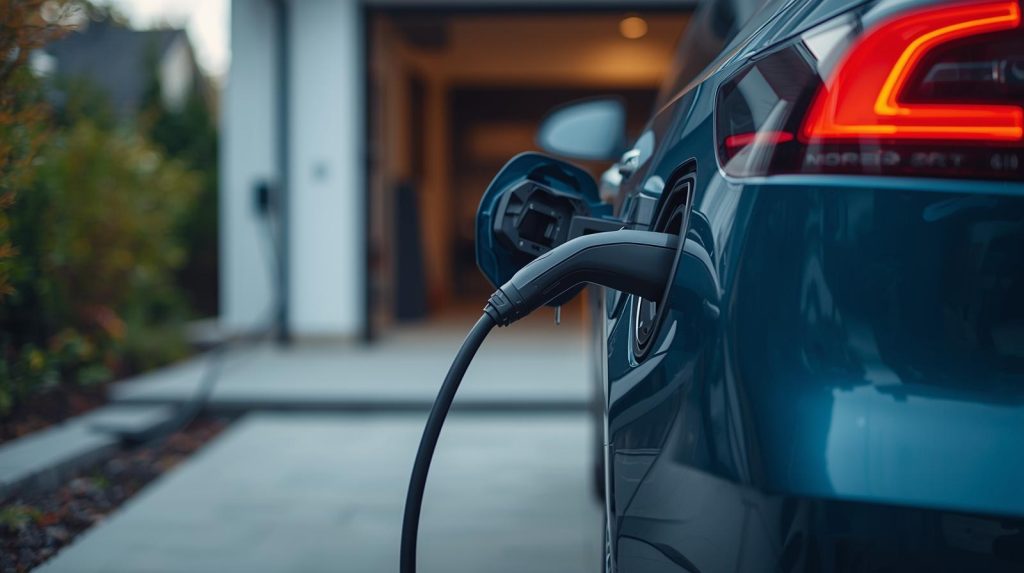
To understand whether it is safe to charge an electric car at home, it helps to know how home charging systems operate.
Level 1 Charging (Standard Outlet)
Level 1 charging uses a regular household outlet and is the simplest method. It delivers power slowly, making it ideal for overnight charging and short daily commutes.
Level 2 Charging (Dedicated Home Charger)
Level 2 charging uses a higher-voltage outlet and a wall-mounted charger. It charges much faster and often requires professional installation.
Both methods are designed with built-in safety protections, including automatic shut-off systems and temperature monitoring.
Is It Safe to Charge an Electric Car at Home Every Day?
Yes, it is safe to charge an electric car at home daily, provided the setup meets safety standards. EV manufacturers design vehicles to handle regular charging without damaging the battery or electrical system.
Daily home charging is actually encouraged because:
- It keeps the battery at a healthy charge level
- It reduces reliance on public chargers
- It lowers long-term charging costs
Built-In Safety Features That Protect Your EV
Modern EVs and charging stations are engineered with advanced safety technology, which answers the question: Is it safe to charge an electric car at home? with confidence.
Key safety features include:
- Automatic power shutoff if a fault is detected
- Ground fault protection to prevent electric shock
- Overheat monitoring to avoid cable or outlet damage
- Smart communication between the EV and charger
These features work together to ensure safe and stable charging.
Common Concerns About Home EV Charging
Risk of Fire
One of the biggest worries is fire risk. While any electrical device carries some risk, EV charging fires are extremely rare when approved equipment is used and the wiring is in good condition.
Overloading Home Circuits
Charging an EV on an old or damaged circuit can be risky. That’s why Level 2 chargers should always be installed by a licensed electrician.
Weather Safety
Home EV chargers are designed to be weather-resistant, making them safe for outdoor use in rain, heat, or cold when properly installed.
How to Make Home EV Charging Even Safer
If you want full peace of mind, follow these best practices:
- Use manufacturer-approved charging equipment
- Avoid extension cords for EV charging
- Have your home wiring inspected if your house is older
- Install a dedicated circuit for Level 2 chargers
- Keep charging ports clean and dry
These steps significantly reduce any potential risk.
Is Level 1 Charging Safer Than Level 2?
Many people ask if Level 1 charging is safer than Level 2 charging. Both are safe when installed correctly. However:
- Level 1 charging is slower and produces less heat
- Level 2 charging is faster but requires professional installation
Safety depends more on proper setup than charging speed.
Cost and Safety Benefits of Charging at Home
Charging at home is not only safe but also cost-effective:
- Lower electricity rates compared to public charging
- Reduced wear on fast-charging systems
- Convenience and consistency
This combination of affordability and safety makes home charging the preferred option for most EV owners.
Conclusion: Is It Safe to Charge an Electric Car at Home?
Home EV charging has become a normal part of everyday life for electric car owners. With modern safety features, professional installation options, and smart charging technology, charging an electric car at home is both safe and practical. By following best practices, you can enjoy convenient, stress-free charging while protecting your vehicle and your home.
Frequently Asked Questions (FAQs)
1. Is it safe to charge an electric car at home?
Yes, it is safe to charge an electric car at home when you use manufacturer-approved charging equipment and properly installed electrical outlets.
2. Can charging an electric car at home cause a fire?
Home EV charging fires are very rare. Most risks come from faulty wiring or using unapproved chargers, which can be avoided with proper installation.
3. Is Level 1 charging safe for home use?
Yes, Level 1 charging is very safe for home use because it uses a standard outlet and delivers power slowly with minimal heat.
4. Do I need an electrician to charge my EV at home?
An electrician is not required for Level 1 charging, but Level 2 chargers should always be installed by a licensed professional.
5. Is it safe to charge an electric car overnight at home?
Yes, overnight charging is safe. EVs and chargers have built-in safety systems that stop charging if any issue is detected.
6. Is it safe to charge an electric car in the rain?
Yes, home EV chargers are weather-resistant and designed to operate safely in rain when installed correctly.
7. Can an old house safely charge an electric car?
Older homes can safely charge EVs, but it’s recommended to have the wiring inspected, especially before installing a Level 2 charger.
8. Is home charging safer than public charging?
Both are safe, but home charging offers more control and consistency, reducing exposure to damaged cables or overloaded public stations.