
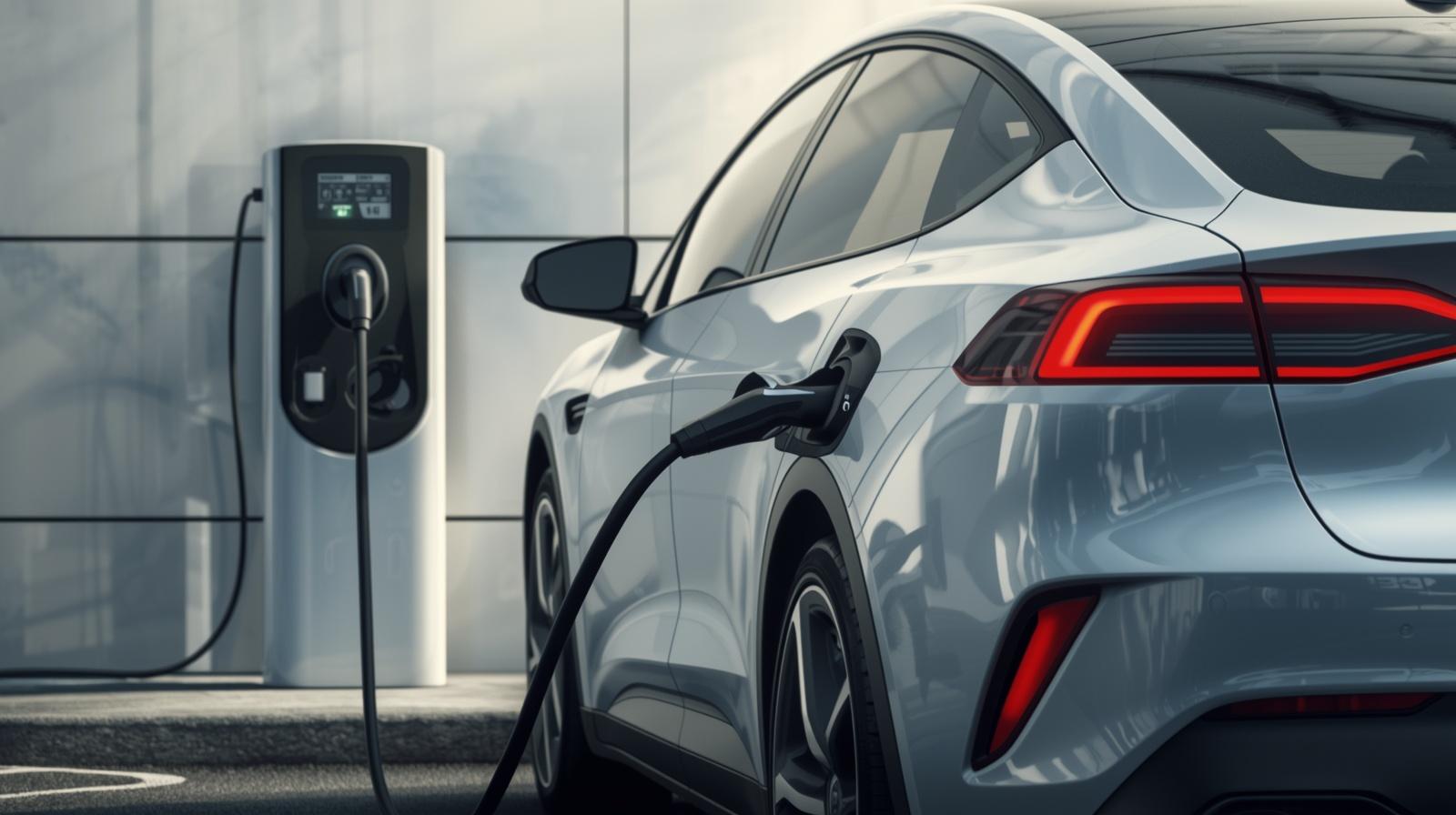
Electric vehicles (EVs) are transforming the future of transportation. As more drivers switch from gasoline-powered cars to electric vehicles, the importance of reliable and efficient charging solutions continues to grow. EV chargers play a crucial role in making electric mobility practical, convenient, and cost-effective.
This leads to a common question many people ask: What are the benefits of EV chargers?
EV chargers offer numerous advantages, including convenience, cost savings, environmental benefits, and improved energy efficiency. In this detailed guide, we will explore the benefits of EV chargers, how they work, and why they are essential for the future of transportation.
Understanding EV Chargers
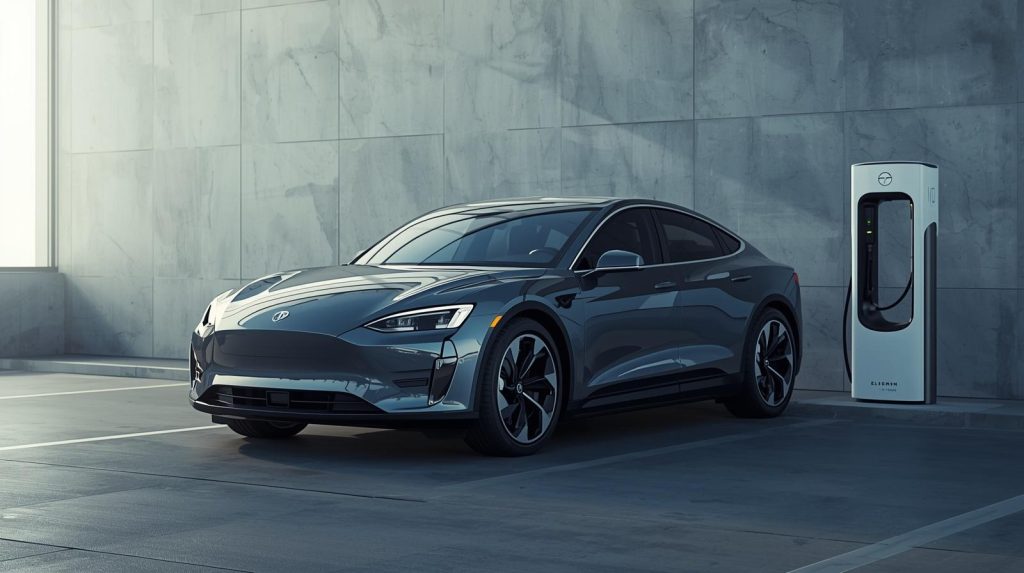
Before discussing the benefits of EV chargers, it is helpful to understand what they are and how they function.
An EV charger is a device that supplies electricity to recharge the battery of an electric vehicle. Instead of refueling at a gas station, EV owners plug their vehicles into a charging station to restore battery power.
EV chargers come in different types, including:
- Level 1 chargers – basic charging using a standard household outlet
- Level 2 chargers – faster chargers commonly installed at homes or workplaces
- DC fast chargers – high-power chargers found at public charging stations
Leading automakers such as Tesla, Nissan, BMW, and Hyundai design their vehicles to work with modern EV charging technologies.
Key Benefits of EV Chargers
EV chargers provide several advantages that make electric vehicles more practical and appealing.
1. Convenience of Charging at Home
One of the biggest benefits of EV chargers is the convenience they offer.
With a home EV charger, drivers can charge their vehicles overnight while sleeping. This eliminates the need for frequent visits to gas stations.
Benefits of home charging include:
- Charging anytime at home
- Starting each day with a full battery
- Saving time compared to fueling at gas stations
For many EV owners, home charging becomes part of their daily routine.
2. Lower Fuel Costs
Another major advantage of EV chargers is the potential for significant cost savings.
Electricity is generally cheaper than gasoline. Charging an EV at home often costs much less than filling a traditional fuel tank.
Over time, these savings can add up and reduce the overall cost of vehicle ownership.
3. Reduced Environmental Impact
EV chargers support environmentally friendly transportation by enabling the use of electric vehicles.
Electric vehicles produce zero tailpipe emissions, which helps reduce air pollution and greenhouse gas emissions.
When EVs are charged using renewable energy sources such as solar or wind power, the environmental benefits become even greater.
4. Faster and More Efficient Charging
Modern EV chargers provide efficient and reliable charging solutions.
For example:
- Level 1 chargers provide basic slow charging
- Level 2 chargers can fully charge many EVs overnight
- DC fast chargers can recharge a battery to around 80% in a short time
This range of options allows drivers to choose the charging method that best suits their needs.
5. Smart Charging Features
Many modern EV chargers include smart technology that improves efficiency and convenience.
Smart chargers allow users to:
- Schedule charging times
- Monitor energy consumption
- Control charging through mobile apps
- Optimize charging during off-peak electricity hours
These features help EV owners reduce electricity costs and manage their energy usage more effectively.
6. Reduced Vehicle Maintenance
Electric vehicles require less maintenance than traditional gasoline vehicles.
Because EVs have fewer moving parts, they do not require:
- Oil changes
- Exhaust system repairs
- Fuel system maintenance
EV chargers make it easy to keep the battery charged and the vehicle ready for daily use.
7. Increased Property Value
Installing an EV charger at home can increase the value of a property.
As electric vehicles become more common, many homebuyers prefer houses that already have EV charging infrastructure installed.
A home with an EV charger may:
- Attract more potential buyers
- Provide added convenience
- Increase resale appeal
8. Support for Renewable Energy
Another important benefit of EV chargers is their compatibility with renewable energy sources.
Homeowners with solar panels can charge their EVs using solar power, which reduces electricity costs and environmental impact.
Renewable energy charging helps create a more sustainable transportation system.
9. Expanding Public Charging Networks
Public EV charging networks are expanding rapidly around the world.
This growing infrastructure makes long-distance travel with electric vehicles easier and more convenient.
Drivers can now find charging stations in many locations such as:
- Shopping centers
- Highway rest stops
- Parking garages
- Workplaces
This increased availability helps make EV ownership more practical.
10. Supporting the Future of Transportation
EV chargers play a critical role in the transition to cleaner transportation.
As more people adopt electric vehicles, charging infrastructure will continue to expand and improve.
Advances in charging technology may include:
- Ultra-fast charging systems
- Wireless charging solutions
- Vehicle-to-grid technology
These innovations will further enhance the benefits of EV chargers.
Choosing the Right EV Charger
To fully enjoy the benefits of EV chargers, it is important to choose the right type for your needs.
Level 1 Charger
- Uses a standard household outlet
- Slow charging speed
- Suitable for light daily driving
Level 2 Charger
- Faster charging speed
- Ideal for home installation
- Most common choice for EV owners
DC Fast Charger
- Very fast charging
- Usually found at public charging stations
- Best for road trips
Selecting the appropriate charger depends on driving habits, budget, and charging availability.
Tips for Getting the Most Out of EV Chargers
To maximize the benefits of EV chargers, consider the following tips:
Charge During Off-Peak Hours
Electricity rates are often lower at night.
Install a Level 2 Home Charger
This allows faster and more convenient overnight charging.
Use Smart Charging Features
Monitoring energy usage can help reduce electricity costs.
Combine Charging With Solar Power
Renewable energy charging can significantly reduce long-term costs.
The Growing Importance of EV Chargers
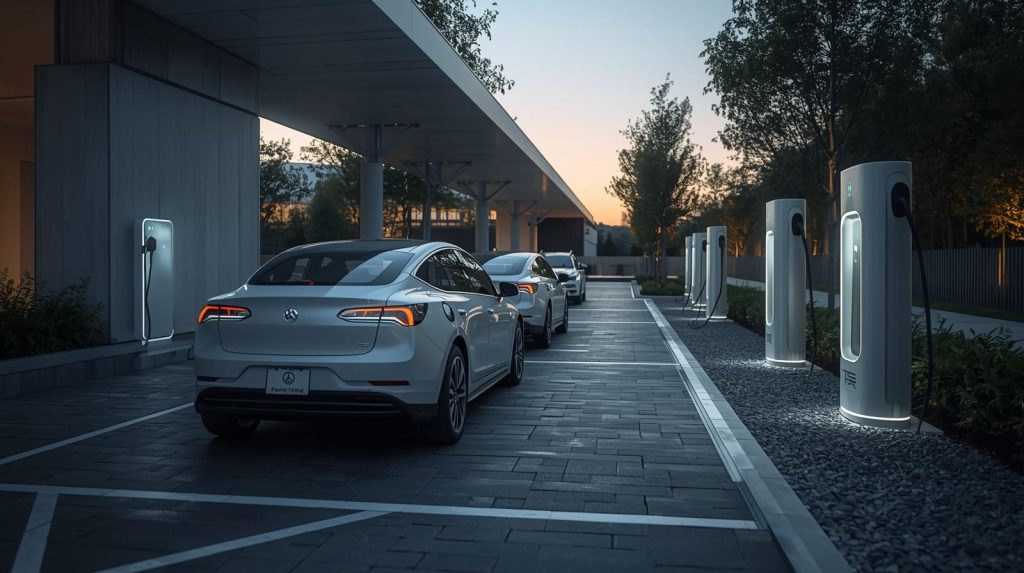
The global shift toward electric mobility is increasing the demand for EV chargers.
Governments, businesses, and homeowners are investing in charging infrastructure to support the growing number of electric vehicles on the road.
As EV technology continues to improve, EV chargers will become even more efficient, affordable, and widely available.
Conclusion
Understanding what are the benefits of EV chargers is essential for anyone considering electric vehicle ownership.
EV chargers provide convenience, lower fuel costs, reduced environmental impact, and advanced smart charging capabilities. They also support renewable energy integration and contribute to the future of sustainable transportation.
As electric vehicles become more common, EV chargers will play a vital role in making transportation cleaner, more efficient, and more affordable for drivers around the world.
FAQs: What Are the Benefits of EV Chargers?
1. What are the main benefits of EV chargers?
The main benefits of EV chargers include convenient home charging, lower fuel costs, reduced environmental impact, faster charging options, and smart charging features that help manage energy use efficiently.
2. Can EV chargers help save money?
Yes, EV chargers can help save money because electricity is generally cheaper than gasoline. Charging at home, especially during off-peak hours, can significantly reduce transportation costs.
3. Are home EV chargers convenient?
Yes, home EV chargers are very convenient. They allow EV owners to charge their vehicles overnight and start the day with a fully charged battery without visiting a public charging station.
4. Do EV chargers support renewable energy?
Yes, many EV chargers can be used with renewable energy sources such as solar power, allowing drivers to charge their vehicles with clean and sustainable energy.
5. Are EV chargers safe to use at home?
Yes, EV chargers are designed with advanced safety features and are safe to use when installed correctly by a qualified professional.
6. What is the difference between Level 1 and Level 2 EV chargers?
Level 1 chargers use a standard household outlet and charge slowly, while Level 2 chargers provide faster charging and are commonly installed in homes and workplaces.
7. Do EV chargers increase property value?
In many cases, yes. Homes with EV chargers can be more attractive to buyers as electric vehicles become more common.
8. Are public EV chargers widely available?
Yes, public EV charging networks are expanding rapidly, making it easier for EV drivers to find charging stations at shopping centers, workplaces, and highways.