
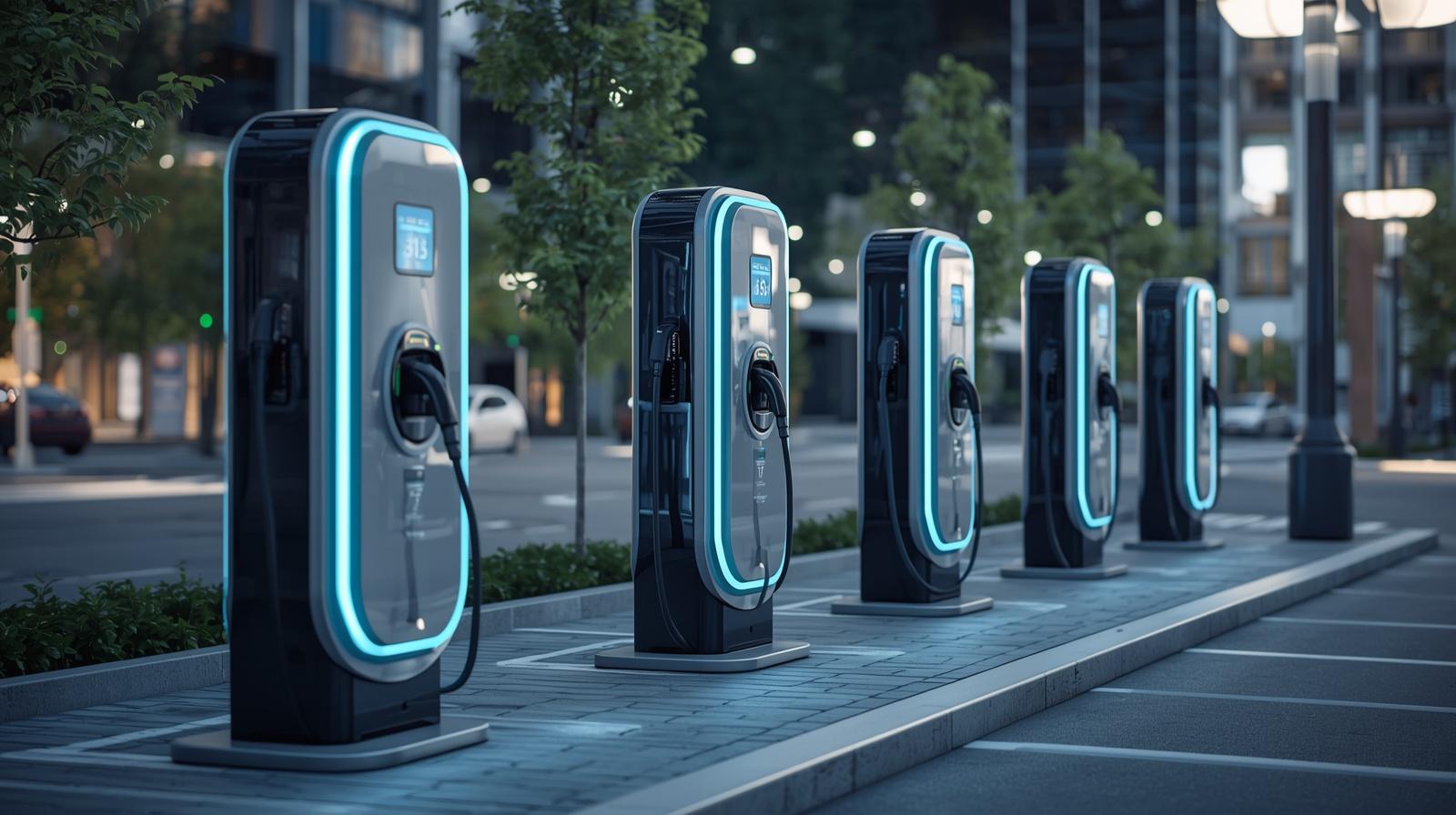
Electric vehicles (EVs) are becoming more popular as people look for cleaner, more efficient transportation options. While many drivers switch to EVs to reduce their environmental impact, another major advantage often surprises new owners: significant cost savings. One of the biggest contributors to these savings is the way EVs are charged.
This leads to an important question: How can EV chargers save you money?
The answer lies in lower electricity costs, reduced fuel expenses, smart charging technologies, and long-term vehicle maintenance savings. In this guide, we’ll explore how EV chargers can save you money, the different charging options available, and how to maximize your savings as an EV owner.
Understanding EV Charging Basics
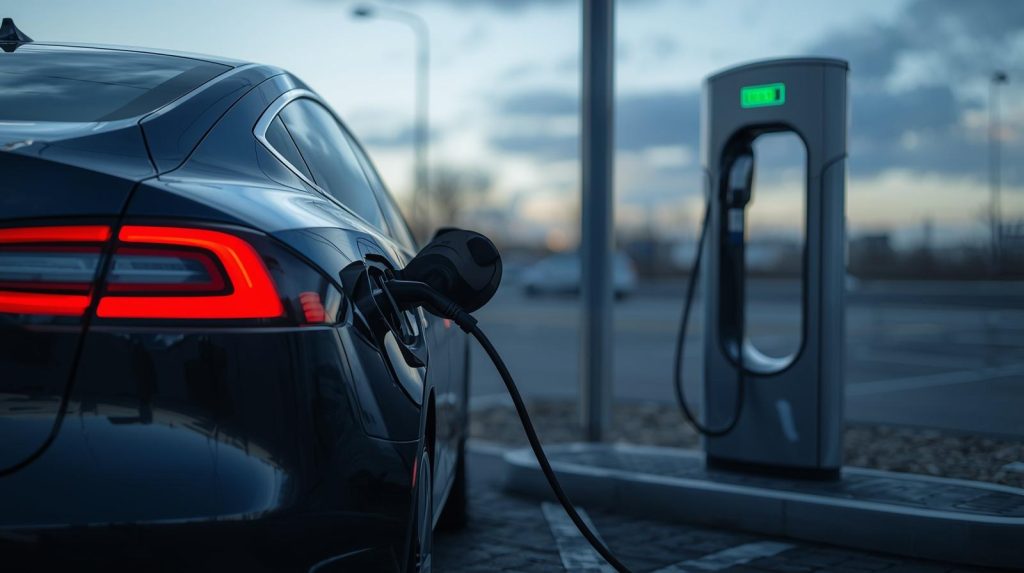
Before discussing savings, it’s important to understand how EV charging works.
Electric vehicles store energy in lithium-ion batteries that must be recharged regularly. Charging can happen in different locations:
- At home, using a residential EV charger
- At public charging stations
- At workplace charging facilities
The most common and cost-effective method for most drivers is home charging.
Automakers such as Tesla, Nissan, BMW, and Hyundai design their vehicles to support multiple charging options, giving drivers flexibility and control over energy costs.
How EV Chargers Can Save You Money
There are several ways EV chargers help reduce your transportation expenses.
1. Lower Fuel Costs Compared to Gasoline
One of the most obvious ways EV chargers save money is by replacing gasoline with electricity.
Gasoline prices can fluctuate significantly, but electricity costs are generally more stable. In many regions, charging an EV costs much less per mile than fueling a gasoline vehicle.
For example:
- Gasoline vehicles may cost significantly more per mile
- EVs charged at home can cost a fraction of that amount
This difference adds up quickly over the life of the vehicle.
2. Cheaper Home Charging
Charging your EV at home is one of the most cost-effective options available.
Why Home Charging Saves Money
Home EV chargers allow you to:
- Charge overnight
- Use lower electricity rates
- Avoid public charging fees
Many utility companies offer off-peak electricity pricing, which means energy is cheaper late at night or early in the morning.
With scheduled charging, you can automatically charge your EV when electricity costs are lowest.
3. Smart Charging Reduces Electricity Bills
Modern EV chargers often include smart charging features that help optimize electricity usage.
Smart chargers allow you to:
- Schedule charging times
- Monitor energy consumption
- Adjust charging speeds
- Avoid peak electricity rates
By using smart charging technology, EV owners can significantly reduce their monthly energy costs.
4. Reduced Maintenance Costs
Although EV chargers themselves don’t directly reduce maintenance costs, they support the use of electric vehicles, which require less maintenance than traditional cars.
Electric vehicles have fewer moving parts and don’t require:
- Oil changes
- Exhaust system repairs
- Fuel system maintenance
Regular home charging keeps the battery topped up and helps maintain optimal vehicle performance.
5. Government Incentives and Rebates
Many governments offer financial incentives for installing EV chargers at home.
These incentives may include:
- Tax credits
- Installation rebates
- Reduced electricity rates
- Grants for EV infrastructure
Such programs can significantly lower the initial cost of purchasing and installing a home charger.
6. Avoiding Expensive Public Charging
Public DC fast charging stations are convenient, especially during road trips, but they usually cost more per kilowatt-hour than home charging.
By installing a home charger, you can:
- Reduce reliance on public charging stations
- Avoid higher energy prices
- Save money over time
Most EV owners perform 80–90% of their charging at home, making a home charger a worthwhile investment.
7. Solar Integration for Maximum Savings
Another major advantage of EV chargers is their ability to integrate with renewable energy systems.
Homeowners with rooftop solar panels can use solar energy to charge their EVs, reducing electricity costs even further.
Charging with solar power can:
- Lower energy bills
- Reduce dependence on the grid
- Increase sustainability
Over time, this combination can dramatically reduce transportation expenses.
8. Time-of-Use Electricity Pricing
Many energy providers offer time-of-use (TOU) pricing, which means electricity costs vary throughout the day.
Electricity is typically cheaper during:
- Late-night hours
- Early morning hours
EV chargers with scheduling capabilities allow drivers to automatically charge during these low-cost periods.
This simple adjustment can lead to noticeable savings.
9. Increased Home Value
Installing an EV charger can also increase your property’s value.
As EV adoption continues to grow, many homebuyers look for properties that already have EV charging infrastructure installed.
A home with a built-in EV charger may:
- Attract more buyers
- Sell faster
- Command a higher resale value
This makes the charger both a convenience and a long-term investment.
10. Long-Term Transportation Savings
When you combine all these benefits—lower fuel costs, reduced maintenance, smart charging, and incentives—EV chargers play a major role in reducing overall transportation expenses.
Over several years, EV owners may save thousands of dollars compared to driving gasoline vehicles.
Comparing EV Charging Costs vs Gasoline
To better understand how EV chargers can save you money, consider a general comparison:
| Cost Factor | Gasoline Vehicle | Electric Vehicle |
|---|---|---|
| Fuel Cost | Higher | Lower |
| Maintenance | Frequent | Minimal |
| Charging/Fueling Convenience | Gas stations | Home charging |
| Price Stability | Fluctuates | More stable |
This comparison highlights why EVs and home chargers are becoming more attractive to drivers.
Choosing the Right EV Charger
To maximize savings, choosing the right charger is important.
Level 1 Charger
- Uses a standard household outlet
- Slow charging
- Minimal installation cost
Level 2 Charger
- Faster charging
- Ideal for daily home use
- Higher upfront installation cost, but greater convenience
Most EV owners prefer Level 2 chargers because they provide faster overnight charging.
Tips to Maximize Savings With EV Chargers
Here are a few practical strategies:
1. Charge During Off-Peak Hours
Take advantage of lower electricity rates at night.
2. Install a Smart Charger
Use smart scheduling and monitoring features.
3. Use Solar Energy If Possible
Solar-powered charging can drastically reduce energy costs.
4. Avoid Frequent Fast Charging
DC fast charging is convenient but typically more expensive.
5. Monitor Your Energy Usage
Tracking consumption helps identify opportunities for savings.
The Future of EV Charging Savings
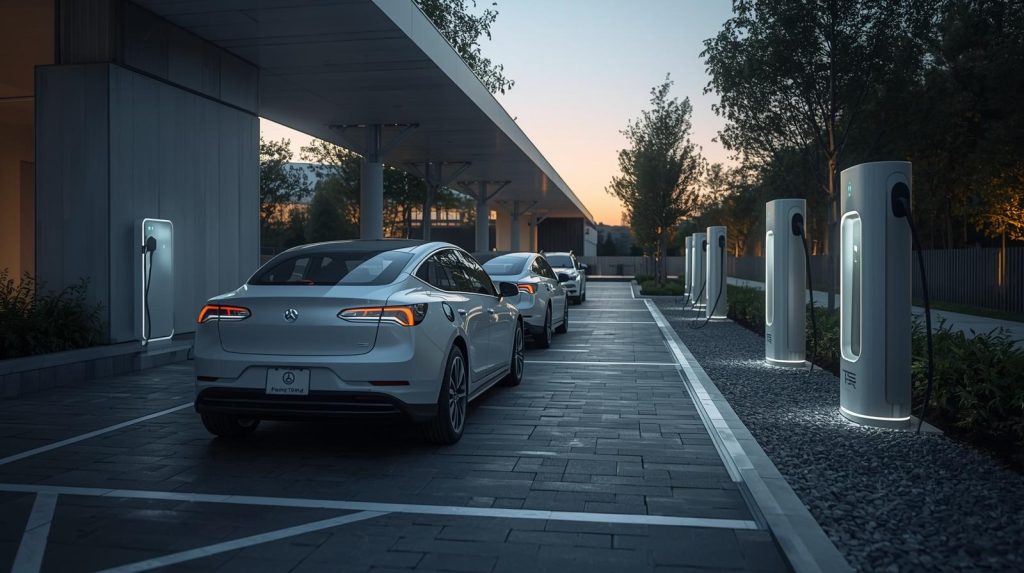
As EV adoption continues to grow, charging technology is evolving rapidly. Future developments may include:
- Smarter charging networks
- Vehicle-to-grid (V2G) technology
- More affordable home chargers
- Expanded renewable energy integration
These innovations could make EV ownership even more cost-effective.
Conclusion: How EV Chargers Can Save You Money
So, how can EV chargers save you money?
They reduce fuel costs, allow cheaper home charging, support smart energy management, and work alongside renewable energy systems to lower overall transportation expenses.
By installing a home EV charger and adopting smart charging habits, drivers can significantly reduce their long-term vehicle costs while enjoying the convenience of charging at home.
As electric mobility continues to grow, EV chargers will play a crucial role not only in sustainability but also in helping drivers save money every day.
FAQs: How EV Chargers Can Save You Money
1. How can EV chargers save you money?
EV chargers save money by allowing drivers to charge their vehicles using electricity, which is usually cheaper than gasoline. Charging at home during off-peak hours can further reduce energy costs.
2. Is charging an EV at home cheaper than public charging?
Yes, home charging is generally cheaper than public charging stations. Electricity rates at home are often lower, especially when charging during off-peak hours.
3. Do smart EV chargers help reduce electricity bills?
Yes, smart EV chargers allow users to schedule charging during low-cost electricity periods, monitor energy usage, and optimize charging efficiency to lower overall energy costs.
4. Can installing an EV charger increase home value?
In many cases, yes. Homes with EV chargers can be more attractive to buyers as electric vehicles become more common.
5. Do EV chargers reduce vehicle maintenance costs?
EV chargers support the use of electric vehicles, which typically have fewer moving parts and require less maintenance compared to gasoline vehicles.
6. Are there government incentives for EV chargers?
Many governments offer incentives such as tax credits, rebates, or grants to help reduce the cost of purchasing and installing home EV chargers.
7. Does charging an EV with solar energy save more money?
Yes, charging an EV using solar power can significantly reduce electricity costs and make transportation more affordable and environmentally friendly.
8. How much can EV owners save by charging at home?
Savings vary depending on electricity prices and driving habits, but many EV owners save hundreds to thousands of dollars annually compared to fueling gasoline vehicles.