
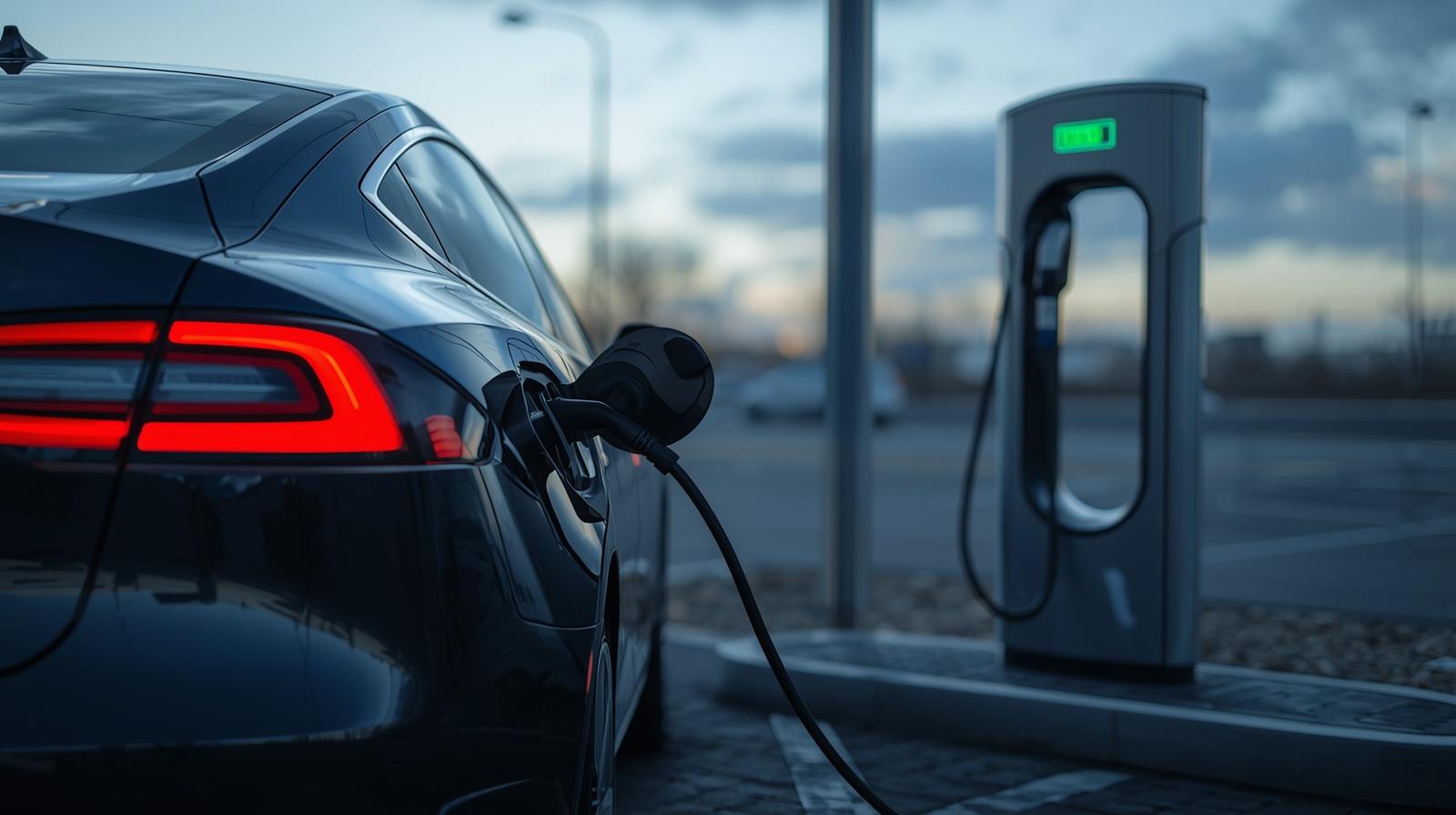
Electric vehicles (EVs) are becoming increasingly popular as more drivers shift toward cleaner and more sustainable transportation. However, many new EV owners often wonder: How often should I charge my EV to 100%?
Unlike gasoline cars, EV batteries require slightly different charging habits to maintain optimal performance and longevity. Charging to 100% may seem like the best way to maximize driving range, but doing it too often can impact battery health over time.
In this comprehensive guide, we’ll explain how often you should charge your EV to 100%, why it matters, how it affects battery lifespan, and the best charging practices for everyday EV use.
Understanding EV Battery Basics
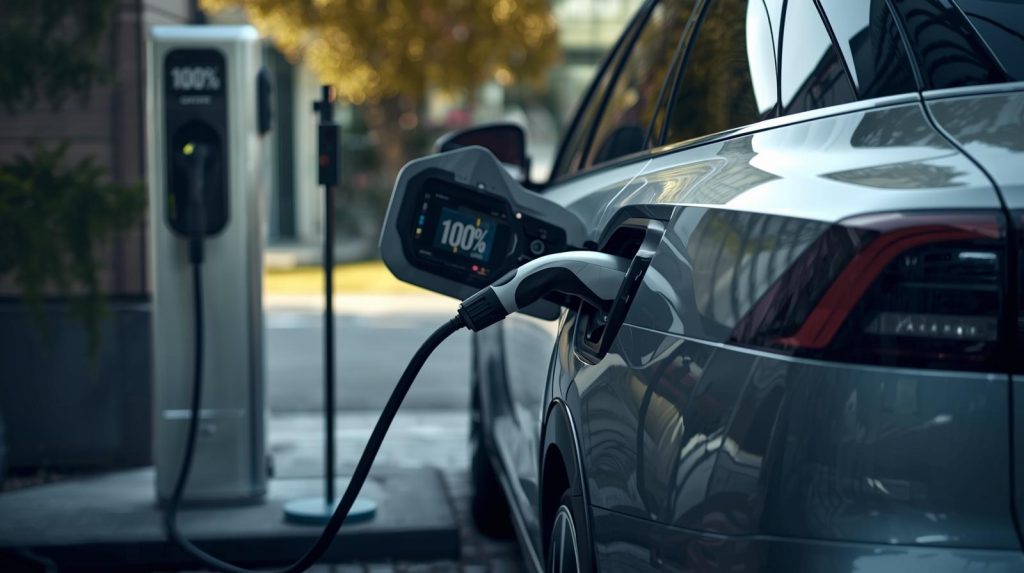
Before answering how often I should charge my EV to 100%, it’s important to understand how EV batteries work.
Most modern electric vehicles use lithium-ion batteries, similar to those found in smartphones and laptops, but much larger and more advanced. These batteries store energy efficiently but are sensitive to extreme charging conditions, such as:
- Very high charge levels (near 100%)
- Very low charge levels (near 0%)
- Excessive heat during charging
Modern EVs from manufacturers like Tesla, Nissan, BMW, and Hyundai include advanced battery management systems that help protect the battery. However, charging habits still play a role in long-term battery health.
How Often Should I Charge My EV to 100%?
The short answer is: You should only charge your EV to 100% when you actually need the full driving range.
For daily use, most experts recommend charging your EV to around 80–90% instead of 100%.
Charging to 100% occasionally—such as before a long trip—is perfectly fine. However, doing it every day may increase battery stress and slightly accelerate long-term degradation.
Why Charging to 100% Too Often Isn’t Ideal
Lithium-ion batteries experience higher voltage when fully charged. This high voltage can increase internal chemical stress within the battery cells.
When an EV battery remains at 100% for extended periods, it may lead to:
- Faster battery aging
- Increased heat generation
- Reduced long-term battery capacity
This is why many EV manufacturers recommend limiting daily charging to around 80%.
The Ideal Daily Charging Range
Many EV experts suggest following a 20%–80% charging range for everyday driving.
Why the 20–80% Range Works Best
Keeping your EV battery between 20% and 80% helps:
- Reduce battery stress
- Maintain stable voltage levels
- Improve long-term battery health
For example, if your EV has a range of 300 miles, charging to 80% still gives you about 240 miles of driving range—more than enough for most daily commutes.
Situations When Charging to 100% Makes Sense
Although frequent full charging isn’t recommended, there are times when charging your EV to 100% is completely appropriate.
1. Before Long Road Trips
If you’re planning a long journey, charging to 100% ensures maximum range and fewer charging stops.
2. When Charging Infrastructure Is Limited
If you’re traveling in areas with fewer charging stations, having a full battery provides extra security.
3. Occasional Battery Calibration
Some manufacturers recommend occasionally charging to 100% to help the battery management system maintain accurate range estimates.
4. Cold Weather Conditions
Cold temperatures reduce battery efficiency, so starting with a full charge may help maintain range.
What Happens If You Always Charge to 100%?
Charging to 100% occasionally is not harmful. However, if you charge to full capacity every day and leave the vehicle parked for long periods, it may lead to:
- Slightly faster battery degradation
- Reduced maximum battery capacity over time
- Increased heat during charging cycles
The effect is gradual, but over many years it can reduce battery longevity.
Do All EVs Handle 100% Charging the Same Way?
Not all EVs behave the same way when charged to 100%.
Some manufacturers reserve a hidden buffer in the battery pack. This means when the display shows 100%, the battery may actually be slightly below full capacity to protect the cells.
However, even with these safety measures, moderate charging habits still benefit long-term battery performance.
Fast Charging and 100% Charging
Another factor to consider when deciding how often you should charge your EV to 100% is the type of charger you use.
AC Charging (Home Charging)
AC charging is slower and generates less heat, making it better for routine charging.
DC Fast Charging
DC fast charging delivers high power quickly, which can produce more heat. Charging to 100% using fast chargers frequently may increase battery stress.
For best results:
- Use DC fast charging mainly for travel
- Stop fast charging around 80% during regular use
Best EV Charging Practices
To maximize battery health and performance, follow these simple charging habits.
1. Charge to 80–90% for Daily Driving
This provides plenty of range while reducing battery stress.
2. Charge to 100% Only When Needed
Reserve full charging for long trips or special situations.
3. Avoid Letting the Battery Drop to 0%
Frequent deep discharges can stress the battery.
4. Use Scheduled Charging
Charging overnight during off-peak hours can reduce electricity costs.
5. Don’t Leave the Battery Fully Charged for Long Periods
If you charge to 100%, it’s best to start driving soon afterward.
How EV Technology Is Improving Battery Longevity
Modern EVs are designed to last a long time. Battery management systems monitor:
- Temperature
- Charging speed
- Voltage levels
- Energy flow
These systems automatically protect the battery from extreme conditions. As battery technology continues to improve, concerns about degradation are becoming less significant.
Does Charging to 100% Reduce Battery Warranty?
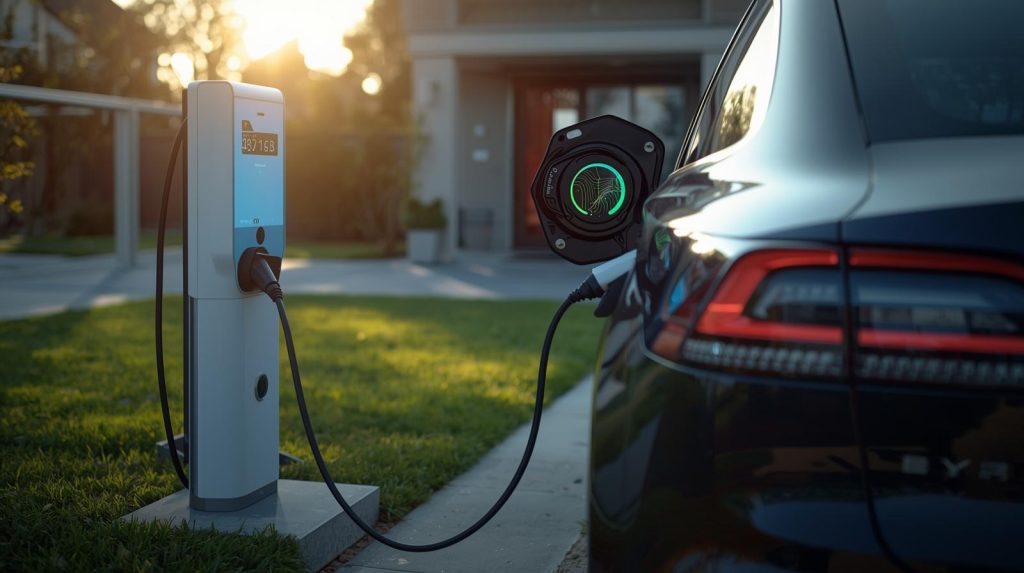
No. Charging to 100% does not void your battery warranty.
Most EV manufacturers provide battery warranties for 8 years or 100,000 miles, and modern batteries are built to handle occasional full charging.
However, maintaining good charging habits helps ensure your battery stays healthy well beyond the warranty period.
Conclusion: How Often Should I Charge My EV to 100%?
So, how often should you charge your EV to 100%?
The best approach is to charge to 100% only when necessary, such as before long trips or during special circumstances. For everyday driving, keeping your battery between 20% and 80% is the healthiest strategy.
Modern EV batteries are durable and designed to last for many years, but thoughtful charging habits can help preserve battery capacity and maximize your vehicle’s performance.
By balancing daily charging with occasional full charges, you can enjoy the benefits of electric driving while maintaining optimal battery health for the long term.
FAQs: How Often Should I Charge My EV to 100%?
1. How often should I charge my EV to 100%?
You should charge your EV to 100% only when you need the full driving range, such as before a long trip. For daily use, charging to around 80–90% is generally recommended.
2. Is it bad to charge an EV to 100% every day?
Charging to 100% occasionally is fine, but doing it every day may increase battery stress and could lead to faster battery degradation over time.
3. What is the best charging percentage for daily EV use?
Most experts recommend keeping the battery between 20% and 80% for daily driving to help maintain long-term battery health.
4. Can charging to 100% damage my EV battery?
No, charging to 100% will not immediately damage your battery. However, frequently keeping the battery at full charge for long periods may reduce its lifespan.
5. Should I charge my EV to 100% before a road trip?
Yes. Charging to 100% before a long trip is a good idea because it maximizes your driving range and reduces the number of charging stops.
6. Does fast charging to 100% affect battery health?
Frequent DC fast charging to 100% may generate more heat and slightly increase battery wear. It’s usually better to stop fast charging around 80% during regular use.
7. Do all EV manufacturers recommend limiting charging to 80%?
Many EV manufacturers suggest limiting daily charging to around 80–90% to help preserve battery longevity and performance.
8. What happens if my EV battery drops below 20% often?
Occasionally dropping below 20% is fine, but frequent deep discharges may increase battery stress and reduce long-term battery efficiency.
9. Can I set a charging limit on my EV?
Yes. Most modern EVs allow you to set a maximum charging limit through the vehicle settings or a mobile app to help maintain optimal battery health.
10. Will charging habits affect my EV battery warranty?
No. Charging to 100% occasionally will not void your battery warranty. However, good charging habits can help your battery last longer.