
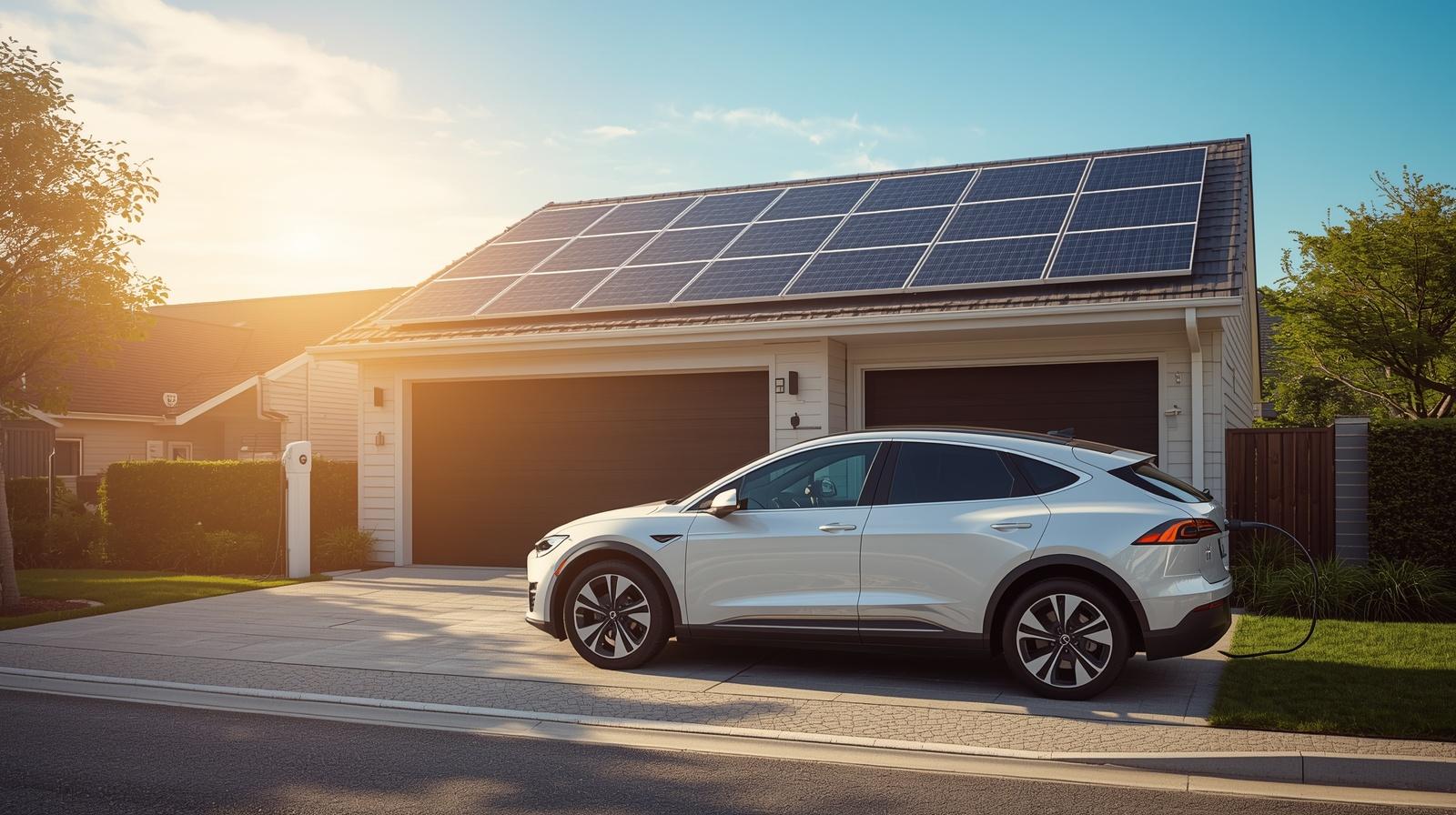
Electric vehicles are becoming more common around the world. At the same time, solar energy is also growing rapidly as people search for cleaner and cheaper ways to power their homes. Because of this, many homeowners now ask an important question: Can you charge an electric car at home with solar panels?
The simple answer is yes. You can absolutely charge an electric car at home using solar panels. In fact, combining solar energy with an EV is one of the smartest ways to reduce fuel costs, lower electricity bills, and support a cleaner environment.
Solar panels generate electricity from sunlight, and that electricity can power your home EV charger. Instead of depending completely on the electrical grid or paying for gasoline, you can use renewable energy from the sun to charge your car.
In this complete guide, you will learn how solar charging works, how many panels you need, installation costs, benefits, challenges, and whether solar EV charging is worth it for your home.
What Does It Mean to Charge an Electric Car With Solar Panels?
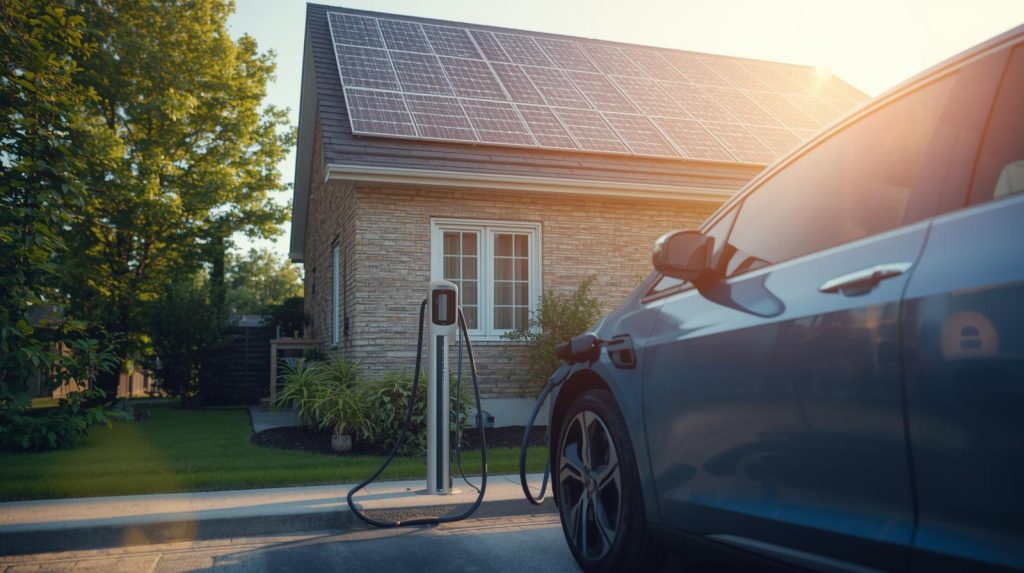
Charging an electric car with solar panels means using electricity produced by sunlight to recharge your EV battery.
Solar panels contain photovoltaic (PV) cells that capture sunlight and convert it into electricity. This electricity can then power your home appliances, lights, and electric vehicle charger.
When your EV charger connects to your home solar system, your car uses solar-generated electricity instead of relying entirely on traditional power sources.
This process creates a cleaner and more energy-efficient transportation system.
Can You Charge an Electric Car at Home With Solar Panels Every Day?
Yes, many EV owners charge their electric cars at home with solar panels daily.
However, the amount of solar charging depends on several factors, including:
- Number of solar panels
- Sunlight availability
- EV battery size
- Daily driving distance
- Charging habits
If your solar system produces enough electricity, you may fully charge your EV using only solar power.
Some homeowners even generate extra electricity that powers both the house and the electric vehicle.
How Solar Panels Charge an Electric Car at Home
The process is simple and easy to understand.
1. Solar Panels Collect Sunlight
Solar panels installed on your roof absorb sunlight during the day.
The photovoltaic cells create direct current (DC) electricity.
2. The Inverter Converts the Electricity
Homes and EV chargers use alternating current (AC) electricity.
An inverter converts the DC electricity into AC electricity.
3. Electricity Flows to the EV Charger
The electricity enters your home electrical system and powers your EV charging station.
4. The EV Battery Charges
Once connected, the charger transfers electricity into your electric vehicle battery.
This stored energy powers the car when you drive.
Types of Solar EV Charging Systems
There are different ways to charge an EV using solar power at home.
Grid-Tied Solar System
This is the most common setup.
The solar system remains connected to the electrical grid. During sunny hours, solar panels power the home and EV. If extra electricity is needed, the grid provides backup power.
Benefits include:
- Lower installation costs
- Reliable charging
- Easy maintenance
Off-Grid Solar System
An off-grid system works completely independently of the electrical grid.
It usually includes:
- Solar panels
- Battery storage
- Inverter
- Charge controller
This setup provides complete energy independence but costs more.
Hybrid Solar System
A hybrid system combines solar panels, battery storage, and grid backup.
Extra solar energy is stored in home batteries and can charge the EV later, even at night.
Many homeowners prefer hybrid systems because they offer flexibility and backup power.
How Many Solar Panels Are Needed to Charge an EV?
One of the most common questions people ask is how many solar panels are needed for EV charging.
The answer depends on:
- Vehicle efficiency
- Daily mileage
- Solar panel efficiency
- Sunlight conditions
On average, most electric vehicles use around:
- 25–35 kWh per 100 miles
A standard solar panel may produce:
- 300–400 watts per hour
In many cases:
- 6 to 12 solar panels can support partial EV charging
- 10 to 20 panels may fully power both the home and the EV
For example, someone driving 30–40 miles daily may only need around 8–10 panels for EV charging.
Best Time to Charge an EV With Solar Panels
The best time to charge an electric vehicle with solar power is during daylight hours when solar production is highest.
Usually, solar panels generate maximum electricity between:
- 10 AM and 4 PM
Charging during these hours allows your EV to use direct solar energy instead of grid electricity.
Many smart chargers automatically schedule charging during peak sunlight times.
Benefits of Charging an Electric Car With Solar Panels
Using solar panels to charge your EV offers many advantages.
Lower Charging Costs
One of the biggest benefits is saving money.
Instead of paying for gasoline or expensive electricity, solar energy provides free power from the sun.
Over time, these savings can become very large.
Cleaner Transportation
Solar-powered EV charging reduces carbon emissions significantly.
Gasoline vehicles release harmful pollutants into the atmosphere, while solar energy produces clean electricity.
This combination supports a greener planet.
Energy Independence
Solar charging reduces dependence on fuel stations and utility companies.
Homeowners create their own electricity, which provides more control over energy costs.
Long-Term Savings
Although solar systems require an upfront investment, they often save homeowners thousands of dollars over time.
Most solar panels last:
- 25 to 30 years
This means decades of lower energy costs.
Increased Home Value
Homes with solar energy systems often attract buyers because they offer lower utility bills and sustainable living features.
Cost of Charging an Electric Car With Solar Panels
The cost depends on system size and equipment.
Average Solar Installation Costs
| System Type | Estimated Cost |
|---|---|
| Basic Solar System | $8,000–$15,000 |
| Solar + EV Charger | $10,000–$20,000 |
| Solar + Battery Storage | $15,000–$30,000 |
Government incentives and tax credits may reduce these costs in some regions.
Even though installation can be expensive initially, long-term savings often make solar EV charging financially beneficial.
Can You Charge an EV at Night With Solar Panels?
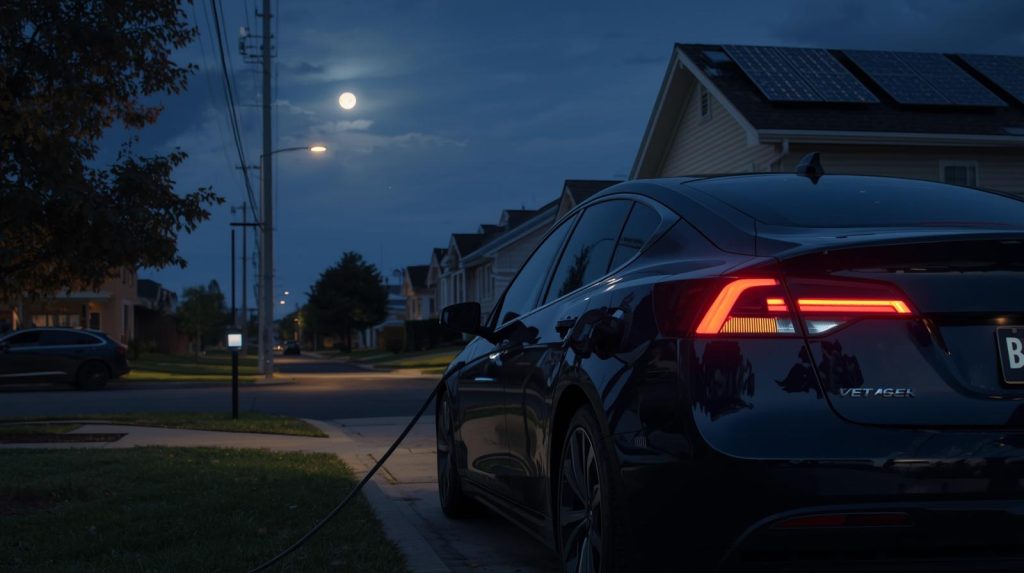
Solar panels only generate electricity during daylight hours.
However, there are two ways to charge at night.
Using Grid Electricity
If your solar system connects to the grid, your EV can use grid electricity after sunset.
Using Battery Storage
Home battery systems store extra solar energy produced during the day.
This stored electricity can charge your EV at night without using the grid.
Battery storage improves energy independence but increases installation costs.
Do Solar Panels Charge an EV Faster?
Solar panels themselves do not directly control charging speed.
Charging speed depends more on:
- Charger type
- EV battery capacity
- Electrical system setup
However, larger solar systems can provide more available electricity for charging.
EV Charger Types for Solar Charging
Level 1 Charger
- Uses a standard home outlet
- Slow charging speed
- Good for overnight charging
Level 2 Charger
- Faster charging
- The most common home EV charger
- Ideal for solar charging systems
DC Fast Charger
- Extremely fast
- Mostly used at commercial charging stations
- Rarely installed in homes
Most homeowners choose Level 2 chargers for solar EV charging.
Challenges of Charging an EV With Solar Panels
Although solar EV charging has many advantages, there are still some challenges.
High Upfront Costs
Installing solar panels and batteries can be expensive initially.
Weather Dependence
Cloudy weather and rainy days reduce solar electricity production.
Roof Space Requirements
Larger systems may require significant roof space.
Battery Storage Costs
Adding home batteries increases total installation expenses.
Despite these challenges, solar technology continues to become more affordable and efficient each year.
Is Solar EV Charging Worth It?
For many homeowners, the answer is yes.
Solar EV charging becomes especially valuable if you:
- Drive frequently
- Live in a sunny area
- Plan to keep the home long-term
- Want lower transportation costs
- Support clean energy
People who drive electric vehicles daily often recover installation costs faster through fuel savings.
Future of Solar-Powered EV Charging
The future of solar EV charging looks very promising.
New technologies are improving:
- Solar panel efficiency
- Battery storage
- Smart charging systems
- EV range
Some companies are even developing solar-powered cars with built-in solar panels.
As renewable energy adoption grows, charging electric vehicles with solar power may become increasingly common worldwide.
Tips for Charging an Electric Car With Solar Panels
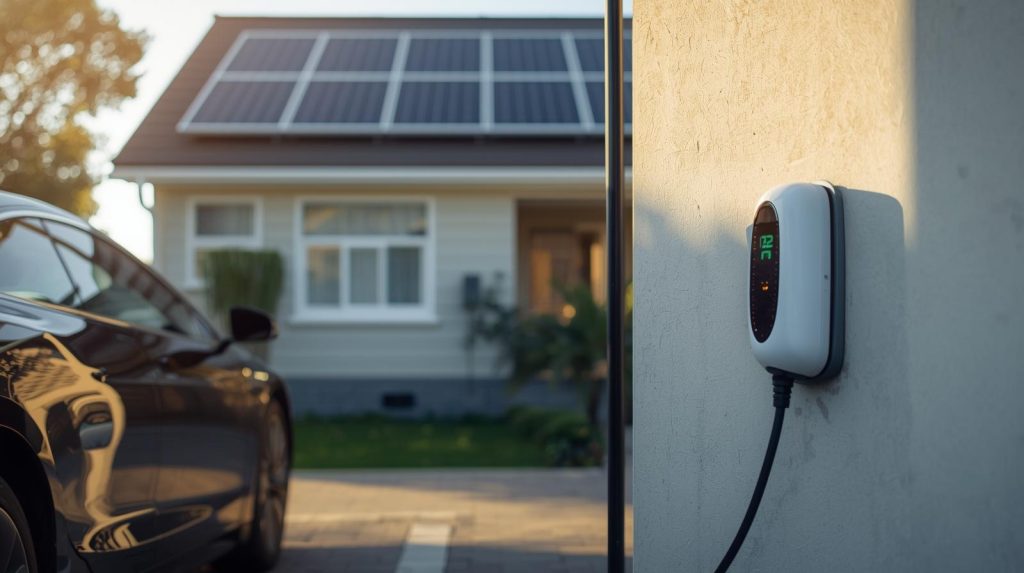
If you plan to install a solar EV charging system, consider these tips.
Install High-Efficiency Solar Panels
Better panels generate more electricity in a limited space.
Use Smart EV Chargers
Smart chargers help optimize charging during peak sunlight hours.
Monitor Your Energy Usage
Tracking electricity production and consumption improves efficiency.
Consider Battery Storage
Home batteries allow nighttime charging using stored solar energy.
Work With Professional Installers
Certified installers help ensure safety and maximum performance.
Environmental Impact of Solar EV Charging
Using solar panels to charge electric vehicles greatly reduces greenhouse gas emissions.
Traditional gasoline vehicles release carbon dioxide and air pollutants. Solar-powered EVs create far fewer emissions, especially when powered entirely by renewable energy.
This combination supports cleaner cities and healthier air quality.
Conclusion: Can You Charge an Electric Car at Home With Solar Panels?
Charging an electric car at home with solar panels is one of the smartest and most eco-friendly ways to power modern transportation. It allows homeowners to use clean solar energy instead of relying completely on gasoline or expensive grid electricity. By combining solar panels with an EV, drivers can reduce fuel costs, lower carbon emissions, and gain more energy independence.
Although installing a solar charging system may require a higher upfront investment, the long-term savings and environmental benefits make it worthwhile for many families. With improvements in solar technology, battery storage, and EV charging systems, solar-powered transportation is becoming more practical and affordable every year.
FAQs: Can You Charge an Electric Car at Home With Solar Panels
1. Can you fully charge an electric car with solar panels at home?
Yes, you can fully charge an electric car at home with solar panels if your system produces enough electricity to meet your EV’s charging needs.
2. How many solar panels do I need to charge an EV?
Most homeowners need around 6 to 12 solar panels for basic EV charging, while larger systems may require 15 to 20 panels for both home and vehicle power.
3. Can I charge my electric car directly from solar panels?
Solar panels usually work through an inverter and an EV charging station. The electricity generated by the panels powers the charger, which then charges the EV battery.
4. Can solar panels charge an EV at night?
Solar panels do not generate electricity at night. However, you can charge your EV at night using stored energy from home batteries or electricity from the grid.
5. Is charging an EV with solar panels cheaper?
Yes, charging an electric vehicle with solar energy can significantly reduce fuel and electricity costs over time.
6. What type of EV charger works best with solar panels?
A Level 2 charger is usually the best option for home solar EV charging because it provides faster and more efficient charging.
7. Are solar panels worth it for EV owners?
For many EV owners, solar panels are worth it because they reduce charging costs, support clean energy, and provide long-term savings.
8. Can solar panels power both my house and my electric car?
Yes, a properly sized solar system can power both your home appliances and your electric vehicle at the same time.